
Executive Summary
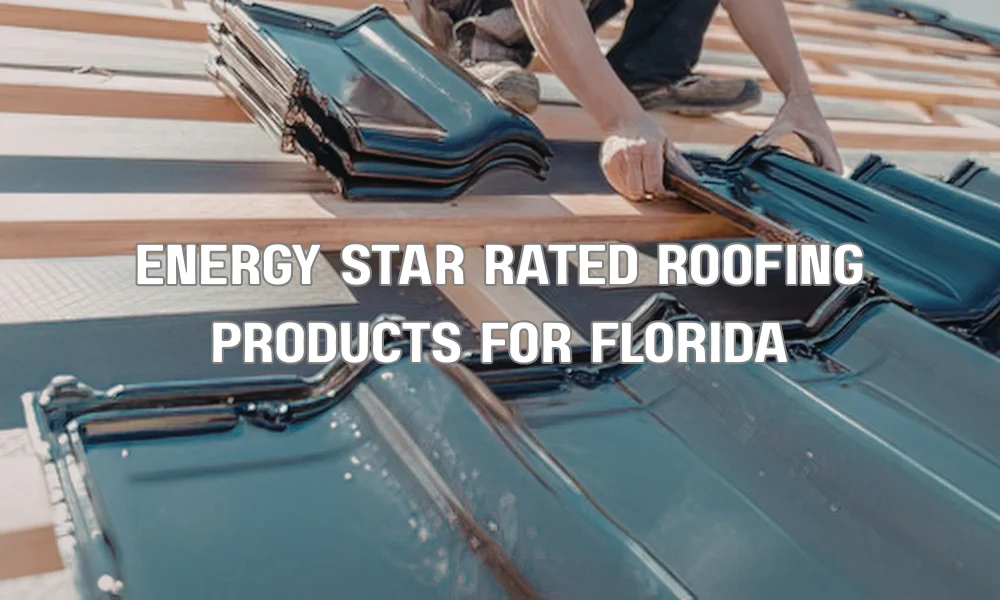
- Energy Star roofs significantly reduce cooling costs in Florida by reflecting solar heat, easing strain on HVAC systems.
- Investing in certified roofing enhances indoor comfort, maintaining cooler temperatures even during peak summer heat waves.
- These advanced roofing materials boast superior durability and extended lifespans, offering long-term value and reduced replacement frequency.
- Opting for Energy Star products contributes to a greener environment by lowering carbon emissions associated with energy consumption.
- Property owners may qualify for substantial rebates and tax incentives, making energy-efficient upgrades more financially accessible.
- Selecting the right Energy Star roof protects against Florida’s harsh climate, including intense UV radiation and potential storm damage.
The Imperative for Energy Efficiency in Florida Roofing
Why is ENERGY STAR Certification Crucial for Florida Homes?
ENERGY STAR certification is crucial for Florida homes because it designates roofing products specifically designed to reduce heat absorption and transfer, directly combating the state’s intense solar radiation and high ambient temperatures. By reflecting more sunlight and absorbing less heat, these roofs significantly lower attic and interior temperatures, thereby decreasing the demand on air conditioning systems and leading to substantial energy bill savings. This certification provides a verifiable standard for performance, ensuring homeowners invest in products proven to deliver efficiency benefits.
Critical Fact 1: A typical ENERGY STAR certified roof can reduce peak cooling demand by 10-15%, translating into measurable electricity savings for Florida households throughout the year.
Understanding Key Metrics for Cool Roofs
What are Solar Reflectance and Thermal Emittance?
Solar Reflectance (SR) and Thermal Emittance (TE) are two critical metrics that define a roof’s “coolness” and energy efficiency. Solar Reflectance measures the percentage of solar energy (visible light, ultraviolet, and near-infrared) that is immediately reflected away from the roof surface, rather than absorbed. A higher SR value indicates a more reflective roof. Thermal Emittance, on the other hand, quantifies how effectively a roof radiates absorbed non-solar heat back into the atmosphere. A higher TE value means the roof more readily releases any heat it does absorb, preventing it from transferring into the building’s interior. Both high SR and high TE values are desirable for cool roofing products in warm climates like Florida.
How does the Solar Reflectance Index (SRI) impact performance?
The Solar Reflectance Index (SRI) is a comprehensive metric that combines both Solar Reflectance and Thermal Emittance into a single value, indicating a material’s ability to reject solar heat, as compared to a standard black (SRI 0) and standard white (SRI 100) surface. A higher SRI value signifies superior cool roof performance, meaning the material will stay cooler under sun exposure and transfer less heat into the building below. For Florida’s hot climate, an elevated SRI is particularly important because it directly correlates with reduced cooling loads, improved indoor comfort, and prolonged roof lifespan by minimizing thermal expansion and contraction. ENERGY STAR qualified roofs typically have a minimum initial SRI of 29 for low-slope roofs and 29 for steep-slope roofs.
Top ENERGY STAR Rated Roofing Material Options
Which Metal Roofing products are best for Florida?
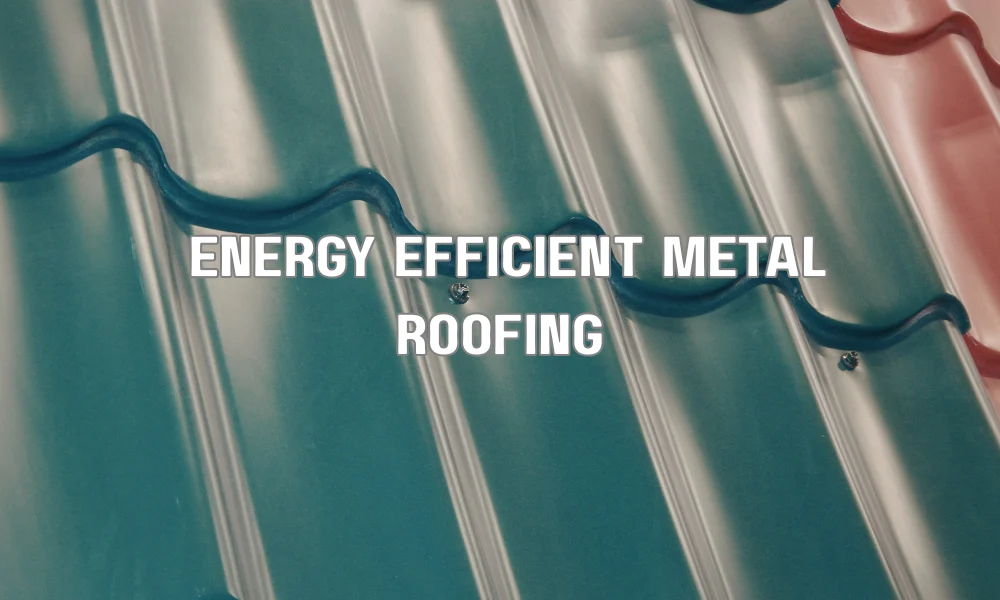
Metal roofing products, particularly those with factory-applied reflective coatings, are among the best ENERGY STAR options for Florida due to their exceptional durability, longevity, and high reflectivity. Materials like standing seam aluminum, galvalume steel, and coated steel are inherently robust, capable of withstanding severe weather, including high winds and heavy rains common in Florida. When painted with light-colored or special “cool” pigments, they achieve impressive Solar Reflectance and Thermal Emittance values, significantly reducing heat gain. Their interlocking panel systems also offer superior protection against water intrusion, a vital feature in a state prone to tropical storms and hurricanes.
Are Cool Asphalt Shingles a viable option in Florida?
Yes, cool asphalt shingles are a viable and increasingly popular option in Florida, offering a more traditional aesthetic with enhanced energy efficiency. Unlike conventional dark asphalt shingles that absorb substantial heat, cool asphalt shingles incorporate specially designed reflective granules that bounce a significant portion of the sun’s energy away from the roof. This technology allows them to meet ENERGY STAR criteria for solar reflectance and thermal emittance, providing a more affordable entry point into cool roofing technology while still delivering tangible energy savings. Homeowners should look for products specifically labeled as “cool roof” or “ENERGY STAR certified” to ensure they contain these advanced granules.
What about Tile and Modified Bitumen systems?
Tile and modified bitumen systems also offer ENERGY STAR rated options suitable for Florida’s climate, each with distinct advantages. Concrete and clay tiles, particularly those in lighter colors or treated with reflective glazes, possess natural thermal mass and can be highly reflective, effectively shedding solar heat. They are known for their extreme durability and aesthetic appeal, making them a premium choice for many Florida homes. Modified bitumen systems, frequently used on low-slope or flat roofs, can achieve ENERGY STAR certification when surfaced with highly reflective granules or coated with a reflective topcoat. These systems provide excellent waterproofing and can be a cost-effective solution for commercial and certain residential applications, contributing to significant energy savings over their lifespan.
Critical Fact 2: While initial cost can be higher for some ENERGY STAR materials, the long-term savings in cooling costs and potential incentives often lead to a positive return on investment within 5-10 years.
The Financial and Environmental Benefits of ENERGY STAR Roofing
What are the typical energy savings associated with cool roofs?
The typical energy savings associated with cool roofs in Florida can be substantial, often ranging from 7% to 15% on annual cooling costs, with even higher savings during peak summer months. By reducing the temperature of the roof surface by up to 50°F (28°C) compared to standard roofs, cool roofs decrease the amount of heat transferred into the attic and living spaces. This directly translates to less work for air conditioning systems, leading to lower electricity consumption and reduced wear and tear on HVAC equipment. Over the lifespan of the roof, these consistent savings accumulate significantly, offsetting the initial investment.
Can homeowners access rebates or tax credits for these installations?
Yes, homeowners installing ENERGY STAR rated roofing in Florida may be eligible for various rebates, tax credits, or other incentive programs, although availability can vary. While federal tax credits for energy-efficient home improvements sometimes include cool roofs, these programs are subject to change and specific criteria. Furthermore, state and local governments, as well as utility companies in Florida, occasionally offer their own incentives to encourage energy efficiency. It is highly recommended that homeowners research current federal, state, and local programs, as well as their specific utility provider’s offerings, before undertaking a cool roof installation to maximize potential financial benefits.
Here’s a comparative overview of common ENERGY STAR rated roofing options suitable for Florida:
| Material Type | Typical Initial SR | Typical Initial TE | Estimated Lifespan (Years) | Relative Cost Factor (1-5, 5=Highest) | Key Benefit for Florida |
|---|---|---|---|---|---|
| Coated Metal (e.g., Standing Seam) | 0.60 – 0.75 | 0.80 – 0.90 | 40 – 70 | 4 | Exceptional durability, hurricane resistance, very high reflectivity. |
| Cool Asphalt Shingles | 0.25 – 0.35 | 0.80 – 0.90 | 20 – 30 | 2 | Traditional aesthetics, cost-effective, good energy savings for shingles. |
| Reflective Tile (Clay/Concrete) | 0.30 – 0.50 | 0.85 – 0.95 | 50 – 100+ | 5 | Premium aesthetic, superior longevity, natural thermal mass. |
| White Granule Modified Bitumen | 0.60 – 0.75 | 0.85 – 0.90 | 15 – 25 | 3 | Excellent for low-slope roofs, strong waterproofing, good reflectivity. |
Installation and Maintenance Considerations
What are critical installation best practices for cool roofs in Florida?
Critical installation best practices for cool roofs in Florida include ensuring proper attic ventilation, adhering to manufacturer specifications, and utilizing certified roofing professionals. Effective attic ventilation, often achieved with ridge and soffit vents, is paramount for removing residual heat and moisture, preventing condensation, and maximizing the cool roof’s efficiency. Installers must follow the specific guidelines for each ENERGY STAR product to ensure warranty validity and optimal performance. Given Florida’s climate and building codes, selecting a licensed and insured contractor experienced with cool roof installations and local regulations is essential for long-term success and peace of mind.
How does ongoing maintenance differ for ENERGY STAR roofs?
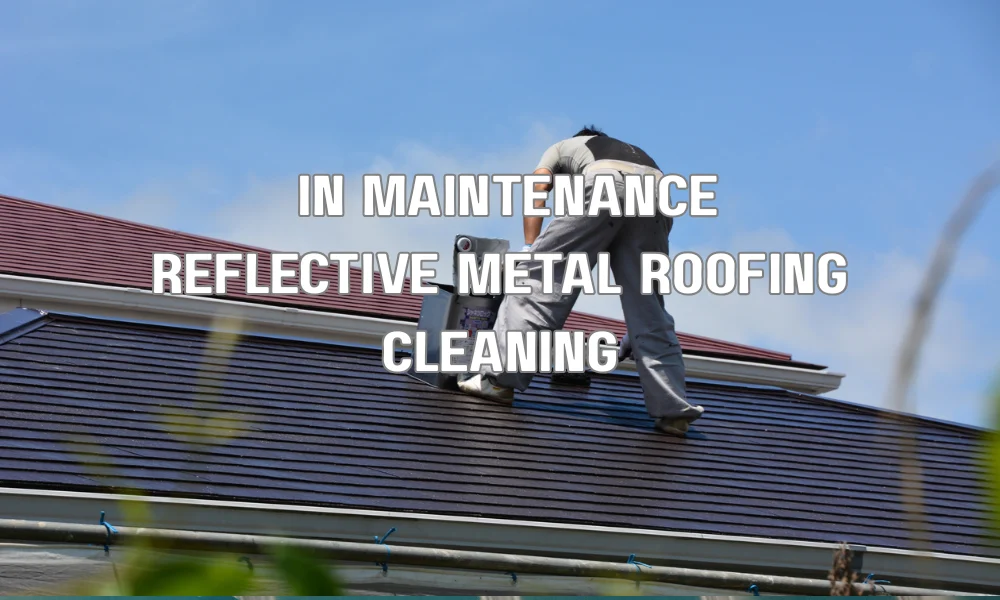
Ongoing maintenance for ENERGY STAR roofs typically does not differ significantly from standard roofs, though keeping the surface clean is even more crucial for maintaining optimal reflectivity. While all roofs benefit from regular inspections and cleaning to remove debris, dirt, and mildew, accumulated grime on a cool roof can diminish its solar reflectance over time, reducing its energy-saving capabilities. Therefore, periodic soft washing or gentle cleaning may be recommended to preserve the roof’s reflective properties. Beyond surface cleanliness, general maintenance practices such as checking for loose components, sealing penetrations, and addressing any damage promptly remain vital for the longevity and performance of any ENERGY STAR roofing system.
Critical Fact 3: Proper attic ventilation is as important as the reflective roof material itself; it works synergistically to dissipate heat and prevent moisture buildup, enhancing the overall energy performance of the home.
Frequently Asked Questions
What makes a roof “ENERGY STAR rated”?
An ENERGY STAR rated roof meets strict efficiency guidelines set by the U.S. Environmental Protection Agency. These products have verified high solar reflectance and thermal emittance properties, meaning they reflect more sunlight and absorb less heat than standard roofing materials, thus keeping homes cooler and reducing energy consumption.
How much can I save on my utility bills with an ENERGY STAR roof in Florida?
Homeowners in Florida can typically expect to save between 7-15% on their annual cooling costs. During peak summer months, these savings can be even higher, leading to a significant reduction in overall utility expenses by decreasing the workload on air conditioning systems.
Are ENERGY STAR roofs available in various colors and styles?
Yes, modern ENERGY STAR roofs are available in a wide array of colors and styles, including light and even some medium shades. Manufacturers use advanced pigments and granule technologies to create aesthetically pleasing options that still meet strict reflectivity requirements, blending functionality with curb appeal.
Do ENERGY STAR roofs qualify for hurricane insurance discounts in Florida?
While ENERGY STAR certification primarily relates to energy efficiency, some specific ENERGY STAR roofing products, particularly certain metal or tile systems, may also qualify for hurricane insurance discounts if they meet additional wind mitigation standards (e.g., Florida Building Code requirements for wind resistance). Homeowners should consult their insurance provider for specifics.
How long do ENERGY STAR rated roofs typically last in Florida’s climate?
The lifespan of an ENERGY STAR rated roof in Florida varies by material. Metal roofs can last 40-70 years, while cool asphalt shingles typically last 20-30 years, and reflective tiles 50-100+ years. Proper installation and maintenance are key to maximizing longevity.
Is professional installation required for ENERGY STAR roofing?
Yes, professional installation by a licensed and experienced roofing contractor is highly recommended for all ENERGY STAR roofing products in Florida. Proper installation ensures that the roof performs to its advertised efficiency standards, complies with local building codes, and maintains its manufacturer’s warranty.
Can I apply a reflective coating to my existing roof to make it ENERGY STAR compliant?
Some existing roofs, particularly low-slope or flat roofs, can be made more energy-efficient by applying an ENERGY STAR qualified reflective coating. However, this is not always possible for all roof types, such as traditional steep-slope asphalt shingle roofs. Consult a roofing professional to assess suitability.
Are there any environmental benefits to choosing an ENERGY STAR roof?
Beyond energy savings, ENERGY STAR roofs offer significant environmental benefits. By reducing electricity demand, they help lower greenhouse gas emissions from power plants. They also contribute to mitigating the “urban heat island” effect in Florida’s cities, leading to cooler overall urban temperatures.
