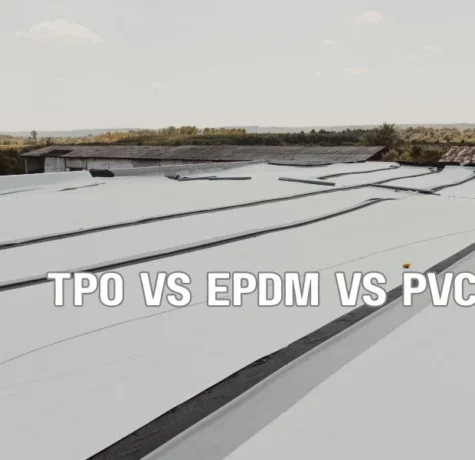
For Florida commercial buildings, TPO offers excellent heat reflectivity, EPDM provides long-term durability, and PVC boasts superior chemical resistance. The ‘best’ depends on specific building needs and budget.

Your home is your greatest asset. We provide its ultimate shield. With Shieldline, get lasting peace of mind and unwavering protection.
For Florida commercial buildings, TPO offers excellent heat reflectivity, EPDM provides long-term durability, and PVC boasts superior chemical resistance. The ‘best’ depends on specific building needs and budget.
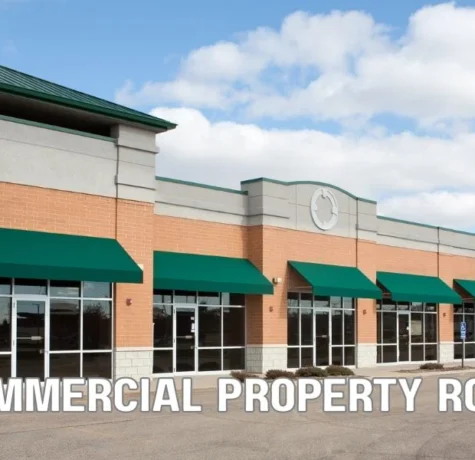
Understand the critical differences between NDL, Material-Only, and Workmanship commercial roof warranties to protect your investment. Get expert insights on comprehensive coverage.

Florida Building Code permits a roof recover (second layer) if the deck is sound and only one layer exists; otherwise, a full tear-off is mandatory.
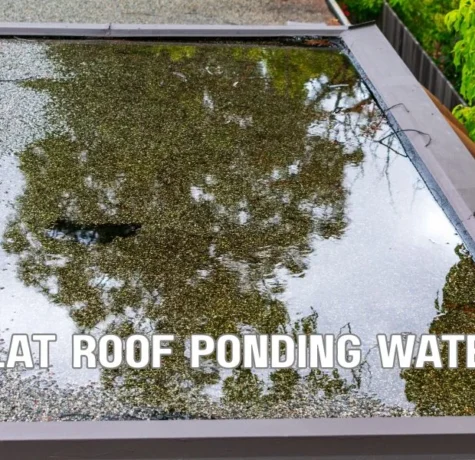
Learn the causes, building code limits, and permanent drainage solutions for ponding water on flat roofs to protect your property and ensure longevity.
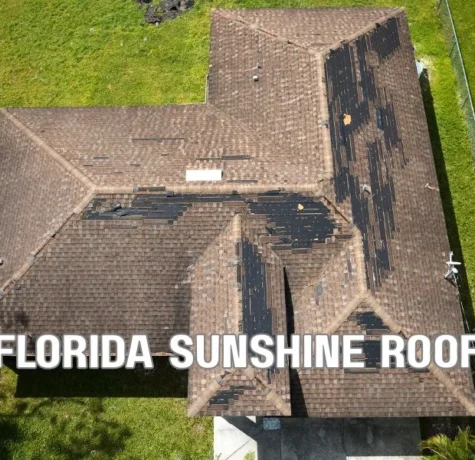
Discover how long TPO roofs last in Florida, typically 15-25 years, influenced by membrane thickness, installation, and maintenance for optimal longevity.

Optimize your commercial roof insulation with expert insights on R-value requirements, Polyiso, and tapered systems to boost energy efficiency and roof lifespan.

Discover how reflective roofing systems comply with Florida’s new energy codes, significantly reducing cooling costs and enhancing energy efficiency for homes and businesses.
Compare mechanically attached, fully adhered, and ballasted roofing membranes for superior wind performance in Florida’s hurricane zones. Expert insights for architects.
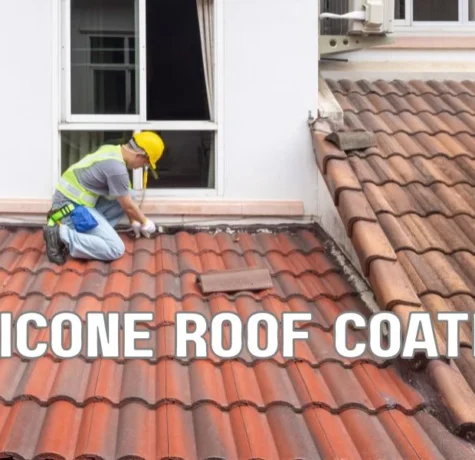
Silicone coatings excel in Florida’s harsh climate with superior UV and ponding water resistance, offering greater longevity than more budget-friendly acrylic options.
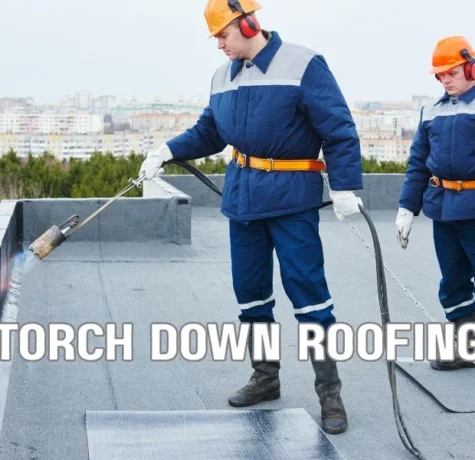
Asphalt remains highly relevant in roofing, foundational to both Modified Bitumen (Mod Bit) and Built-Up Roofing (BUR) systems due to its waterproofing and adhesive properties.