
Executive Summary
- Selecting the optimal roof shingle color in Florida is crucial for managing indoor temperatures and reducing energy consumption effectively.
- Light-colored shingles excel at reflecting solar radiation, significantly lowering attic temperatures and decreasing air conditioning loads during intense heat.
- Darker shingles absorb more heat, potentially increasing cooling costs and subjecting the roof material to greater thermal stress over time.
- Aesthetic considerations, including architectural style and neighborhood harmony, play a vital role in shingle color choice beyond energy efficiency.
- Durability and maintenance requirements can vary, with light roofs sometimes showing dirt or algae more readily, while dark roofs face higher thermal degradation risks.
- Local building codes, potential energy rebates, and long-term cost implications should always be evaluated when deciding on a shingle color.
- Balancing thermal performance with curb appeal and longevity is key to making an informed decision for any Florida homeowner.
Understanding Florida’s Climate Impact on Roofs
Why is roof color particularly important in Florida?
Roof color is exceptionally important in Florida due to the state’s pervasive high temperatures, intense solar radiation, and relentless humidity. These extreme environmental factors directly influence a roof’s surface temperature, which in turn dictates the amount of heat transferred into the attic and subsequently into the living spaces below. Choosing the right shingle color can profoundly impact a home’s energy efficiency, comfort, and the longevity of the roofing material itself.
Critical Fact 1: Florida experiences an average of 230 sunny days per year, with peak summer temperatures frequently exceeding 90°F, making solar heat gain a primary concern for roofing materials.
The persistent exposure to harsh UV rays and moisture also accelerates the degradation of roofing materials, regardless of color, but thermal cycling exacerbated by dark colors can further compound these issues. Therefore, selecting a shingle color is not just about aesthetics; it’s a critical engineering decision for home performance in this unique climate.
The Science Behind Shingle Color and Temperature
How do light-colored shingles affect energy efficiency?
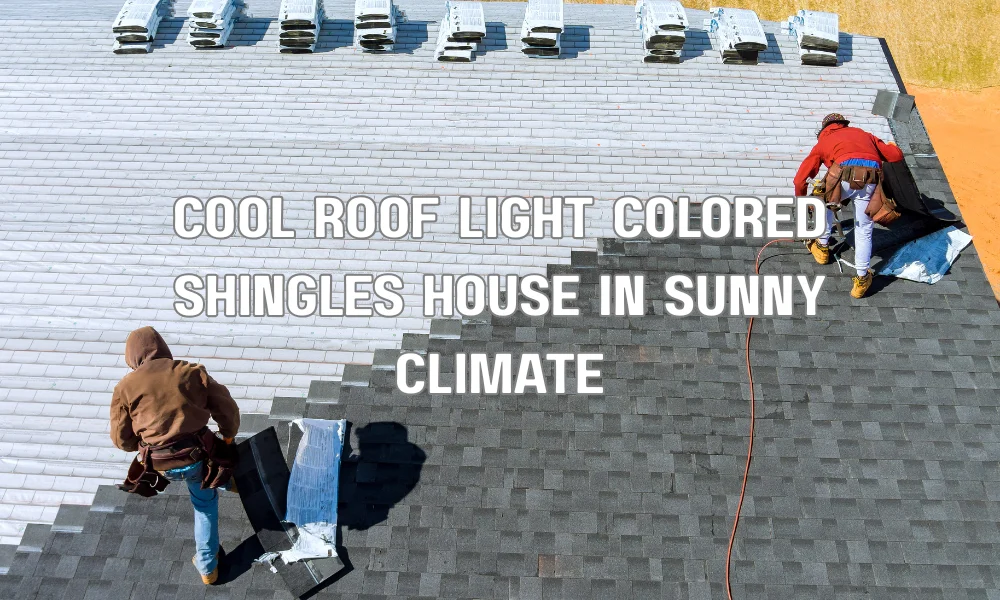
Light-colored shingles significantly enhance energy efficiency by reflecting a greater percentage of the sun’s radiant energy away from the home. This high solar reflectance reduces the amount of heat absorbed by the roof surface, leading to lower attic temperatures. Consequently, the air conditioning system works less strenuously to cool the interior, resulting in substantial energy savings and a more comfortable indoor environment, particularly during Florida’s prolonged hot seasons.
What are the thermal implications of dark-colored shingles?
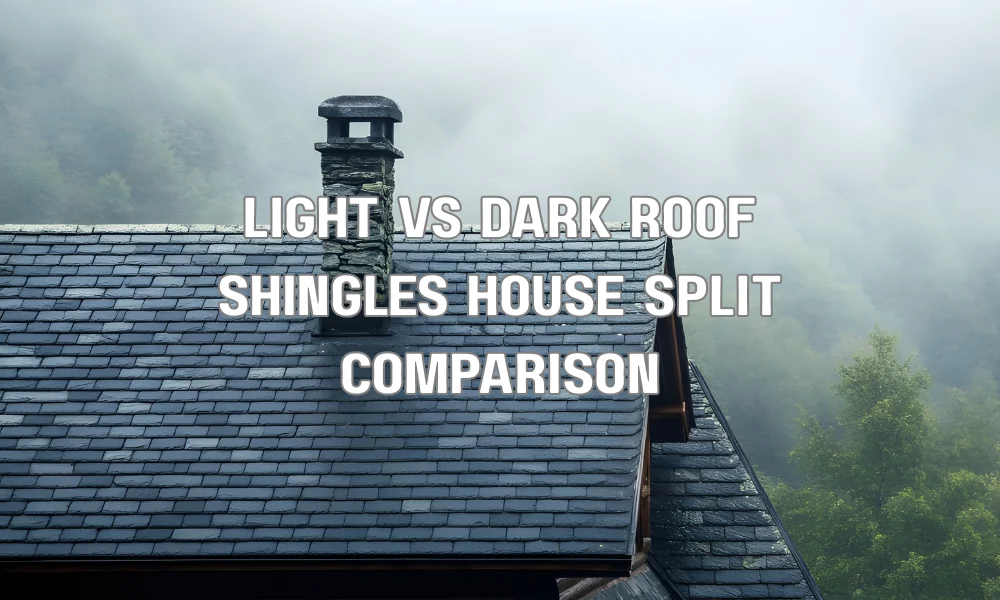
Dark-colored shingles, conversely, absorb a much higher proportion of solar radiation, converting sunlight into heat. This absorption can cause roof surface temperatures to soar, often reaching 150-180°F or even higher on a hot, sunny day. Elevated roof temperatures transfer excessive heat into the attic and living spaces, forcing air conditioning systems to run longer and harder, which directly translates to increased electricity bills and potentially reduced AC unit lifespan.
Aesthetic and Curb Appeal Considerations
How do shingle colors impact home value and visual harmony?
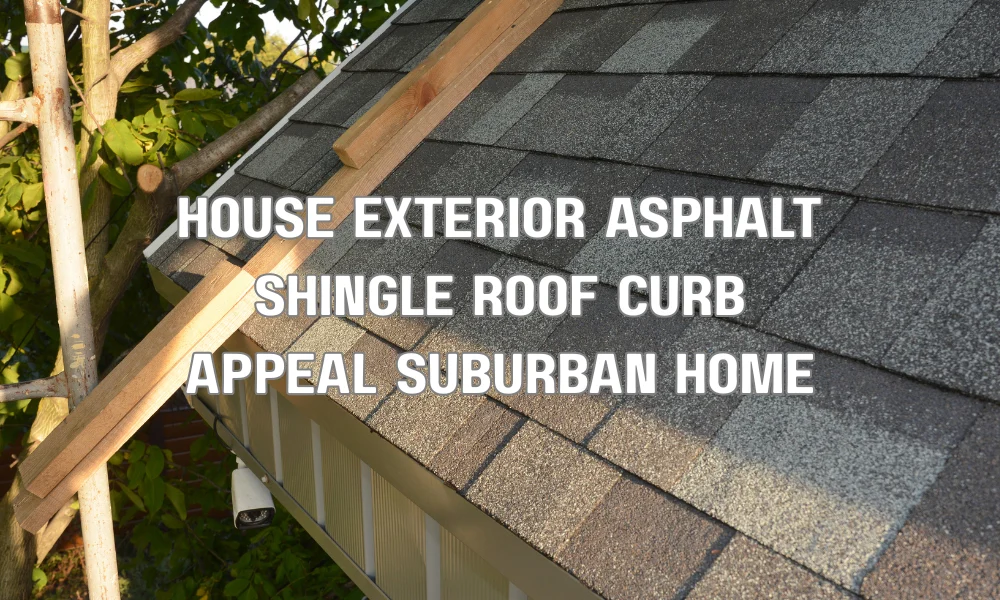
Shingle colors profoundly impact a home’s curb appeal and overall visual harmony, which can directly influence its market value. The roof is a dominant architectural feature, and its color should complement the home’s exterior palette, including siding, trim, and landscaping. A well-chosen shingle color integrates the roof seamlessly into the property’s design, enhancing its aesthetic appeal and making it more attractive to potential buyers. Conversely, a mismatched or poorly chosen color can detract from the home’s visual balance.
Are there design trends favoring specific shingle colors in Florida?
Yes, design trends in Florida often lean towards specific shingle colors that complement the prevalent architectural styles and regional aesthetic preferences. Coastal homes frequently feature lighter grays, blues, or whites to evoke a breezy, beachy feel, while Mediterranean-style homes often incorporate terra cotta or warm brown tones. Modern and contemporary homes might opt for sleek charcoal or even white roofs. Beyond style, the growing awareness of energy efficiency has also made “cool roof” options, often lighter hues, increasingly fashionable as homeowners seek both beauty and performance.
Critical Fact 2: Studies by the Lawrence Berkeley National Laboratory show that cool roofs can lower roof surface temperatures by 30-60°F compared to traditional dark roofs, leading to up to 15% energy savings in warmer climates.
Durability, Maintenance, and Longevity Factors
Do light or dark shingles last longer in Florida’s climate?
The longevity of shingles in Florida’s climate is influenced by color, with dark shingles generally experiencing more rapid degradation due to intense heat absorption. Higher surface temperatures on dark roofs cause greater thermal expansion and contraction cycles, which can accelerate granule loss, cracking, and blistering. While light shingles mitigate heat stress, they can sometimes be more prone to showing algae and mildew growth, a common issue in Florida’s humid environment, which can impact their appearance and potentially their protective qualities if left untreated.
What are the maintenance differences for each shingle type?
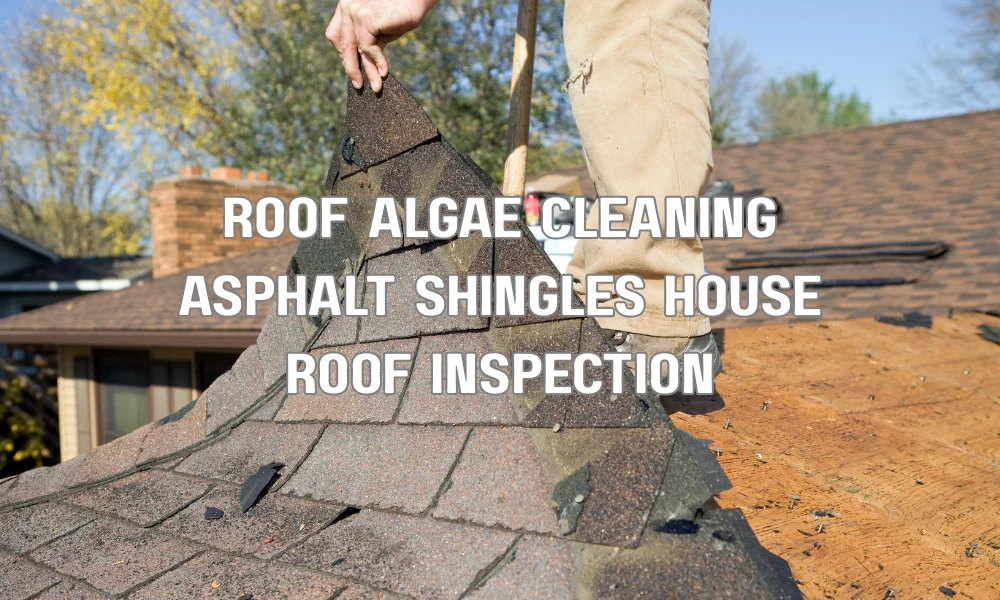
Maintenance for light and dark shingles in Florida presents distinct challenges. Light-colored shingles, while cooler, may more visibly show dirt, streaks, and the notorious black algae (Gloeocapsa magma) that thrives in humid conditions. This often necessitates periodic, gentle cleaning to maintain their aesthetic and reflective properties. Darker shingles, while potentially masking some dirt, are more susceptible to heat-induced damage. Maintaining proper attic ventilation is critical for both types but especially for dark roofs to mitigate heat buildup and extend lifespan. Regular inspections for granule loss or cracking are also vital for darker roofs.
| Characteristic | Light-Colored Shingles | Dark-Colored Shingles |
|---|---|---|
| Solar Reflectance Index (SRI) | High (typically 0.60 – 0.90) | Low (typically 0.05 – 0.30) |
| Average Surface Temperature (Sunny Day) | 100-130°F | 150-180°F+ |
| Energy Savings Potential (Cooling) | Significant (10-20%) | Minimal to Negative |
| Thermal Stress on Material | Lower | Higher (increased expansion/contraction) |
| Algae/Dirt Visibility | More visible | Less visible initially |
| Impact on Indoor Comfort | Higher | Lower |
Cost and Regulatory Landscape
How do material and installation costs compare for light vs. dark shingles?
Material and installation costs for light versus dark shingles are often quite similar at the initial purchase point, as the primary cost drivers are shingle type (e.g., asphalt, metal, tile), quality, and labor. However, some “cool roof” rated light-colored shingles, which utilize advanced reflective coatings, might carry a slightly higher premium per square foot. Despite this, any marginal upfront cost difference is frequently offset by the significant long-term energy savings realized from reduced air conditioning usage, especially in Florida’s climate.
Are there local building codes or incentives for specific roof colors?
Yes, some local building codes and municipal regulations in Florida, particularly in warmer regions, are increasingly encouraging or even mandating “cool roof” technologies, which often translates to lighter-colored shingles. These codes aim to reduce urban heat island effects and decrease energy consumption. Additionally, some utilities or state programs may offer incentives, rebates, or tax credits for installing energy-efficient roofing materials, including specific light-colored or reflective shingles that meet certain Solar Reflectance Index (SRI) ratings. Always check with your local building department and utility providers for current requirements and available programs.
Critical Fact 3: The “urban heat island effect” can make cities several degrees hotter than surrounding rural areas, a phenomenon exacerbated by dark roofs and mitigated by widespread adoption of cool, light-colored roofing.
Frequently Asked Questions
Does shingle color affect my home insurance rates in Florida?
Generally, shingle color itself does not directly impact home insurance rates. Insurers are more concerned with the roof’s age, material, wind resistance, and overall condition. However, a highly reflective, energy-efficient roof might indirectly contribute to a more resilient home, which could be viewed favorably in some assessment criteria over time.
Can dark shingles void my roof warranty in Florida?
No, choosing dark shingles typically will not void a standard manufacturer’s warranty. However, extended exposure to extreme heat, which dark shingles exacerbate, can contribute to premature aging and wear. Some manufacturers may offer enhanced warranties for specific “cool roof” products, but dark shingles themselves are not usually excluded.
How do light shingles handle dirt and mildew in Florida’s humidity?
Light shingles can show dirt, pollen, and particularly black algae (Gloeocapsa magma) more prominently due to the high contrast. While aesthetically challenging, this growth doesn’t immediately compromise roof integrity. Regular, professional, low-pressure cleaning can safely remove mildew and restore the roof’s appearance and reflective properties.
Are there reflective dark shingles available?
Yes, advancements in roofing technology have introduced “cool dark” shingles that incorporate special granules to reflect infrared (heat-producing) sunlight while maintaining a darker visual appearance. These products offer a compromise, combining the desired aesthetic of dark shingles with improved thermal performance.
What is the Solar Reflectance Index (SRI) and why is it important?
The Solar Reflectance Index (SRI) is a measure of a surface’s ability to reject solar heat, ranging from 0 (standard black) to 100 (standard white). A higher SRI value indicates a cooler roof. It’s crucial in Florida for identifying truly energy-efficient roofing materials that comply with cool roof standards.
Do “cool roofs” help during Florida’s cooler months?
While Florida’s cooler months are brief, cool roofs can marginally reduce passive solar heating during those times. However, the energy savings from reduced cooling demand during the long, hot seasons far outweigh any minimal increase in heating costs, making cool roofs a net benefit for Florida homeowners.
Should I consider my attic ventilation when choosing shingle color?
Absolutely. Proper attic ventilation is critical, especially in Florida, regardless of shingle color. Excellent ventilation helps dissipate heat buildup in the attic, protecting the roof structure and enhancing overall energy efficiency. It’s even more vital for homes with dark shingles to mitigate heat absorption.
What’s the typical return on investment for choosing light-colored shingles?
The return on investment for light-colored, energy-efficient shingles primarily comes from reduced monthly electricity bills, potentially saving 10-20% on cooling costs. Combined with potential incentives and increased roof longevity due to less thermal stress, the ROI can be significant over the lifespan of the roof.
