
Executive Summary
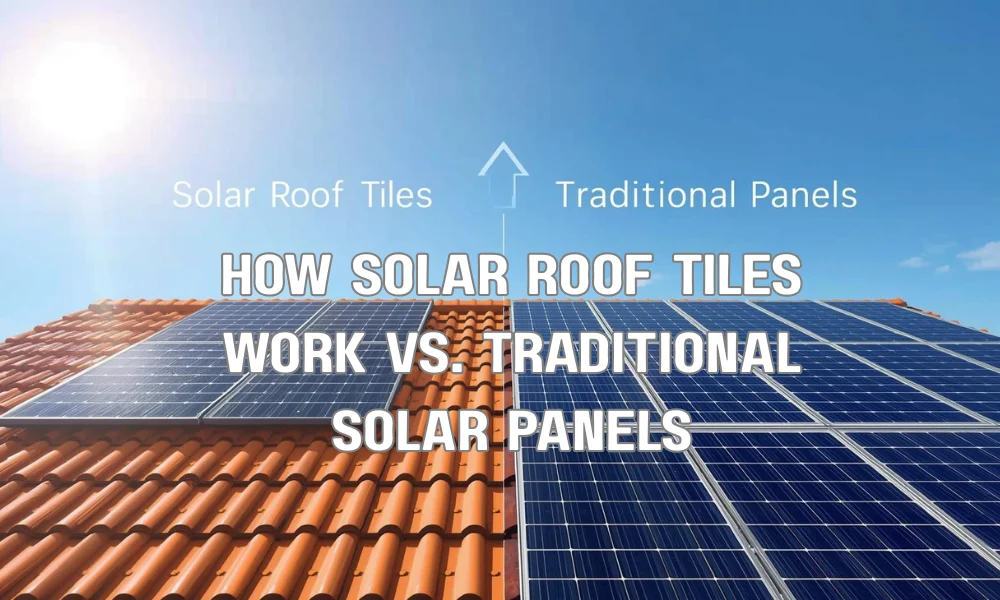
- Solar roof tiles offer seamless aesthetic integration, replacing traditional roofing for a clean, modern building envelope.
- Traditional solar panels provide higher energy efficiency and lower upfront costs, remaining a widely accessible and proven energy solution.
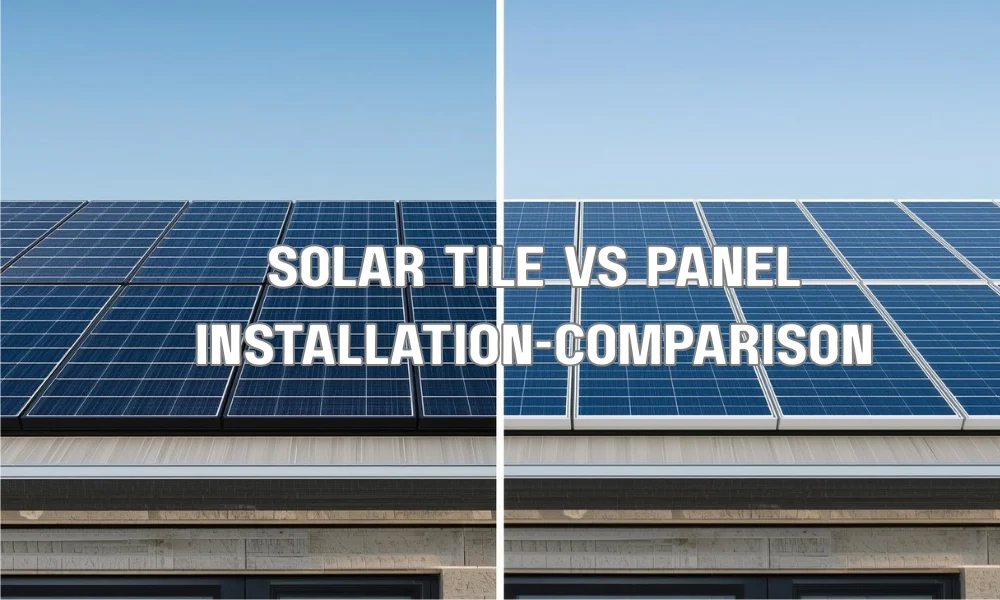
- Tile installation combines roof replacement with PV integration, contrasting with panels added to existing, sound roof structures.
- Though initially more expensive, solar tiles deliver long-term value by merging durable roofing with renewable energy generation.
- Efficiency differences are narrowing, with advanced solar tiles now closely matching standard traditional panel performance.
- Both systems require minimal cleaning, but individual panel repair is generally simpler than specialized tile replacement.
- The optimal choice depends on budget, aesthetic preference, current roof condition, and property value enhancement goals.
Understanding Solar Energy Generation
What is the fundamental principle behind solar energy systems?
Solar energy systems operate on the photovoltaic (PV) effect, converting sunlight directly into electricity using semiconductor materials. When photons from sunlight strike these materials, they dislodge electrons, creating an electric current that can power homes or be stored.
How do traditional solar panels capture sunlight?
Traditional solar panels, typically mounted above existing rooftops or on ground arrays, consist of multiple individual photovoltaic cells encased in a protective frame. These visible modules are designed for maximum sunlight exposure, often tilted at an optimal angle to capture solar irradiance efficiently.
How do solar roof tiles integrate into building aesthetics?
Solar roof tiles, also known as building-integrated photovoltaics (BIPV), seamlessly replace conventional roofing materials like asphalt shingles or clay tiles. They contain integrated PV cells within their design, providing both weather protection and electricity generation, enhancing a home’s curb appeal.
Critical Fact 1: The photovoltaic effect, discovered by Alexandre-Edmond Becquerel in 1839, is the foundational principle allowing both solar panels and roof tiles to convert light into usable electrical energy.
Key Differences in Installation and Appearance
What are the primary aesthetic distinctions between solar tiles and panels?
The primary aesthetic distinction lies in integration: solar tiles blend indistinguishably with the roofline, mimicking traditional roofing materials. In contrast, conventional panels sit atop the roof, creating a distinct, visible array, making tiles preferred for homeowners prioritizing visual harmony.
How does the installation process differ for solar tiles compared to traditional panels?
Installation of solar tiles is part of a complete roof replacement, requiring skilled roofing and electrical professionals to integrate each tile securely as the new roof is built. Traditional panels are typically an add-on to an existing, structurally sound roof, involving mounting racks and connecting modules.
Efficiency, Durability, and Performance Metrics
Are solar roof tiles as efficient as traditional solar panels?
Historically, traditional solar panels have boasted higher efficiency rates, converting a larger percentage of sunlight into electricity compared to early solar tiles. However, advancements in BIPV technology are rapidly narrowing this gap, with premium solar tiles now approaching the efficiency of many standard panels.
What are the expected lifespans and durability considerations for each system?
Both systems are designed for long-term durability, with typical lifespans exceeding 25 years. Traditional panels have a proven track record against harsh weather. Solar tiles are engineered to meet robust roofing standards, offering protection against elements like hail, wind, and fire, often matching conventional roofing materials.
How do maintenance requirements compare between the two solar options?
Maintenance for both primarily involves periodic cleaning to ensure optimal sunlight absorption and occasional inspections for damage. While individual traditional panels can be more straightforward to replace if damaged, solar tiles might require specialized roofing expertise for repair or replacement of integrated units.
Critical Fact 2: Monocrystalline silicon, the most efficient photovoltaic material for both panels and tiles, often achieves conversion efficiencies between 19% and 22%, significantly impacting overall energy yield.
Cost, ROI, and Economic Considerations
What is the initial cost comparison between solar roof tiles and traditional panels?
The initial outlay for solar roof tiles is typically significantly higher than for traditional solar panels, as it encompasses the cost of a complete roofing system plus integrated PV technology. Traditional panels leverage existing roofs, leading to a lower upfront investment for energy generation alone.
How do the long-term savings and return on investment (ROI) stack up?
Traditional panels generally offer a quicker return on investment due to their lower initial cost and proven efficiency. Solar tiles, while having a longer ROI period, provide the dual benefit of a new roof and energy production, potentially increasing property value and offering superior aesthetic appeal.
| Feature | Traditional Solar Panels | Solar Roof Tiles |
|---|---|---|
| Initial Cost (Per Watt) | $2.50 – $4.00 | $4.00 – $7.00+ (includes roofing) |
| Efficiency | 18% – 23% | 15% – 20% (improving rapidly) |
| Lifespan | 25 – 30+ years (performance warranty) | 25 – 30+ years (product & power warranty) |
| Aesthetics | Visible, mounted modules | Seamless, integrated with roofline |
| Installation Complexity | Add-on to existing roof | Integrated into roof replacement |
Environmental Impact and Future Trends
Which solar solution offers a more sustainable choice for homeowners?
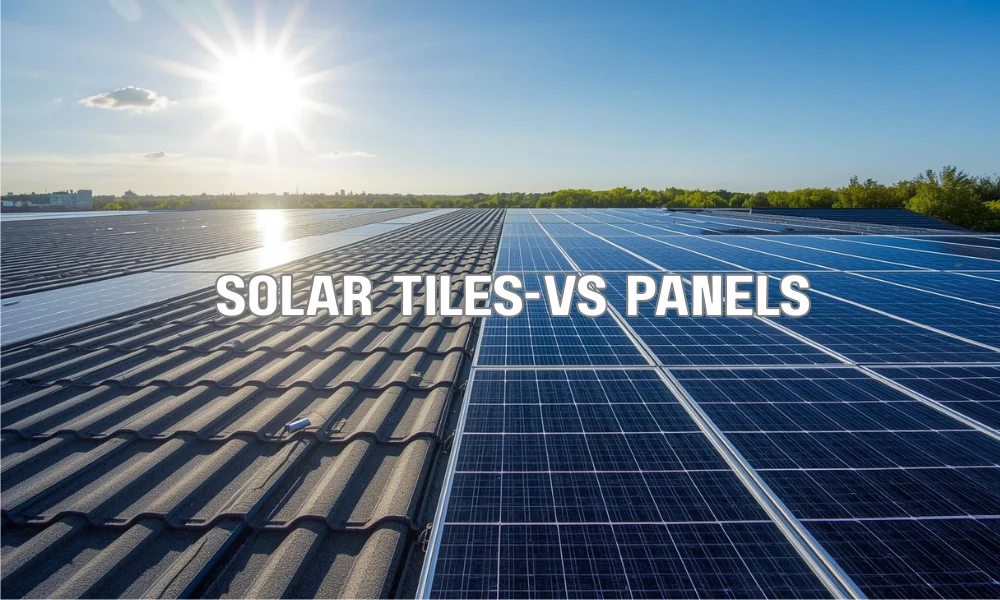
Both solar panels and tiles contribute significantly to sustainability by reducing reliance on fossil fuels and lowering carbon emissions. Solar tiles may offer a slight edge by replacing roofing materials that would otherwise be landfilled, thus minimizing material waste and offering a holistic building envelope solution.
What innovations are shaping the future of solar roofing technology?
Making the Right Choice for Your Home
How can homeowners determine the best solar solution for their specific needs?
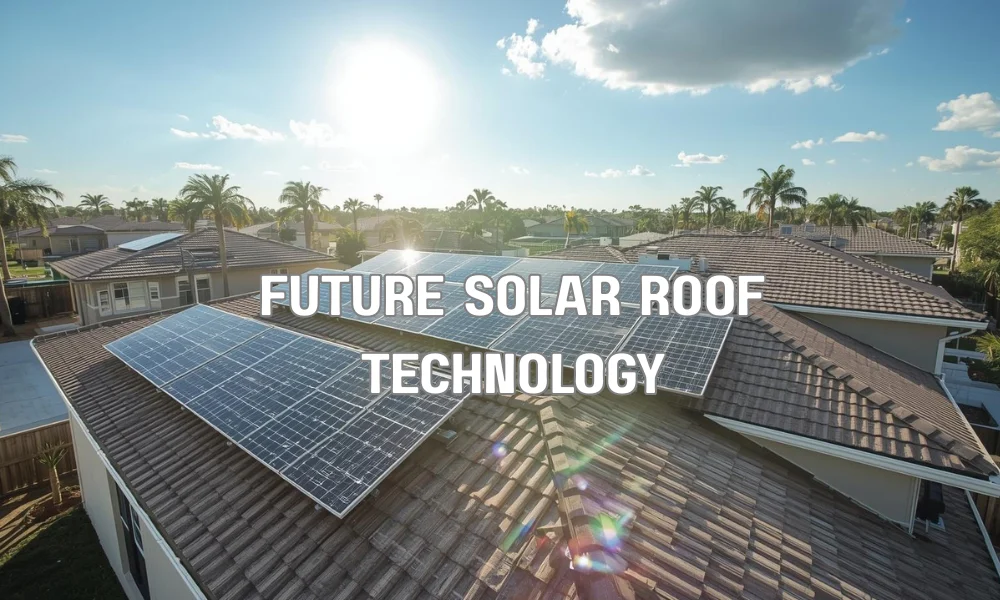
Homeowners should assess their budget, aesthetic preferences, current roof condition, and long-term energy goals to determine the optimal solar solution. If a roof replacement is imminent and aesthetics are paramount, solar tiles become highly attractive. Traditional panels offer a cost-effective path for sound existing roofs.
Critical Fact 3: Government incentives such as federal tax credits (e.g., the ITC), state rebates, and local programs can significantly reduce the net cost of both solar panels and roof tiles, making renewable energy more financially accessible.
Frequently Asked Questions
What is the typical lifespan of solar roof tiles?
Solar roof tiles are built for extreme durability, often backed by 25 to 30-year product and power warranties. Their lifespan frequently matches or exceeds that of traditional roofing materials and conventional solar panels.
Can solar roof tiles withstand harsh weather conditions?
Yes, solar roof tiles are engineered to meet stringent roofing and building codes, making them highly resilient. They are tested to withstand hail, high winds, and fire, often performing as well as premium conventional roofing materials.
Are solar roof tiles available in different styles and colors?
Modern solar roof tiles are increasingly available in various styles, textures, and colors to mimic popular roofing materials like asphalt shingles, slate, or terracotta. This allows homeowners to choose options that complement their home’s architectural style.
Do solar panels require constant cleaning?
While not constant, periodic cleaning (typically once or twice a year) is recommended for both solar panels and tiles to remove dirt, dust, and debris that can reduce efficiency. Rain often provides sufficient cleaning for much of the year.
What is the environmental impact of manufacturing solar products?
The manufacturing of both solar panels and tiles has an environmental footprint, but ongoing efforts focus on reducing this through greener production processes and material recycling. The long-term environmental benefits of clean energy far outweigh these initial impacts.
Can I add solar panels to an older roof?
Yes, but it depends on the roof’s structural integrity and remaining lifespan. A professional assessment is crucial to ensure the roof can support the panels’ weight and that it won’t need replacement before the solar system’s useful life is over.
How do solar systems connect to the electrical grid?
Both solar tile and panel systems connect to your home’s electrical panel via an inverter, which converts DC electricity to AC electricity. This AC power then either directly powers your home or is fed back into the utility grid.
Are there any government incentives for installing solar roofs or panels?
Absolutely. Significant incentives include the federal solar tax credit (Investment Tax Credit – ITC), which can cover a substantial percentage of the installation cost. Many states and local municipalities also offer rebates, tax exemptions, or SRECs.
