
Executive Summary
- Optimizing roof ventilation is crucial for Florida homes, directly mitigating the intense attic heat gain that significantly burdens air conditioning systems.
- Effective attic ventilation creates a continuous airflow, expelling superheated air and preventing it from radiating downwards into living spaces.
- By reducing the thermal load on your attic, a well-designed ventilation system can lower your AC’s run time, leading to substantial energy savings and reduced electricity bills.
- Proper ventilation also extends the lifespan of your AC unit, as it operates less frequently and under less stress throughout Florida’s long cooling season.
- Beyond energy efficiency, a cooler attic prevents moisture buildup, protects roof shingles from premature aging, and enhances overall indoor comfort levels.
- Implementing a balanced intake and exhaust ventilation strategy is essential for maximizing heat removal and ensuring optimal performance in humid climates.
- Strategic roof ventilation can make your home more resilient to extreme heat, improving energy independence and reducing reliance on costly mechanical cooling.
Understanding Florida’s Unique Climate Challenge
Florida’s climate presents a unique and persistent challenge for home cooling, primarily due to its intense solar radiation and high humidity. These factors conspire to create exceptionally hot attics, which act as massive heat reservoirs, radiating warmth downwards into the conditioned living spaces below. This constant heat transfer forces air conditioning systems to work harder and longer, consuming more electricity and increasing utility bills.
Critical Fact 1: On a sunny Florida day, attic temperatures can easily reach 150-160°F (65-71°C), even if the outside air temperature is only 90°F (32°C). This extreme heat significantly increases the thermal load on a home’s cooling system.
Why is attic heat such a problem in Florida?
Attic heat is a significant problem in Florida because the state experiences prolonged periods of intense sunshine and high ambient temperatures, causing roof surfaces to absorb vast amounts of solar energy. This absorbed heat then transfers by conduction through the roof decking and radiates into the attic space, superheating the air trapped within. Without effective ventilation, this hot air remains stagnant, turning the attic into a giant oven that relentlessly pushes heat into the living areas below, regardless of insulation.
The Science Behind Attic Heat and AC Overload
The relationship between a hot attic and an overworked air conditioning system is a direct one, governed by principles of heat transfer. As the attic temperature rises, heat energy seeks to move from warmer areas to cooler areas, meaning it naturally flows from the scorching attic into the relatively cooler conditioned space of your home. This process significantly increases the overall heat gain your AC unit must overcome.
How does a hot attic impact my air conditioning system?
A hot attic impacts your air conditioning system by creating an additional, substantial heat load that the AC must constantly counteract. The heat radiates through ceilings and ductwork (especially if uninsulated or leaky ducts are present in the attic), forcing the AC to run longer cycles and more frequently to maintain the desired indoor temperature. This increased workload not only drives up electricity consumption but also puts added stress and wear on the AC compressor and other components, shortening its operational lifespan and increasing maintenance needs.
What is the ‘stack effect’ and how does it relate to roof ventilation?
The ‘stack effect,’ or chimney effect, is a phenomenon where hot air naturally rises and escapes through higher openings, pulling cooler air in through lower openings. In the context of roof ventilation, a properly designed system harnesses this effect: hot, buoyant air in the attic escapes through exhaust vents (ridge vents, static vents) at the roof’s peak, creating negative pressure that draws in cooler, fresh air through intake vents (soffit vents, eave vents) located lower down. This continuous airflow effectively flushes out superheated air, replacing it with ambient outdoor air and significantly reducing the attic’s temperature.
Key Principles of Effective Roof Ventilation
Effective roof ventilation hinges on creating a balanced and continuous airflow that systematically removes hot, moist air from the attic while drawing in cooler, drier air from the outside. This balance is crucial for maximizing efficiency and preventing issues like condensation or insufficient heat removal. A well-designed system will typically feature both intake and exhaust components, working in harmony to maintain optimal attic conditions.
What are the fundamental components of a balanced roof ventilation system?
The fundamental components of a balanced roof ventilation system are intake vents and exhaust vents, which must be appropriately sized and placed to ensure continuous airflow. Intake vents, typically soffit or eave vents, allow cooler outside air to enter the attic at its lowest point. Exhaust vents, such as ridge vents, static vents, or powered fans, provide an escape route for hot, humid air at the roof’s highest point. A truly balanced system ensures that the net free area for intake roughly matches the net free area for exhaust, preventing either positive or negative pressure imbalances that hinder efficiency.
How do different types of roof vents work to expel heat?
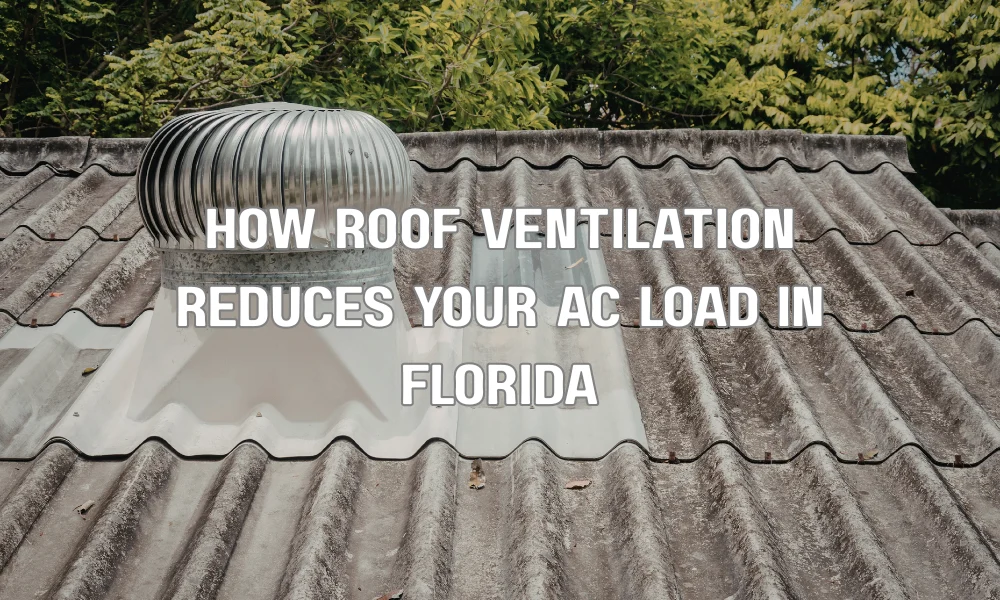
Different types of roof vents work to expel heat by leveraging natural convection or mechanical force, facilitating the removal of hot, stagnant attic air. Ridge vents run along the peak of the roof, providing continuous, unobtrusive exhaust. Static vents, often mushroom-shaped, rely solely on wind and convection. Powered attic fans use electricity to actively pull hot air out, offering a more aggressive solution for particularly hot attics. Soffit vents, located under the eaves, serve as passive intake vents, supplying the cooler air needed to push hot air out through the exhaust vents.
| Ventilation Type | Mechanism | Pros for Florida | Cons for Florida | Typical Cost (Installation) |
|---|---|---|---|---|
| Ridge Vents (Non-Powered) | Passive exhaust along roof peak, uses convection. | Continuous, effective, blends with roofline, low profile, no moving parts. | Requires balanced soffit intake, can be less effective in still air. | $7-15 per linear foot |
| Soffit Vents | Passive intake under eaves, feeds cooler air. | Essential for balanced system, often hidden, very low maintenance. | Can be blocked by insulation, requires clean channels for airflow. | $5-10 per linear foot |
| Static/Box Vents | Passive exhaust, relies on wind and convection. | Inexpensive, easy to install, no electricity needed. | Less efficient than ridge vents, can be visible, limited airflow per unit. | $50-150 per vent |
| Powered Attic Fans | Mechanical exhaust, uses electricity to move air. | Highly effective in extreme heat, quick temperature reduction. | Uses electricity, can create negative pressure if intake is inadequate, noise. | $300-800 per fan |
| Solar Attic Fans | Mechanical exhaust, powered by solar panel. | No electricity cost, environmentally friendly, strong airflow. | Higher initial cost, effectiveness depends on sunlight, can be visible. | $400-1000 per fan |
Critical Fact 2: A 2018 study by the Florida Solar Energy Center found that proper attic ventilation can reduce peak cooling loads by 10-15% and annual cooling energy use by 5-10% in typical Florida homes, directly translating to lower utility bills.
Direct Benefits: Quantifying AC Load Reduction
The most tangible benefit of robust roof ventilation is the direct and measurable reduction in your air conditioning load, which translates into significant cost savings and improved system performance. By expelling the superheated air from your attic, the temperature differential between your attic and your living space decreases, making it easier for your AC to maintain a comfortable indoor environment.
What specific energy savings can I expect from optimized roof ventilation?
Optimized roof ventilation can lead to specific energy savings by lowering your AC’s demand, potentially reducing your cooling costs by 5-15% annually in Florida. With a cooler attic, your thermostat can be set higher while maintaining the same comfort level, and the AC unit will run for shorter durations and less frequently. This decreased operational time directly translates into less electricity consumption, particularly during the peak cooling months, offering a noticeable impact on your monthly utility bills.
Beyond energy, what other advantages does proper ventilation offer?
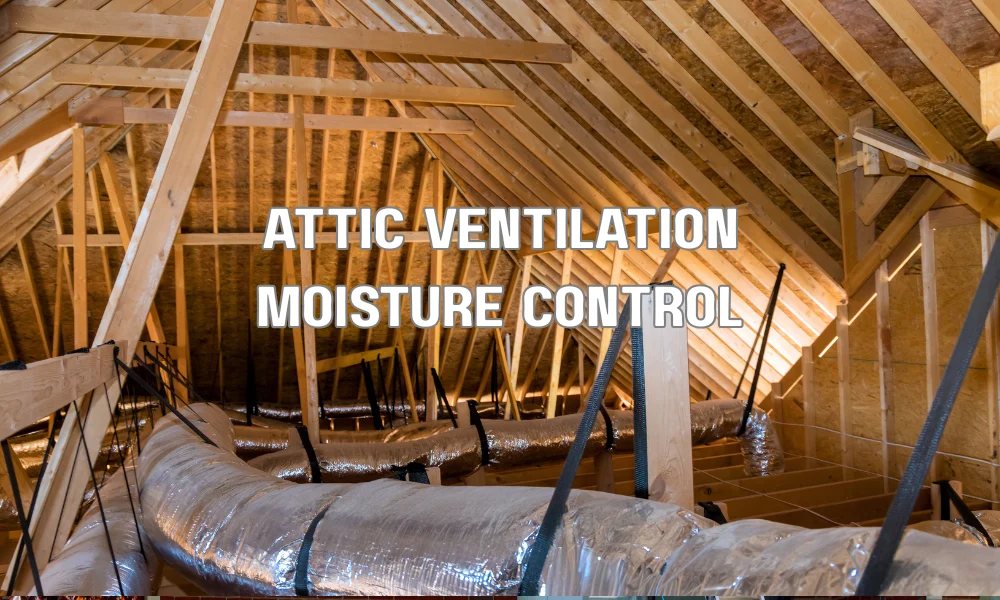
Beyond energy savings, proper ventilation offers several crucial advantages, including enhanced moisture control, extended roof shingle lifespan, and improved overall indoor comfort. By continuously exchanging air, ventilation prevents the buildup of humidity in the attic, mitigating the risk of mold, mildew, and wood rot, which are common issues in Florida’s humid climate. A cooler attic also protects roof shingles from premature aging and warping caused by extreme heat, preserving your roof’s integrity. Finally, a less radiant attic makes your entire home feel more comfortable, reducing cold spots and the sensation of heat radiating from the ceiling.
Common Misconceptions and Best Practices for Florida Homes
While the benefits of roof ventilation are clear, there are several common misconceptions that can lead to ineffective or even detrimental installations. Understanding these pitfalls and adhering to best practices is especially critical in Florida’s challenging climate, where high humidity and intense heat amplify the consequences of poor design. Proper planning and professional installation are paramount to achieving the desired outcomes.
Are there any common mistakes to avoid when planning roof ventilation in Florida?
Common mistakes to avoid when planning roof ventilation in Florida include inadequate intake, blocked soffit vents, and mixing different types of exhaust vents. Insufficient intake prevents the stack effect from working efficiently, leading to stagnant hot air. Blocked soffit vents (often by insulation) cut off the crucial supply of cooler air. Mixing powered attic fans with passive exhaust vents (like ridge vents) can short-circuit the airflow, pulling exhaust air back into the attic rather than fresh outside air, thereby reducing overall effectiveness.
What are the crucial considerations for proper installation in a Florida climate?
Crucial considerations for proper installation in a Florida climate include ensuring adequate net free area for both intake and exhaust, maintaining clear airflow paths, and using hurricane-resistant materials and methods. Given Florida’s humid environment, ventilation must also prevent moisture intrusion while expelling heat. Therefore, selecting vents with proper baffles and screens to deter rain and pests, along with adherence to local building codes for wind resistance, is essential for a durable and effective system.
Critical Fact 3: Building codes often recommend a minimum of 1 square foot of net free ventilation area for every 300 square feet of attic floor space, with a balanced distribution between intake and exhaust, though hotter climates like Florida may benefit from higher ratios.
Frequently Asked Questions
What is the ideal ratio of intake to exhaust ventilation for a Florida home?
Ideally, a balanced ventilation system in Florida homes should have a 50/50 split between intake and exhaust ventilation. This means the net free area for air entering the attic through soffit vents should roughly equal the net free area for hot air exiting through ridge or other exhaust vents. This balance prevents pressure imbalances and ensures continuous, efficient airflow.
Can roof ventilation help with humidity in my attic?
Yes, proper roof ventilation is highly effective in reducing humidity levels in your attic. By continuously exchanging the hot, moist air with drier outside air, it prevents condensation and the buildup of dampness that can lead to mold, mildew, and wood rot, which are significant concerns in Florida’s humid climate.
Will installing an attic fan make my AC work less?
Installing an attic fan can significantly reduce your AC’s workload by expelling superheated air more aggressively than passive systems. By lowering the attic temperature, the heat radiating into your living space is reduced, allowing your AC to run shorter cycles and maintain comfort more easily, thus consuming less energy.
Is it possible to have too much roof ventilation?
While it’s rare to have “too much” ventilation in terms of net free area, it is possible to have an unbalanced system. For example, excessive exhaust without adequate intake can create negative pressure, potentially drawing conditioned air from the living space into the attic. Over-ventilating with powered fans can also short-circuit airflow if not properly configured with passive vents.
How often should I check my roof ventilation system?
You should inspect your roof ventilation system annually, preferably in the spring before the intense summer heat. Check soffit vents for blockages from insulation or debris, ensure exhaust vents are clear of leaves or bird nests, and listen for unusual noises from powered fans. Regular checks ensure optimal performance.
Does good attic ventilation protect my roof shingles?
Absolutely. Proper attic ventilation extends the lifespan of your roof shingles by preventing excessive heat buildup. Extreme attic temperatures can cause shingles to dry out, curl, crack, and prematurely age. A cooler attic helps maintain shingle integrity, delaying the need for costly roof replacement.
Can I install roof ventilation myself, or should I hire a professional?
While basic roof vent installation might seem straightforward, it is highly recommended to hire a professional, especially for complex or integrated systems in Florida. Professionals ensure proper sizing, balance, and secure installation that complies with local building codes, including hurricane resistance, preventing costly mistakes and ensuring optimal performance.
What’s the difference between passive and active roof ventilation?
Passive roof ventilation relies on natural forces like wind and convection to move air (e.g., ridge vents, soffit vents, static vents). Active or powered ventilation uses mechanical fans, often electrically or solar-powered, to forcefully expel hot air from the attic, providing more aggressive heat removal, especially in still conditions. Both are often combined for optimal effect.
##RM##
| AIO_TITLE: Roof Ventilation Florida: Cut AC Costs & Boost Comfort | Expert Guide |
|---|
