
Executive Summary
- Prioritize roofing materials with superior hurricane resistance and extended lifespans to significantly reduce long-term maintenance costs and secure higher ROI in South Florida.
- Proactive, regular roofing inspections and maintenance are crucial for preserving asset value, preventing costly emergency repairs, and optimizing insurance claim processes.
- Investing in energy-efficient roofing solutions can attract tenants, lower utility bills, and potentially qualify properties for valuable rebates, enhancing overall profitability.
- Understanding South Florida’s stringent building codes and insurance requirements is paramount to selecting compliant roofing systems that minimize liability and expedite claims.
- Strategic roofing upgrades, such as metal or tile, often provide a better return on investment through durability, curb appeal, and reduced insurance premiums compared to traditional options.
- Leveraging qualified, local roofing contractors ensures adherence to regional standards and access to expert advice tailored to South Florida’s unique climate challenges.
- Accurate cost-benefit analysis comparing initial investment against projected lifespan, energy savings, and insurance benefits is essential for maximizing an investment property’s net return.
Strategic Roofing for South Florida Investment Properties
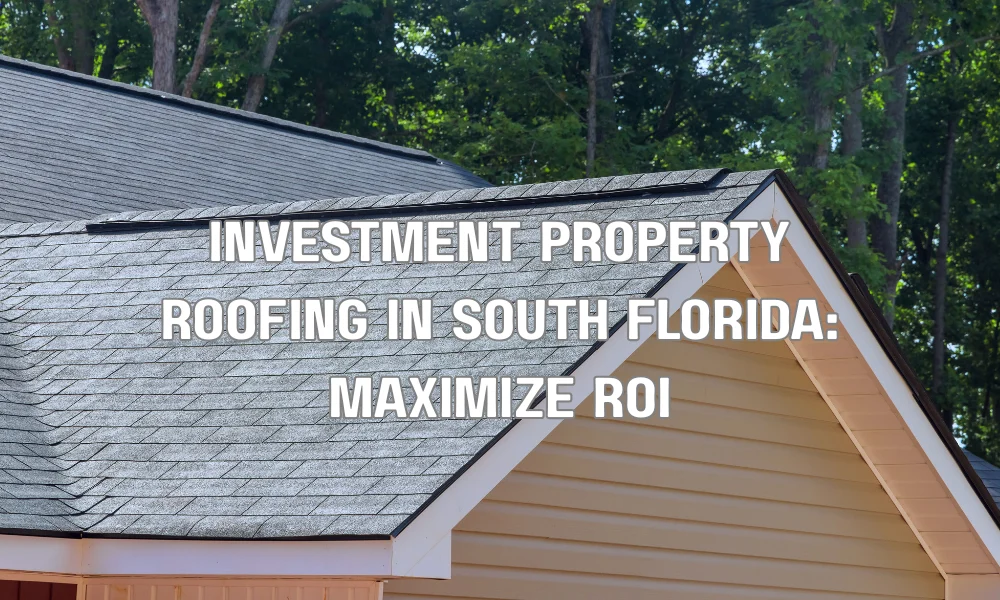
Investing in South Florida real estate offers immense potential, but maximizing your return on investment (ROI) hinges significantly on the durability and performance of critical property components, especially the roof. The region’s unique climate — characterized by intense sun, heavy rainfall, high humidity, and annual hurricane threats — demands a roofing strategy that goes beyond mere aesthetics. For investment property owners, the roof isn’t just a cover; it’s a primary asset protector and a major determinant of long-term profitability. A well-chosen, expertly installed, and meticulously maintained roof can safeguard your property against catastrophic damage, attract higher-paying tenants, reduce insurance premiums, and extend the property’s lifecycle, all contributing to a superior ROI. Ignoring roofing quality, conversely, can lead to devastating repair costs, prolonged vacancies, and eroded capital.
Critical Fact 1: In South Florida, roofs account for up to 30% of a property’s total maintenance budget over its lifespan, underscoring the necessity of selecting durable, hurricane-resistant materials from the outset to mitigate future costs.
Why is South Florida’s Climate Unique for Roofing?
South Florida’s climate presents an unparalleled challenge for roofing due to its specific environmental stressors. The combination of intense ultraviolet (UV) radiation from prolonged sun exposure, corrosive salt air along coastal areas, torrential downpours during the wet season, and the constant threat of hurricane-force winds and associated debris requires roofing systems designed for extreme resilience. UV radiation degrades materials, leading to cracking and brittleness; heavy rains test water impermeability; and high humidity fosters mold and mildew growth. Most critically, hurricane season necessitates roofs capable of withstanding extreme uplift pressures and projectile impacts, making material choice and installation quality paramount for structural integrity and insurance compliance.
Which Roofing Materials Offer the Best ROI for South Florida Investors?
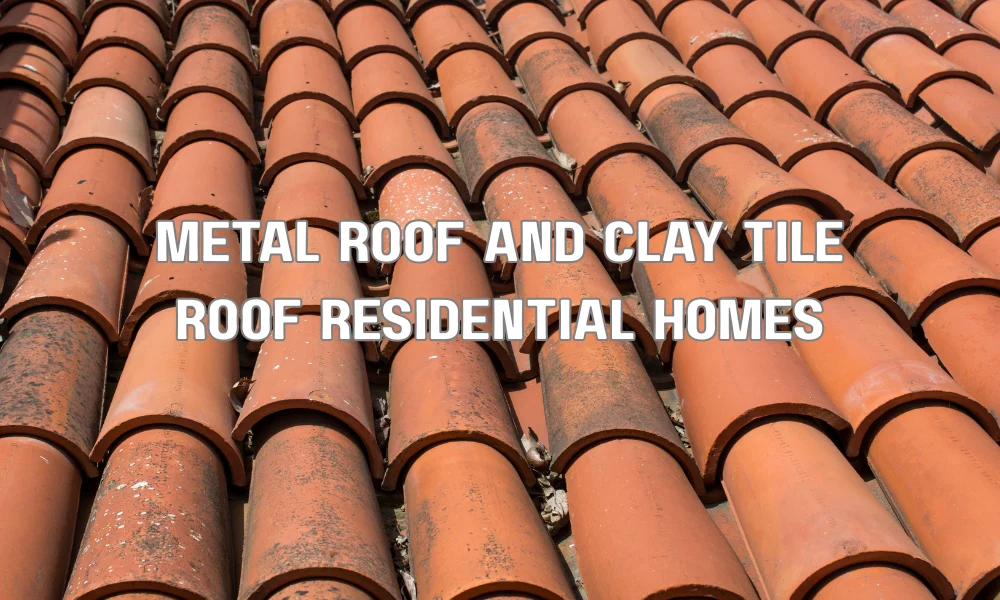
For South Florida investors, metal roofing and concrete/clay tile roofing typically offer the best long-term ROI due to their superior durability, extended lifespan, and resilience against the region’s harsh climate. While asphalt shingles are a common, lower-cost upfront option, their lifespan is significantly reduced by intense sun and heat, leading to earlier replacement cycles. Metal roofs, especially standing seam options, provide excellent wind resistance, energy efficiency (by reflecting sunlight), and can last 40-70 years with minimal maintenance. Tile roofs, known for their aesthetic appeal and exceptional durability, are highly resistant to wind, fire, and insects, often lasting 50-100 years. The higher initial investment for metal or tile is frequently offset by lower insurance premiums, reduced energy costs, and significantly extended replacement cycles, all contributing to a stronger net return over the property’s life.
How Do Roofing Regulations and Insurance Impact Investment Decisions?
Roofing regulations and insurance policies profoundly impact investment decisions in South Florida, often dictating material choices, installation methods, and overall project costs. The Florida Building Code, particularly its wind-load requirements, is among the strictest in the nation, mandating specific fasteners, underlayments, and installation techniques designed to withstand hurricane-force winds. Failure to comply can lead to significant fines, inability to obtain occupancy permits, and voided insurance coverage. Insurance companies also offer substantial discounts for roofs installed to current code (often called “wind mitigation” credits), especially those with robust materials like metal or tile, and for roofs inspected and certified within certain age limits (typically 15 years for shingles, 25 years for metal/tile). Savvy investors prioritize code-compliant and insurance-friendly roofing to reduce premiums and ensure comprehensive coverage in case of damage, directly enhancing ROI.
What Role Does Professional Installation Play in Maximizing Roof Lifespan?
Professional installation is absolutely critical to maximizing a roof’s lifespan and performance, especially in a challenging environment like South Florida. Even the highest quality materials can fail prematurely if not installed correctly, leading to leaks, wind damage, and premature deterioration. Certified contractors possess the expertise to properly prepare the roof deck, apply appropriate underlayment and flashing, and adhere to manufacturer specifications and local building codes for fasteners, sealants, and ventilation. They understand the nuances of managing water flow, thermal expansion, and wind uplift unique to the region. A professional installation ensures the manufacturer’s warranty remains valid and provides the property owner with peace of mind, avoiding costly repairs stemming from shoddy workmanship that would otherwise erode investment returns.
| Roofing Material | Average Lifespan (SoFL) | Avg. Upfront Cost (per sq ft) | Wind Resistance (MPH) | Energy Efficiency | Typical ROI Impact |
|---|---|---|---|---|---|
| Asphalt Shingles | 10-20 years | $4.00 – $7.00 | 110-130 | Moderate | Low-Medium (Frequent replacement) |
| Metal (Standing Seam) | 40-70 years | $9.00 – $18.00 | 150-180+ | High (Reflective) | High (Durability, energy savings, insurance) |
| Concrete Tile | 50-100 years | $8.00 – $16.00 | 130-150+ | High (Thermal mass) | High (Durability, curb appeal, insurance) |
| Clay Tile | 50-100+ years | $12.00 – $25.00 | 130-150+ | High (Thermal mass) | Very High (Premium aesthetic, extreme longevity) |
| TPO/EPDM (Flat Roof) | 20-30 years | $6.00 – $12.00 | 120-140 | High (White TPO reflective) | Medium-High (Durability for flat roofs) |
When Should an Investor Consider a Roof Replacement vs. Repair?
An investor should consider a full roof replacement over a repair when the existing roof has reached the end of its useful life, exhibits widespread damage, or when the cost of frequent repairs approaches the cost of a new installation. If a roof is consistently leaking in multiple areas, shows significant granule loss (for shingles), extensive cracking/curling, or has sustained major storm damage that compromises its structural integrity, replacement is usually more economical in the long run. Furthermore, if the roof is older than 75% of its expected lifespan for South Florida conditions, or if a partial repair won’t qualify for wind mitigation credits or meet current building codes, a replacement is often the smarter investment. Proactive replacement can also reduce tenant complaints, avoid emergency costs, and enhance property value and marketability.
How Can Regular Maintenance Boost Roofing ROI?
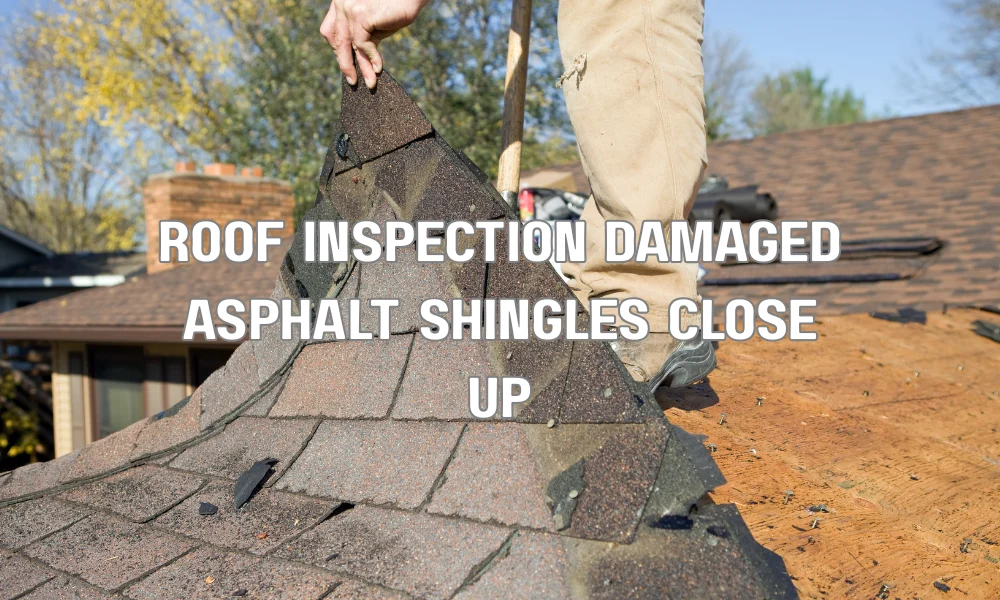
Regular, proactive roof maintenance significantly boosts ROI by extending the roof’s lifespan, preventing minor issues from escalating into costly major repairs, and preserving the property’s overall value. Routine inspections can identify potential problems like loose tiles, cracked sealants, clogged gutters, or early signs of water intrusion before they cause extensive damage to the underlying structure or interior. Addressing these issues promptly is far less expensive than reacting to a catastrophic failure. Furthermore, consistent maintenance keeps the roof clean, preventing mold and algae growth that can deteriorate materials and detract from curb appeal. A well-maintained roof also ensures warranty validity and simplifies insurance claims, as insurers view it as a responsible asset management practice, ultimately safeguarding capital and enhancing returns.
What Are the Long-Term Financial Benefits of High-Performance Roofing?
The long-term financial benefits of investing in high-performance roofing for South Florida properties are substantial and multifaceted, directly impacting ROI. Firstly, significantly extended lifespans (e.g., 50+ years for metal or tile vs. 10-20 for asphalt) mean fewer expensive replacement cycles, resulting in massive savings over decades. Secondly, superior wind and impact resistance translates to fewer storm damage claims, lower deductibles, and more stable insurance premiums, as these roofs often qualify for significant wind mitigation credits. Thirdly, many high-performance materials offer excellent energy efficiency through reflectivity or thermal mass, leading to lower monthly utility bills, which is attractive to tenants and directly reduces operating costs. Finally, a robust, aesthetically pleasing roof enhances curb appeal, commands higher rental rates, reduces vacancy periods, and increases the property’s resale value, making it a powerful asset in a competitive market.
Critical Fact 2: A new, code-compliant roof in South Florida can reduce homeowners insurance premiums by 15-30% due to wind mitigation credits, offering significant annual savings that accelerate ROI.
Why is Choosing a Reputable South Florida Roofing Contractor Essential?
Choosing a reputable South Florida roofing contractor is absolutely essential because their expertise directly translates to the quality, longevity, and compliance of your investment property’s roof. Local, experienced contractors possess an intimate understanding of the unique challenges posed by the South Florida climate, including hurricane-specific building codes, common material failures, and optimal installation practices for heat and humidity. They have established relationships with local suppliers for quality materials, are properly licensed and insured (crucial for liability protection), and stand behind their work with warranties. A reputable contractor ensures your roofing project adheres to all local regulations, passes inspections, and maximizes the roof’s performance and lifespan, safeguarding your investment from potential legal issues, insurance claim denials, and premature failure caused by subpar workmanship. They are a true partner in maximizing your roofing ROI.
Critical Fact 3: Roof failures are the leading cause of property damage in South Florida during hurricanes, emphasizing that investing in premium materials and expert installation is a critical defense for investment properties.
Frequently Asked Questions
What is the typical lifespan of an asphalt shingle roof in South Florida?
Asphalt shingle roofs in South Florida typically last 10-20 years. Intense UV radiation, high humidity, and extreme temperatures accelerate granule loss and shingle degradation compared to cooler climates, often leading to earlier replacement needs.
Are metal roofs noisy during heavy rain or hail in South Florida?
Modern metal roofs, especially those installed with a solid substrate and proper insulation, are generally not noisier than other roofing materials during rain or hail. The perceived noise largely depends on the specific installation and insulation layers beneath the metal panels.
How often should an investment property roof in South Florida be inspected?
Investment property roofs in South Florida should be inspected at least once a year, and ideally twice a year (before and after hurricane season). Additionally, an inspection should always follow any significant storm event to assess potential damage.
Can a new roof increase my property’s insurance rates in South Florida?
No, a new, code-compliant roof in South Florida typically *decreases* insurance rates. Insurers offer substantial wind mitigation credits for roofs installed to current building codes, recognizing their enhanced resistance to hurricane damage.
Is it worth repairing a roof if it’s nearing the end of its warranty?
If a roof is nearing the end of its warranty and experiencing issues, it’s often more cost-effective for investors to consider replacement rather than significant repairs. Frequent repairs on an aging roof can quickly accumulate costs approaching that of a new installation, without offering the same long-term benefits or warranty.
What is the best color for a roof in South Florida for energy efficiency?
Lighter colors, particularly white or light gray, are generally best for energy efficiency in South Florida. These colors reflect more sunlight and absorb less heat, helping to keep the attic and interior cooler and reducing air conditioning costs.
Do all roofing contractors in South Florida need to be licensed and insured?
Yes, absolutely. All roofing contractors operating in South Florida must be properly licensed by the state and carry comprehensive liability and workers’ compensation insurance. Verifying these credentials protects investors from potential financial and legal liabilities.
What are wind mitigation credits and how do they apply to roofing?
Wind mitigation credits are discounts offered by insurance companies for features that reduce a home’s vulnerability to wind damage, particularly relevant in hurricane-prone South Florida. For roofing, these credits are applied for features like strong roof-to-wall attachments, secondary water resistance, and high-quality, code-compliant roofing materials.
