
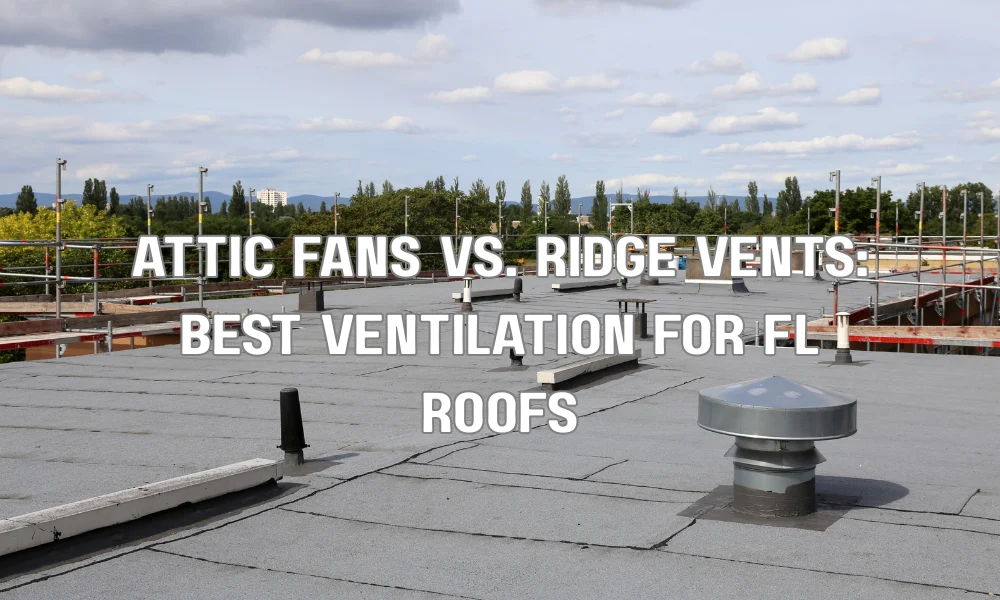
Executive Summary
- Optimal attic ventilation in Florida dramatically lowers indoor temperatures, reducing AC strain and ultimately saving homeowners significant energy costs.
- Ridge vents provide continuous, passive airflow, which is a highly reliable and energy-efficient method to exhaust heat and moisture from Florida attics.
- Attic fans, particularly solar-powered models, offer targeted, active ventilation, ideal for homes needing a boost in hot spots or specific attic configurations.
- Proper ventilation prevents moisture buildup, a critical factor in Florida, safeguarding against mold growth and extending the lifespan of your roof’s structure and materials.
- Understanding your home’s unique roof pitch, attic size, and existing insulation is essential to selecting the most effective and cost-efficient ventilation system.
- Combining passive intake vents with either a ridge vent or an attic fan ensures a balanced and continuous airflow, maximizing heat and moisture extraction.
- Prioritizing the correct ventilation system directly impacts your home’s thermal comfort, energy efficiency, and long-term structural integrity in Florida’s humid climate.
Florida’s relentless heat and high humidity present unique challenges for homeowners, particularly concerning roof and attic performance. An unventilated attic can transform into a superheated oven, radiating warmth into your living spaces and forcing your air conditioning system to work overtime. This not only inflates energy bills but also shortens the lifespan of your roofing materials and creates an environment ripe for moisture-related issues like mold and mildew. Effective attic ventilation is not merely a recommendation in Florida; it’s a fundamental necessity for maintaining indoor comfort, energy efficiency, and the structural integrity of your home.
Critical Fact 1: In Florida, an unventilated attic can reach temperatures of 150-160°F or higher, significantly increasing heat transfer into living spaces and escalating cooling costs by up to 30%.
The Crucial Role of Attic Ventilation in Florida’s Climate
Why is attic ventilation especially critical for Florida homes?
Attic ventilation is especially critical for Florida homes because it directly combats the state’s severe heat and persistent humidity, which are primary drivers of energy inefficiency and structural degradation. Without proper airflow, hot, moist air becomes trapped in the attic, acting as an insulating layer that radiates heat downwards, making living spaces uncomfortable and overworking air conditioning units. This trapped heat also accelerates the deterioration of roofing materials and can lead to moisture condensation, fostering mold growth and compromising insulation effectiveness.
In Florida’s climate, a well-ventilated attic works continuously to exhaust superheated air and introduce cooler, drier outdoor air, creating a thermal barrier that protects the conditioned living space below. This continuous exchange reduces the thermal load on your home, significantly cutting cooling costs. Beyond temperature control, ventilation manages moisture by expelling humid air before it can condense, safeguarding against wood rot, mildew, and other moisture-related structural problems common in high-humidity environments. Effectively, proper ventilation is a proactive defense mechanism against Florida’s environmental challenges, ensuring a healthier home and a more durable roof.
Understanding Attic Fans: Active Airflow Solutions
How do attic fans operate to cool your roof?
Attic fans operate by actively pulling hot, stagnant air out of your attic and expelling it outdoors, while simultaneously drawing in cooler, fresher air through existing soffit or gable vents. These mechanical devices use a motor and fan blades to create a strong airflow, effectively reducing attic temperatures. They can be powered by electricity, often controlled by a thermostat that activates the fan when the attic reaches a preset temperature, or by solar energy, making them an eco-friendly and energy-independent option.
The primary mechanism is simple: exhaust hot air, intake cooler air. By constantly circulating air, attic fans prevent heat buildup, which helps keep the temperature differential between the attic and the living space below to a minimum. This active cooling makes them particularly effective in intensely hot conditions or in attics with complex layouts where natural convection might be less efficient. Their ability to move a large volume of air quickly means they can provide a rapid response to rising attic temperatures.
What are the primary benefits and drawbacks of attic fans in Florida?
In Florida, attic fans offer several key benefits, including rapid and significant reduction of attic temperatures, which directly translates to lower cooling costs and extended roof life. Solar-powered models are particularly attractive as they operate without additional electricity costs and provide ventilation precisely when the sun is strongest and the attic is hottest. They are effective in providing targeted ventilation, especially in homes with limited passive vent options or complex attic designs where natural airflow is restricted.
However, attic fans also come with drawbacks. Electric models consume electricity, adding to utility bills, and if not properly sized and installed with adequate intake vents, they can create negative pressure, pulling conditioned air from your living space into the attic. This can lead to increased energy use rather than savings. Noise can also be a concern for some homeowners. While solar models mitigate energy costs, their performance can fluctuate with cloud cover, and initial installation costs are generally higher than passive systems.
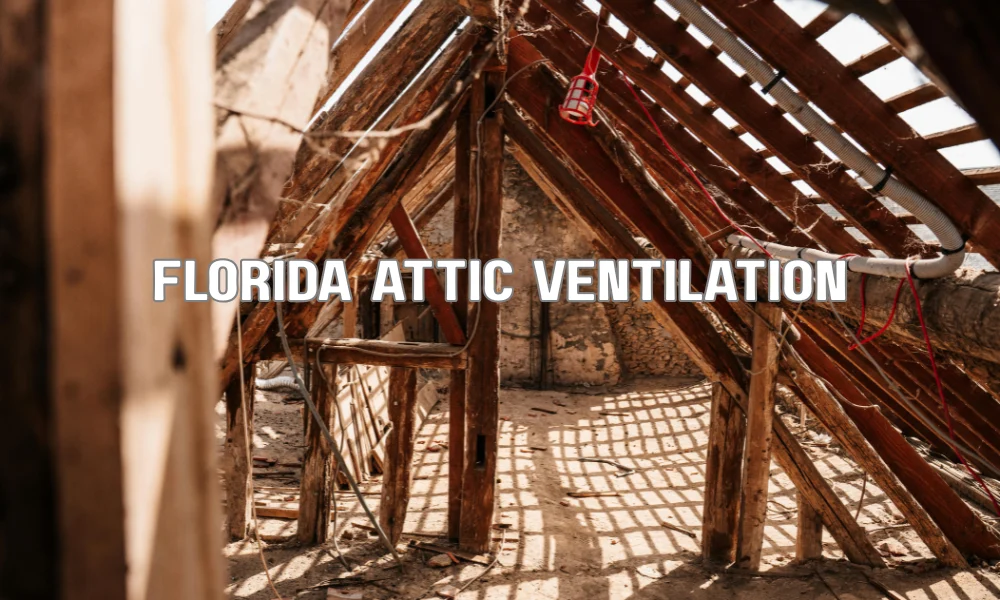
Exploring Ridge Vents: Passive Airflow Solutions
How do ridge vents facilitate natural heat escape from attics?
Ridge vents facilitate natural heat escape from attics through a principle known as convection, or the “stack effect.” Hot air naturally rises. In a properly vented attic system, cooler air enters through intake vents located along the soffits (the underside of the roof eaves). As this cooler air warms up within the attic, it rises, drawing the superheated air upwards towards the peak of the roof. The ridge vent, a continuous, low-profile vent installed along the entire length of the roof’s peak, provides an escape route for this rising hot air. This continuous flow ensures that hot, humid air is constantly replaced by cooler, drier air, maintaining a more stable attic temperature.
Unlike attic fans, ridge vents operate without any mechanical parts or electricity. Their effectiveness relies on a balanced system where adequate intake (soffit) ventilation is present to supply the necessary airflow. The continuous opening along the ridge maximizes the area for heat and moisture to escape, making it a highly efficient passive system that works 24/7 as long as there is a temperature differential between the attic and the outside or wind assist.
What advantages and disadvantages do ridge vents present for FL roofs?
For Florida roofs, ridge vents offer significant advantages, primarily their energy efficiency due to no operational costs, making them a “set it and forget it” solution. They provide continuous, uniform ventilation across the entire roof peak, which is crucial for preventing heat and moisture buildup over large attic areas. Their low-profile design is aesthetically pleasing, blending seamlessly with the roofline, and they are generally very durable, requiring minimal maintenance. Furthermore, a balanced ridge and soffit vent system creates a natural, gentle airflow that is less likely to pull conditioned air from the living space compared to an improperly installed attic fan.
On the downside, the effectiveness of ridge vents is entirely dependent on the presence of sufficient, unobstructed soffit intake vents. Without adequate intake, the system cannot function optimally. Their passive nature means they might not provide the same rapid temperature drop as an active attic fan in extreme heat conditions, and their performance can be reduced on windless days. While generally robust, improper installation can lead to leaks, particularly during Florida’s heavy rainfalls, though modern designs often mitigate this risk significantly.
Critical Fact 2: Balanced attic ventilation (e.g., ridge vents combined with soffit vents) has been shown to reduce peak attic temperatures by up staggering 30-40°F compared to unventilated attics, directly contributing to energy savings.
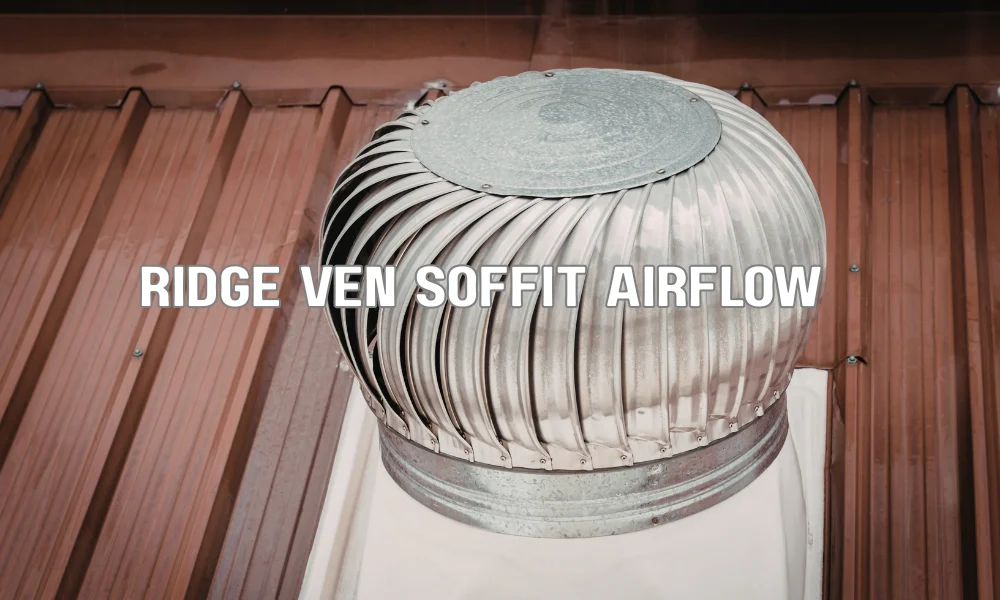
Direct Comparison: Attic Fans vs. Ridge Vents for Florida
Which ventilation method offers superior performance in Florida’s intense heat?
Determining which ventilation method offers superior performance in Florida’s intense heat depends largely on specific home characteristics and homeowner priorities. Attic fans, particularly powerful electric or solar models, can often provide a more aggressive and rapid reduction in attic temperatures, making them highly effective during peak heat hours. Their active mechanism allows them to move a greater volume of air, quickly expelling superheated air even on windless days.
Ridge vents, however, provide continuous, consistent ventilation without energy consumption. While they may not achieve the instantaneous temperature drop of an active fan, their 24/7 passive airflow helps maintain a more stable, lower baseline temperature over the long term. For most well-designed Florida roofs with ample soffit intake, a properly installed ridge vent system offers excellent, cost-effective performance. In specific situations—like very complex rooflines, very large attics, or instances where natural airflow is limited—an attic fan might provide the necessary boost for superior performance.
What are the cost and energy implications of each system for homeowners?
The cost and energy implications vary significantly between attic fans and ridge vents. Ridge vents generally have a lower upfront installation cost compared to most attic fans, especially if installed during a new roof construction or replacement. Crucially, ridge vents have no ongoing energy costs, operating entirely passively, which provides long-term savings on utility bills.
Attic fans, on the other hand, have a broader range of costs. Electric attic fans typically have a moderate initial installation cost but incur ongoing electricity costs, which can add to monthly bills, especially if they run frequently. Solar attic fans have a higher upfront cost but eliminate electricity usage, offering energy independence. However, their performance can fluctuate. When considering the total cost of ownership over the lifespan of the roof, the energy savings from ridge vents often make them a more economical choice, though solar attic fans can also be highly cost-effective by eliminating energy consumption.
Here’s a comparative overview:
| Feature | Attic Fans (Electric/Solar) | Ridge Vents (Passive) |
|---|---|---|
| Mechanism | Active (mechanical fan) | Passive (convection/stack effect) |
| Energy Consumption | Electric: Moderate to high; Solar: Zero | Zero |
| Installation Cost (Avg.) | $300 – $800 (Electric); $500 – $1,500 (Solar) | $200 – $600 (typically with roof replacement) |
| Operating Cost | Electric: Monthly utility bill increase; Solar: None | None |
| Temperature Reduction | Rapid, significant in peak heat | Continuous, consistent, steady baseline |
| Maintenance | Motor checks, occasional cleaning (Electric); Panel cleaning (Solar) | Minimal (check for obstructions/damage) |
| Noise Level | Low to moderate (electric); Very low (solar) | Silent |
| Aesthetics | Visible on roof surface (can be low profile) | Blends seamlessly with roofline |
| Ideal For | Complex attics, specific hot spots, limited passive venting | Most standard roofs, continuous uniform ventilation |
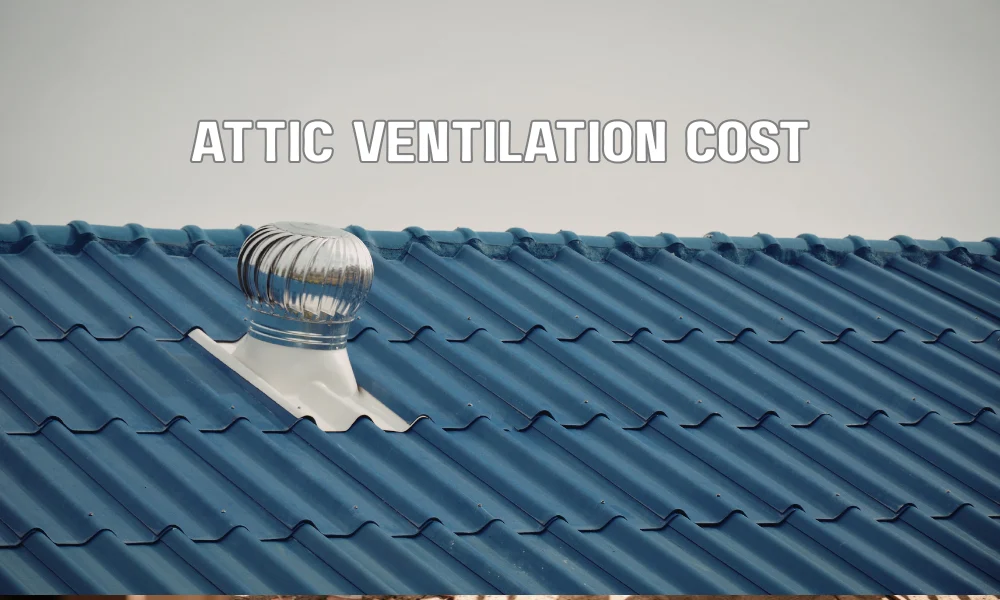
Making the Right Choice: Factors for Florida Homeowners
How can existing roof design influence the best ventilation choice?
Existing roof design significantly influences the best ventilation choice for Florida homes. Roofs with a continuous ridge line and adequate soffit area are excellent candidates for a ridge vent system, as this design naturally facilitates the stack effect for passive ventilation. Without a continuous ridge or sufficient soffit intake, the effectiveness of a ridge vent can be compromised. In such cases, an attic fan might be a more viable option, as it can actively draw air from existing gable vents or strategically placed intake vents.
Complex rooflines with multiple peaks, valleys, or dormers can sometimes make a single, continuous ridge vent challenging or impossible to install effectively. Here, multiple smaller ridge vents or a combination of various venting solutions, including spot attic fans, may be necessary. The slope (pitch) of the roof also plays a role; steeper roofs naturally encourage the stack effect more efficiently than lower-sloped roofs. Ultimately, a thorough inspection by a qualified roofing professional is essential to assess the existing structure and recommend a ventilation strategy tailored to your specific roof design.
Can attic fans and ridge vents work effectively together?
While typically considered alternative solutions, attic fans and ridge vents generally should NOT work directly together as primary exhaust vents on the same roof. The reason is that an attic fan, being a powerful exhaust, can short-circuit the airflow dynamics of a ridge vent system. Instead of drawing air up through the soffit vents and across the attic towards the ridge, an attic fan might pull air from the nearest available opening, which could be the ridge vent itself. This can disrupt the balanced airflow and lead to inefficient ventilation, or even draw conditioned air from your home into the attic.
However, an attic fan can be used in conjunction with soffit vents and gable vents, but typically not in the same “zone” as a ridge vent. If your home has multiple attic spaces (e.g., due to internal firewalls or complex designs), it might be possible to have a ridge vent system in one section and an attic fan in another, provided they are not competing for the same air supply. For most single-attic homes, it’s best to choose one primary exhaust method—either a ridge vent (with soffit intake) or an attic fan (with soffit/gable intake)—to ensure optimal and balanced airflow.
Critical Fact 3: An imbalanced ventilation system, where exhaust capacity significantly outweighs intake, can pull conditioned air from your home into the attic, increasing energy bills rather than lowering them. Always ensure 50% intake and 50% exhaust for optimal performance.
Frequently Asked Questions
What is the ideal attic temperature in Florida?
The ideal attic temperature in Florida should be as close to the outside ambient air temperature as possible. A well-ventilated attic will typically be only 10-15°F warmer than the outdoor temperature, preventing excessive heat buildup that radiates into your living space.
Do attic fans or ridge vents help with humidity in Florida?
Yes, both attic fans and ridge vents help significantly with humidity in Florida. By continuously exhausting moist, hot air from the attic and replacing it with drier outside air, they prevent condensation and reduce the risk of mold and mildew growth on wood structures and insulation.
How do I know if my Florida home has adequate attic ventilation?
Signs of inadequate ventilation include excessively high attic temperatures, high energy bills, buckling shingles, and moisture stains on the attic sheathing. A professional roofing inspection can accurately assess your current ventilation system’s effectiveness and recommend improvements.
Can I install an attic fan or ridge vent myself?
While some DIY enthusiasts might attempt it, professional installation is highly recommended for both. Improper installation can lead to leaks, electrical hazards (for attic fans), or inefficient performance, potentially voiding roof warranties. Professional installers ensure correct sizing, placement, and sealing.
Will attic ventilation extend the life of my roof in Florida?
Absolutely. Proper attic ventilation reduces extreme temperature fluctuations that cause shingles to prematurely age and crack. It also prevents moisture buildup that can rot the roof decking. By maintaining a cooler, drier attic, ventilation significantly extends the lifespan of your entire roofing system.
Are there any incentives or rebates for installing solar attic fans in Florida?
While federal tax credits for solar energy systems have existed, specific state or local incentives for solar attic fans in Florida can vary. It’s best to check with your local utility provider or energy efficiency programs for any current rebates or tax advantages available in your area.
What type of soffit vents are best for Florida’s climate?
Continuous soffit vents, which run the entire length of the eaves, are generally best for Florida’s climate as they provide the most uniform and ample intake of cooler air. Perforated or baffled designs can also be effective, ensuring clear, unobstructed airflow while keeping out pests.
How does insulation interact with attic ventilation in Florida?
Insulation and ventilation work hand-in-hand. Insulation acts as a barrier to heat transfer, while ventilation removes the heat that penetrates the insulation and keeps the attic cooler. In Florida, adequate insulation prevents heat from entering your living space, and proper ventilation keeps the attic from overheating, maximizing the efficiency of both systems.
