
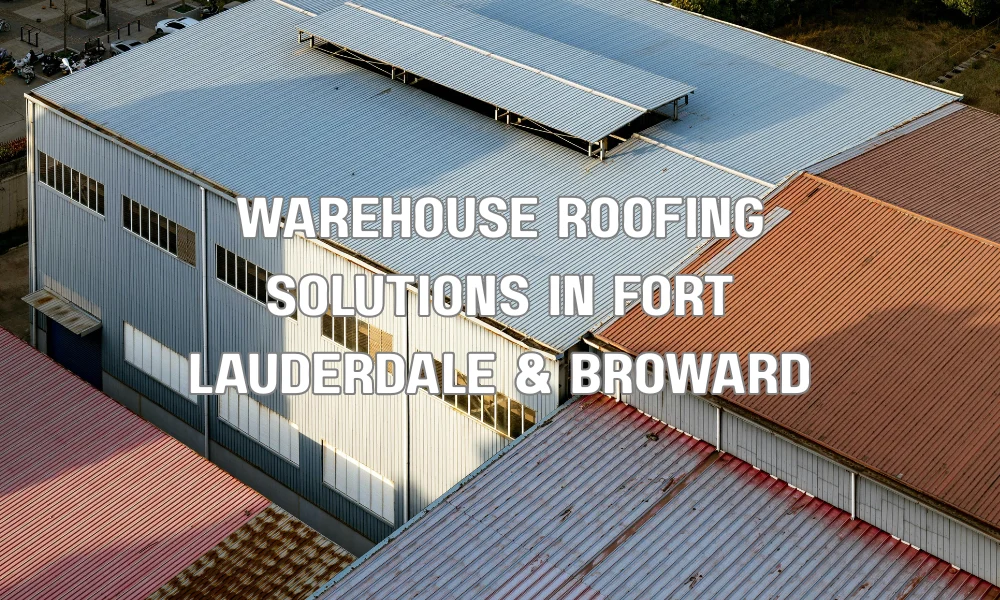
Executive Summary
- Selecting the optimal warehouse roofing solution in Fort Lauderdale and Broward requires careful consideration of extreme weather, energy efficiency, and local building codes.
- Advanced roofing materials like TPO, PVC, and metal offer superior durability and reflective properties crucial for mitigating South Florida’s intense heat and hurricane risks.
- Proactive maintenance and timely repairs are paramount to extending roof lifespan and preventing costly structural damage, especially in humid coastal environments.
- Investing in energy-efficient cool roofs significantly reduces cooling costs, enhances indoor comfort, and contributes to a warehouse’s overall sustainability profile.
- Understanding the long-term ROI of different roofing systems, including installation, maintenance, and energy savings, is vital for informed decision-making.
- Compliance with Florida Building Code, particularly wind uplift requirements, ensures structural integrity and avoids potential insurance complications for commercial properties.
Strategic Roofing for Fort Lauderdale & Broward Warehouses
Warehouse owners and facility managers in Fort Lauderdale and Broward County face unique challenges when it comes to roofing. The relentless South Florida sun, high humidity, frequent torrential downpours, and the ever-present threat of hurricanes demand roofing solutions that prioritize durability, energy efficiency, and strict adherence to local building codes. Investing in the right roofing system is not just about protection; it’s a strategic decision that impacts operational costs, asset longevity, and business continuity.
Critical Fact 1: Fort Lauderdale and Broward County are designated High-Velocity Hurricane Zones (HVHZ), necessitating roofing systems that meet stringent wind uplift resistance requirements under the Florida Building Code to ensure safety and structural integrity.
What are the primary roofing material options for warehouses in this region?
The primary roofing material options for warehouses in Fort Lauderdale and Broward County are typically chosen for their resilience against harsh weather, energy efficiency, and cost-effectiveness over their lifespan. Single-ply membranes like TPO (Thermoplastic Polyolefin) and PVC (Polyvinyl Chloride) are exceedingly popular due to their reflective surfaces, durability, and resistance to UV radiation and chemical exposure. Metal roofing systems, particularly standing seam, offer unparalleled longevity and exceptional wind resistance, making them a premium choice for hurricane-prone areas. Modified Bitumen (Mod-Bit) remains a reliable multi-ply system, often enhanced with reflective coatings for increased energy performance.
TPO roofs are thermoplastic membranes known for their heat-welded seams, which create an incredibly strong, monolithic barrier against water intrusion. Their white surface reflects a significant portion of solar radiation, dramatically reducing heat gain inside the warehouse and lowering cooling expenses. PVC roofing offers similar benefits, including excellent chemical resistance, which is advantageous for warehouses storing certain types of materials. Metal roofing, whether corrugated or standing seam, provides a robust, low-maintenance solution that can last 40-60 years or more. It’s highly resistant to punctures and fire, and when properly installed, can withstand extreme wind loads.
How do local climate conditions influence roofing material selection?
Local climate conditions in Fort Lauderdale and Broward significantly influence the selection of warehouse roofing materials, primarily due to the intense sun, high temperatures, humidity, and hurricane susceptibility. The continuous exposure to powerful UV rays necessitates materials with excellent UV resistance to prevent premature degradation and cracking. Reflectivity is a key factor to combat the heat island effect and reduce air conditioning loads, making “cool roof” technologies like white TPO, PVC, and light-colored metal or coated modified bitumen systems highly advantageous. Furthermore, the persistent humidity and frequent rain demand waterproofing solutions that are impervious to moisture, preventing leaks and mold growth.
Hurricane season brings the risk of extreme wind uplift, heavy rainfall, and potential debris impact. Therefore, roofing systems must be installed to meet or exceed Florida Building Code wind uplift standards, often requiring enhanced fastening patterns, thicker membranes, or specific substrate attachments. Materials that resist impact from wind-borne debris, such as metal or thicker single-ply membranes, are also highly valued. Consideration for drainage systems is also paramount to quickly shed large volumes of rainwater, preventing ponding and associated structural stress or leaks.
What are the long-term cost benefits of an energy-efficient roof?
The long-term cost benefits of an energy-efficient roof for a warehouse in Fort Lauderdale and Broward are substantial, primarily driven by reduced operational expenses and extended roof lifespan. By reflecting solar radiation rather than absorbing it, “cool roofs” significantly lower the temperature inside the building. This directly translates to decreased reliance on air conditioning systems, leading to considerable savings on electricity bills, often 15-30% or more, depending on insulation levels and previous roofing material. The reduced thermal stress on HVAC units also extends their operational life, deferring expensive replacement costs.
Beyond energy savings, an energy-efficient roof mitigates the urban heat island effect, creating a more comfortable interior environment for employees and potentially reducing the need for extensive interior climate control systems for sensitive goods. Furthermore, the lower surface temperature of cool roofs slows down the degradation process of the roofing material itself. UV radiation and extreme heat are major contributors to roof aging, so by keeping the roof cooler, its lifespan can be extended, pushing back the need for costly replacements and reducing the overall lifecycle cost of the roofing system. Some energy-efficient roofs may also qualify for tax incentives or utility rebates, adding another layer of financial benefit.
Critical Fact 2: Cool roof technologies, like highly reflective TPO or silicone coatings, can lower roof surface temperatures by 50-60 degrees Fahrenheit compared to traditional dark roofs, leading to significant HVAC energy savings and reduced heat transfer into the building.
How do hurricane codes and insurance requirements impact roof selection?
Hurricane codes and insurance requirements have a profound impact on roof selection for warehouses in Fort Lauderdale and Broward, dictating material specifications, installation methods, and overall system design. As part of a High-Velocity Hurricane Zone (HVHZ), all new or replaced warehouse roofs must comply with the rigorous standards of the Florida Building Code (FBC), which includes enhanced requirements for wind uplift resistance, impact resistance, and water intrusion prevention. This often means specifying materials with higher tensile strength, using more robust fastening systems (e.g., increased screw density, reinforced perimeter flashings), and ensuring all components are tested and approved for HVHZ conditions.
Insurance companies are highly attuned to these code requirements and often offer more favorable premiums or even mandate specific roofing types and installation protocols for properties in hurricane-prone areas. A roof that does not meet current FBC standards may be uninsurable or subject to significantly higher premiums and deductibles. Insurers often require documentation of material approvals, contractor certifications, and inspection reports to verify compliance. Opting for a roof system with a current Notice of Acceptance (NOA) from Miami-Dade County (a widely recognized HVHZ standard) can streamline the insurance process and provide greater peace of mind regarding the roof’s ability to withstand severe weather events.
What preventative maintenance strategies are crucial for warehouse roofs?
Preventative maintenance strategies are crucial for warehouse roofs in Fort Lauderdale and Broward to extend their lifespan, ensure optimal performance, and prevent costly, disruptive failures. Regular inspections, at least twice a year and after every significant weather event, are paramount. These inspections should focus on identifying potential issues such as ponding water, clogged drains, membrane punctures, damaged flashing, loose fasteners, and signs of biological growth like algae or mold. Timely removal of debris, including leaves and branches, prevents drainage obstructions and material deterioration.
Cleaning the roof surface, especially for reflective cool roofs, helps maintain its energy efficiency by removing dirt and pollutants that can diminish reflectivity. Addressing minor repairs promptly, such as patching small tears or resealing penetrations, prevents small issues from escalating into major leaks. Proactive management of roof access, ensuring proper pathways and protective measures for HVAC technicians or other service providers, minimizes accidental damage. Finally, keeping detailed records of all inspections, repairs, and maintenance activities provides a valuable history for future decision-making and warranty claims, ensuring the roof continues to perform optimally in challenging South Florida conditions.
| Roofing Material | Typical Lifespan (Years) | Avg. Cost/Sq. Ft. (Installed) | Key Benefits for FL/Broward | Considerations |
|---|---|---|---|---|
| TPO (Thermoplastic Polyolefin) | 15-25 | $6.00 – $10.00 | Excellent reflectivity, heat-welded seams, UV/puncture resistance. | Color fades over time, requires expert installation. |
| PVC (Polyvinyl Chloride) | 20-30 | $7.00 – $12.00 | Superior chemical resistance, durable, high reflectivity. | Higher initial cost than TPO, can be brittle in extreme cold (not an issue in FL). |
| Metal (Standing Seam) | 40-60+ | $10.00 – $18.00 | Exceptional wind resistance, longevity, low maintenance, recyclable. | Highest initial cost, can be noisy during rain, susceptible to hail dents. |
| Modified Bitumen (Mod-Bit) | 15-20 | $5.00 – $9.00 | Good puncture resistance, flexible, robust multi-ply system. | Dark surfaces absorb heat (requires reflective coating), heavier. |
| Silicone Roof Coating | 10-20 (over existing) | $3.00 – $6.00 | Restores existing roof, seamless, high reflectivity, cost-effective. | Requires sound substrate, not a structural repair, specialized application. |
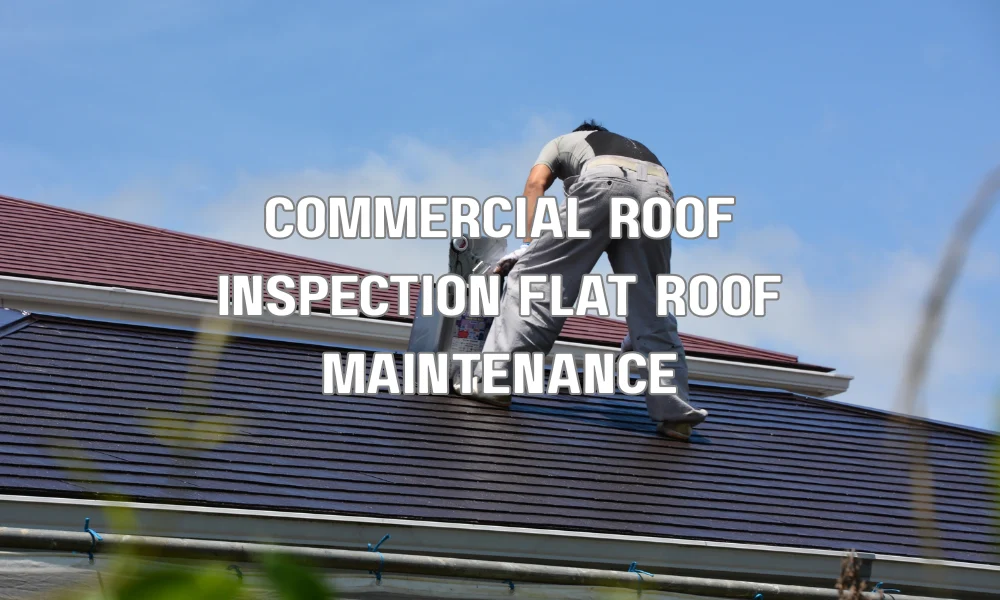
When is a roof coating a viable alternative to full replacement?
A roof coating can be a highly viable alternative to a full roof replacement for warehouses in Fort Lauderdale and Broward when the existing roof substrate is structurally sound but showing signs of wear, minor leaks, or diminished performance. Coatings, particularly silicone or acrylic, create a seamless, monolithic membrane over the existing roof, effectively sealing minor cracks, punctures, and failing seams. This process, known as roof restoration, is significantly less disruptive and often 30-50% less expensive than a tear-off and replacement, as it avoids landfill costs and extensive downtime.
Silicone coatings are especially effective in South Florida due to their exceptional UV stability, high reflectivity (significantly improving energy efficiency), and resistance to ponding water, which is common in areas prone to heavy rainfall. They also resist mold and mildew growth. However, a coating is not a solution for a severely degraded, water-saturated, or structurally compromised roof. A thorough professional inspection is essential to determine if the existing roof is a suitable candidate for a coating, ensuring that minor repairs are addressed first and that the adhesion and integrity of the new coating will be maintained for its expected lifespan.
Critical Fact 3: Roof restoration with high-performance silicone coatings can extend the life of an existing warehouse roof by 10-20 years, often comes with a new warranty, and is considered a maintenance expense rather than a capital expenditure, offering significant financial advantages.
Frequently Asked Questions
What are the best roofing materials for warehouses in Fort Lauderdale?
For Fort Lauderdale warehouses, the best roofing materials are typically TPO, PVC, and standing seam metal. These options offer superior reflectivity, excellent resistance to UV degradation, high wind uplift capacity, and robust waterproofing, making them ideal for the region’s intense heat, humidity, and hurricane threats.
How often should a warehouse roof be inspected in Broward County?
Warehouse roofs in Broward County should undergo professional inspections at least twice a year, ideally in spring and fall, and promptly after any significant weather event, such as a major storm or hurricane. This proactive approach helps identify and address minor issues before they escalate.
What is the average lifespan of a TPO roof in South Florida?
In South Florida’s challenging climate, the average lifespan of a properly installed and maintained TPO roof on a warehouse typically ranges from 15 to 25 years. Factors like material thickness, installation quality, and consistent maintenance greatly influence its longevity.
How do hurricane codes affect warehouse roofing choices?
Hurricane codes (Florida Building Code HVHZ) mandate strict requirements for warehouse roofing in Broward, affecting material strength, fastening methods, and overall system design. Roofs must demonstrate high wind uplift resistance and often require specific certifications like Miami-Dade NOAs to ensure structural integrity during severe weather.
Can new roofing improve energy efficiency for a warehouse?
Yes, absolutely. Installing a “cool roof” system, such as a white TPO, PVC, or a highly reflective coating, significantly improves a warehouse’s energy efficiency. These roofs reflect solar heat, reducing interior temperatures and substantially lowering cooling costs, often by 15-30%.
What are the signs that a warehouse roof needs replacement?
Key signs indicating a warehouse roof may need replacement include widespread leaks, extensive ponding water, visible structural sagging, numerous cracks or punctures, significant membrane blistering or delamination, and repeated, costly repairs that no longer provide lasting solutions.
Is a roof coating a viable option for warehouse roofs?
A roof coating is a highly viable option for warehouse roofs that are structurally sound but exhibiting wear and minor leaks. It’s a cost-effective alternative to full replacement, restoring waterproofing, improving energy efficiency, and extending the roof’s life without a disruptive tear-off.
How much does a new warehouse roof cost in Fort Lauderdale?
The cost of a new warehouse roof in Fort Lauderdale varies significantly based on material, size, complexity, and specific code requirements. Generally, expect costs to range from $5.00 to $18.00 per square foot installed, with TPO/Mod-Bit being on the lower end and metal roofing on the higher end.
