
Executive Summary
- Florida’s unique climate makes roofs highly susceptible to rapid mold and algae growth, necessitating targeted prevention strategies.
- Implementing a routine soft wash cleaning schedule is crucial for safely removing organic buildup before it permanently damages your roof.
- Strategically trimming overhanging trees ensures sufficient sunlight reaches your roof, accelerating drying and inhibiting moisture-loving organisms.
- Investing in algae-resistant shingles or installing zinc/copper strips offers a long-term, passive defense against microbial colonization.
- Maintaining clear gutters prevents water accumulation, a primary catalyst for mold development and premature roof degradation.
- Prioritize professional roof inspections annually to detect early signs of mold and address potential issues proactively, extending roof life.
- Effective attic ventilation significantly reduces heat and humidity, creating an internal environment less conducive to fungal proliferation.
Florida homeowners face a perpetual battle against the elements, and one of the most persistent adversaries is mold growth on their roofs. The state’s humid subtropical climate, characterized by abundant rainfall, high temperatures, and intense humidity, creates an ideal environment for various types of mold, algae, and mildew to thrive. These unsightly growths not only detract from your home’s curb appeal but can also significantly compromise the structural integrity and lifespan of your roofing system. Understanding the specific challenges posed by Florida’s climate is the first step toward implementing effective, long-term prevention strategies that protect your investment and maintain your home’s value.
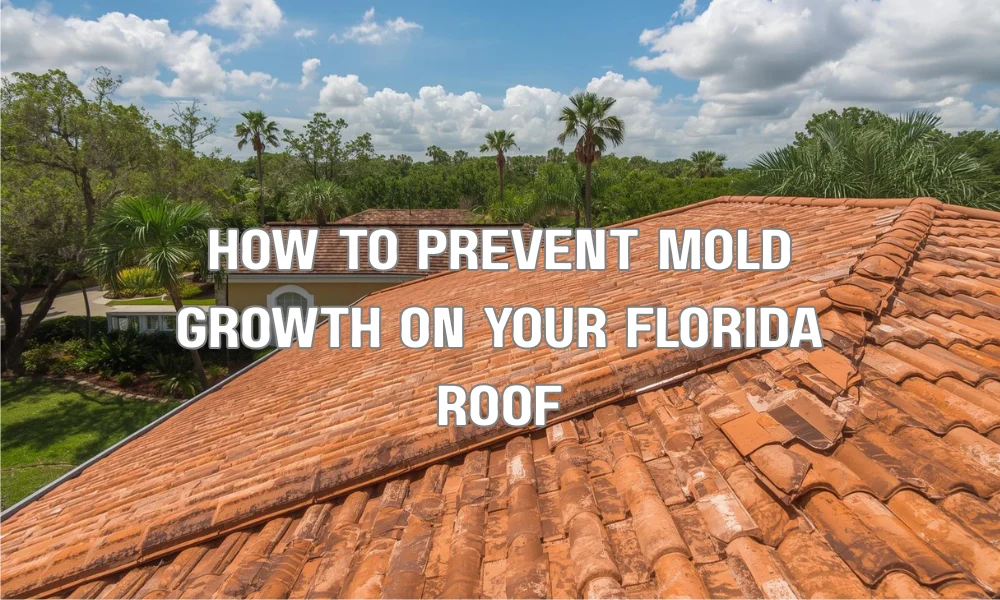
The humid subtropical climate of Florida, characterized by high temperatures and abundant rainfall, creates an ideal breeding ground for various types of mold, algae, and mildew on residential roofs.
Understanding the Florida Mold Challenge
Why are Florida roofs particularly susceptible to mold?
Florida roofs are particularly susceptible to mold growth primarily due to the state’s consistently high humidity, warm temperatures, and frequent rainfall, which together create a near-perfect environment for microbial proliferation. The combination of moisture retention, warmth, and the presence of organic debris (like leaves and pollen) provides all the necessary ingredients for mold spores to germinate and flourish rapidly. Furthermore, inadequate sunlight exposure, often caused by overhanging trees, can keep roof surfaces damp for extended periods, accelerating growth.
What are the common types of mold and algae found on Florida roofs?
The most common types of mold and algae found on Florida roofs include black algae (Gloeocapsa magma), green algae, and various forms of mildew and moss. Gloeocapsa magma is particularly prevalent, appearing as dark, streaky stains that are often mistaken for dirt. Green algae typically manifests as a slick, green film, especially in shaded, damp areas. Mildew and moss, though less common than algae, can also colonize roofs, especially in areas with persistent moisture, contributing to shingle degradation. Each type thrives on moisture and organic matter, breaking down the asphalt shingles over time.
Proactive Strategies for Mold Prevention
How does regular roof cleaning contribute to mold prevention?
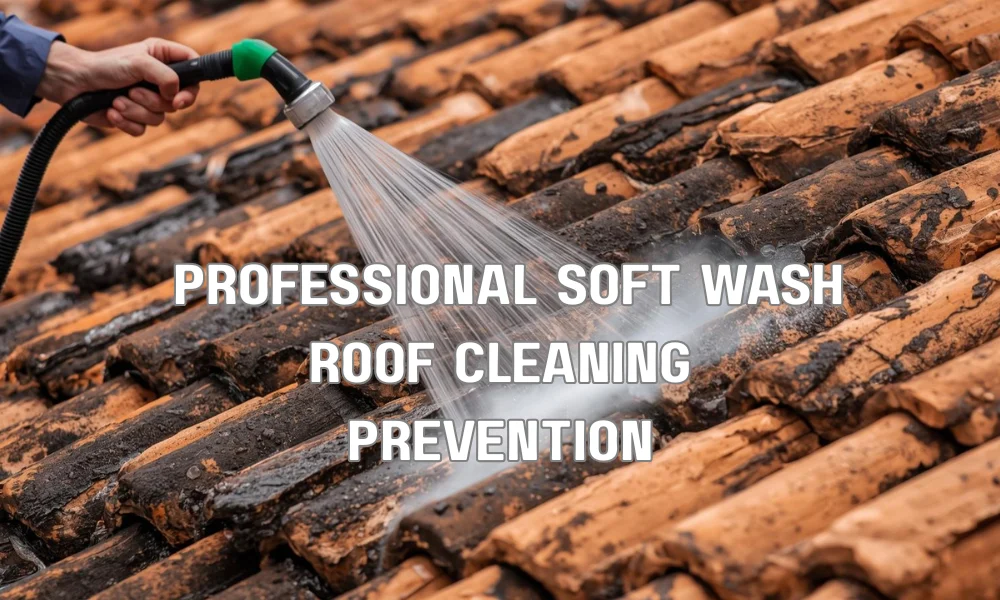
Regular roof cleaning, specifically utilizing a professional soft wash method, is paramount for preventing mold growth by safely removing existing organic matter and spores before they can establish deep roots. Unlike high-pressure washing, which can damage shingles, soft washing uses a specialized blend of detergents and low-pressure water to effectively kill and rinse away algae, mold, and mildew without abrasive force. This proactive approach not only restores the roof’s appearance but also eliminates the food source and breeding ground for new growth, significantly extending the life of your roofing material. Establishing a routine cleaning schedule, typically every 1-3 years depending on environmental factors, is a cornerstone of long-term mold prevention.
What role do tree trimming and sunlight play in deterring mold?
Tree trimming and ensuring ample sunlight exposure play a critical role in deterring mold growth by reducing shade and promoting faster drying of your roof surface. Overhanging branches block sunlight, keeping the roof damp for longer periods after rain or dew, which is ideal for mold and algae. By trimming back trees and shrubs, you increase direct sunlight exposure, allowing the roof to dry more quickly and depriving mold of the consistent moisture it needs to flourish. This simple landscaping adjustment also reduces the accumulation of leaves and debris, minimizing organic food sources for microbial growth.
Are there specific roof materials or treatments that resist mold growth?
Yes, several specific roof materials and treatments are designed to resist mold growth, providing enhanced protection, especially in humid climates like Florida. Algae-resistant (AR) shingles, often incorporating copper granules, are highly effective as copper acts as a natural algaecide that washes down the roof with rain, inhibiting growth. Furthermore, installing zinc or copper strips along the roof’s ridge can similarly release microscopic particles that prevent algae and moss from forming. These material choices and additions offer a passive, long-term defense, reducing the frequency of necessary cleaning and extending the roof’s aesthetic appeal and lifespan.
| Material/Treatment | Initial Cost (Relative) | Effectiveness Against Mold | Longevity of Effect | Maintenance Impact | Key Benefit |
|---|---|---|---|---|---|
| Standard Asphalt Shingles | Low | Low (No inherent resistance) | Short-term without intervention | Frequent cleaning required | Economical upfront |
| Algae-Resistant (AR) Shingles | Medium-High | High (Copper granule inhibition) | 10-20 years | Reduced cleaning frequency | Built-in, long-term prevention |
| Zinc Strips | Low-Medium | Medium-High (Zinc oxide run-off) | 5-10 years | Low ongoing effort | Cost-effective add-on protection |
| Copper Strips | Medium-High | High (Copper ion release) | 15-25 years | Very low ongoing effort | Superior, long-lasting defense |
| Professional Soft Wash | Medium (Per service) | High (Immediate removal) | 1-3 years (Requires reapplication) | Periodic scheduling | Safe, immediate results for any roof |
How important is proper attic ventilation for roof health?
Proper attic ventilation is critically important for overall roof health because it mitigates heat and moisture buildup within the attic space, which can contribute indirectly to mold growth on the roof’s exterior. Effective ventilation systems, including soffit and ridge vents, allow hot, humid air to escape from the attic while drawing in cooler, drier air. This process helps to regulate the temperature of the roof deck, preventing excessive heat from transferring to the shingles. More importantly, it reduces condensation and moisture accumulation within the attic, preventing issues like mildew on the underside of the roof deck that can compromise structural integrity and eventually lead to exterior problems.
Untreated mold and algae growth can reduce a roof’s lifespan by up to 10-15 years, leading to significant structural damage and costly early replacement.
Ongoing Maintenance and Professional Support
When should I consider professional roof inspection and cleaning services?
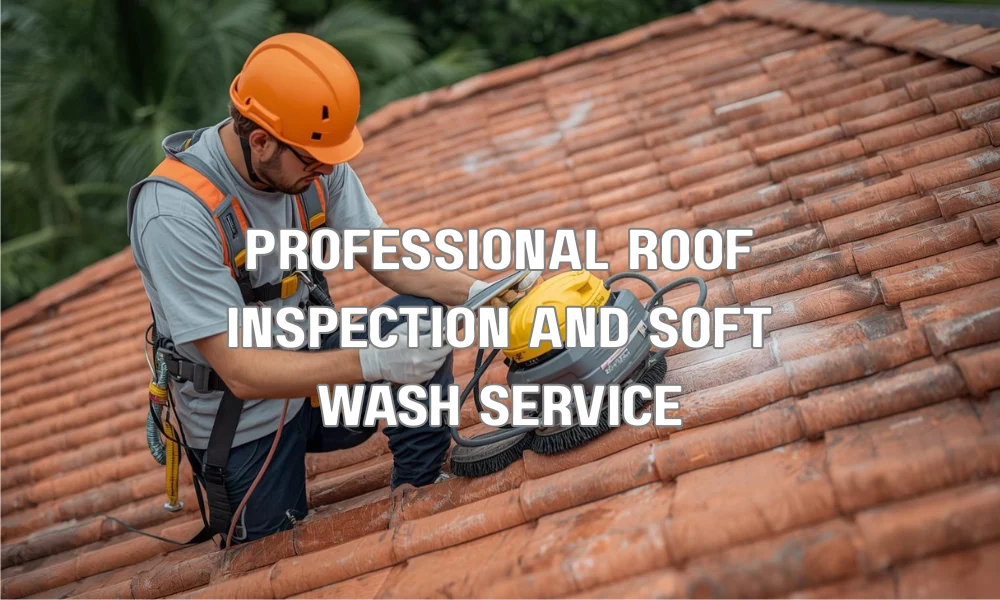
You should consider professional roof inspection and cleaning services annually, or immediately if you notice significant streaking, green patches, or moss growth on your roof. Regular professional inspections can identify early signs of mold, algae, or potential roof damage that might not be visible from the ground, allowing for timely intervention. Professional cleaning is especially recommended when organic growth becomes widespread, as they possess the equipment, expertise, and safe cleaning solutions to effectively remove contaminants without harming your roofing materials or voiding warranties. Early detection and professional care are key to preserving your roof’s condition.
What are the risks of DIY mold removal on roofs?
The risks of DIY mold removal on roofs are significant, encompassing personal safety hazards, potential damage to the roof, and ineffective treatment outcomes. Homeowners attempting DIY methods often use high-pressure washers, which can strip protective granules from asphalt shingles, shorten their lifespan, or even dislodge them entirely. Climbing on a roof presents a serious fall risk, especially on wet, slippery surfaces. Furthermore, using improper cleaning chemicals can not only be ineffective against the specific strains of Florida mold but can also cause discoloration, chemical burns to landscaping, or lead to environmental pollution. For these reasons, professional roof cleaning is always recommended.
Regular roof maintenance, including preventative measures against mold, can boost a home’s curb appeal and resale value by as much as 5-10%.
Frequently Asked Questions
How often should a Florida roof be cleaned to prevent mold?
Ideally, a Florida roof should be professionally soft washed every 1 to 3 years. The exact frequency depends on factors like shade from trees, proximity to water, and local humidity levels. Consistent cleaning prevents organic growth from becoming deeply embedded and causing damage.
Can mold on a roof cause health problems?
Yes, mold on a roof, particularly black mold (Gloeocapsa magma) which can spread, may contribute to health problems for sensitive individuals. Spores can become airborne, potentially exacerbating respiratory issues, allergies, or asthma, especially if they enter the home through attic vents or compromised areas.
Is power washing safe for removing mold from a roof?
No, power washing is generally not safe for removing mold from a roof. The high pressure can damage shingles by eroding their protective granular surface, reducing their lifespan, and potentially voiding manufacturer warranties. Soft washing is the recommended, safer alternative.
Do all new shingles come with mold resistance?
Not all new shingles come with mold resistance. Standard asphalt shingles typically do not. However, many manufacturers offer “algae-resistant” (AR) shingles, which are specifically treated with copper granules to inhibit the growth of black algae and other molds.
What is the black streaking on my roof, and is it mold?
The black streaking on your roof is most commonly caused by Gloeocapsa magma, a type of blue-green algae, which thrives in warm, humid conditions. While technically algae, it contributes to overall roof deterioration and can be mistaken for dirt or true mold.
Can mold grow under the shingles of my roof?
Yes, mold can grow under shingles, particularly if there is persistent moisture intrusion, poor ventilation, or damage to the roofing underlayment. This internal growth is more serious, as it can lead to rot, leaks, and compromise the roof’s structural integrity.
How much does professional roof cleaning typically cost in Florida?
The cost of professional roof cleaning in Florida varies based on roof size, pitch, material, and the extent of mold growth, but generally ranges from $400 to $800 for an average-sized home. Obtaining multiple quotes is always recommended.
Are there eco-friendly methods to prevent roof mold?
Yes, eco-friendly methods include trimming trees to increase sunlight, ensuring proper attic ventilation, and using algae-resistant shingles that don’t rely on harsh chemicals. Professional soft wash solutions often use biodegradable detergents, minimizing environmental impact.
