
Executive Summary
- Florida’s humid climate creates ideal conditions for Gloeocapsa magma, a notorious black-streaking algae, to thrive on roofs, reducing curb appeal.
- These unsightly black streaks are more than aesthetic issues; they degrade shingles by retaining moisture and accelerating material breakdown over time.
- Ignoring roof algae can significantly reduce your roof’s lifespan and even increase attic temperatures, negatively impacting home energy efficiency.
- Soft washing with specialized algaecides is the safest, most effective cleaning method, avoiding shingle damage common with high-pressure washing.
- Preventative measures like installing zinc or copper strips, or choosing algae-resistant shingles, are crucial for long-term protection in humid environments.
- Regular professional inspection and timely maintenance can significantly extend your roof’s life and preserve its structural integrity against biological growth.
- Understanding the cause and implementing correct solutions protects your investment, enhances property value, and maintains a healthy home environment.
What’s Causing Those Black Streaks? Understanding Gloeocapsa Magma
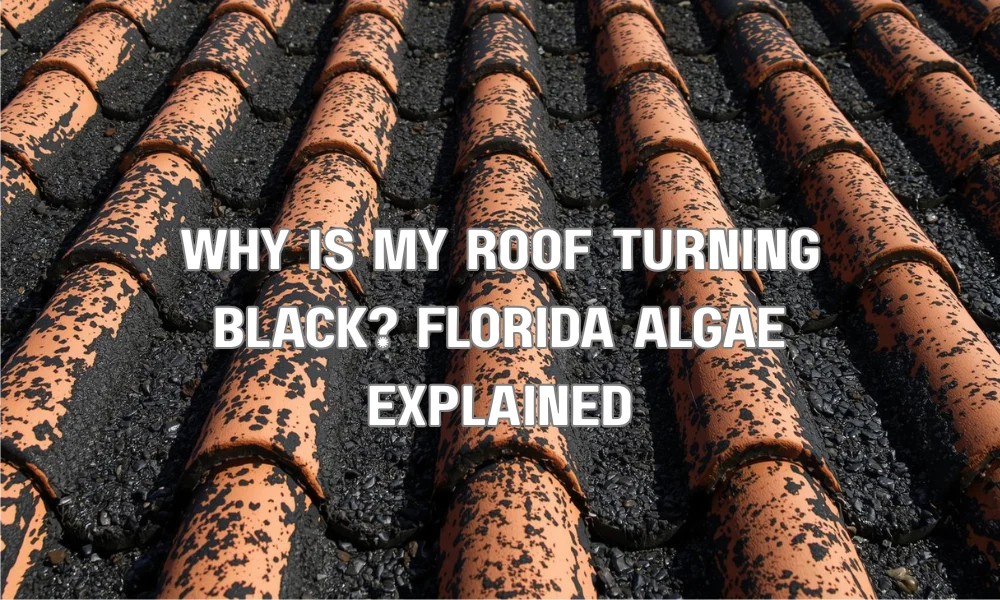
The pervasive black streaks tarnishing many Florida roofs are not dirt or soot, but a specific type of cyanobacteria known as *Gloeocapsa magma*. This resilient microorganism thrives in warm, moist environments, making Florida’s climate an ideal breeding ground. As it grows, it forms a protective dark pigment, which is what gives your roof that distinct, undesirable black discoloration. Understanding this microscopic culprit is the first step toward effective treatment and prevention.
Critical Fact 1: The black streaks on your roof are almost exclusively caused by Gloeocapsa magma, a type of blue-green algae, not mold or mildew, though they often coexist.
What exactly is Gloeocapsa magma?
Gloeocapsa magma is a ubiquitous airborne alga that feeds on the limestone filler in asphalt shingles, making modern roofing materials particularly susceptible. This cyanobacterium develops a dark, protective sheath that absorbs ultraviolet light, safeguarding it from the sun’s rays. This dark pigmentation contributes directly to the noticeable black streaks that run down roof slopes as the algae colony expands with rainwater.
Why is Florida a hotspot for roof algae?
Florida’s unique combination of high humidity, abundant rainfall, and warm temperatures creates an optimal microclimate for *Gloeocapsa magma* to flourish. The consistent moisture allows spores to germinate readily, while the heat accelerates their growth cycle. Furthermore, the porous nature of asphalt shingles provides an ideal surface for the algae to cling to and draw nutrients from, leading to widespread and rapid colonization across the state’s roofs.
Beyond Aesthetics: The Hidden Dangers of Algal Growth
While often dismissed as a mere cosmetic issue, unchecked algal growth on your roof can lead to significant structural and financial problems. The presence of a thriving Gloeocapsa magma colony goes beyond just reducing your home’s curb appeal; it actively contributes to the deterioration of your roofing materials and can indirectly impact your home’s energy consumption. Addressing these issues proactively is vital for maintaining your roof’s longevity and your home’s efficiency.
How does algae damage my roof shingles?
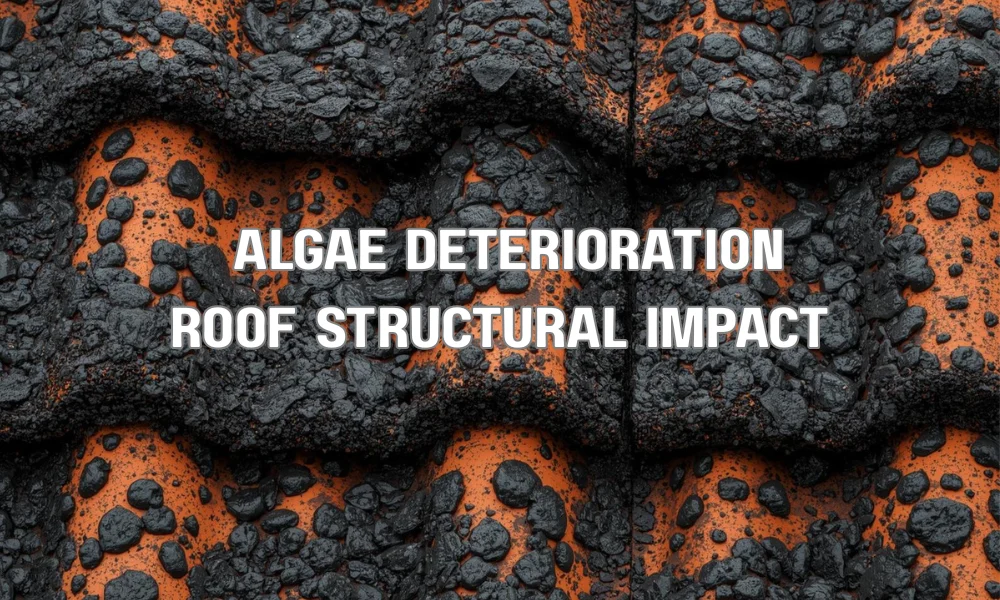
Algae damage to roof shingles occurs primarily through two mechanisms: moisture retention and granule degradation. The thick algal mats trap moisture against the shingle surface, preventing it from drying out properly and fostering the growth of moss and lichen, which can lift and curl shingles. More importantly, as Gloeocapsa magma consumes the limestone filler, it gradually dislodges the protective granules embedded in the asphalt. These granules are crucial for reflecting UV rays and protecting the asphalt layer, and their loss accelerates shingle breakdown, exposing the underlying asphalt to further environmental damage and premature aging.
Can roof algae impact my home’s energy efficiency?
Yes, roof algae can absolutely impact your home’s energy efficiency, particularly in a hot climate like Florida’s. The dark pigmentation of the Gloeocapsa magma absorbs more sunlight than a clean, lighter-colored roof. This increased heat absorption leads to higher roof surface temperatures, which in turn can transfer more heat into your attic and subsequently into your living spaces. This forces your air conditioning system to work harder and longer to maintain a comfortable indoor temperature, resulting in increased energy consumption and higher utility bills. A clean, reflective roof helps keep your home cooler and more energy-efficient.
Effective Strategies for Algae Removal and Prevention
Addressing roof algae requires a strategic approach that prioritizes the integrity of your roofing materials while effectively eradicating the growth. Simply blasting the algae off with high pressure can cause more harm than good, leading to costly repairs and voided warranties. Instead, understanding the best removal techniques and implementing proactive prevention methods are key to a long-lasting, clean roof.
What are the best methods for cleaning an algae-infested roof?
The best method for cleaning an algae-infested roof is professional soft washing. This technique involves applying a specialized, eco-friendly cleaning solution—typically a mixture of bleach, water, and a surfactant—at low pressure (similar to garden hose pressure). The solution effectively kills the algae, moss, and mildew at a cellular level, allowing them to rinse away naturally over time without damaging the delicate granules of asphalt shingles. Unlike pressure washing, which can strip granules, force water under shingles, and void warranties, soft washing safely and thoroughly restores your roof’s appearance and health.
Critical Fact 2: Soft washing is the only recommended method for cleaning asphalt shingle roofs, as high-pressure washing can cause irreversible damage and void manufacturer warranties.
How can I prevent black streaks from returning to my roof?
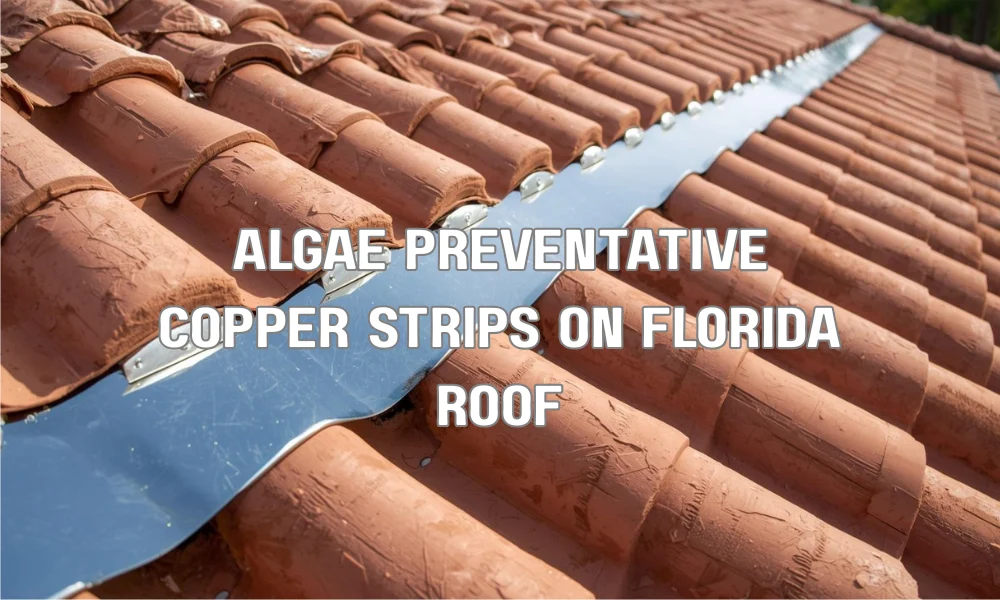
Preventing the recurrence of black streaks involves a combination of material choices and preventative installations. One highly effective method is to install zinc or copper strips along the ridges of your roof. As rainwater washes over these metallic strips, it picks up microscopic particles that are toxic to algae, inhibiting their growth down the roof surface. Another long-term solution is to choose algae-resistant shingles for new installations or roof replacements. These shingles are embedded with copper granules, which leach copper onto the roof surface over time, naturally deterring algal growth. Regular tree trimming to reduce shade and improve airflow can also help keep your roof drier, further discouraging algae.
Choosing the Right Professional for Roof Algae Treatment
When faced with significant roof algae, selecting the right professional for treatment is paramount. An experienced and reputable roof cleaning service understands the nuances of soft washing techniques, the appropriate cleaning solutions, and the specific challenges presented by Florida’s climate. Making an informed decision ensures your roof is treated effectively without incurring further damage.
When should I hire a professional for roof cleaning?
You should hire a professional for roof cleaning when you notice significant black streaks or other biological growth like moss and lichen, or if you lack the proper equipment, expertise, or comfort with working on roofs. Professionals have the necessary safety gear, specialized soft washing equipment, and proven cleaning agents that are both effective against algae and safe for your roofing materials. Attempting a DIY job without the right knowledge can lead to personal injury, roof damage, or inadequate cleaning results.
What questions should I ask a roof cleaning service?
When interviewing roof cleaning services, ask about their cleaning method (ensure it’s soft washing), their insurance coverage (liability and workers’ compensation), their experience with *Gloeocapsa magma* in Florida, and the specific cleaning solutions they use (ensuring they are shingle-safe and environmentally responsible). Inquire about their warranty on their cleaning service and ask for references or examples of their previous work. A reputable company will be transparent and able to provide satisfactory answers to all these questions, giving you confidence in their service.
Long-Term Roof Health: Maintenance and Material Choices
Protecting your roof from the persistent threat of *Gloeocapsa magma* in Florida is an ongoing endeavor that extends beyond initial cleaning. Long-term roof health hinges on consistent maintenance practices and, for new installations, making informed material choices that offer inherent resistance to biological growth. These proactive steps can significantly prolong your roof’s lifespan and preserve its aesthetic appeal and functional integrity.
What are algae-resistant shingles, and are they worth it?
Algae-resistant shingles, often branded as AR or “stain-resistant,” are asphalt shingles manufactured with copper granules integrated into their surface. As rain washes over these shingles, the copper ions are released, creating an environment inhospitable to *Gloeocapsa magma* and other forms of biological growth. In Florida’s high-humidity environment, these shingles are absolutely worth the investment. While they may have a slightly higher upfront cost, they offer long-term protection against black streaks, reduce the need for frequent cleaning, and often come with extended warranties specifically covering algal discoloration, saving homeowners money and hassle over the roof’s lifetime.
How often should I inspect my roof for algae growth?
You should inspect your roof for algae growth at least once a year, ideally in the cooler, drier months when growth might be less active but still visible. For Florida homeowners, a semi-annual inspection (spring and fall) is highly recommended due to the rapid growth rates. Look for the characteristic black streaks, green moss, or any signs of discoloration. Early detection allows for targeted soft washing before the growth becomes extensive and potentially damaging, ensuring your roof remains clean, efficient, and structurally sound for years to come.
Critical Fact 3: Regular roof maintenance, including professional soft washing every 1-3 years and installing preventative measures, can extend your roof’s lifespan by many years, preventing premature replacement costs.
Frequently Asked Questions
Why are there black streaks on my Florida roof?
The black streaks on your Florida roof are primarily caused by *Gloeocapsa magma*, a type of blue-green algae. This organism thrives in warm, humid climates and feeds on the limestone filler commonly found in asphalt shingles, developing a dark pigment for UV protection.
Is roof algae just a cosmetic issue, or does it cause damage?
Roof algae is not just cosmetic; it causes damage. It retains moisture, accelerating shingle degradation and fostering moss/lichen growth. More critically, as it consumes limestone, it dislodges protective granules, reducing your roof’s lifespan and reflective properties.
Can I clean the black streaks off my roof myself?
While DIY is possible, it’s generally not recommended. Walking on a roof can be dangerous, and using improper cleaning methods like high-pressure washing can severely damage shingles and void warranties. Professional soft washing is the safest and most effective approach.
What is soft washing, and why is it recommended for roofs?
Soft washing uses low-pressure water combined with specialized, biodegradable cleaning solutions to kill algae, mold, and mildew at their source. It’s recommended because it effectively cleans without damaging delicate roof granules, seals, or the integrity of your shingles.
Will pressure washing remove roof algae?
Pressure washing can remove surface algae, but it’s highly detrimental to asphalt shingles. The high force blasts off protective granules, can force water beneath shingles, and almost certainly voids your roof’s warranty. It’s not a recommended long-term solution.
How can I prevent roof algae from growing back?
Prevention includes installing zinc or copper strips along your roof ridge, which release algaecidal ions when it rains. Choosing algae-resistant shingles with embedded copper granules for new roofs also offers long-term protection against regrowth.
How long do algae-resistant shingles last compared to regular shingles?
Algae-resistant shingles generally have a similar lifespan to standard asphalt shingles (20-30 years) in terms of structural integrity. However, their copper-infused granules specifically resist algae growth for much longer, maintaining aesthetic appeal and preventing premature degradation from biological colonization.
Does roof algae affect my home’s energy bills?
Yes, roof algae can increase your energy bills. The dark pigmentation absorbs more solar heat, raising the temperature in your attic and home. This forces your air conditioning system to work harder, leading to higher electricity consumption, especially in Florida’s climate.
