Executive Summary
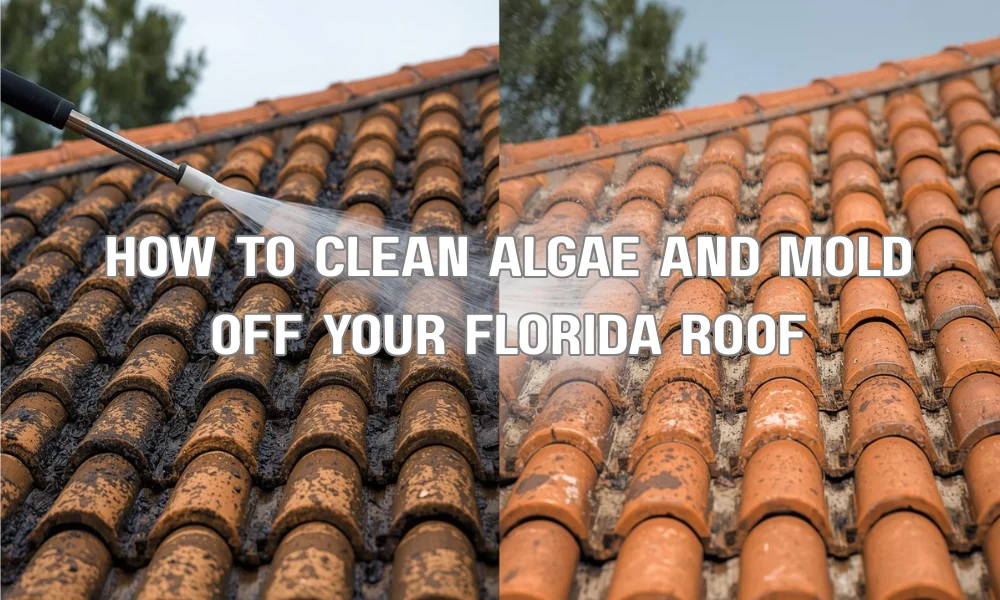
- Florida’s humid climate creates ideal conditions for tenacious algae and mold growth on roofs, necessitating specialized cleaning methods.
- Traditional high-pressure washing can severely damage roof shingles, void warranties, and reduce your roof’s lifespan, making it a risky choice.
- Soft washing, utilizing low-pressure water and EPA-approved cleaning solutions, safely and effectively removes biological growth without damaging roof surfaces.
- Effective roof cleaning extends the life of your roof, maintains curb appeal, and prevents potential structural damage from prolonged moisture retention.
- Regular professional cleaning is a crucial preventative measure, significantly reducing the recurrence of unsightly and damaging algae and mold infestations.
- Always prioritize safety by wearing appropriate PPE, securing ladders, and understanding chemical handling when attempting any roof cleaning.
- Selecting the right cleaning solution, often a bleach-based mix or proprietary cleaner, is vital for effectively killing and removing stubborn organic stains.
Understanding Florida’s Roof Challenges
Florida’s unique climate, characterized by high humidity, abundant sunshine, and frequent rainfall, creates a perfect breeding ground for various biological growths on roofs. Black algae (Gloeocapsa magma), moss, and lichen thrive in these warm, moist conditions, not only marring your home’s appearance but potentially causing significant structural damage over time. Addressing these issues promptly and correctly is crucial for maintaining your roof’s integrity and aesthetic appeal.
Critical Fact 1: The black streaks commonly seen on Florida roofs are primarily Gloeocapsa magma, a type of blue-green algae that feeds on limestone fillers in asphalt shingles.
Why do algae and mold thrive on Florida roofs?
Algae and mold flourish on Florida roofs primarily due to the state’s consistently high humidity and warm temperatures, which provide an ideal environment for microbial growth. The moisture retention on shaded roof areas, combined with the organic materials present in many roofing shingles, creates a nutrient-rich surface. This perpetual dampness prevents the growths from drying out, allowing them to proliferate rapidly across the roof surface.
What are the risks of ignoring roof algae and mold?
Ignoring roof algae and mold can lead to several severe problems for your home. These growths retain moisture against the roof surface, accelerating the deterioration of shingles and potentially leading to wood rot in underlying structures. They can also diminish your roof’s ability to reflect sunlight, increasing attic temperatures and energy bills, and will eventually void roof warranties due to premature material degradation. Furthermore, unchecked growth significantly detracts from your home’s curb appeal and market value.
Safe and Effective Cleaning Methods
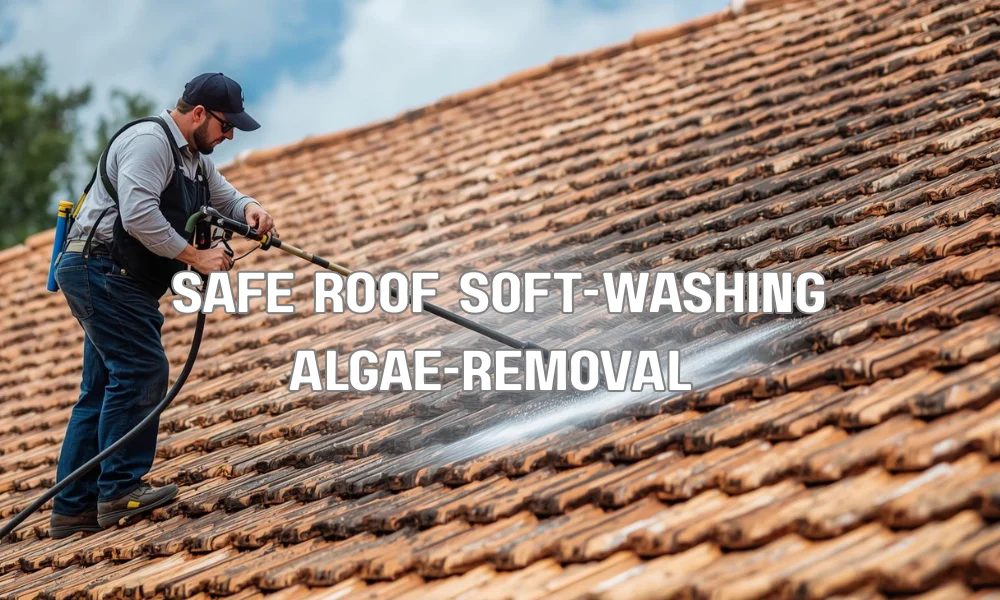
When it comes to cleaning your Florida roof, the method chosen is paramount to prevent damage. Soft washing is universally recognized as the safest and most effective technique for removing algae, mold, and other biological growths without compromising the roof’s structural integrity or warranty. This method employs specialized low-pressure equipment and biodegradable cleaning solutions designed to kill microorganisms at their root.
What is soft washing, and why is it recommended for roofs?
Soft washing is a specialized cleaning technique that uses low-pressure water streams, typically no more powerful than a garden hose, combined with effective cleaning solutions to safely remove stains, mildew, algae, and bacteria from roofs. It is highly recommended for roofs because it avoids the harsh impact of high-pressure washing, which can strip granular surfaces off asphalt shingles, dislodge tiles, or force water beneath flashing, thereby causing costly damage. The cleaning solutions do the heavy lifting, dissolving organic growth, which is then gently rinsed away.
How do cleaning solutions work to remove algae and mold?
Cleaning solutions, often containing sodium hypochlorite (bleach) as the primary active ingredient, work by killing the algae, mold, and mildew at a cellular level. Surfactants are added to help the solution adhere to the roof surface and penetrate the organic growth. Once applied, the solution breaks down the microorganisms and lifts the stains, allowing them to be gently rinsed away without abrasive scrubbing. This chemical action is crucial for not just cleaning the surface but also inhibiting future growth for an extended period.
Critical Fact 2: High-pressure washing (over 100 PSI) can remove up to 50% of a shingle’s protective granules in a single application, drastically shortening roof lifespan.
What are the best cleaning solutions for Florida roofs?
The best cleaning solutions for Florida roofs typically involve a carefully proportioned mix of sodium hypochlorite (household bleach), water, and a surfactant. A common professional blend might be 1 part 10-12% sodium hypochlorite to 2-3 parts water, with a small amount of an exterior-grade soap or surfactant. There are also proprietary roof cleaning solutions available from brands like Wet & Forget or OxiClean, specifically formulated to target algae and mold without harsh scrubbing. Always follow manufacturer instructions for these commercial products.
| Solution Type | Primary Active Ingredient | Application Method | Pros | Cons |
|---|---|---|---|---|
| Bleach-based (DIY) | Sodium Hypochlorite | Low-pressure spray | Highly effective, economical | Can damage plants, requires careful handling |
| Proprietary Cleaners (e.g., Wet & Forget) | Quaternary Ammonium Compounds | Low-pressure spray, no rinse | Easy to use, long-lasting preventative | Slower results, can be more expensive |
| Oxygen Bleach (e.g., OxiClean) | Sodium Percarbonate | Low-pressure spray | Eco-friendlier, less harsh on plants | Less effective on severe black algae, slower acting |
| Commercial Roof Cleaner Concentrates | Varies (often bleach-based with surfactants) | Specialized soft wash equipment | Professional strength, quick results | Requires expert application, higher cost |
Safety First: DIY vs. Professional
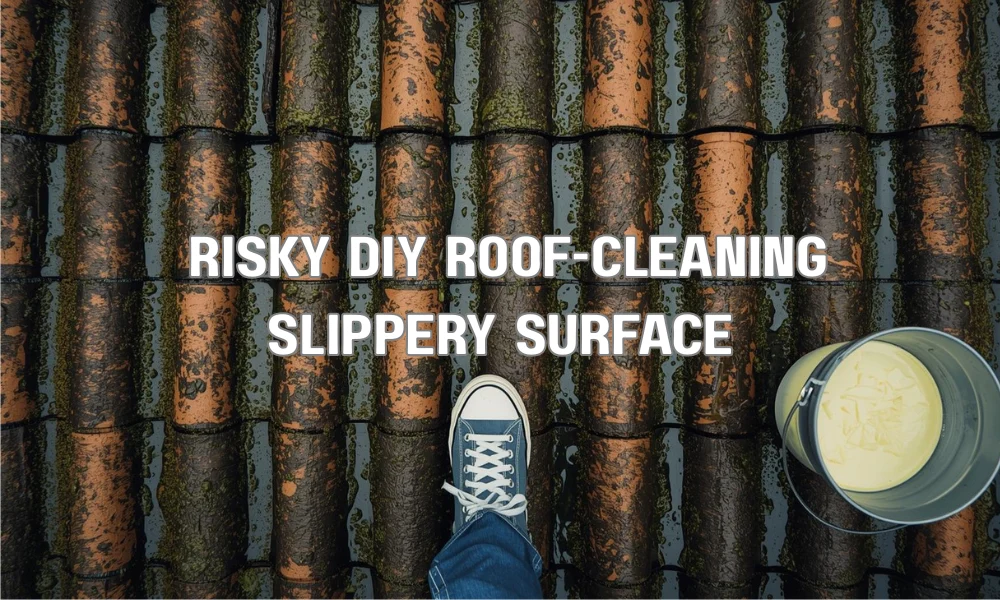
While the temptation to save money through DIY roof cleaning is strong, the inherent risks associated with working on a roof, especially in Florida’s often slippery conditions, cannot be overstated. From ladder safety to chemical handling and potential roof damage, understanding when to call a professional is a critical decision for homeowner safety and property protection.
What safety precautions are essential for DIY roof cleaning?
Essential safety precautions for DIY roof cleaning include wearing non-slip shoes with good traction, using a stable, properly secured ladder that extends at least three feet above the roofline, and always having a spotter. Personal Protective Equipment (PPE) such as safety glasses or goggles, chemical-resistant gloves, and long sleeves/pants are crucial to protect against cleaning solutions. Never work on a wet or windy roof, and avoid working alone. Always disconnect power to any external electrical components near the roof before you begin.
When should you hire a professional roof cleaning service?
You should hire a professional roof cleaning service if your roof has a steep pitch, if you are uncomfortable working at heights, or if you lack the proper safety equipment and soft washing tools. Professionals have specialized training, commercial-grade equipment, and liability insurance, offering peace of mind. For severe, long-standing infestations or delicate roofing materials, their expertise ensures effective cleaning without damage, protecting both your property and your personal safety.
Prevention and Maintenance
Once your roof is clean, implementing preventative measures is key to delaying the return of algae and mold. Florida’s environment demands a proactive approach, combining strategic landscaping with innovative roof treatments to maintain a pristine and healthy roof for years to come.
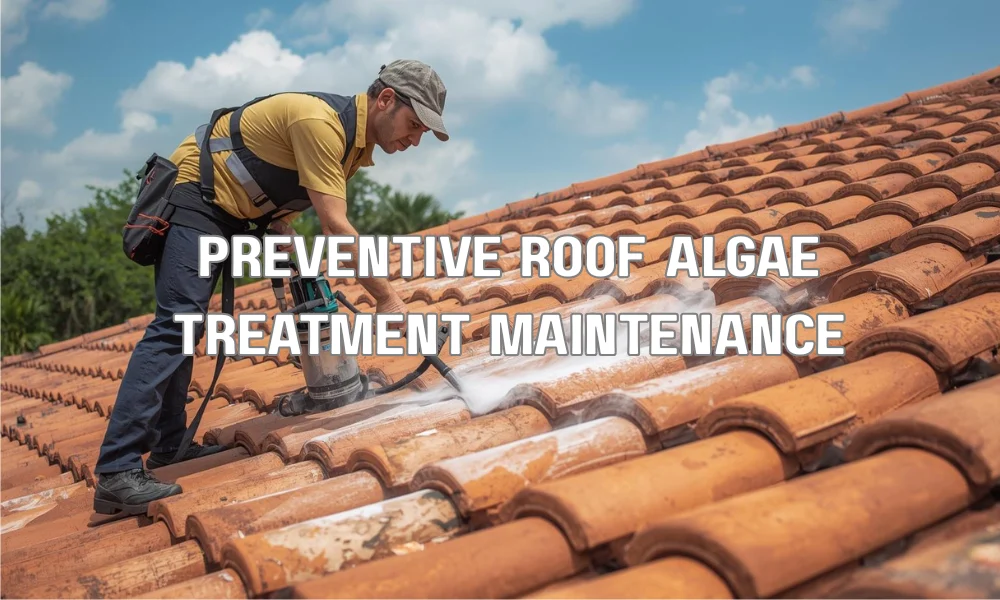
How can you prevent future algae and mold growth on your roof?
Preventing future algae and mold growth involves several strategies. Installing zinc or copper strips along the roof ridge creates an environment where metallic ions wash down with rain, inhibiting growth. Trimming overhanging tree branches reduces shade and keeps leaves and debris from accumulating, promoting faster drying of the roof surface. Regular, light soft washing every 1-2 years can also effectively keep new growth at bay. Additionally, ensuring proper attic ventilation reduces humidity, which helps keep the roof surface drier.
**Critical Fact 3:** The average cost of professional soft wash roof cleaning in Florida ranges from $300 to $800, depending on roof size and complexity, significantly less than roof replacement costs.
Frequently Asked Questions
Is pressure washing safe for my Florida roof?
No, high-pressure washing is generally not safe for most Florida roofs, especially asphalt shingles. The intense force can strip away protective granules, weaken shingles, dislodge tiles, and force water into attic spaces, leading to costly damage and voiding warranties. Soft washing is the recommended method.
How often should I clean my roof in Florida?
Given Florida’s humid climate, it’s advisable to have your roof professionally cleaned every 18-36 months, or whenever you notice significant algae, mold, or lichen growth. Regular cleaning prevents build-up and maintains your roof’s health and appearance.
Can algae and mold damage my roof structure?
Yes, algae and mold can cause significant damage. They retain moisture, which can accelerate shingle deterioration, lead to wood rot in the underlying decking, and reduce your roof’s reflective properties, increasing energy bills.
What are those black streaks on my roof?
Those black streaks are typically Gloeocapsa magma, a type of blue-green algae. This algae feeds on the limestone filler in asphalt shingles and thrives in Florida’s warm, humid conditions. It is unsightly and can shorten the lifespan of your roof.
Are roof cleaning chemicals harmful to my landscaping or pets?
Many professional roof cleaning solutions are biodegradable and safe when properly applied. However, bleach-based solutions can harm plants if not diluted or rinsed correctly. Professionals take precautions to protect landscaping by pre-wetting plants and thoroughly rinsing. Always consult your service provider about their environmental practices.
Does cleaning my roof extend its lifespan?
Yes, regular and proper roof cleaning can significantly extend your roof’s lifespan. By removing destructive organisms that trap moisture and degrade materials, cleaning prevents premature wear and tear, helping your roof last closer to its intended duration.
Can I clean my roof myself, or should I hire a professional?
While DIY is possible for very minor, easily accessible issues, hiring a professional is generally recommended. They possess the proper safety equipment, specialized soft wash tools, and expertise in handling chemicals to ensure the job is done safely and effectively without damaging your roof or surrounding property.
Will my roof warranty be voided if I clean it incorrectly?
Yes, many roofing manufacturers specify acceptable cleaning methods in their warranty terms. Using high-pressure washing or abrasive cleaning techniques can void your roof warranty due to potential material damage. Always check your warranty details or consult a professional.