
Executive Summary
- Regular, professional pre-season roof inspections are paramount for identifying and rectifying vulnerabilities before hurricane impacts, preventing costly extensive damage.
- Optimizing commercial roof drainage systems is critical to prevent water accumulation and structural stress from torrential hurricane rainfall, ensuring efficient water shedding.
- Reinforcing roof edges, securing rooftop equipment, and choosing high-performance, impact-resistant materials significantly enhance a commercial roof’s resilience against extreme winds.
- Developing a clear, actionable emergency plan with designated responsibilities and contact information streamlines pre-storm preparations and post-storm recovery efforts effectively.
- Leveraging drone technology for inspections and real-time weather monitoring provides predictive insights, enabling proactive roof maintenance and securing prior to severe weather.
- Immediate, safe post-hurricane damage assessment, thorough documentation, and prompt temporary repairs are crucial for mitigating further loss and facilitating insurance claims.
Understanding the Hurricane Threat to Commercial Roofs
Why is a pre-season inspection crucial?
A pre-season inspection is crucial because it allows commercial property owners to proactively identify and address potential vulnerabilities in their roofing systems before hurricane season begins. Catching minor issues like loose flashing, degraded sealants, or compromised membrane sections early prevents them from escalating into catastrophic failures under severe weather conditions. This preventative approach significantly reduces the risk of expensive emergency repairs, business interruption, and long-term structural damage.
Critical Fact 1: Up to 90% of hurricane-related property damage is preventable through proper pre-storm mitigation measures, with roof integrity being a primary factor.
What are the common commercial roof vulnerabilities during hurricanes?
Commercial roofs frequently exhibit several vulnerabilities during hurricanes, primarily due to intense wind uplift, torrential rainfall, and flying debris. Wind uplift can cause entire roof sections or individual components like coping and flashing to detach, leading to widespread water intrusion. Compromised seams, punctures, or clogged drainage systems exacerbate water damage, overwhelming the roof’s ability to shed water efficiently. Furthermore, loose rooftop equipment, such as HVAC units or vents, can become missiles, causing significant impact damage to the roof surface and adjacent structures.
Proactive Strengthening and Maintenance
How can drainage systems be optimized for heavy rainfall?
Optimizing commercial roof drainage systems for heavy rainfall involves several key actions, including rigorous cleaning, capacity upgrades, and strategic additions. Regularly clearing gutters, downspouts, and scuppers of debris like leaves and sediment is fundamental to ensure unobstructed water flow. Property managers should also consider increasing the number or size of downspouts if the existing system proves inadequate for handling anticipated hurricane-level precipitation. Installing overflow drains provides an essential backup, preventing water from pooling on the roof and exceeding its load-bearing capacity, which is especially critical for flat or low-slope roofs. Additionally, sloped insulation can be incorporated during re-roofing projects to create positive drainage, actively directing water towards drain points and eliminating stagnant areas.
What material upgrades enhance hurricane resistance?
Material upgrades significantly enhance hurricane resistance by increasing the roof’s ability to withstand extreme winds and water intrusion. Opting for mechanically attached or fully adhered roofing systems like TPO, PVC, or EPDM with enhanced fastening patterns provides superior uplift resistance compared to loosely laid or ballasted systems. Reinforcing roof perimeters with high-gauge metal coping and secure flashing details prevents the initial points of wind entry that can peel back an entire roof. Using impact-resistant cover boards and membranes beneath the primary roofing material adds an extra layer of protection against flying debris, further safeguarding the roof’s integrity during a storm.
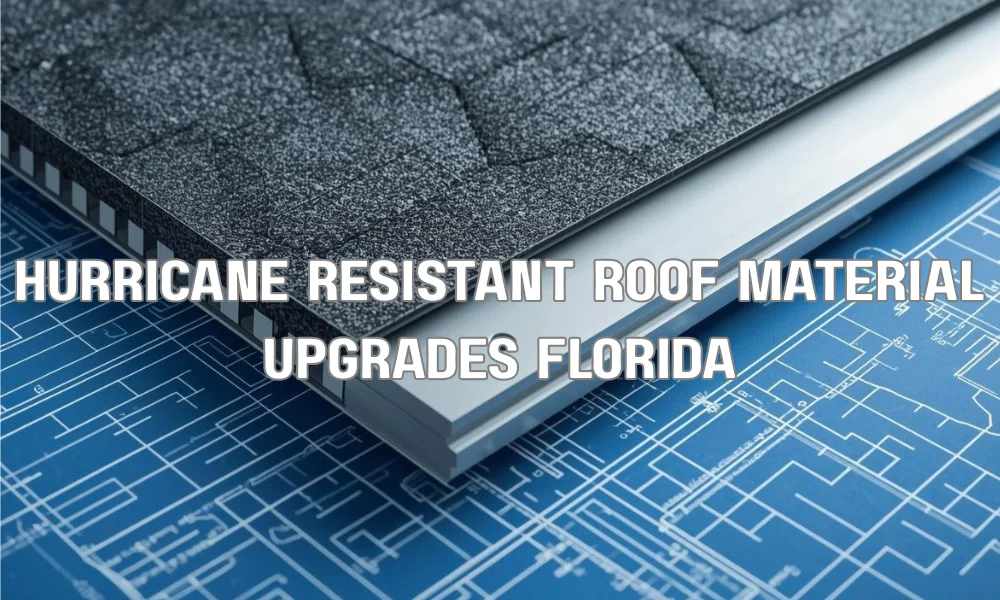
Commercial roofing materials vary widely in their hurricane resilience, lifespan, and cost. Below is a comparison of common options, highlighting aspects crucial for hurricane preparation:
| Material Type | Primary Advantages for Hurricanes | Typical Lifespan | Average Cost (per sq. ft. installed) |
|---|---|---|---|
| TPO (Thermoplastic Polyolefin) | Excellent wind uplift resistance (mechanically fastened/adhered), heat-welded seams, durable against punctures. | 15-20 years | $7.00 – $12.00 |
| PVC (Polyvinyl Chloride) | Superior seam strength (heat-welded), highly resistant to chemicals, punctures, and standing water. | 20-30 years | $8.00 – $15.00 |
| EPDM (Ethylene Propylene Diene Monomer) | Flexible, good hail resistance, available in large sheets reducing seams, cost-effective. | 20-30 years | $6.00 – $11.00 |
| Modified Bitumen | Strong puncture resistance, multiple layers provide redundancy, good wind resistance when properly adhered. | 15-25 years | $6.00 – $10.00 |
| Built-Up Roof (BUR) | Exceptional durability and longevity, multiple plies offer robust protection against punctures and water. | 20-40 years | $5.00 – $12.00 |
Critical Fact 2: A commercial roof’s perimeter is its most vulnerable point during high winds, experiencing up to three times more uplift pressure than the field of the roof. Reinforcing edges is non-negotiable for hurricane resilience.
Developing a Comprehensive Emergency Plan
What critical steps should be in your hurricane emergency plan?
Your hurricane emergency plan must outline critical steps for before, during, and after a storm, ensuring a coordinated and effective response. Before a storm, designate a specific team responsible for securing all loose rooftop equipment, clearing drains, and performing final visual inspections. Establish clear communication protocols for key personnel, tenants, and emergency services. During the storm, ensure all personnel are safely evacuated or sheltered according to local guidelines. Post-storm, detail procedures for initial damage assessment, documenting losses with photos and videos, and initiating temporary repairs to prevent further damage. The plan should also include contact information for roofing contractors, insurance adjusters, and essential suppliers.
How does technology assist in pre-storm preparation?
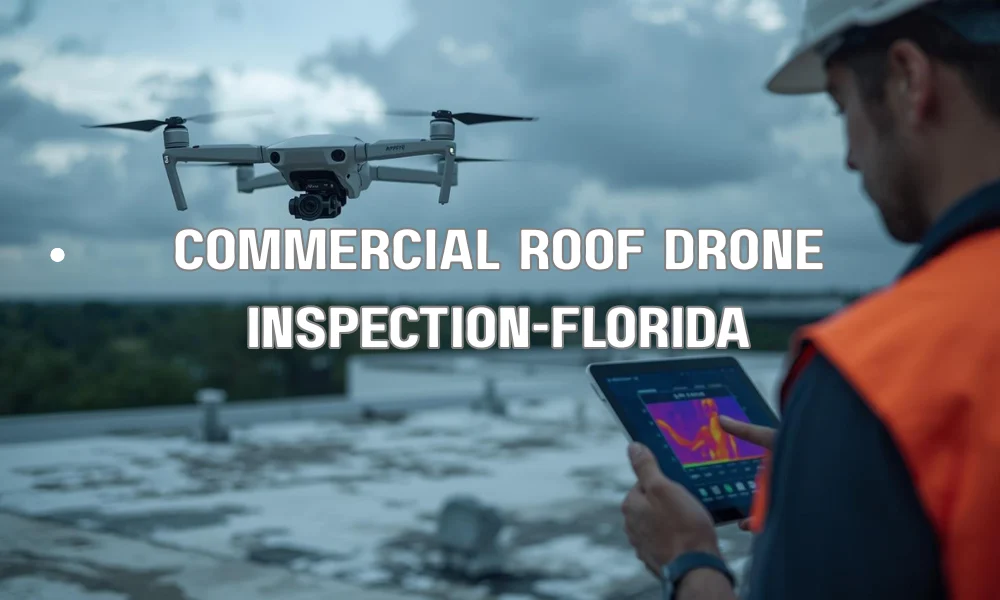
Technology significantly enhances pre-storm preparation by offering advanced monitoring, inspection, and analytical capabilities. Drone technology allows for rapid, safe, and detailed inspections of large commercial roofs, identifying vulnerabilities that might be missed by manual checks. Advanced weather forecasting tools provide precise storm trajectories and intensity predictions, giving property managers ample time to execute their emergency plans. Remote sensors can monitor roof moisture levels and structural integrity, alerting owners to potential issues even before a storm hits. Predictive analytics, utilizing historical weather data and building information, can model potential damage scenarios, helping to prioritize reinforcement efforts and allocate resources effectively.
Post-Hurricane Action and Recovery
What immediate actions are necessary post-hurricane?
Immediate post-hurricane actions must prioritize safety, assessment, documentation, and temporary repairs to minimize further loss. First, ensure the building is safe to enter and inspect, checking for structural integrity, downed power lines, or gas leaks. Once safe, conduct an initial visual assessment of the roof, looking for obvious damage like missing membrane, punctures, or standing water. Document all damage meticulously with dated photographs and videos from multiple angles, as this is crucial for insurance claims. Implement immediate temporary repairs, such as tarping compromised areas, to prevent water intrusion into the building’s interior, protecting assets and preventing mold growth. Finally, contact your commercial roofing contractor and insurance provider as soon as possible to report the damage and schedule professional assessments.
Critical Fact 3: Failing to document roof damage thoroughly with photos and videos immediately after a hurricane is one of the biggest pitfalls in the insurance claim process, often leading to claim denials or undervalued settlements.
Frequently Asked Questions
How often should a commercial roof be inspected before hurricane season?
It’s recommended to have a professional commercial roof inspection at least once annually, ideally in late spring or early summer, well before hurricane season officially begins. This allows ample time to address any identified issues.
Can my insurance policy cover hurricane roof damage?
Most commercial property insurance policies include coverage for hurricane damage, but deductibles and specific terms can vary widely. Review your policy thoroughly and understand any hurricane-specific clauses or waiting periods.
What is wind uplift, and why is it dangerous for roofs?
Wind uplift is the suction force created by high winds passing over a roof, pulling it upwards. It’s dangerous because it can detach roofing materials from the deck, leading to widespread structural failure and water infiltration.
Should I remove rooftop solar panels before a hurricane?
Generally, permanently installed solar panels are designed to withstand significant wind loads. Consult with your solar installer and roofing professional; temporary removal is usually not necessary unless panels are already damaged or poorly secured.
What constitutes “temporary repairs” post-hurricane?
Temporary repairs involve immediate actions like tarping damaged areas, clearing debris from drains, and securing loose elements to prevent further water intrusion and mitigate immediate hazards until permanent repairs can be scheduled.
How do I choose a reliable roofing contractor for hurricane repairs?
Look for contractors with experience in hurricane damage repair, proper licensing and insurance, local references, and a clear understanding of your specific roofing system. Avoid contractors who solicit aggressively or demand full payment upfront.
What role does a roof warranty play in hurricane damage?
A roof warranty typically covers manufacturing defects or installation errors, but often excludes damage from “acts of God” like hurricanes. Check your specific warranty terms, as some extended warranties may offer broader coverage.
Are there government grants or assistance programs for hurricane roof repairs?
Yes, federal and state agencies, like FEMA or Small Business Administration (SBA), may offer disaster assistance programs, grants, or low-interest loans for businesses affected by declared disasters. Research available options post-storm.
