
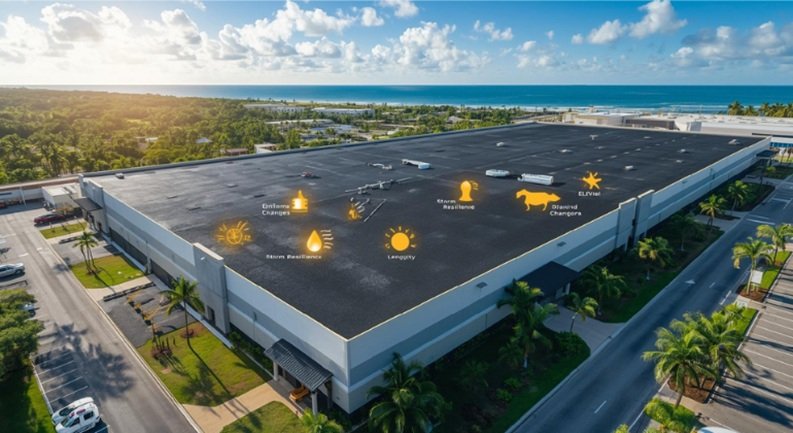
What is EPDM Roofing? Your Definitive Guide for South Florida Properties
Understanding EPDM Roofing: A South Florida Perspective
EPDM (Ethylene Propylene Diene Monomer) is far more than just “rubber roofing.” It’s a high-performance synthetic rubber membrane that has been a cornerstone of low-slope roofing systems for decades. For property owners in Fort Lauderdale and Hollywood, understanding EPDM means understanding a roofing solution built to endure the elements that define our region.
The Genesis of a Resilient Material
First introduced as a roofing material in the 1960s, EPDM quickly gained traction due to its incredible durability and resistance to harsh environmental conditions. Its molecular structure, a unique blend of ethylene, propylene, and a diene monomer, creates a highly stable and flexible material. This innovative composition is precisely what makes it so well-suited for the demanding South Florida climate, where intense UV radiation, high humidity, and the threat of severe weather events are constants.
Why EPDM Thrives on Low-Slope Roofs in Fort Lauderdale
EPDM is specifically engineered for flat and low-slope roofs – the kind commonly found on commercial buildings, industrial facilities, and many modern residential extensions or garages across Fort Lauderdale, Hollywood, and beyond. Its seamless or minimally seamed design minimizes potential leak points, a critical advantage in an area prone to torrential downpours and hurricane-force winds. We’ve seen firsthand how EPDM’s robust nature provides peace of mind when other materials might falter.
Key Takeaways:
- EPDM (Ethylene Propylene Diene Monomer) is a durable synthetic rubber roofing membrane widely used for low-slope commercial and residential applications in South Florida.
- Known for its exceptional longevity, resistance to weathering, intense UV radiation, and temperature extremes, making it ideal for our climate.
- Offers a cost-effective and low-maintenance roofing solution with flexible installation options, all within Florida Building Code compliance.
- Contributes to energy efficiency (especially white EPDM) and can be a sustainable choice due to its long service life and recyclability.
The Science Behind EPDM’s Durability in a Tropical Climate
The resilience of EPDM roofing isn’t accidental; it’s a result of advanced material science perfectly aligned with the challenges of the South Florida environment. Shieldline Roofing emphasizes understanding these fundamental properties because they directly translate into the performance and protection your property receives.
Composition: A Synthetic Rubber Powerhouse
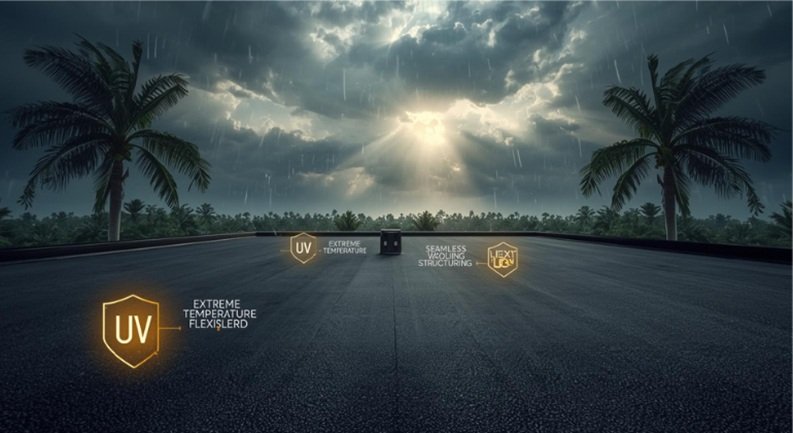
At its core, EPDM is a sophisticated synthetic rubber polymer. This unique blend provides a level of elasticity and strength that few other roofing materials can match. Unlike traditional asphalt-based systems that can become brittle with age and UV exposure, EPDM maintains its flexibility across a wide temperature spectrum. This is crucial for roofs in Fort Lauderdale, which experience significant thermal expansion and contraction daily due to intense sun and cooler nights.
Unrivaled Resistance to Florida’s Elements
- Ozone and UV Radiation: South Florida experiences some of the highest levels of UV radiation in the country. EPDM boasts inherent resistance to ozone and UV degradation, which prevents cracking, chalking, and premature aging – common issues for lesser materials.
- Chemical Resilience: While not impervious to all chemicals, EPDM offers good resistance to common atmospheric pollutants and occasional chemical exposure, ensuring its integrity over time.
- Temperature Extremes: EPDM is built to perform. This material can withstand temperatures from -62°F to 300°F, a range that comfortably covers even the hottest South Florida summers and any rare cold snaps. This stability prevents thermal shock damage that can plague other roofing types.
This remarkable chemical and physical stability means an EPDM roof installed by Shieldline Roofing is a long-term investment, offering superior protection against the relentless sun, humid air, and corrosive salt prevalent in our coastal communities.
Flexibility and Dimensional Stability
The inherent elasticity of EPDM allows it to accommodate building movement and structural shifts without compromising its watertight seal. This flexibility is particularly beneficial in areas like South Florida, where building settlement and high winds can exert significant stress on a roof system. Coupled with its excellent dimensional stability, EPDM resists shrinking or stretching, maintaining its original footprint and preventing undue stress on seams and flashings – areas critical for hurricane resistance.
Why EPDM is an Advantageous Choice for Fort Lauderdale & Hollywood
Choosing the right roofing material for your South Florida property is a critical decision. Shieldline Roofing recommends EPDM for numerous reasons, all directly tied to its exceptional performance in our challenging climate and its adherence to the stringent Florida Building Code (FBC).
Exceptional Durability and Longevity for Coastal Living
EPDM roofs are renowned for their incredible lifespan. They stand up remarkably well to the severe weather common in our region, from relentless UV exposure and torrential rains to the high winds of tropical storms and hurricanes. With proper installation by a licensed contractor like Shieldline Roofing and routine maintenance, EPDM roofs typically last 30-50 years, often exceeding other single-ply membranes. This longevity translates into significant long-term savings and fewer disruptions for your home or business.
Superior Weather Resistance: A Shield Against South Florida Storms
Our experience in Fort Lauderdale and Hollywood shows that EPDM’s resistance to weathering is unmatched. It holds up against:
- Hail: Its elasticity helps absorb impact, resisting punctures.
- Wind: When properly adhered or mechanically fastened according to FBC wind-load requirements (especially within HVHZ zones), EPDM systems offer excellent uplift resistance.
- Rain: Its monolithic or highly sealed surface provides a formidable barrier against water intrusion, a paramount concern during Florida’s rainy season and hurricanes.
- Solar Radiation: The inherent UV stability prevents material breakdown, preserving the roof’s integrity and aesthetic over decades.
Cost-Effectiveness and Energy Efficiency: Smart Investing in Florida
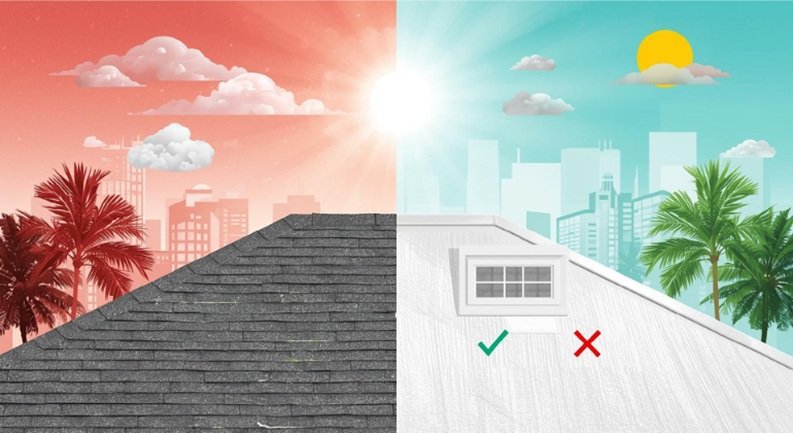
EPDM presents a highly competitive material cost, and its straightforward installation methods often lead to lower labor costs compared to more complex systems. When you factor in its extraordinary lifespan and minimal maintenance requirements, EPDM offers compelling long-term value, offsetting initial investment. Furthermore, the availability of white EPDM membranes provides a significant energy-saving advantage in our hot climate. These “cool roofs” reflect a substantial portion of the sun’s energy, reducing roof surface temperatures by up to 50-60°F compared to traditional black roofs, leading to significant HVAC savings and lower energy bills for your Fort Lauderdale or Hollywood property. This aligns perfectly with sustainable building practices and local efforts to combat the urban heat island effect.
Simplified Installation and Minimal Maintenance
EPDM’s flexibility and large sheet sizes simplify the installation process, which can translate to quicker project completion and less disruption. Shieldline Roofing’s expert crews are highly skilled in all EPDM installation methods, ensuring strict adherence to manufacturer specifications and Florida Building Code. Once installed, EPDM is remarkably low maintenance. Regular inspections and basic cleaning are usually all that’s required, freeing up your time and resources for what matters most.
Addressing EPDM Considerations for Optimal Performance in South Florida
While EPDM boasts numerous advantages, a responsible contractor like Shieldline Roofing believes in providing a complete picture. Understanding potential considerations allows us to implement best practices during installation and guide you toward the best long-term solution for your Fort Lauderdale or Hollywood property.
Aesthetic Preferences and Color Options
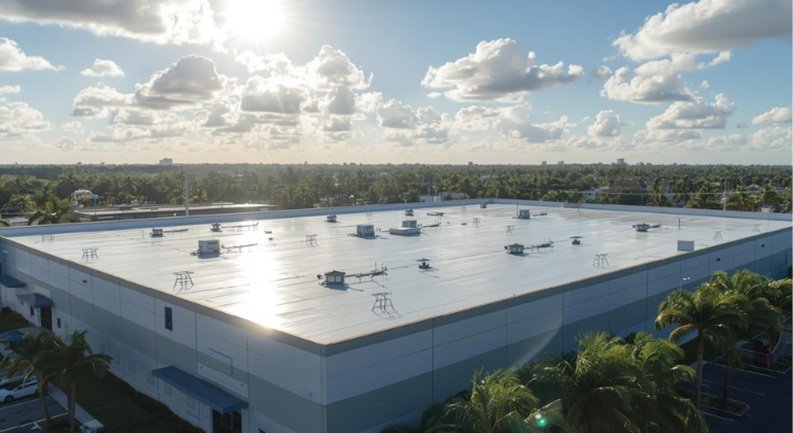
Traditionally, EPDM has been known for its dark, black appearance. While highly functional, this aesthetic may not align with all architectural styles or personal preferences. However, this consideration is largely mitigated by the increasing popularity and availability of white EPDM membranes. White EPDM offers the same exceptional performance with added solar reflectivity, making it an excellent choice for energy efficiency in our sunny climate while providing a lighter, more modern look.
Puncture Susceptibility and Rooftop Access
Like many single-ply membranes, EPDM is susceptible to punctures from sharp objects, such as dropped tools, falling debris, or careless foot traffic. This doesn’t mean it’s fragile; it simply means careful consideration is needed for rooftop access and maintenance. Shieldline Roofing advises property owners on best practices for protecting their EPDM roof, including designated walkways or protective mats for areas with frequent access, ensuring the roof’s integrity over its long life.
The Critical Role of Seam Integrity in High-Precipitation Zones
EPDM is often installed in large sheets, but seams are inevitable on most roofs. The integrity of these seams is paramount to preventing water intrusion, especially in a region like South Florida with its heavy rainfall and potential for hurricane-driven rain. This highlights the absolute necessity of hiring a highly skilled and experienced roofing contractor. Shieldline Roofing’s technicians are meticulously trained in EPDM seaming techniques, utilizing advanced primers, tapes, and adhesives to create robust, watertight bonds that meet or exceed Florida Building Code standards, providing exceptional protection against our intense weather events.
EPDM Installation Methods: Engineered for South Florida’s Demands
The success and longevity of an EPDM roof system in Fort Lauderdale and Hollywood hinge significantly on the chosen installation method and the meticulous execution by a certified contractor. Shieldline Roofing offers various EPDM installation techniques, each selected based on specific project requirements, structural considerations, and strict adherence to the Florida Building Code (FBC), particularly for wind uplift resistance in our High-Velocity Hurricane Zone (HVHZ).
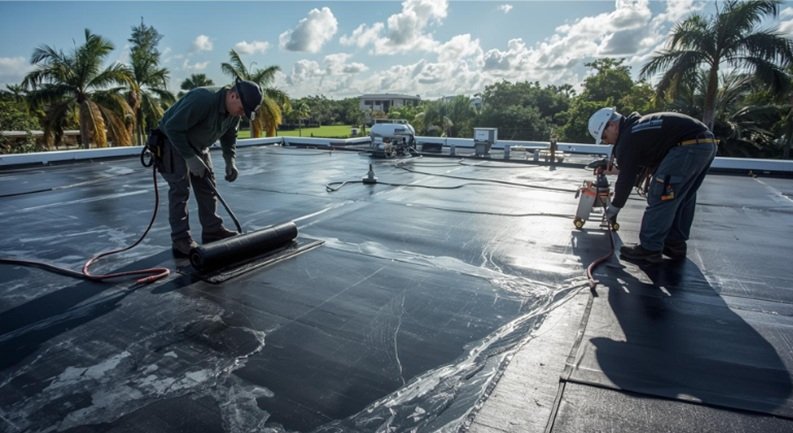
Fully Adhered Systems: Maximum Security
In a fully adhered EPDM system, the membrane is securely bonded directly to the approved substrate using a specialized adhesive. This method creates a highly robust and integrated roofing surface that resists wind uplift exceptionally well, making it a preferred choice for many properties in hurricane-prone South Florida. The absence of mechanical fasteners protruding through the membrane also creates a clean, continuous surface, minimizing potential leak points. Shieldline Roofing meticulously prepares the substrate to ensure optimal adhesion, a critical step for longevity in our humid climate.
Mechanically Attached Systems: Balanced Performance
Mechanically attached EPDM systems utilize plates and fasteners to secure the membrane to the roof deck. The EPDM sheets are laid out, and then insulation boards (if applicable) and the membrane are secured with screws and plates along the seams or in a grid pattern. Overlapping sheets are then sealed at the seams. This method is often chosen for its cost-effectiveness and adaptability to various deck types. Shieldline Roofing ensures that all mechanical attachments meet or exceed the specific wind-load requirements outlined in the Florida Building Code for your property’s location, guaranteeing a secure and compliant installation.
Ballasted Systems: Time-Tested Simplicity (with considerations)
Ballasted EPDM systems involve loosely laying the EPDM membrane over the roof deck and then holding it in place with a layer of ballast, typically smooth river rock, pavers, or concrete blocks. While this can be a very economical installation method and offers additional thermal mass, its suitability for South Florida is often limited. The sheer weight of the ballast requires significant structural capacity, and local building codes for wind resistance (especially in HVHZ areas) often make it less practical than adhered or mechanically fastened systems. However, for specific projects with adequate structural support and local code approval, it can be a viable option, carefully assessed by Shieldline Roofing.
Our Best Practices: Beyond Code Compliance
Regardless of the chosen method, Shieldline Roofing’s installation philosophy centers on comprehensive substrate preparation, meticulous flashing details around penetrations and parapets, and highly skilled workmanship. We understand that a roof’s weakest points are often its edges and penetrations, which is why our teams are rigorously trained to execute these details flawlessly. Our commitment is to install an EPDM system that not only meets but exceeds FBC requirements, providing your Fort Lauderdale or Hollywood property with decades of watertight, wind-resistant protection.
Maximizing Your EPDM Roof’s Lifespan: Maintenance and Repair in South Florida
Investing in an EPDM roof is a wise decision for South Florida properties, and with Shieldline Roofing, that investment is protected through expert installation and guidance on proper upkeep. While EPDM is notably low-maintenance, a proactive approach to its care can significantly extend its impressive lifespan, ensuring continuous protection against our unique climate challenges.
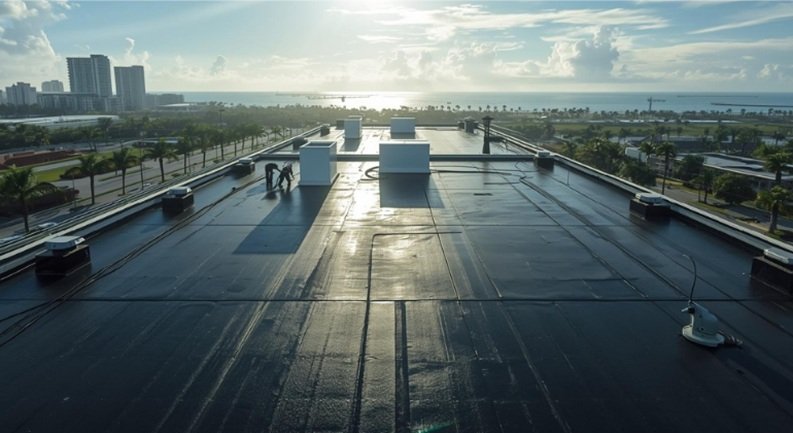
Routine Inspection: Your First Line of Defense
We recommend a professional roof inspection at least once a year, and especially after severe weather events like tropical storms or hurricanes. Shieldline Roofing offers comprehensive inspection services to identify potential issues before they escalate. During inspections, we look for:
- Accumulated debris that could impede drainage.
- Small punctures, tears, or scuffs from foot traffic or falling objects.
- Damage to flashing around skylights, vents, and other penetrations.
- Signs of pooling water, which can stress the membrane over time.
- Separation or degradation of seams, a critical area for watertight integrity.
Early detection is key to cost-effective maintenance and prevents minor issues from becoming major repairs, safeguarding your property in Fort Lauderdale and Hollywood.
Simple Cleaning for Optimal Performance
Keeping your EPDM roof clean is straightforward but essential. Regularly remove leaves, branches, dirt, and other debris, especially from drainage areas. Clogged drains and gutters can lead to standing water, which, while EPDM is highly water-resistant, can still put undue stress on the system and encourage algae growth in our humid environment. For general cleaning, a soft-bristle broom and water are usually sufficient. For tougher stains or algae, Shieldline Roofing can recommend appropriate, EPDM-safe cleaning solutions that won’t compromise the membrane.
Easy Repairability: Extending Your Roof’s Life
One of EPDM’s significant advantages is its ease of repair. Minor punctures, small tears, or even seam separation can typically be fixed quickly and effectively. Shieldline Roofing uses specialized EPDM patching tapes, liquid sealants, and primers that chemically bond to the existing membrane, creating a seamless, watertight repair. This ability to easily mend localized damage means that a small issue doesn’t necessitate an entire roof section replacement, significantly extending the overall life of your roof and protecting your investment in your Fort Lauderdale or Hollywood property.
EPDM Roofing in the South Florida Market: Cost vs. Value
For homeowners and business owners in Fort Lauderdale, Hollywood, and across South Florida, understanding the cost of a roofing system is always a primary concern. Shieldline Roofing helps clients evaluate EPDM not just on its upfront price, but on its exceptional long-term value, especially when considering our region’s specific climate and building code requirements.
Understanding Material Costs and Influencing Factors
The material cost of EPDM per square foot can vary based on several factors, including membrane thickness (e.g., 45-mil vs. 60-mil), whether it’s black or white (white EPDM can be slightly higher due to added reflectivity properties), and manufacturer. Thicker membranes, while slightly more expensive upfront, often provide enhanced durability and puncture resistance, offering superior protection against hail and debris, which can be a valuable consideration in storm-prone South Florida. Shieldline Roofing works with trusted suppliers to ensure you receive high-quality materials that meet industry standards and FBC specifications.
Installation Labor: Expertise Matters for Florida Codes
Installation labor costs for EPDM are influenced by the project’s size, roof complexity (e.g., number of penetrations, skylights, parapet walls), and the chosen installation method (fully adhered vs. mechanically attached). For projects in Fort Lauderdale and Hollywood, labor costs also reflect the expertise required to comply with the stringent Florida Building Code and specific HVHZ requirements. Shieldline Roofing employs highly trained, licensed professionals who understand these nuances, ensuring that every EPDM installation is executed with precision, compliance, and an unwavering commitment to quality – factors that prevent costly rework down the line.
Overall Project Investment and ROI for South Florida Properties
EPDM roofing typically costs between $4.50 and $9.00 per square foot installed, making it one of the most economical single-ply options available. While upfront costs are competitive, EPDM’s true value emerges over its extensive lifespan (often 30-50 years). When compared to systems requiring more frequent replacement or higher maintenance, EPDM offers a compelling return on investment. The long service life, combined with potential energy savings from white EPDM, contributes to a lower total cost of ownership for your Fort Lauderdale or Hollywood property, providing robust protection and peace of mind for decades.
Maximizing Energy Savings with White EPDM
For properties in sunny South Florida, the energy efficiency of white EPDM cannot be overstated. By significantly reducing the heat absorbed by your roof, white EPDM directly contributes to lower indoor temperatures, leading to reduced reliance on air conditioning and substantial savings on energy bills. This benefit, coupled with its durability, makes EPDM a smart, sustainable investment in our hot climate.
EPDM vs. Other Flat Roofing Options: A South Florida Comparison
When selecting a flat roofing system for your Fort Lauderdale or Hollywood property, it’s crucial to compare EPDM against other popular materials within the context of South Florida’s unique climate and Florida Building Code demands. Shieldline Roofing provides expert guidance to help you make an informed decision, tailored to your specific needs.
EPDM vs. TPO (Thermoplastic Polyolefin)
TPO is another popular single-ply membrane known for its heat-welded seams and reflective properties. While TPO also offers good energy efficiency (especially in lighter colors) and UV resistance, EPDM generally boasts superior flexibility and elasticity over a broader temperature range, which can be advantageous in areas with significant thermal cycling. EPDM also has a longer track record in the industry, proving its longevity. In terms of seam strength, TPO’s heat-welded seams are often cited as stronger than EPDM’s adhered seams, but with Shieldline Roofing’s meticulous application techniques and advanced adhesives, EPDM seams are highly reliable and FBC compliant.
EPDM vs. PVC (Polyvinyl Chloride)
PVC roofing is renowned for its exceptional chemical resistance, making it ideal for roofs that may experience exposure to fats, oils, or industrial chemicals. It also features robust, heat-welded seams and good reflectivity. However, PVC is typically a more expensive option than EPDM. For most standard commercial and residential applications in South Florida where chemical resistance isn’t the primary driver, EPDM offers comparable durability and energy efficiency at a more economical price point, without compromising on FBC performance.
EPDM vs. Modified Bitumen
Modified Bitumen is an asphalt-based membrane often applied in multiple layers. While it’s a proven system, it typically involves a torch-applied (or cold-applied) installation, which can be more labor-intensive and potentially carry fire risks compared to EPDM. Modified Bitumen can also be more susceptible to UV degradation and thermal shock over its lifespan compared to EPDM’s synthetic rubber composition. For properties in South Florida, the single-ply EPDM system often provides a lighter, more flexible, and longer-lasting solution with simpler installation and superior resistance to our intense UV and heat.
Strategic Selection: Your Local Expert’s Advice
The optimal roofing system depends on your building’s specific needs, budget, and local environmental factors. Shieldline Roofing provides comprehensive consultations, evaluating your structure, climate exposure, and desired performance characteristics to recommend the best FBC-compliant solution. Whether it’s EPDM, TPO, or another advanced material, our goal is to install a roof that delivers maximum protection and value for your Fort Lauderdale or Hollywood property.
EPDM’s Environmental Footprint and Sustainability in South Florida
As sustainability becomes an increasingly important consideration for property owners, EPDM roofing stands out as an environmentally responsible choice, particularly when viewed through the lens of South Florida’s climate and commitment to green building practices.
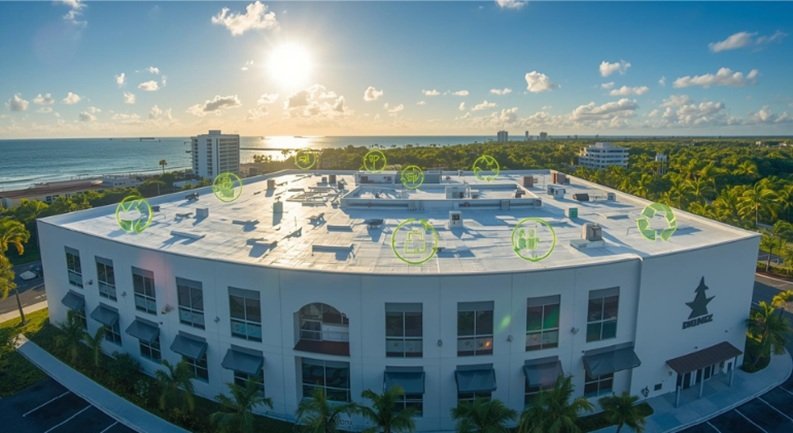
A Long Life, Less Waste
One of EPDM’s most significant contributions to sustainability is its extraordinary service life. By lasting 30-50 years, EPDM significantly reduces the frequency of roof replacements. This minimizes the consumption of new resources, the energy expended in manufacturing and transportation, and crucially, the volume of construction waste ending up in landfills – a vital concern for our limited land resources in South Florida.
Recyclability and Resource Stewardship
EPDM is a highly recyclable material. Post-consumer and post-industrial EPDM can be reprocessed and used in a variety of new products, from new roofing membranes to landscaping products and asphalt modifiers. This closed-loop approach aligns with circular economy principles, further reducing its environmental impact and promoting responsible resource stewardship in our local communities.
Cool Roof Potential: Battling South Florida’s Heat
The advent of white EPDM has transformed its sustainability profile, especially for hot climates like ours. White EPDM acts as a “cool roof,” reflecting a significant portion of solar radiation rather than absorbing it. This feature substantially mitigates the urban heat island effect, particularly in densely populated areas of Fort Lauderdale and Hollywood. By reducing the heat absorbed by buildings, these roofs decrease energy consumption for air conditioning, leading to lower utility bills and reduced greenhouse gas emissions. White EPDM roofs can reduce roof surface temperatures by up to 50-60°F compared to traditional black roofs, leading to significant HVAC savings, directly benefiting both the environment and your wallet.
Contributing to LEED and Green Building Certifications
For commercial property owners and developers aiming for green building certifications like LEED (Leadership in Energy and Environmental Design), EPDM roofing systems can contribute positively to several categories. Its long lifespan, recyclability, and cool roof properties (when white EPDM is chosen) support credits related to sustainable sites, energy and atmosphere, and materials and resources. Shieldline Roofing can help you understand how EPDM fits into your broader sustainability goals for projects in South Florida.
