
Executive Summary
- Older roofs often lack the updated construction techniques and materials required by modern Florida building codes, making them significantly more vulnerable to hurricane damage.
- Degradation of roofing components like shingles, underlayment, and flashing over time reduces their ability to withstand high winds and torrential rain, increasing catastrophic failure risk.
- Insurance companies typically impose higher premiums, offer limited coverage, or even deny claims for roofs exceeding a certain age, underscoring the financial implications of an aging roof.
- Proactive roof inspections and timely replacements, especially for roofs approaching 15-20 years, are crucial for mitigating storm damage and protecting property value.
- Newer roofing systems incorporate advanced fastening methods and impact-resistant materials designed to meet stricter post-hurricane building codes, offering superior protection.
- Understanding your roof’s age and condition empowers homeowners to make informed decisions about maintenance, repair, and replacement, safeguarding against Florida’s severe weather.
- Investing in a robust, code-compliant roof significantly reduces the likelihood of costly interior damage and displacement during a major hurricane event.
The Perilous Connection: Roof Age and Hurricane Vulnerability
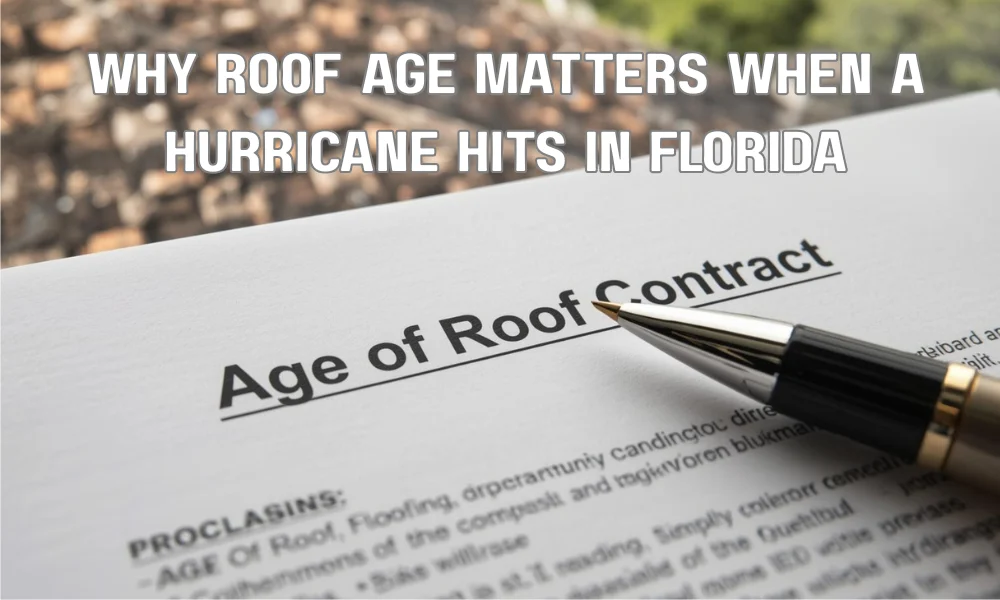
When a hurricane sets its sights on Florida, few components of a home are as critical, or as vulnerable, as its roof. The age of your roof isn’t just a number on an inspection report; it’s a critical predictor of its resilience against the violent winds, torrential rains, and relentless pressures exerted by a tropical cyclone. An older roof, even if it appears superficially sound, harbors inherent weaknesses that can turn a manageable storm into a structural nightmare, leading to widespread damage and immense financial strain for homeowners. Understanding these vulnerabilities is the first step toward proactive hurricane preparedness.
Critical Fact 1: Florida building codes, particularly those updated after Hurricane Andrew in 1992 and subsequent storms, significantly enhanced roofing requirements, meaning roofs installed before these changes are often less resilient by design.
Why do older roofs fail more readily in hurricanes?
Older roofs are more prone to failure in hurricanes primarily due to material degradation, outdated installation methods, and non-compliance with contemporary building codes. Over decades, constant exposure to Florida’s intense sun, humidity, and daily weather cycles causes roofing materials like asphalt shingles, sealants, and underlayment to become brittle, crack, and lose their adhesive properties. This natural wear weakens their ability to stay intact under the intense uplift and shear forces of hurricane-force winds. Furthermore, roofs installed decades ago were not constructed to today’s rigorous standards, often lacking the robust fastening schedules, secondary water barriers, and impact-resistant materials now mandated, making them inherently less capable of withstanding extreme weather events.
What specific components of a roof are most affected by age?
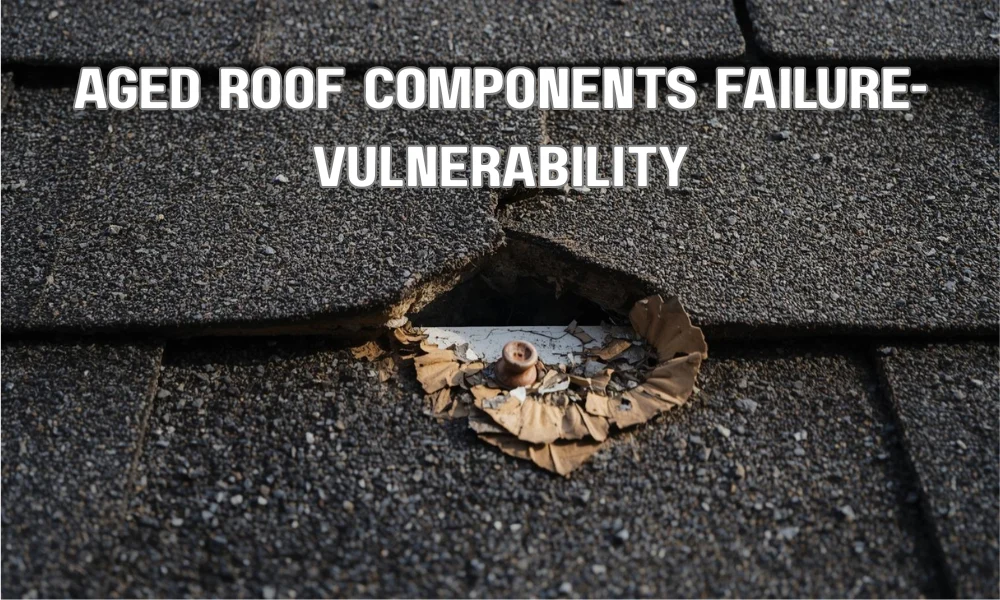
Several critical roofing components are particularly susceptible to age-related degradation, compromising the roof’s integrity during a hurricane. Asphalt shingles, the most common roofing material, become brittle, curl, crack, and lose their protective granules over time, reducing their resistance to wind uplift and impact. The underlying roofing felt or synthetic underlayment can dry out, become perforated, or lose its water-shedding capabilities, making the entire roof system vulnerable to leaks once shingles are compromised. Flashing around chimneys, vents, and valleys, often sealed with caulk that degrades, can crack and pull away, creating critical entry points for water. Even the nails and fasteners can corrode or loosen, weakening the attachment of shingles and sheathing to the roof deck, a key failure point in high winds.
Building Codes, Insurance, and Proactive Measures
The evolution of Florida’s building codes is directly tied to the lessons learned from past hurricanes. Newer codes, particularly the Florida Building Code (FBC) adopted statewide in 2001 and subsequently updated, mandate significantly stricter requirements for roof construction, materials, and installation methods aimed at enhancing hurricane resilience. These include specific fastening schedules for roof decking, requirements for secondary water barriers (peel-and-stick underlayment), enhanced shingle adhesion, and improved flashing details. Consequently, a roof installed today is designed to withstand far greater wind pressures and water intrusion than one built under pre-FBC standards, creating a clear disparity in performance when faced with a Category 3 or higher hurricane. This distinction is paramount when evaluating a home’s overall storm preparedness.
How do modern building codes influence roof resilience?
Modern building codes significantly influence roof resilience by dictating superior construction methods and material specifications specifically designed to resist hurricane forces. For instance, the Florida Building Code mandates stricter fastening patterns for roof sheathing, requiring more nails closer together to prevent uplift. It also often requires a “secondary water barrier” beneath the primary roofing material, such as self-adhering modified bitumen underlayment, which acts as a last line of defense against water intrusion even if shingles are blown off. Furthermore, new codes often specify roofing materials that meet higher wind uplift and impact resistance ratings. These cumulative requirements ensure that newer roofs are structurally more robust and watertight, drastically reducing the likelihood of catastrophic failure and subsequent interior water damage during severe weather events.
Critical Fact 2: Studies show that homes with roofs compliant with post-2001 Florida Building Code requirements experienced significantly less damage from hurricanes compared to pre-code homes.
What are the insurance implications of an older roof in Florida?
The insurance implications of an older roof in Florida can be substantial, often leading to higher premiums, limited coverage options, or even outright denial of coverage. Many insurance carriers in Florida have age limits for roofs they are willing to insure comprehensively, typically around 15-20 years for asphalt shingle roofs. Beyond this threshold, they may require a full roof replacement as a condition for issuing a policy, or they might only offer an Actual Cash Value (ACV) policy, which depreciates the roof’s value over time, paying out significantly less for a claim than a Replacement Cost Value (RCV) policy. An older roof signals higher risk to insurers, translating into increased costs and potential financial vulnerability for homeowners if a hurricane strikes.
Here’s a comparison of common roofing materials and their hurricane resilience:
| Material Type | Typical Lifespan (Years) | Hurricane Resistance (1-5, 5=Highest) | Average Cost (per sq ft installed) | Key Hurricane Benefit |
|---|---|---|---|---|
| 3-Tab Asphalt Shingle | 15-20 | 2 | $4.00 – $6.00 | Economical, but lowest wind resistance. |
| Architectural Shingle | 25-30 | 3 | $5.50 – $8.00 | Better wind resistance than 3-tab, thicker. |
| Metal (Standing Seam) | 40-70 | 5 | $10.00 – $16.00 | Exceptional wind uplift, fire, and impact resistance. |
| Tile (Clay/Concrete) | 50-100+ | 4 | $9.00 – $20.00 | Heavy, good impact and fire resistance; requires strong decking. |
| Modified Bitumen (Flat Roofs) | 10-20 | 3 | $7.00 – $12.00 | Good for low-slope applications, robust against water. |
Proactive Roof Management for Hurricane Season
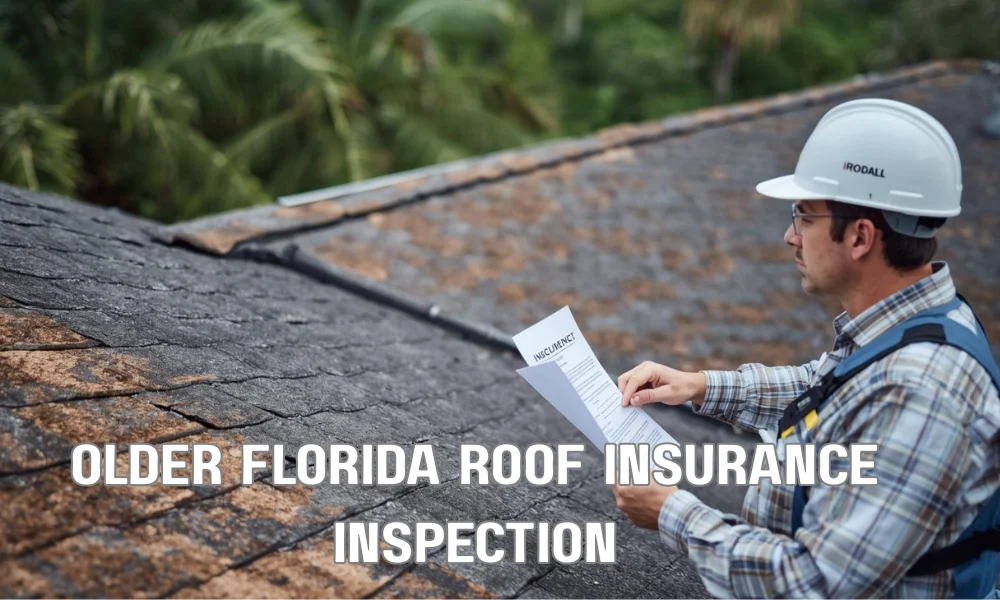
Understanding the inherent risks associated with an aging roof during Florida’s hurricane season is only half the battle; implementing proactive measures is the crucial next step. For homeowners with roofs approaching or exceeding 15-20 years in age, a comprehensive inspection by a licensed and reputable roofing contractor is indispensable. This assessment can identify weak points, degraded materials, and potential code deficiencies before a storm hits, allowing for targeted repairs or a full replacement. Investing in a new, code-compliant roof provides not only peace of mind but also enhanced safety for your family and significant long-term savings through reduced damage and potentially lower insurance premiums.
What proactive steps can homeowners take to prepare their roofs?
Homeowners can take several proactive steps to prepare their roofs for hurricane season, significantly reducing potential damage. First, schedule an annual professional roof inspection to identify and address minor issues like loose shingles, compromised flashing, or clogged gutters. Clear all debris from your roof and gutters to ensure proper water drainage. Trim trees and remove dead branches near your home to prevent them from falling onto the roof during high winds. For older roofs, consider upgrading to hurricane clips or straps to reinforce the connection between the roof truss and wall, and ensure your roof deck is properly fastened. Ultimately, if your roof is nearing its end-of-life, prioritize replacement with a code-compliant, wind-resistant system before hurricane season begins.
When is a roof replacement the most sensible option before a hurricane?
A roof replacement becomes the most sensible option before a hurricane when the existing roof is nearing or has exceeded its expected lifespan, shows significant signs of degradation, or does not meet current building codes. If your asphalt shingle roof is 15-20 years old, exhibits extensive granule loss, curling, cracking, or widespread missing shingles, it’s a prime candidate for replacement. Similarly, if a professional inspection reveals compromised underlayment, widespread soft spots on the roof deck, or inadequate fastening, these are clear indicators that the roof’s structural integrity is insufficient to withstand hurricane forces. Proactive replacement ensures that your home has the best possible defense against the storm, protecting both your property and your financial well-being.
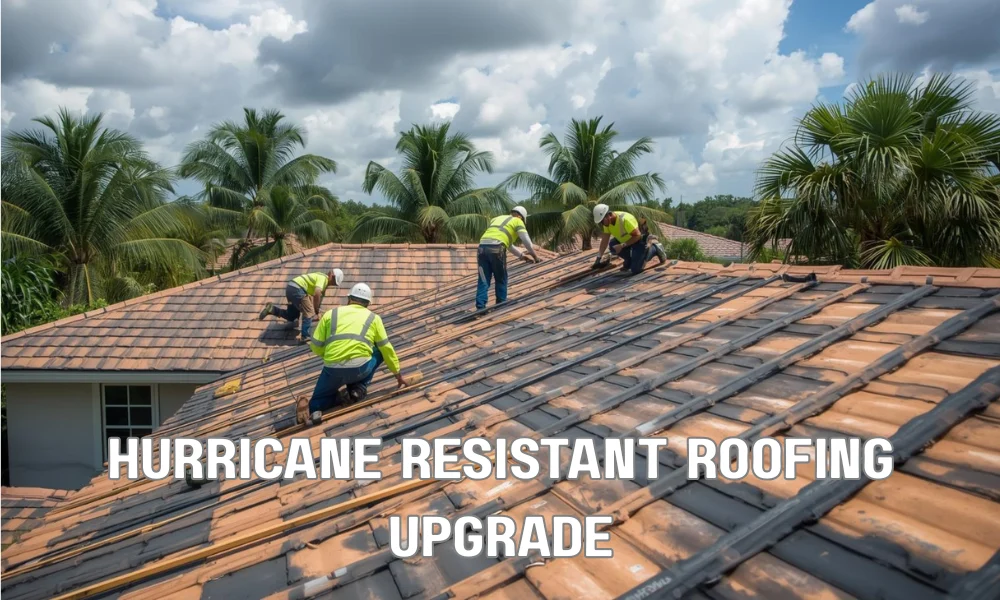
Critical Fact 3: Roof replacement costs, while significant, are often far less than the combined costs of hurricane damage repair, temporary housing, increased insurance deductibles, and prolonged displacement following a catastrophic roof failure.
Frequently Asked Questions
Does a newer roof automatically guarantee protection from a hurricane?
While a newer, code-compliant roof offers significantly enhanced protection, no roof can guarantee absolute immunity from extreme hurricane forces. Superior materials and installation drastically reduce the risk of failure, but exceptionally powerful storms (Category 4 or 5) can still cause damage. Regular maintenance remains crucial for even new roofs.
How can I determine the age of my roof?
You can typically determine your roof’s age by checking past home inspection reports, insurance documents, or property records. If you purchased the home recently, the seller’s disclosures should include this information. A licensed roofing contractor can also provide an expert assessment of its approximate age and condition.
Will my insurance company pay for a roof replacement if it’s old?
Insurance companies generally do not cover roof replacements solely due to age. They typically cover damage caused by sudden, accidental perils like hurricanes. However, an older roof significantly increases your risk, and insurers might deny renewal or demand a replacement to continue coverage.
What is a wind mitigation inspection, and how does it help with an older roof?
A wind mitigation inspection assesses your home’s hurricane-resistant features, including roof-to-wall attachments, roof deck attachment, and the presence of a secondary water barrier. While it can’t make an old roof new, it can identify existing features that reduce risk, potentially lowering insurance premiums even on older homes.
Are certain roofing materials better for hurricane resistance in Florida?
Yes, metal roofs (especially standing seam) and properly installed concrete or clay tile roofs generally offer the highest hurricane resistance due to their durability, interlocking designs, and robust fastening systems. Architectural asphalt shingles are a good mid-range option, significantly outperforming traditional 3-tab shingles.
What signs indicate my roof needs immediate attention before hurricane season?
Signs include widespread missing, cracked, or curling shingles, excessive granule loss, dark streaks or moss growth, sagging roof sections, water stains on interior ceilings, or visible damage around flashing. Any of these warrant immediate professional inspection.
How long does a typical roof replacement take in Florida?
A typical residential roof replacement in Florida usually takes 1-3 days for asphalt shingle roofs, assuming no unforeseen structural issues. More complex roofs or materials like tile or metal may take longer, often 3-7 days. Weather conditions can also affect the timeline.
Should I repair or replace my roof if it’s 18 years old and a hurricane is approaching?
If your roof is 18 years old and a hurricane is approaching, a full replacement is often the wisest long-term decision, especially if there are existing signs of wear. While emergency repairs might temporarily secure it, the underlying structural weaknesses of an aging roof are highly likely to fail under hurricane stress.
