
Executive Summary
- Proactively securing loose outdoor items and reinforcing your roof’s structural integrity significantly reduces damage from hurricane-force winds and flying debris.
- Regular pre-hurricane roof inspections identify vulnerabilities, allowing for timely repairs to flashing, sealants, and compromised shingles before a storm hits.
- Implementing advanced reinforcement, such as hurricane clips, straps, and impact-resistant roofing materials, provides superior protection against catastrophic structural failure.
- Sealing potential entry points like vents and skylights with approved materials creates a more robust, airtight envelope, preventing internal pressurization and roof lift-off.
- Investing in professional roof assessments and strategic upgrades enhances long-term resilience, potentially lowering insurance premiums and safeguarding property value.
- Developing an emergency debris management plan ensures quick, safe removal of potential projectiles from your property, minimizing risk during peak storm conditions.
Understanding the Threat: Why Roof Protection Matters
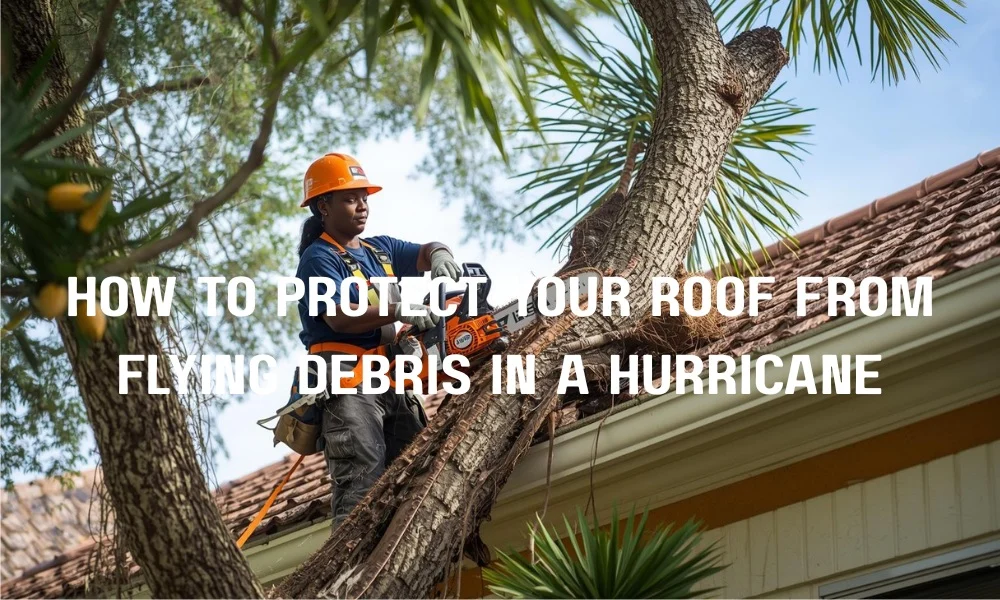
Protecting your roof from flying debris in a hurricane is not merely about preventing superficial damage; it is crucial for maintaining the structural integrity of your entire home. Hurricanes generate immense wind speeds that can turn everyday objects into dangerous projectiles, capable of puncturing roofs, compromising the building envelope, and leading to extensive water damage and even complete structural failure. Proactive measures are essential to safeguard your property and ensure the safety of its occupants.
Critical Fact 1: During a Category 3 hurricane, wind speeds exceeding 111 mph can turn common backyard items like lawn furniture or even small tree branches into projectiles with enough force to penetrate standard roofing materials, posing significant threats to structural integrity and safety.
What makes roofs so vulnerable to hurricane debris?
Roofs are particularly vulnerable to hurricane debris due to their exposed position and the inherent design elements that can become weak points under extreme stress. The expansive, flat or sloped surfaces present a large target area for wind-driven objects, while eaves, gables, and ridge lines can experience uplift forces that loosen components. Furthermore, traditional roofing materials like asphalt shingles, tiles, and even some metal roofs, while durable under normal conditions, may not withstand the direct impact of high-velocity debris, leading to punctures, tears, and breaches in the protective barrier.
How does flying debris impact roof integrity?
Flying debris impacts roof integrity by directly damaging the roofing material, compromising underlying layers, and creating entry points for wind and water. Even small objects can cause cosmetic damage, but larger, faster-moving debris can puncture the roof deck, dislodge shingles or tiles over a wide area, or even shatter skylights. Once the primary roofing material is breached, the underlayment and roof deck become exposed, making the home susceptible to water infiltration, which can lead to mold growth, ruined interiors, and weakened structural components. High winds can then exploit these openings, causing internal pressure imbalances that can further lift and tear away more of the roof structure.
Pre-Hurricane Preparations: Strengthening Your Roof’s Defenses
Effective pre-hurricane preparation is the cornerstone of robust roof protection. Beginning long before a storm threat emerges, these steps focus on reinforcing existing structures and eliminating potential hazards. A thorough assessment and strategic securing of the property can drastically reduce the risk of debris-related damage.
What are essential pre-storm roof inspection steps?
Essential pre-storm roof inspection steps include a comprehensive visual examination of the entire roof surface, paying close attention to critical areas. Check for loose, cracked, or missing shingles, tiles, or metal panels, as these are primary points of failure. Inspect flashing around chimneys, vents, skylights, and valleys to ensure it is securely sealed and free of corrosion or damage. Examine gutters and downspouts for blockages, which can cause water to pool on the roof, adding stress. Finally, assess the fascia and soffit for any signs of rot or detachment, as these can be entry points for wind and water.
How can you secure loose outdoor items that might become projectiles?
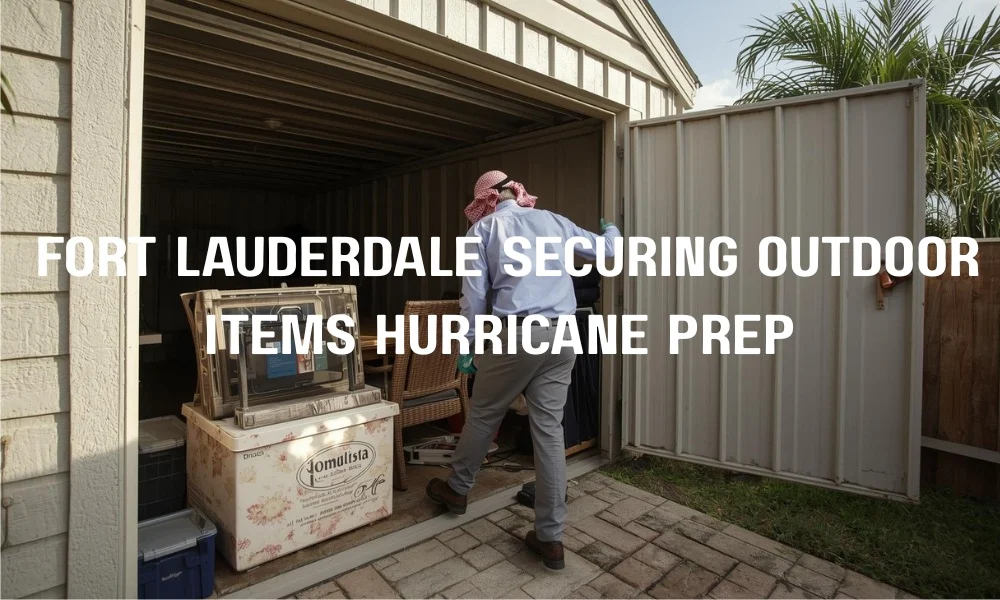
Securing loose outdoor items that might become projectiles involves systematically identifying and neutralizing potential hazards around your property. Store all lawn furniture, grills, trash cans, garden tools, toys, and decorative items indoors or in a secure shed. For larger items like trampolines, swing sets, or detached sheds, anchor them firmly to the ground or disassemble them if feasible. Even seemingly innocuous items such as potted plants or small garden decorations can become dangerous missiles in hurricane-force winds, so it is critical to leave nothing unsecured outdoors.
Advanced Roof Reinforcement Techniques and Materials
Beyond basic preparations, advanced roof reinforcement techniques and specialized materials offer a significantly higher level of protection against hurricane debris and extreme wind forces. These solutions are often integrated during construction or major renovations, providing long-term resilience.
What structural upgrades offer the best defense against high winds?
Structural upgrades offering the best defense against high winds typically involve strengthening the roof-to-wall connection and enhancing the roof deck’s integrity. Installing hurricane clips or straps, which are metal connectors that reinforce the attachment of roof trusses or rafters to wall plates, dramatically improves uplift resistance. Upgrading to a “peel-and-stick” secondary water barrier beneath the primary roofing material provides an additional layer of protection against water intrusion even if the main roof covering is breached. Additionally, using larger, stronger nails or screws for roof decking ensures it remains firmly attached.
Which roofing materials are most resistant to impact?
Roofing materials most resistant to impact generally include certain types of metal, modified bitumen, and specialized composite or synthetic products. Standing seam metal roofs, particularly those made from steel or aluminum, are highly durable and can withstand significant impact without puncturing. Modified bitumen roofs, common on low-slope applications, offer excellent puncture resistance. Newer composite shingles and synthetic slate or shake products are engineered to meet stringent impact resistance ratings (such as UL 2218 Class 4), providing superior protection against hail and flying debris compared to traditional asphalt shingles.
Critical Fact 2: The “Continuous Load Path” principle, often achieved through hurricane clips and straps, is paramount for roof integrity during high winds. This system effectively transfers uplift and lateral forces from the roof to the foundation, preventing the entire roof structure from detaching or collapsing under extreme pressure.
| Option | Description | Primary Benefit | Estimated Cost (per sq ft) | Impact Resistance (1-5, 5=highest) |
|---|---|---|---|---|
| Hurricane Clips/Straps | Metal connectors reinforcing roof-to-wall attachment. | Significantly improves uplift resistance. | $1.50 – $3.00 (installation) | N/A (Structural, not material) |
| Secondary Water Barrier (Peel-and-Stick) | Self-adhering membrane under primary roofing. | Prevents water intrusion if roofing is damaged. | $1.00 – $2.50 | 3 |
| Impact-Resistant Shingles (Class 4) | Asphalt shingles with reinforced mats/polymer. | Resists hail and debris impact better than standard. | $4.00 – $7.00 | 4 |
| Standing Seam Metal Roof | Interlocking metal panels, typically steel or aluminum. | Excellent durability, fire, and impact resistance. | $8.00 – $18.00 | 5 |
| Reinforced Roof Decking | Thicker plywood/OSB or enhanced fastening schedule. | Strengthens the roof deck against punctures. | $0.50 – $1.50 (material only add-on) | N/A (Structural, enhances material) |

Immediate Action and Post-Storm Assessment
Even with the best long-term preparations, immediate actions before a hurricane’s arrival and careful assessment afterward are critical components of a comprehensive roof protection strategy. These steps address the dynamic nature of a storm and ensure safety and recovery.
What immediate actions should be taken as a hurricane approaches?
As a hurricane approaches, immediate actions should focus on securing any remaining loose items and fortifying vulnerable access points. This includes boarding up windows and glass doors, which can prevent debris from entering the home and creating internal pressure that could lift the roof. Ensure that all attic vents, gable vents, and other roof penetrations are properly sealed or covered to prevent wind and water intrusion. If possible, trim any tree branches that overhang the roof and could break off and become projectiles. Having an emergency kit ready and understanding evacuation routes are also paramount for personal safety.
How do you safely assess roof damage after a hurricane?
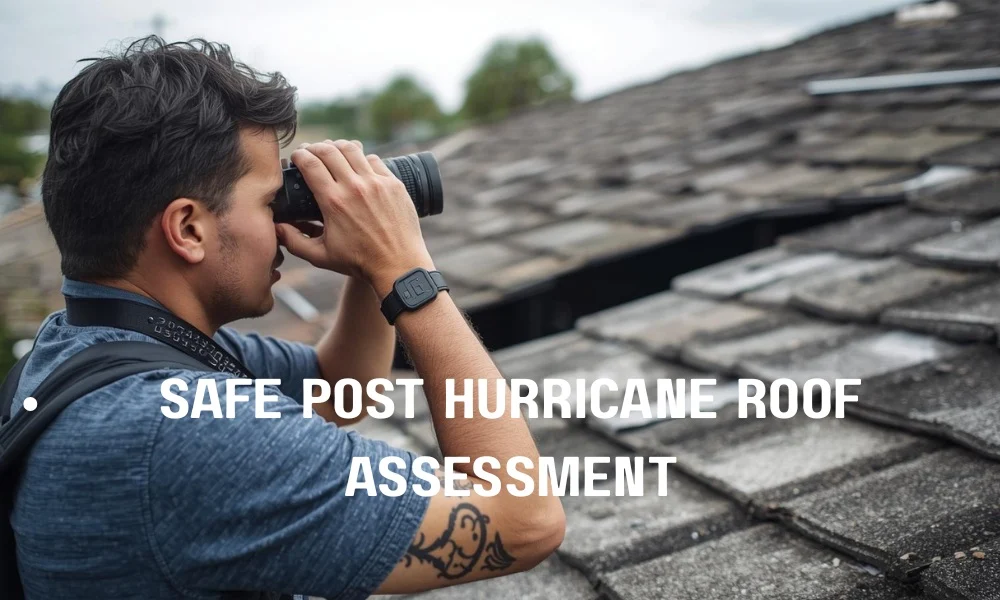
Safely assessing roof damage after a hurricane requires extreme caution and a methodical approach. Never climb onto a damaged roof immediately after a storm; wait until conditions are safe, winds have subsided, and there are no downed power lines or gas leaks. From the ground, use binoculars to scan for obvious signs of damage such as missing shingles, punctures, damaged flashing, or structural deformities. Check your attic for signs of water intrusion or light showing through. Document all damage with photographs and videos for insurance claims. If significant damage is suspected, or you are unsure, contact a qualified, reputable roofing professional for a thorough and safe inspection.
Critical Fact 3: The greatest risk of injury after a hurricane often comes from unseen structural damage, downed power lines, and sharp debris. Always prioritize personal safety and professional assessment over immediate self-repair, especially when dealing with roof damage.
Frequently Asked Questions
Can regular roof maintenance truly prevent hurricane damage?
Regular roof maintenance significantly reduces hurricane vulnerability by addressing small issues before they become major problems. Ensuring flashing is sealed, gutters are clear, and shingles are intact minimizes weak points that winds and debris could exploit, making your roof more resilient.
Are solar panels a liability on my roof during a hurricane?
Solar panels, if properly installed and anchored according to local building codes for hurricane zones, can withstand significant wind forces. However, poorly installed or older systems could become debris; always consult with your installer about their hurricane rating and securing methods.
What is a “continuous load path” and why is it important for hurricane protection?
A “continuous load path” is a system of interconnected structural elements that ties the roof to the foundation, allowing wind and seismic forces to be safely transferred through the building. This is crucial in hurricanes to prevent the roof from lifting off or walls from collapsing.
How do hurricane clips work, and are they expensive to install?
Hurricane clips are metal fasteners used to strengthen the connection between roof trusses/rafters and wall plates, resisting uplift forces. Their installation cost is relatively low compared to the overall roof cost, especially when done during new construction or re-roofing, offering substantial protection for the investment.
Should I seal my attic vents before a hurricane?
While some temporary covering for large, open attic vents might be considered, most modern, well-installed attic vents are designed to be wind-resistant. Sealing them entirely can trap moisture post-storm. Prioritize securing larger openings like windows and doors, and consult with a professional if you have concerns about specific vent types.
What is the most cost-effective way to improve roof resistance to debris?
The most cost-effective way to improve resistance is to first secure all outdoor loose items and ensure existing roof components (shingles, flashing) are in good repair. For structural improvement, installing hurricane clips is a relatively low-cost upgrade with high impact.
Does my homeowners’ insurance cover hurricane damage from flying debris?
Most standard homeowners’ insurance policies cover damage from flying debris caused by hurricanes, but specific coverage details, deductibles, and exclusions (like for flooding) can vary significantly. Always review your policy and speak with your insurer well before hurricane season.
When should I hire a professional for roof inspection versus doing it myself?
You should always hire a professional for roof inspection if you suspect significant structural damage, if the roof is steep or high, or if you are uncomfortable with heights. For basic visual checks from the ground, a homeowner can do it, but professionals offer detailed, safe, and expert assessments.
