
Executive Summary
- Proactive maintenance, including annual inspections and gutter cleaning, is paramount for safeguarding Florida roofs against premature degradation and extending their functional lifespan.
- Timely identification and repair of minor damages, such as cracked shingles or compromised flashing, prevent escalation into costly, extensive structural problems exacerbated by Florida’s climate.
- Investing in superior roofing materials like metal or concrete tile, specifically designed to resist intense UV radiation and hurricane-force winds, significantly enhances durability.
- Optimizing attic ventilation is critical to mitigate heat buildup and humidity, which reduces shingle deterioration and prevents mold growth, preserving the roof’s integrity.
- Regular professional cleaning to remove algae, mold, and debris not only improves curb appeal but also prevents material breakdown and maintains the roof’s protective capabilities.
- Understanding and adhering to your roof’s warranty requirements is essential for maintaining coverage and ensuring any manufacturing defects or installation issues are addressed promptly.
- Implementing a comprehensive roof care plan, embracing both homeowner vigilance and certified professional services, is the most effective strategy to gain an additional decade of roof life.
The Unique Challenges of Florida Roofing
Florida’s distinctive climate, characterized by relentless sun, high humidity, torrential rains, and frequent severe weather events, poses an unparalleled assault on roofing systems. Unlike roofs in more temperate zones, a Florida roof constantly battles intense UV radiation that degrades materials, persistent moisture fostering mold and algae, and the sheer destructive power of tropical storms and hurricanes. These environmental stressors accelerate wear and tear, making a proactive and specialized approach to roof longevity not just beneficial, but absolutely critical for homeowners. Understanding these specific challenges is the first step toward implementing effective strategies that can dramatically extend your roof’s life.
Critical Fact 1: Florida’s average annual UV index is significantly higher than the national average, directly contributing to accelerated shingle granule loss and material embrittlement.
Why are Florida roofs particularly susceptible to damage?
Florida roofs are uniquely vulnerable due to a confluence of environmental factors that continuously test their resilience. Intense solar radiation bakes and prematurely ages roofing materials, causing them to crack, warp, or lose protective granules. The state’s high humidity creates a breeding ground for mold, mildew, and algae, which not only stain but also physically degrade shingles and underlying structures. Furthermore, the sheer volume and frequency of rainfall can overwhelm drainage systems, leading to water intrusion, while hurricane-force winds can lift and tear off entire sections of roofing, compromising structural integrity in an instant. These combined forces demand robust materials and vigilant maintenance strategies.
Proactive Maintenance: Your First Line of Defense
Proactive maintenance is the cornerstone of extending your Florida roof’s lifespan, acting as the primary shield against environmental decay. Regular, scheduled attention helps catch minor issues before they escalate, preserving the roof’s protective envelope. This includes everything from routine visual checks by the homeowner to detailed professional inspections, ensuring every component from shingles to flashing is performing optimally under the demanding Florida conditions. Ignoring maintenance allows small problems to compound, significantly shortening the roof’s expected service life.
What annual inspections are crucial for Florida roofs?
Annual inspections are crucial for Florida roofs because they allow for early detection of damages from weather, UV exposure, and biological growth. A comprehensive inspection should include checking for loose, cracked, or missing shingles; assessing the condition of flashing around chimneys, vents, and skylights; examining gutters and downspouts for clogs or damage; looking for signs of water pooling or improper drainage; and identifying any mold, mildew, or algae growth. Crucially, post-storm inspections are equally vital to address any immediate damage caused by high winds or heavy rainfall. Early detection of these issues enables prompt repairs, preventing minor faults from evolving into major structural compromises.
How does proper gutter maintenance contribute to roof longevity?
Proper gutter maintenance significantly contributes to roof longevity by ensuring efficient water diversion away from the roof and foundation. Clogged gutters overflow, allowing water to pool on the roof’s edge, saturate fascia boards, and potentially seep under shingles, leading to wood rot, mold growth, and premature deterioration of roofing materials. Furthermore, overflowing water can erode the landscaping around your home and compromise your foundation. Regularly cleaning gutters of leaves, twigs, and debris, and ensuring downspouts are clear and directed away from the house, prevents water backup and protects the entire roofing system from unnecessary moisture damage.
What are the best methods for cleaning algae and mold from roofing materials?
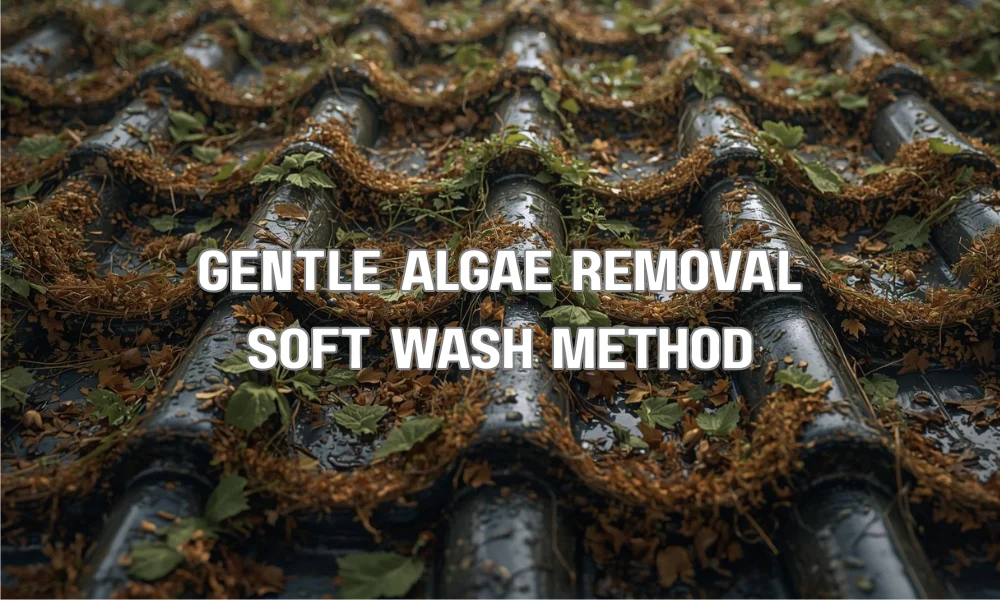
The best methods for cleaning algae and mold from roofing materials prioritize safety and material preservation over harsh chemical or high-pressure approaches. Soft washing, using a low-pressure spray combined with an approved, biodegradable cleaning solution (often oxygen bleach or specific roof cleaning agents), is highly effective. This method gently removes biological growth without damaging shingle granules or other roofing components, which can happen with power washing. Professional services often use solutions designed to kill spores and prevent regrowth, making the cleaning last longer. Regular, gentle cleaning not only enhances curb appeal but also prevents the biological growth from physically degrading the roof’s surface.
Strategic Repairs and Upgrades for Extended Lifespan
Strategic repairs and intelligent upgrades are vital for significantly extending a Florida roof’s lifespan, moving beyond just routine cleaning and inspection. Addressing issues proactively, rather than reactively, prevents small problems from cascading into catastrophic failures, especially in Florida’s challenging climate. This includes everything from replacing a few damaged shingles to enhancing ventilation and considering more resilient materials during partial replacements, ensuring the roof’s integrity is maintained and even improved over time.
When should minor repairs be addressed to prevent major issues?
Minor repairs should be addressed immediately upon detection to prevent them from escalating into major issues, especially in Florida where weather conditions can quickly exacerbate small damages. A single cracked, curling, or missing shingle creates an entry point for water, leading to rot in the underlayment, decking, and even the attic. Similarly, loose flashing or a small leak around a vent allows moisture intrusion, fostering mold and compromising insulation. Procrastination on these seemingly insignificant repairs can transform a simple fix into an expensive, extensive roof replacement, costing homeowners far more in the long run.
Critical Fact 2: Studies show that even minor leaks, if unaddressed, can reduce a roof’s expected lifespan by 20-30% due to ongoing structural degradation.
How do attic ventilation improvements impact roof life in a hot climate?
Attic ventilation improvements profoundly impact roof life in hot climates like Florida by regulating temperature and moisture, thereby reducing material degradation. Proper ventilation allows hot, humid air to escape the attic, preventing heat buildup that bakes shingles from underneath, causing them to curl, crack, and age prematurely. It also mitigates condensation, which can lead to mold growth on the underside of the roof deck and within insulation, compromising structural integrity and indoor air quality. Balanced intake and exhaust ventilation systems ensure continuous airflow, keeping the attic cooler and drier, which directly contributes to a longer, healthier roof.
What roofing materials offer superior durability for Florida’s environment?
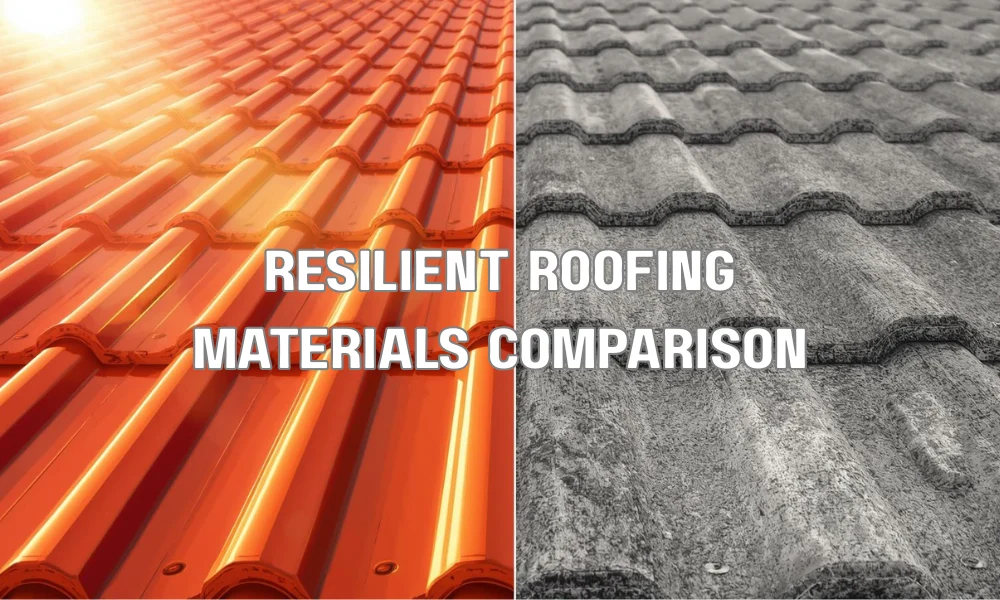
For Florida’s environment, specific roofing materials offer superior durability by withstanding intense UV radiation, high winds, and heavy precipitation more effectively. Metal roofs (aluminum, steel) are highly durable, fire-resistant, and excellent at reflecting solar heat, lasting 40-70 years. Concrete and clay tiles are exceptionally robust, resistant to hail, fire, and rot, and have a lifespan of 50+ years, providing excellent thermal mass. While more expensive upfront, these materials significantly outperform standard asphalt shingles in longevity and resilience against Florida’s harsh conditions, often justifying the investment with their extended lifespans and reduced maintenance needs.
Here’s a comparison of common Florida roofing materials:
| Material Type | Typical Lifespan (Years) | UV Resistance | Wind Resistance | Typical Maintenance |
|---|---|---|---|---|
| Asphalt Shingles | 15-30 | Moderate | Good (Standard) | Annual inspections, algae cleaning, shingle replacement |
| Metal (e.g., Standing Seam) | 40-70 | Excellent | Excellent (Hurricane-rated options) | Occasional cleaning, fastener checks |
| Concrete/Clay Tile | 50-100+ | Excellent | Excellent (Heavy, resists uplift) | Occasional cleaning, tile inspection/replacement |
| TPO/PVC (Flat Roofs) | 20-30+ | Excellent | Excellent | Seam inspection, debris removal |
Understanding and Leveraging Your Roof Warranty
Understanding and leveraging your roof warranty is a powerful, often overlooked, strategy for extending its life and protecting your investment. A warranty is not merely a piece of paper; it’s a detailed agreement outlining manufacturer responsibilities for material defects and, sometimes, installer workmanship. By knowing its terms, conditions, and maintenance requirements, homeowners can ensure compliance, preventing voided coverage and facilitating timely, covered repairs. This proactive approach ensures that if something goes wrong due to a product flaw, the cost of rectification isn’t solely on your shoulders.
How can understanding your roof warranty help extend its life?
Understanding your roof warranty helps extend its life by outlining the specific care requirements and protecting you from material or workmanship defects. Many warranties require regular maintenance and professional inspections, which, if neglected, can void your coverage. By adhering to these stipulations, you not only ensure the roof receives the care it needs but also retain the right to claim repairs or replacements for premature failure due to manufacturing flaws or faulty installation. Knowing what is covered (e.g., material defects, labor) and for how long empowers you to address issues promptly and at no or minimal cost, preserving the roof’s integrity.
Professional Care: The Long-Term Investment
Professional care for your Florida roof represents a critical long-term investment, far exceeding the benefits of sporadic DIY efforts. Certified roofers possess the specialized knowledge, tools, and experience to identify subtle issues that homeowners might miss, especially those related to structural integrity or specific material nuances. Their expertise ensures that repairs are performed correctly, using appropriate materials and techniques that withstand Florida’s unique environmental pressures, thereby maximizing the roof’s durability and extending its useful life beyond standard expectations.
Why is professional roof maintenance a worthwhile investment?
Professional roof maintenance is a worthwhile investment because it provides expert oversight, ensures proper material handling, and guarantees repairs meet industry standards, crucial for Florida’s harsh climate. Professionals conduct thorough inspections, identify hidden damages, properly clean without causing harm, and perform repairs that comply with warranty requirements. Their preventative approach catches small issues before they become expensive problems, ultimately saving homeowners money on premature roof replacements and extending the roof’s life by ensuring consistent, high-quality care that protects your entire home.
Critical Fact 3: Regular professional roof maintenance can add an average of 5-10 years to a Florida roof’s lifespan compared to roofs that receive only reactive repairs.
Frequently Asked Questions
How often should a Florida roof be inspected?
A Florida roof should ideally be inspected at least once a year by a professional, and always after any significant storm, tropical depression, or hurricane. Homeowners should also conduct visual checks quarterly, looking for obvious signs of damage or debris.
Can I clean algae off my roof myself?
While minor algae can be gently washed with a garden hose, for comprehensive and safe removal, especially of persistent mold or widespread algae, professional soft washing is recommended. This avoids damaging materials with high pressure and ensures proper treatment.
What are signs my roof needs immediate repair in Florida?
Signs include missing or cracked shingles, visible leaks in your attic or ceiling, granules in your gutters, sagging roof sections, or damaged flashing around vents and chimneys. Any of these warrant immediate professional assessment.
Does painting my roof help extend its life?
Applying a specialized, reflective roof coating (often white or light-colored) can significantly extend roof life in Florida by reducing heat absorption and UV degradation. This is particularly effective for flat roofs or certain shingle types.
How important is attic ventilation for roof longevity in Florida?
Attic ventilation is extremely important. Proper ventilation prevents heat and moisture buildup, which can bake shingles from underneath, cause mold, and lead to premature aging and material breakdown. It’s crucial for a long-lasting roof.
What’s the typical lifespan of a Florida asphalt shingle roof?
A standard asphalt shingle roof in Florida typically lasts between 15-25 years, though this can vary greatly based on material quality, installation, maintenance, and exposure to severe weather. With diligent care, some may reach 30 years.
Will my home insurance cover roof damage from hurricanes?
Most Florida home insurance policies cover roof damage from hurricanes, but specific coverage details, deductibles, and exclusions vary. It’s crucial to review your policy annually and understand your windstorm or hurricane deductible.
Is it worth replacing my roof with a more durable material?
Yes, for Florida homeowners, investing in more durable materials like metal or concrete/clay tile often provides a significant return. They offer superior resistance to UV, wind, and rain, resulting in longer lifespans, lower maintenance, and potential insurance savings.
