
Executive Summary
- Regular skylight maintenance is crucial in Florida to prevent costly water damage from intense sun and severe weather.
- Proactive inspections of flashing, seals, and glazing will identify potential vulnerabilities before leaks can develop.
- Selecting appropriate, UV-resistant materials and sealants is vital for long-term durability in Florida’s challenging climate.
- Clearing debris from around skylights ensures proper water drainage, significantly reducing the risk of pooling and penetration.
- Understanding common leak indicators like water stains or condensation helps homeowners address issues promptly and effectively.
- Professional annual check-ups are highly recommended to ensure proper installation integrity and detect subtle wear or damage.
- Investing in preventative care now saves substantial repair expenses and preserves your home’s value against Florida’s elements.
The Unique Challenges of Florida Skylights
Why are Florida skylights more susceptible to leaks?
Florida’s unique climate, characterized by intense UV radiation, torrential downpours, high humidity, and frequent hurricanes, places extreme stress on skylight installations, making them particularly vulnerable to leaks. The relentless sun degrades sealants and plastics quickly, while heavy rains test the integrity of flashing and seals like nowhere else. Without specific preventative measures, even a perfectly installed skylight can fail prematurely under these conditions.
Critical Fact 1: Florida experiences an average of 100-150 days of thunderstorms annually, with some areas receiving over 60 inches of rain, making robust skylight waterproofing paramount.
Essential Skylight Maintenance Practices
What is the most critical component to inspect for leak prevention?
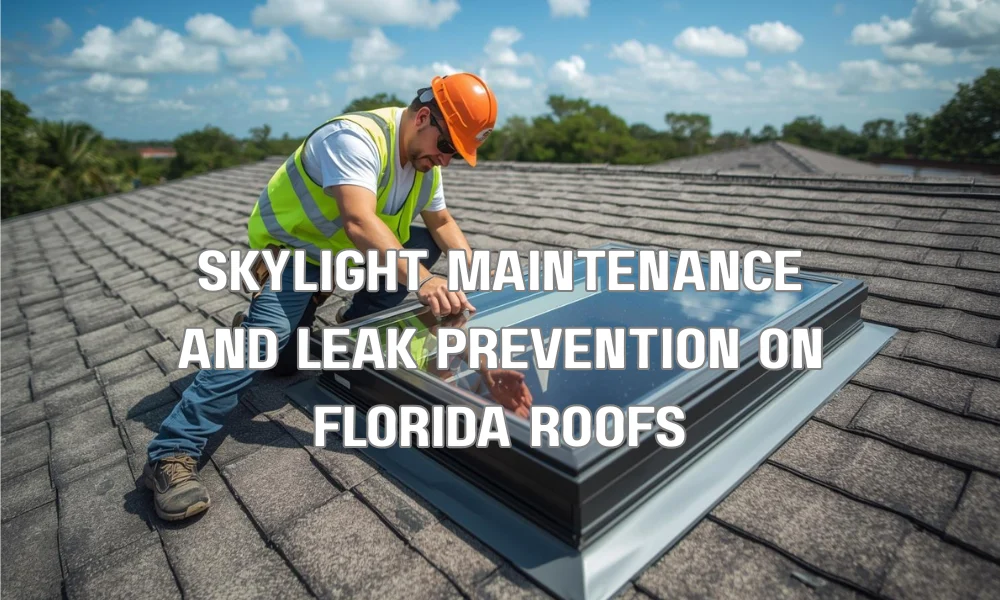
The most critical component to inspect for leak prevention is the flashing system that integrates the skylight with the roof. Flashing forms a waterproof barrier around the skylight’s perimeter, directing water away from the opening. Any cracks, lifting, or corrosion in the flashing can create direct pathways for water intrusion, leading to significant interior damage. Regular visual inspections for these issues are non-negotiable.
How often should skylight seals and gaskets be checked?
Skylight seals and gaskets should be checked at least semi-annually, ideally before the start of Florida’s rainy season (late spring) and again in the fall. These flexible components are designed to create a watertight barrier between the glass or dome and the frame, but they degrade over time due to UV exposure and temperature fluctuations. Look for signs of cracking, shrinking, hardening, or dislodgement, which indicate a loss of sealing effectiveness.
What are common signs of wear on skylight domes or glass?
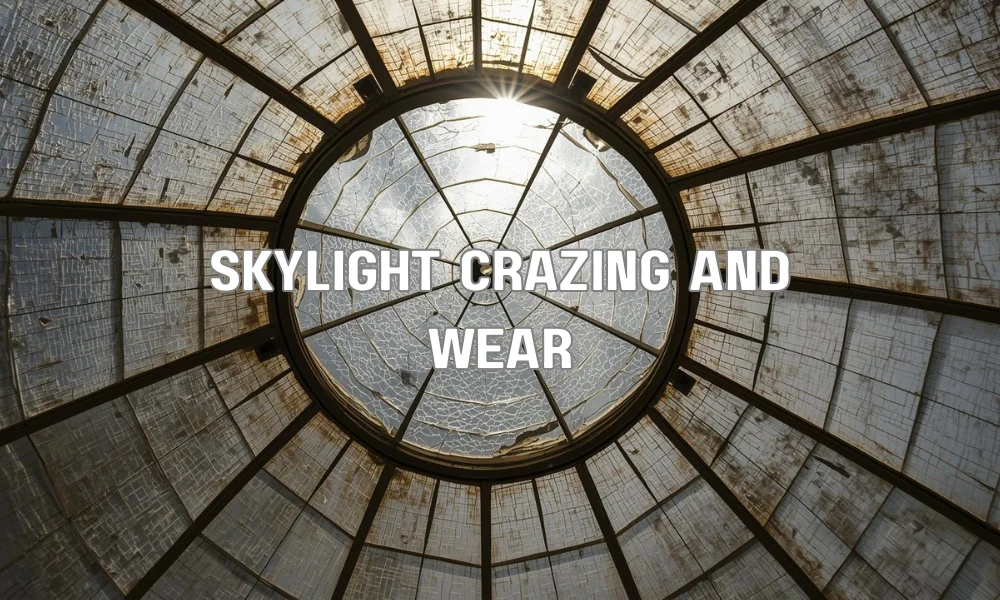
Common signs of wear on skylight domes or glass include visible cracks, crazing (a network of fine cracks), haziness, or a milky appearance, especially in acrylic or polycarbonate domes. For glass skylights, watch for delamination or fogging between panes, indicating a failed insulated seal. These deteriorations compromise the skylight’s structural integrity and weather resistance, making it more prone to leaks and energy inefficiency.
Advanced Strategies for Leak Prevention
What role does proper drainage play in preventing skylight leaks?
Proper drainage plays a crucial role in preventing skylight leaks by ensuring that water sheds efficiently off the skylight and around its perimeter, preventing pooling. Debris such as leaves, pine needles, and dirt can accumulate in the gutters or channels around the skylight, blocking water flow. This blockage leads to standing water that can find its way into minute cracks or compromised seals, exacerbating leak potential. Regular cleaning of surrounding roof areas and drainage paths is essential.
Which materials offer the best defense against Florida’s harsh environment?
For optimal defense against Florida’s harsh environment, consider skylights with tempered or laminated low-emissivity (Low-E) glass, which offers superior UV protection and thermal performance compared to standard glass or acrylic. Frames made from thermally broken aluminum, vinyl, or curb-mounted options often provide better insulation and durability. Additionally, flashing kits specifically designed for high-wind and heavy-rain regions, often incorporating continuous sealant beads and robust metal components, significantly enhance leak prevention.
Critical Fact 2: High-performance, impact-resistant skylights designed to meet Florida Building Code are crucial for hurricane preparedness, offering superior structural integrity against flying debris and extreme winds.
Is DIY skylight repair advisable for leak prevention?
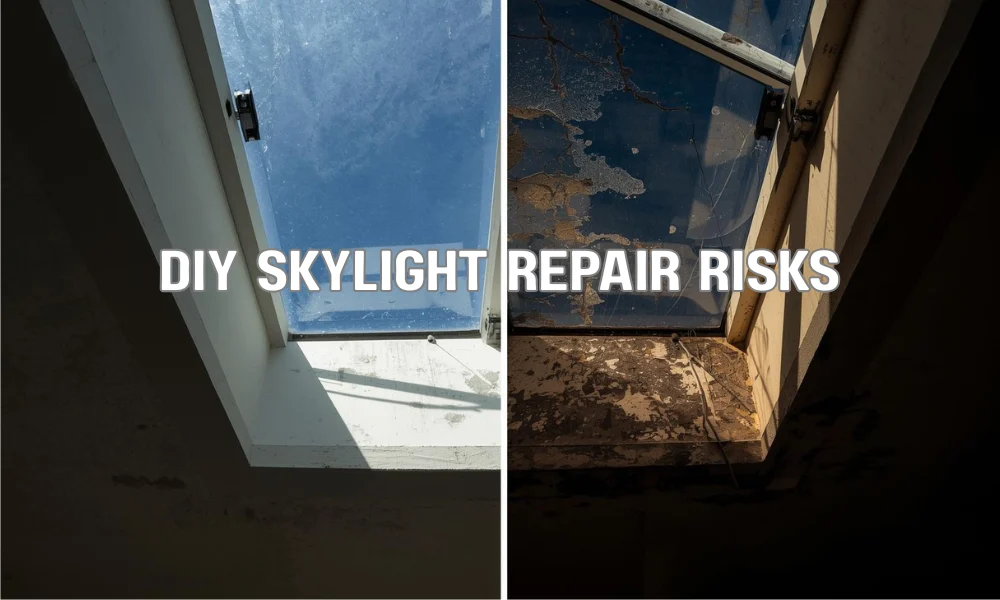
DIY skylight repair for leak prevention is generally not advisable beyond simple cleaning or minor debris removal. Proper skylight installation and repair require specialized knowledge of roofing systems, flashing techniques, and sealants to ensure watertight integrity. Incorrect DIY attempts can inadvertently worsen existing problems, void warranties, or create new vulnerabilities that lead to more extensive and costly leaks down the line. For anything involving flashing, seals, or glass replacement, professional expertise is highly recommended.
| Sealant Type | Key Benefits in Florida | Longevity (Approx.) | Best Use Case |
|---|---|---|---|
| Silicone (100% RTV) | Excellent UV resistance, flexibility, wide temperature range. | 10-20 years | General sealing around flashing, frame-to-curb. |
| Urethane | Strong adhesion, paintable, good abrasion resistance. | 5-10 years | Sealing metal flashing, structural applications. |
| Butyl Rubber | Highly waterproof, good for moving joints, excellent weather resistance. | 15-20 years | Window/skylight glazing, non-drying seal for glass. |
| Acrylic Latex | Easy cleanup, paintable, interior use or minor exterior gaps. | 1-5 years | Not recommended for primary exterior skylight sealing in Florida. |
Addressing Common Skylight Issues
How can condensation inside a skylight indicate a problem?
Condensation inside a skylight, particularly between insulated glass panes, strongly indicates a compromised seal, allowing humid air to penetrate. This means the insulated unit is no longer performing as intended, leading to reduced energy efficiency and potential water ingress if the seal failure is severe. While surface condensation on the interior side might just be a humidity issue, condensation *between* the panes is a clear sign of a structural problem that needs professional assessment and likely unit replacement.
What steps should be taken immediately upon discovering a skylight leak?
Upon discovering a skylight leak, immediately place buckets or tarps to contain the dripping water and minimize interior damage. Then, safely attempt to identify the leak’s origin from the interior, noting any water stains on the frame or ceiling. From the exterior, if safe, conduct a quick visual check for obvious damage like broken glass, displaced flashing, or significant debris accumulation. Contact a qualified roofing or skylight professional without delay for a thorough inspection and repair, as leaks rarely resolve themselves and can cause extensive hidden damage over time.
Long-Term Protection and Professional Expertise
When should homeowners consider professional skylight maintenance?
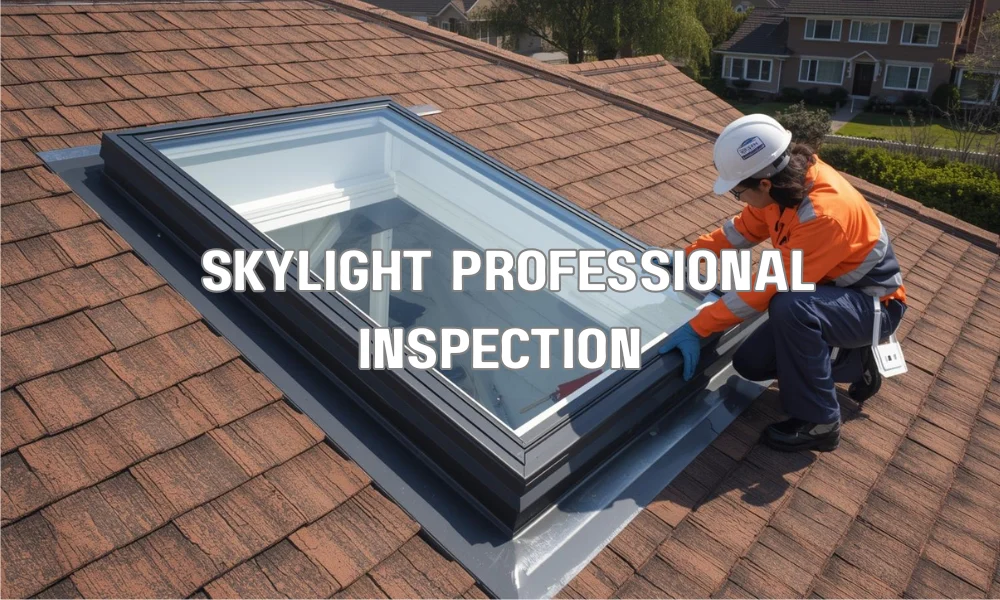
Homeowners should consider professional skylight maintenance at least annually, especially for homes in Florida, or immediately if any signs of wear, damage, or potential leaks are observed. Professionals possess the expertise to safely access the roof, identify subtle issues that might be missed by an untrained eye, and execute repairs or replacements that comply with local building codes. Their comprehensive inspections can extend the life of your skylight and prevent costly future repairs.
What are the benefits of a proactive skylight maintenance plan?
The benefits of a proactive skylight maintenance plan are significant, including extended skylight lifespan, prevention of costly water damage to your home’s interior and structure, improved energy efficiency, and enhanced home value. Regular inspections and timely minor repairs prevent small issues from escalating into major problems, ensuring your skylight continues to provide natural light and ventilation without becoming a source of stress or expense. It’s an investment in your home’s long-term integrity and comfort.
Critical Fact 3: Proactive skylight maintenance, including professional inspection and cleaning, can increase a skylight’s lifespan by up to 50% in harsh climates like Florida, effectively doubling your investment’s value.
Frequently Asked Questions
How often should I clean my skylight?
You should clean your skylight’s exterior and clear surrounding debris at least twice a year, ideally before the rainy season and after hurricane season. Interior cleaning can be done as needed to maintain clarity.
Can a skylight be repaired or does it always need replacement?
Many skylight issues, such as minor flashing problems or seal failures, can often be repaired by a professional. However, significant glass damage, widespread frame deterioration, or a compromised insulated unit usually necessitate full replacement.
What are the signs of a failing skylight seal?
Signs of a failing skylight seal include condensation or fogging between the glass panes, visible cracks or shrinkage in the sealant around the frame, or increased drafts near the skylight.
Do skylights increase my energy bill in Florida?
Older or poorly maintained skylights can increase energy bills, especially if they lack modern insulation and Low-E coatings. High-performance, energy-efficient skylights actually help reduce lighting costs by maximizing natural light.
What type of warranty should I look for with a new skylight?
Look for comprehensive warranties covering both the product and installation, typically 10-20 years for the skylight unit and at least 5 years for the installation itself. Verify the warranty is valid in Florida’s climate conditions.
Is skylight maintenance different for flat roofs versus pitched roofs?
Yes, drainage and debris accumulation can be more critical on flat roofs, requiring more frequent checks. Pitched roofs generally shed water better, but flashing integrity remains paramount for both.
Can I upgrade my existing skylight for better leak prevention?
Yes, you can often upgrade by replacing old flashing with modern, integrated systems, installing higher-quality sealants, or even replacing the entire sash (glass and frame) with a more energy-efficient, impact-resistant model.
Should I cover my skylight during a hurricane?
While some skylights are impact-rated, covering them with plywood or hurricane fabric is an additional protective measure during a hurricane. Always follow manufacturer guidelines and local building codes for hurricane preparedness.
