
Executive Summary
- Proactive commercial roof maintenance in Florida is crucial for mitigating the severe impacts of extreme weather, preventing costly structural damage.
- Regular inspections and preventative repairs significantly extend roof lifespan, protecting your investment against premature failure and replacement expenses.
- Implementing a tailored maintenance plan helps Florida businesses remain compliant with insurance policies and preserve manufacturer warranties effectively.
- Consistent upkeep identifies minor issues early, avoiding emergency repairs that disrupt operations and inflate budgets due to unforeseen damages.
- Optimized maintenance schedules reduce energy consumption by ensuring roofing systems remain reflective and properly insulated, lowering utility costs.
- A well-maintained roof enhances property value and business continuity, safeguarding assets from water intrusion and operational downtime.
- Partnering with experienced local contractors ensures specialized knowledge of Florida-specific challenges, offering expert solutions for long-term roof health.
Florida’s unique climate, characterized by intense sun, heavy rainfall, high humidity, and hurricane threats, poses significant challenges for commercial roofing systems. Without a diligent and proactive maintenance plan, businesses risk facing premature roof failure, extensive property damage, and substantial financial losses. Investing in a comprehensive commercial roof maintenance strategy is not merely a reactive measure; it’s a strategic imperative for every Florida business aiming to protect its assets, ensure operational continuity, and optimize long-term expenditures.
Critical Fact 1: Commercial roofs in Florida can experience temperature fluctuations of up to 70°F in a single day, causing materials to constantly expand and contract, which accelerates wear and tear if not properly managed.
Understanding Florida’s Unique Roofing Challenges
Why are Florida’s weather conditions particularly harsh on commercial roofs?
Florida’s weather conditions are exceptionally harsh on commercial roofs primarily due to the relentless combination of intense UV radiation, frequent torrential downpours, high humidity levels, and the ever-present threat of severe storms and hurricanes. The subtropical climate subjects roofing materials to continuous thermal shock, with extreme daily temperature swings causing expansion and contraction that weaken seams and membranes over time. Furthermore, the constant moisture from rain and humidity fosters mold, mildew, and algae growth, which can degrade roofing materials and compromise their integrity.
Moreover, the strong winds and heavy rainfall associated with tropical storms and hurricanes can cause immediate, catastrophic damage, ripping off sections of the roof, leading to widespread water intrusion, and exposing the building’s interior to the elements. These extreme forces demand robust roofing materials and, crucially, a meticulous maintenance schedule to ensure that the roof remains resilient against such formidable environmental stressors.
How does consistent humidity impact roof longevity?
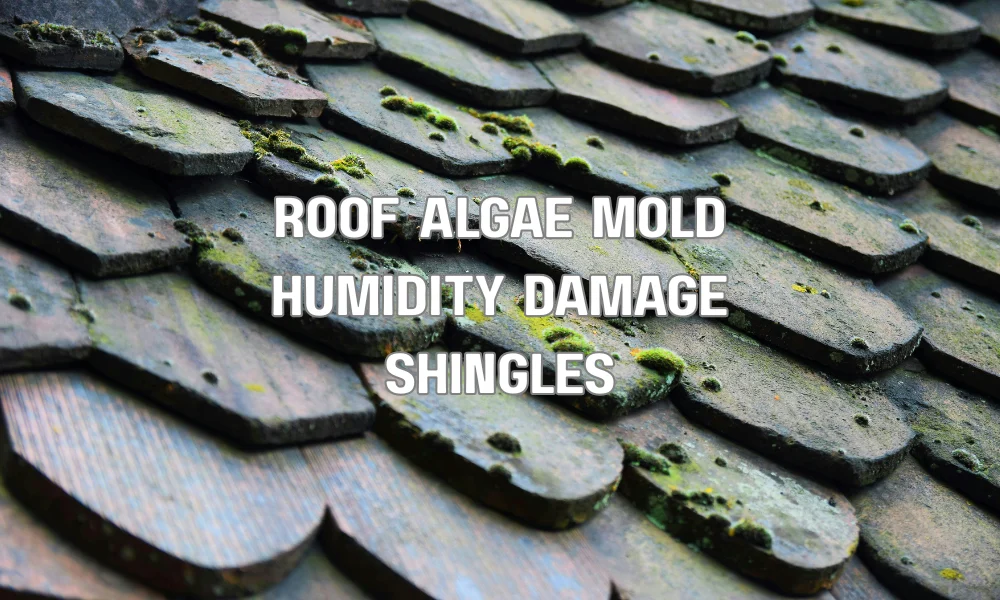
Consistent high humidity in Florida significantly impacts roof longevity by promoting moisture retention within roofing materials and accelerating the growth of organic matter. Trapped moisture can lead to the degradation of insulation, fasteners, and structural components, weakening the entire roofing system. This persistent dampness also creates an ideal breeding ground for mold, mildew, and algae, which not only stain the roof’s surface but can also physically break down material layers, especially on asphalt-based or modified bitumen roofs.
Over time, this biological growth can trap more moisture, further degrading the roof’s protective layers and reducing its reflective properties, leading to increased heat absorption and higher energy costs. Without regular cleaning and treatment, these biological factors will significantly shorten the useful life of a commercial roof, making proactive maintenance indispensable.
The Core Components of a Robust Maintenance Plan
What are the essential elements of a comprehensive commercial roof inspection?
A comprehensive commercial roof inspection in Florida involves a detailed, systematic evaluation of all critical roof components to identify existing and potential issues. Essential elements include a thorough visual assessment of the roof membrane for cracks, blisters, punctures, and standing water. Inspectors will meticulously check all flashing around penetrations (HVAC units, vents, skylights), parapet walls, and edges for signs of separation, deterioration, or inadequate sealing.
Drainage systems, including gutters, downspouts, and internal drains, are inspected for blockages and proper functionality to ensure efficient water runoff. Additionally, the structural integrity of the decking, insulation, and fasteners is assessed, often requiring interior inspections to detect water stains or sagging. Finally, a detailed report with photographs and recommendations for repairs or preventative measures is provided, forming the backbone of an effective maintenance strategy.
How do preventative repairs extend roof lifespan and save costs?
Preventative repairs extend roof lifespan and save costs by addressing minor issues before they escalate into major, expensive problems. By identifying and fixing small cracks, loose flashing, compromised seams, or minor drainage obstructions early, businesses can prevent water intrusion, which is the leading cause of premature roof failure. Proactive sealing, patching, and cleaning protect the roofing system from further degradation caused by Florida’s harsh elements, preserving its structural integrity and protective qualities.
This approach significantly reduces the likelihood of costly emergency repairs, extensive interior damage, and the need for full roof replacement well before its expected lifespan. The small investment in preventative maintenance and repairs translates into substantial savings on capital expenditures and minimizes business disruptions, offering a far greater return on investment compared to reactive solutions.
Critical Fact 2: Studies show that a proactive roof maintenance program can extend a commercial roof’s lifespan by 30-50%, often deferring replacement costs by 10-15 years.
To illustrate the varying needs, consider the common commercial roofing materials found in Florida and their general maintenance characteristics:
| Roofing Material | Typical Lifespan (Years) | Primary FL-Specific Maintenance Needs | Average Annual Maintenance Cost (% of Replacement) |
|---|---|---|---|
| TPO (Thermoplastic Polyolefin) | 15-20 | Seam inspection/repair, surface cleaning (algae), puncture checks, flashing seal integrity. | 1-2% |
| EPDM (Ethylene Propylene Diene Monomer) | 20-30 | Seam inspection/repair, puncture checks, UV degradation checks, coating reapplication. | 1.5-2.5% |
| Metal (Standing Seam) | 30-50+ | Fastener checks (corrosion), panel alignment, coating integrity (rust prevention), sealant inspection. | 0.5-1.5% |
| Modified Bitumen | 15-25 | Granule loss assessment, crack/blister repair, flashing integrity, surface coating renewal. | 1.5-2.5% |
| Built-Up Roof (BUR) | 20-30 | Gravel surfacing inspection, crack/alligatoring repair, flashing maintenance, drainage. | 2-3% |
Benefits Beyond Longevity: Financial and Operational Advantages
How do maintenance plans optimize long-term budgeting and reduce emergency expenses?
Commercial roof maintenance plans optimize long-term budgeting by converting unpredictable, large capital expenditures into predictable, manageable operating expenses. Instead of facing sudden, multi-thousand-dollar emergency repair bills due to unexpected leaks or storm damage, businesses can allocate smaller, consistent amounts annually for inspections and minor preventative work. This allows for better financial forecasting and avoids the strain of diverting funds from other critical business operations.
By preventing major failures, maintenance significantly reduces the likelihood of costly emergency repairs that often come with premium pricing, limited contractor availability, and extensive damage to interior assets or equipment. This proactive approach ensures a more stable financial outlook and mitigates the risks associated with unforeseen roof-related crises.
What role does proactive maintenance play in insurance claims and warranties?
Proactive maintenance plays a critical role in both insurance claims and preserving manufacturer warranties. Many commercial roofing warranties explicitly state that regular maintenance is a condition for their validity. Neglecting routine inspections and repairs can void a warranty, leaving businesses fully responsible for the cost of major roof repairs or replacement that would otherwise be covered.
Similarly, when it comes to insurance claims, demonstrating a history of diligent maintenance can be crucial. Insurers are more likely to approve claims for sudden, unavoidable damage (like hurricane impact) if they see that the property owner has taken reasonable steps to maintain the roof. Conversely, claims for damages resulting from prolonged neglect, such as water leaks from unaddressed flashing issues, may be denied or significantly reduced. Thus, maintenance acts as a protective shield for both warranty and insurance coverage.
Choosing the Right Partner for Your Florida Business
What qualifications should a commercial roofing contractor possess in Florida?
When selecting a commercial roofing contractor in Florida, several key qualifications are non-negotiable to ensure quality and compliance. Firstly, the contractor must be properly licensed by the State of Florida (e.g., Certified Roofing Contractor license) and carry adequate insurance, including liability and workers’ compensation. This protects your business from potential legal and financial liabilities in case of accidents or property damage during the project.
Secondly, look for contractors with extensive experience specifically in commercial roofing within Florida. They should possess a deep understanding of local building codes, hurricane mitigation standards, and the unique challenges posed by the state’s climate. Certifications from major roofing material manufacturers (e.g., GAF, Carlisle, Firestone) indicate adherence to high installation standards. Finally, request references from other Florida commercial property owners and review their safety record to ensure a reputable, reliable partner.
How often should maintenance inspections be scheduled for Florida properties?
For commercial properties in Florida, maintenance inspections should ideally be scheduled at least twice a year, typically in the spring and fall. The spring inspection helps identify and address any issues that may have developed over the cooler, potentially wetter winter months and prepares the roof for the intense summer sun and hurricane season. The fall inspection is crucial for assessing any damage sustained during the summer storms and addressing them before the cooler, often rainier winter period sets in.
Beyond these bi-annual checks, it is highly recommended to schedule an additional inspection immediately following any significant weather event, such as a major thunderstorm, tropical storm, or hurricane, regardless of the regular schedule. This proactive approach ensures that any storm-related damage is quickly identified and repaired, preventing minor issues from escalating into expensive structural problems.
Critical Fact 3: Neglecting professional roof maintenance can lead to a 50% higher likelihood of critical roof failure within the first 10 years of a roof’s life compared to properties with regular maintenance programs.
Frequently Asked Questions
What is the typical cost of a commercial roof maintenance plan in Florida?
The cost of a commercial roof maintenance plan in Florida varies significantly based on factors like roof size, material type, age, and complexity. Generally, businesses can expect to pay between $0.05 and $0.20 per square foot annually for comprehensive plans, with prices fluctuating based on the frequency of inspections and the scope of preventative repairs included. It’s an investment that typically saves far more than it costs in the long run.
Do I really need specialized hurricane-ready maintenance for my Florida roof?
Yes, specialized hurricane-ready maintenance is highly recommended for Florida roofs. This goes beyond standard checks to include reinforcing perimeter flashing, inspecting tie-downs, ensuring all rooftop equipment is securely fastened, and verifying the integrity of the roof membrane against high wind uplift. Proactive preparation can significantly reduce storm damage and improve insurance claim outcomes.
How long does a standard commercial roof inspection take?
A standard commercial roof inspection typically takes anywhere from 1 to 4 hours, depending on the size and complexity of the roof. Larger roofs with numerous penetrations, rooftop equipment, or multiple levels will naturally require more time. The goal is a thorough examination, not a rushed one, to ensure all potential issues are identified.
Will a maintenance plan extend my roof’s warranty?
While a maintenance plan generally won’t “extend” the original manufacturer’s warranty period, it is almost always a requirement to keep the warranty valid. Manufacturers typically mandate regular professional inspections and adherence to specific maintenance guidelines to uphold their warranty promises. Skipping maintenance can void your warranty, making you responsible for repair costs.
Can regular maintenance reduce my energy bills?
Yes, regular maintenance can significantly reduce your energy bills. By keeping the roof surface clean of dirt, algae, and debris, reflective coatings remain effective, reducing heat absorption. Inspections also ensure insulation remains dry and intact, preventing thermal bridging and maintaining optimal energy efficiency, especially critical in Florida’s hot climate.
What happens if a major issue is found during a routine inspection?
If a major issue is found during a routine inspection, the contractor will immediately inform you and provide a detailed report, including photographic evidence and a comprehensive proposal for repair. They will explain the urgency, potential consequences if left unaddressed, and recommend the most effective and cost-efficient solutions to restore your roof’s integrity.
How do I choose the right commercial roofing contractor for maintenance?
Choose a contractor with verifiable Florida licensing and insurance, extensive experience in commercial roofing, particularly in your specific roof type, and strong local references. Look for manufacturer certifications, a transparent communication style, and a clear understanding of Florida building codes and weather challenges. Prioritize those offering comprehensive, customizable maintenance plans.
Is roof cleaning included in a typical maintenance plan?
Yes, basic roof cleaning, such as clearing debris from drains, gutters, and the roof surface, is typically included in a comprehensive maintenance plan. However, specialized cleaning for heavy algae, mold, or mildew may be an additional service or a specific part of a more extensive plan, depending on the agreement. Always clarify the scope of cleaning services.
