
Executive Summary
- Proactive roof drain maintenance is crucial for commercial buildings in Florida to mitigate severe water damage and structural risks.
- Florida’s heavy rainfall and hurricane activity significantly amplify the dangers of even minor drain blockages, demanding vigilant oversight.
- Neglecting drain cleaning can lead to costly repairs, mold proliferation, compromised building integrity, and potential insurance claim denials.
- Implementing regular inspection schedules and preventative measures prevents major capital expenditures and ensures long-term asset protection.
- Property managers should prioritize comprehensive drain strategies, including smart technology, to safeguard investments against common water ingress issues.
- Understanding the unique challenges of flat and low-slope roofs is essential for developing effective drainage solutions in humid climates.
The Silent Threat Above: Clogged Roof Drains in Florida Commercial Buildings
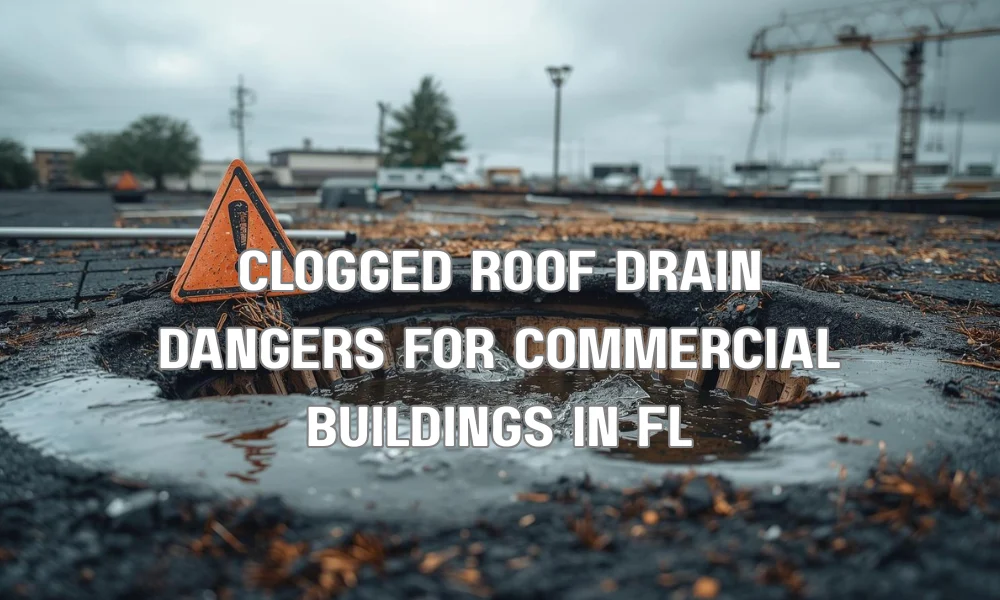
Commercial buildings in Florida face a unique set of challenges when it comes to roof maintenance, primarily due to the state’s relentless climate. Heavy rainfall, tropical storms, and hurricanes can quickly overwhelm inadequate drainage systems, turning seemingly minor clogs into catastrophic failures. A clogged roof drain isn’t merely an inconvenience; it’s a direct threat to the structural integrity, operational continuity, and safety of your commercial property. Understanding these risks and implementing proactive solutions is paramount for property owners and facility managers in the Sunshine State.
Critical Fact 1: A single inch of rain on a 20,000 sq ft commercial roof can accumulate over 12,000 gallons of water, exerting immense pressure if drains are obstructed.
What are the immediate dangers of clogged commercial roof drains?
Clogged roof drains pose several immediate and severe dangers to commercial properties. The most significant is the rapid accumulation of water, leading to excessive static loads on the roof structure. This increased weight can cause roof deck deflection, ponding, and, in extreme cases, partial or total roof collapse, presenting an immediate safety hazard to occupants and significant structural damage. Furthermore, backed-up water inevitably finds its way into the building envelope through seams, penetrations, and weak points, causing internal leaks, damage to interior finishes, and critical equipment malfunctions.
How does Florida’s unique climate exacerbate these risks?
Florida’s climate, characterized by torrential downpours, high humidity, and frequent storm events, dramatically exacerbates the risks associated with clogged roof drains. Unlike drier regions, Florida experiences sustained periods of heavy rain, which quickly overload compromised drainage systems. Debris from tropical storms—leaves, branches, grit, and even small pieces of roofing material—can rapidly accumulate and block drains. The high humidity also creates an environment conducive to algae and moss growth within drain pipes, further restricting flow and accelerating blockages, making vigilant maintenance indispensable.
What types of commercial roofs are most susceptible to drain issues?
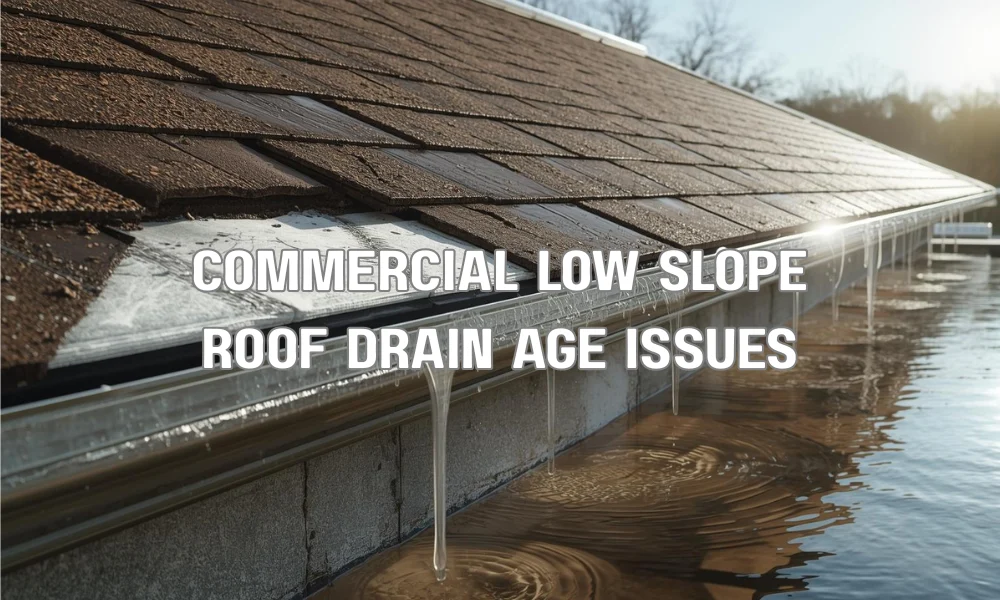
Flat and low-slope commercial roofs are particularly susceptible to drain issues due to their design, which relies heavily on effective drainage to prevent water accumulation. Without a steep pitch to naturally shed water, any blockage in internal drains, scuppers, or gutters will quickly lead to ponding. Membrane roofs (TPO, EPDM, PVC), built-up roofs (BUR), and modified bitumen roofs are common in Florida and, while durable, can be compromised by prolonged water exposure from inadequate drainage, leading to seam separation, blistering, and accelerated material degradation.
What are the long-term financial implications of neglecting drain maintenance?
Neglecting routine drain maintenance results in significant long-term financial implications, far outweighing the cost of preventative care. Persistent water infiltration leads to structural wood rot, steel corrosion, and the breakdown of insulation, necessitating expensive and extensive repairs or even full roof replacement prematurely. Moreover, prolonged moisture encourages mold and mildew growth within walls and ceilings, requiring costly remediation to protect occupant health and maintain indoor air quality. These issues can also lead to increased insurance premiums, potential claim denials for preventable damage, and lost revenue due to operational disruptions and repairs.
Critical Fact 2: The average cost of commercial roof repair due to water damage from neglected drains can range from $5,000 for minor leaks to over $100,000 for structural damage and mold remediation.
What proactive measures can commercial property owners implement?
Proactive measures are crucial for safeguarding commercial buildings against the dangers of clogged roof drains. Regular, scheduled inspections by qualified professionals are paramount, ideally quarterly and immediately after major storm events. These inspections should include clearing debris from drains, scuppers, and gutters, and verifying the integrity of drain components. Installing effective drain guards and strainers helps prevent large debris from entering the system. Implementing a preventative maintenance program that includes routine flushing and cleaning of internal drain lines can significantly extend the life of the roof and prevent costly emergencies.
How can smart technology aid in drain management?
Smart technology is increasingly offering innovative solutions for drain management in commercial buildings. IoT-enabled sensors can be installed in roof drains to monitor water levels and detect blockages in real-time, sending alerts to facility managers immediately upon detecting an issue. Predictive analytics can analyze historical weather patterns and drain performance data to anticipate potential problems before they become critical. These systems allow for targeted, proactive intervention, reducing the need for manual inspections and preventing the escalation of minor clogs into major water damage events.
Understanding Common Commercial Roof Drain Types and Maintenance Needs
| Drain Type | Description | Common Issues | Recommended Maintenance | Typical Lifespan (Years) |
|---|---|---|---|---|
| Internal Roof Drains | Located within the roof membrane, connect to internal plumbing. | Debris blockages, pipe corrosion, membrane seal failure. | Annual flushing, debris removal, seal inspection. | 20-30+ (with maintenance) |
| Scuppers | Wall-mounted outlets that direct water off the roof edge. | Debris accumulation, overflow, fascia/wall staining. | Regular debris clearing, sealant inspection, downspout cleaning. | Varies by material (15-50+) |
| Gutters & Downspouts | Collect water from roof edges and direct it away from the foundation. | Leaf/debris clogs, sagging, detachment, rust/corrosion. | Bi-annual cleaning, joint inspection, securing fasteners. | 10-20 (gutters), 20-50 (downspouts) |
| Siphon Roof Drains | Engineered to create a siphonic effect for faster drainage. | Air ingress (impairs siphon), debris in small inlets. | Specialized cleaning, seal integrity check, flow testing. | 25-35+ |
What are the legal and insurance consequences of water damage from clogged drains?
The legal and insurance consequences of water damage from clogged drains can be severe for commercial property owners. If neglected drains lead to water damage affecting tenants, neighboring properties, or public areas, the owner could face significant liability claims for property damage, business interruption, or personal injury. Insurance companies often have clauses regarding preventative maintenance; a clear lack of routine drain care can lead to denied claims for water damage, as it may be deemed a preventable issue. This can leave property owners solely responsible for the substantial costs of repairs and legal defense.
Securing Your Investment: Proactive Drain Management is Key
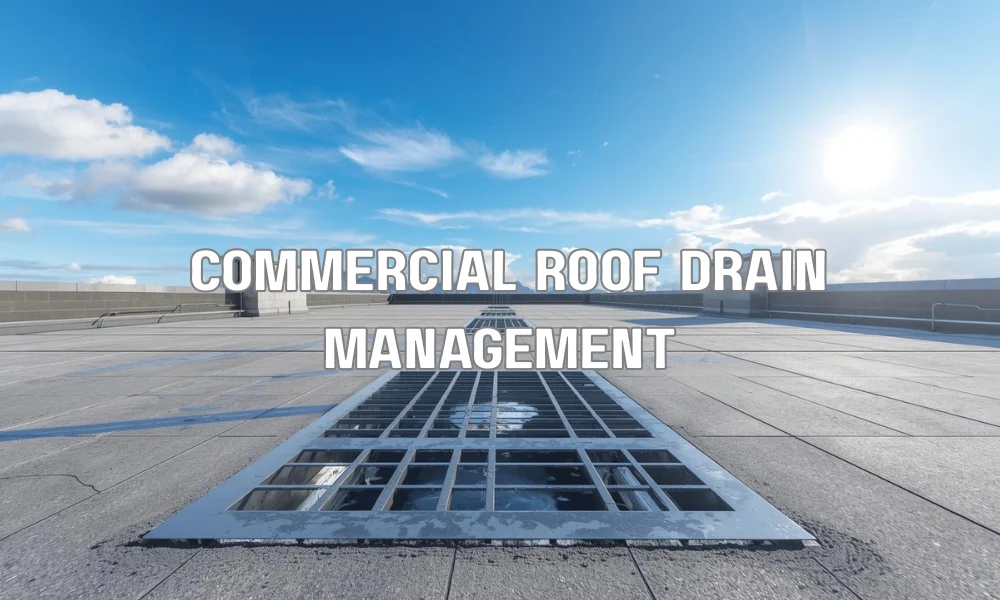
In the challenging climate of Florida, a proactive approach to commercial roof drain management is not merely good practice; it is an absolute necessity. The potential for severe structural damage, costly repairs, health hazards from mold, and significant legal and financial liabilities underscores the importance of a robust maintenance strategy. By prioritizing regular inspections, prompt cleaning, and leveraging smart technologies, commercial property owners can effectively mitigate risks, extend the lifespan of their roofs, and protect their valuable investments against the persistent threat of water damage.
Critical Fact 3: Regular, documented maintenance of roof drainage systems is often a prerequisite for favorable insurance claims and can significantly reduce a building’s overall operating costs.
Frequently Asked Questions
How often should commercial roof drains in Florida be inspected?
Commercial roof drains in Florida should be inspected at least quarterly, especially before and after the rainy season, and immediately following any significant storm event. More frequent checks are advisable for roofs with known issues or heavy tree coverage.
What are the early signs of a clogged roof drain?
Early signs include visible ponding water on the roof that doesn’t dissipate within 48 hours, slow drainage during rainfall, water overflowing from scuppers or gutters, and visible debris accumulation around drain openings.
Can clogged drains void my commercial roof warranty?
Yes, many commercial roof warranties stipulate that proper drainage maintenance is required to keep the warranty valid. Failure to perform routine cleaning and maintenance could lead to the voiding of your roof warranty for water-related damages.
Is DIY drain cleaning advisable for commercial properties?
DIY drain cleaning is not generally advisable for commercial properties. Professional roofers or drainage experts have the necessary safety equipment, tools, and expertise to effectively clear drains without damaging the roof membrane or internal plumbing systems.
What types of debris commonly clog Florida commercial roof drains?
Common debris includes leaves, pine needles, shingle grit, small branches, pollen, bird nests, plastic bags, and even construction debris left over from other projects or carried by wind.
How can I prevent algae and moss growth in drains?
Regular cleaning and flushing of drain lines help prevent algae and moss accumulation. Specialized algaecides safe for roofing materials can also be applied during maintenance to inhibit growth, particularly in consistently damp areas.
What is the role of a roof maintenance program in drain management?
A comprehensive roof maintenance program includes regular inspections, debris removal, drain cleaning, and minor repairs, ensuring the entire roof system, including drains, functions optimally. This proactive approach minimizes the risk of costly emergencies and extends the roof’s lifespan.
Are there specific building codes in Florida regarding roof drainage?
Yes, Florida adheres to the Florida Building Code, which includes specific requirements for roof drainage systems to handle the state’s heavy rainfall. These codes dictate drain sizing, placement, and overflow provisions to prevent structural overload and water damage.
