Executive Summary
- Florida’s 2026 roofing codes are set to significantly enhance hurricane resistance and structural integrity across the state, demanding proactive homeowner education.
- New standards will likely impact material selection, installation techniques, and overall project costs, making early planning essential for compliance.
- Understanding updated wind mitigation requirements is crucial, as they directly influence both roof durability and potential homeowner insurance premium reductions.
- The permitting and inspection processes will become more stringent, requiring meticulous adherence to new documentation and construction standards from qualified contractors.
- Homeowners should prioritize hiring licensed roofing contractors who demonstrate expertise in the evolving 2026 Florida Building Code for successful project outcomes.
- Property insurance carriers will increasingly scrutinize roof compliance, making code adherence vital for securing favorable coverage and avoiding policy complications.
- Investing in a code-compliant roof now provides long-term benefits, including enhanced safety, increased property value, and peace of mind during severe weather events.
Understanding the Evolution of Florida Building Codes
Florida, with its unique susceptibility to severe weather events, particularly hurricanes, has consistently refined its building codes to protect lives and property. The Florida Building Code (FBC) is a dynamic document, updated every three years to incorporate the latest scientific data, construction methodologies, and lessons learned from past storm seasons. The upcoming 2026 cycle represents a critical juncture for roofing, aiming to further fortify homes against increasingly powerful environmental threats.
Critical Fact 1: Florida’s building codes, including those for roofing, are updated every three years, with the 2026 cycle expected to introduce significant enhancements driven by post-hurricane analysis and advancements in building science.
Why Are Florida Roofing Codes Constantly Changing?
Florida roofing codes are constantly changing primarily due to the state’s ongoing experience with extreme weather, particularly hurricanes, and the continuous advancement in building science and materials. Each hurricane season provides invaluable data on structural vulnerabilities and successful mitigation strategies, which are then integrated into the FBC to improve resilience. Furthermore, innovations in roofing technology, from stronger fasteners to more durable underlayments, necessitate regular updates to ensure codes reflect the best available protective measures.
The overarching goal is to minimize damage, reduce insurance costs in the long term, and enhance public safety. Post-disaster assessments often reveal specific failure points, prompting code adjustments to prevent recurrence. This iterative process ensures that Florida remains at the forefront of resilient construction, continuously adapting to new climatic challenges and construction best practices to protect its vast coastline and growing population.
What Are the Key Changes Expected in 2026?
While the precise details for the 2026 Florida Building Code are still being finalized and debated, several key areas are widely anticipated to see significant changes, particularly for roofing. Homeowners should expect enhanced requirements focusing on increased wind uplift resistance, more stringent fastener schedules, and improved material performance standards. This will likely involve thicker, more robust sheathing attachment, upgraded underlayment specifications to create a secondary water barrier, and potentially new requirements for specific roofing materials to withstand higher wind speeds and debris impact.
There will also likely be an increased emphasis on proper ventilation to manage attic temperatures and moisture, indirectly extending roof lifespan and energy efficiency. Additionally, expect clearer guidelines for solar panel installations and other rooftop features, ensuring they do not compromise the roof’s structural integrity or wind resistance. The overarching theme will be to elevate the baseline for hurricane readiness, making roofs more resilient against future storm impacts.
Impact on Homeowners: Costs, Compliance, and Insurance
The evolution of Florida’s roofing codes directly impacts homeowners by influencing project costs, dictating compliance standards, and significantly affecting property insurance premiums. Adapting to the 2026 codes will require homeowners to make informed decisions about their roofing investments, understanding that initial expenditures can lead to long-term savings and enhanced protection. Navigating these changes effectively is crucial for maintaining a safe, valuable, and insurable home in Florida.
How Will New Codes Affect My Roofing Project Budget?
New Florida roofing codes in 2026 are expected to increase roofing project budgets primarily due to the demand for stronger materials and more intensive labor. Homeowners should anticipate higher costs for premium components such as enhanced fasteners, thicker underlayments, and potentially more durable roofing materials designed to meet elevated wind resistance standards. The increased stringency in installation practices, requiring additional steps for proper attachment and sealing, will also contribute to labor expenses. While the initial investment might be higher, these upgrades are designed to provide superior long-term protection, reduce future repair needs, and potentially lower insurance premiums over the life of the roof.
What Materials Will Be Most Affected by 2026 Codes?
The 2026 Florida roofing codes are anticipated to affect a wide range of roofing materials, primarily by imposing stricter performance criteria related to wind uplift resistance, impact resistance, and durability. Asphalt shingles, metal roofing, tile, and even flat roof systems like TPO and PVC will likely see updates to their installation requirements and material specifications. For instance, asphalt shingles may need higher pull-out strength or specific adhesive applications, while metal roofs might require enhanced panel thickness or clip systems. Tile roofs could face revised mortar bed or foam adhesive specifications, and flat roofs may demand improved membrane attachment or thicker insulation boards. The focus will be on ensuring all materials, regardless of type, contribute to a cohesive, highly resilient roof system capable of withstanding Florida’s severe weather conditions.
| Material Type | Anticipated 2026 Code Impact | Typical Wind Resistance (Pre-2026) | Expected 2026 Wind Rating Focus |
|---|---|---|---|
| Asphalt Shingles | Increased fastener density, enhanced sealant requirements, higher tear-off resistance. | 110-130 mph | 130+ mph with strengthened attachment. |
| Metal Roofing | Stricter panel gauge requirements, improved clip and fastener specifications, enhanced perimeter detailing. | 140-160 mph | 150-180+ mph with advanced fastening. |
| Concrete/Clay Tiles | Revised mortar/foam attachment patterns, stronger individual tile securement, updated underlayment needs. | 130-150 mph | 140-160+ mph with improved adhesion/fastening. |
| Modified Bitumen / TPO | Enhanced membrane thickness, stricter adhesion/fastener density, improved flashing and edge securement. | 100-120 mph | 120-140+ mph with robust attachment. |
How Do 2026 Codes Impact Home Insurance Premiums and Coverage?
The 2026 Florida roofing codes are expected to significantly impact home insurance premiums and coverage by directly linking compliance to insurability and potential discounts. Insurance carriers increasingly factor in a home’s resilience against natural disasters when assessing risk and setting rates. A roof built to the new 2026 code standards, with its enhanced wind mitigation features, will likely qualify homeowners for better insurance rates, potentially including substantial premium reductions through specific wind mitigation credits. Conversely, a roof that does not meet the latest codes could face higher premiums, limited coverage options, or even non-renewal from some insurers, as it represents a higher risk. Therefore, investing in a code-compliant roof becomes a strategic move to secure favorable and comprehensive insurance coverage.
Critical Fact 2: A roof constructed to the latest 2026 Florida Building Codes is not just about compliance; it’s a critical factor in securing favorable home insurance premiums and broader coverage, often qualifying for significant wind mitigation discounts.
Navigating the Permitting and Inspection Process
Successfully navigating the permitting and inspection process for a roof replacement under Florida’s 2026 building codes will be more critical than ever. These processes are designed to ensure that all construction adheres to the stringent new standards, safeguarding both the homeowner’s investment and the structural integrity of the property. Homeowners must understand the steps involved and the importance of working with professionals who are well-versed in the updated regulatory environment to avoid delays, costly rework, and potential legal issues.
What is the Permitting Process for a Roof Replacement in Florida?
The permitting process for a roof replacement in Florida typically begins with a licensed roofing contractor submitting detailed plans and applications to the local building department. This submission must include specifications of the chosen roofing materials, wind mitigation details, and proof of the contractor’s licensing and insurance. The plans are then reviewed by the municipality to ensure full compliance with the current Florida Building Code, which for 2026 will mean adherence to new, stricter hurricane readiness standards. Once approved, a permit is issued, authorizing the work to commence. Homeowners should never allow work to begin without a valid permit, as this could lead to significant fines, difficulties with insurance claims, and mandated removal or reconstruction.
What Should I Expect During a Roofing Inspection Under New Codes?
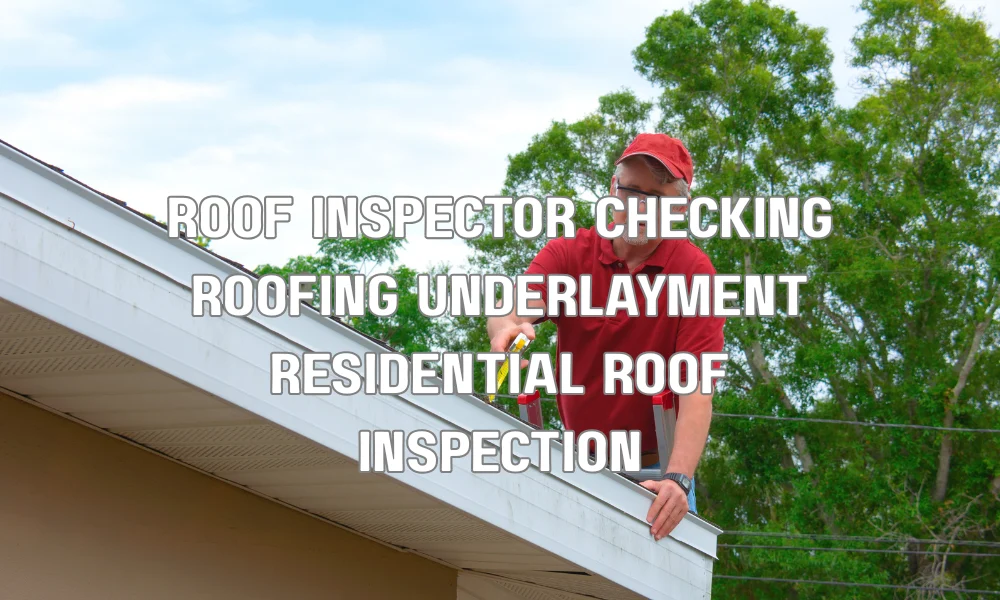
During a roofing inspection under the new 2026 Florida codes, homeowners should expect a highly detailed and thorough assessment by the building inspector at various stages of the project. Inspectors will meticulously verify critical aspects such as the proper removal of old roofing, the condition and attachment of the roof decking, the installation of the secondary water barrier (underlayment), and the correct fastening patterns for the new roofing materials. They will pay close attention to flashing details, ventilation, and perimeter securement to ensure robust wind uplift resistance. Multiple inspections (e.g., dry-in, final) are common, and any deviations from the approved plans or code requirements will result in a failed inspection, necessitating corrections before work can proceed.
Selecting a Code-Compliant Roofing Contractor
Choosing the right roofing contractor is paramount when dealing with Florida’s evolving building codes. The complexities of the 2026 changes demand a professional who not only understands the new regulations but also has a proven track record of implementing them correctly. A code-compliant contractor is your best defense against potential issues, ensuring your roof project meets all legal requirements, performs as expected, and maximizes your home’s protection and value. This decision directly impacts the longevity, integrity, and insurability of your roof.
How Do I Choose a Contractor Who Understands 2026 Florida Codes?
To choose a contractor who truly understands the 2026 Florida codes, homeowners should prioritize those who demonstrate proactive engagement with the upcoming regulations. Look for contractors who are openly discussing the anticipated changes, have invested in training their crews on new installation techniques, and can articulate how these codes will impact your specific project. Verify their licensing, insurance, and ask for references from recent jobs. A reputable contractor will provide a detailed proposal outlining materials, methods, and costs that explicitly conform to the latest FBC standards, including enhanced wind mitigation features. Don’t hesitate to ask specific questions about underlayment, fastener schedules, and how they ensure compliance with updated wind uplift requirements.
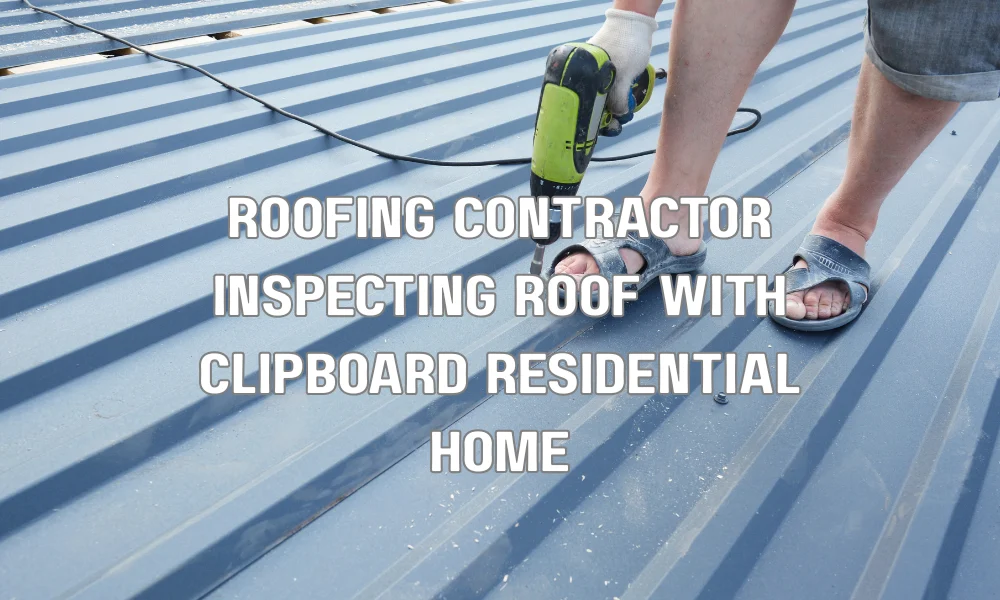
Critical Fact 3: The effectiveness of Florida’s 2026 roofing codes hinges entirely on proper installation; thus, selecting a licensed and insured contractor specifically knowledgeable and experienced in current and upcoming FBC standards is non-negotiable for homeowners.
Frequently Asked Questions
What is the effective date for the new 2026 Florida Roofing Building Codes?
While the precise implementation date is pending final legislative and departmental approval, Florida’s building codes typically update on a triennial cycle. Homeowners should anticipate the 2026 codes to become effective sometime in early to mid-2026, with an interim period for adaptation.
Do the 2026 codes apply to roof repairs, or only full replacements?
The 2026 codes generally apply to full roof replacements. However, if a repair exceeds a certain percentage of the roof’s total area (often 25% for Florida, but subject to local ordinance and FBC specifics), it may trigger the requirement to bring the entire roof section up to current code.
Will I need a new roof inspection to qualify for insurance discounts under the 2026 codes?
Yes, to qualify for wind mitigation discounts based on a 2026 code-compliant roof, you will typically need a new wind mitigation inspection (Form OIR-B1-1802). This inspection verifies specific features of your roof that contribute to its hurricane resistance.
Can I still use my existing roofing contractor if they aren’t fully up-to-date on 2026 codes?
It is highly advisable to choose a contractor who is fully conversant and experienced with the upcoming 2026 codes. Non-compliance can lead to failed inspections, rework, increased costs, and potential issues with insurance or future property sales.
What documentation should I keep after my 2026-compliant roof is installed?
Homeowners should retain all project documentation, including the building permit, detailed contractor invoices, proof of material specifications, lien waivers, and the final certificate of occupancy or completion from the building department. This is vital for insurance and future sales.
How do the new codes address solar panel installations on roofs?
The 2026 codes are expected to include more detailed provisions for solar panel installations, ensuring that their integration does not compromise the roof’s structural integrity, wind resistance, or waterproofing, requiring specific attachment methods and load calculations.
Will older homes be exempt from the 2026 roofing code requirements?
Generally, older homes are not exempt from new code requirements when a roof replacement or significant repair is undertaken. The “50% rule” or “25% rule” can trigger the requirement to bring elements up to current code, especially in high-velocity hurricane zones (HVHZ).
Where can I find official information about the 2026 Florida Building Code updates?
Official information and drafts of the Florida Building Code updates are typically available on the Florida Department of Business and Professional Regulation (DBPR) website, specifically through the Florida Building Commission. Your local building department can also provide guidance.