
Executive Summary
- Broward County mandates permits for nearly all roof replacements to ensure structural integrity and compliance with stringent local building codes.
- Obtaining a permit protects homeowners by guaranteeing work meets safety standards and is insurable, preventing future costly remediation issues.
- The permit process involves submitting detailed plans, material specifications, and often requires multiple inspections at various project stages.
- Ignoring permit requirements can lead to substantial fines, forced removal of unpermitted work, and significant challenges when selling the property.
- Navigating the Broward County permit system requires attention to detail, but licensed contractors often streamline the application on your behalf.
- Key factors like hurricane resilience, material choice, and scope of work heavily influence the specific permit category and required documentation.
Understanding Roof Replacement Permits in Broward County
Why is a permit necessary for roof replacement in Broward County?
A permit is unequivocally necessary for roof replacement in Broward County to ensure the work adheres to strict local building codes, safety regulations, and hurricane preparedness standards. This requirement safeguards homeowners, protects property values, and ensures the structural integrity of your home against severe weather conditions. Without a permit, your roofing project could be deemed illegal, leading to significant penalties and potential insurance complications. Local authorities enforce these permits to maintain public safety and uphold the quality of construction within the county.
Critical Fact 1: In Broward County, any structural alteration or replacement of roofing materials exceeding 100 square feet typically requires a building permit, regardless of whether it’s a repair or a full replacement.
What are the consequences of not obtaining a permit?
Failing to secure the necessary permit for a roof replacement in Broward County can lead to severe and costly repercussions. Homeowners risk stop-work orders issued by the county, mandatory removal of unpermitted work, and substantial fines that can far exceed the initial permit fees. Furthermore, unpermitted work often invalidates homeowners’ insurance policies for roof-related damages and can create significant legal hurdles during property resale, as prospective buyers and lenders require proof of code compliance.
The Broward County Permit Application Process
What documents are required for a roofing permit application?
The Broward County permit application for a roof replacement typically demands a comprehensive set of documents to ensure compliance and proper oversight. These usually include a completed permit application form, detailed roof plans specifying materials, scope of work, and fastening methods (often requiring a Florida Product Approval or Notice of Acceptance – NOA), a copy of the contractor’s state certification and local business tax receipt, and proof of workers’ compensation and liability insurance. Depending on the municipality within Broward, additional documents like an affidavit of exemption or HOA approval might also be required.
How long does the permit approval process typically take?
The permit approval process for a roof replacement in Broward County can vary, typically ranging from a few days to several weeks, depending on the completeness of the submitted application and the current workload of the building department. Applications with all required documentation and clear plans are processed more quickly, while incomplete submissions will cause delays. Utilizing an experienced local contractor often streamlines this process as they are familiar with the specific requirements and common pitfalls within Broward County’s various municipal building departments.
Critical Fact 2: All roofing materials used in Broward County must have a Florida Product Approval or a Notice of Acceptance (NOA) to ensure they meet the state’s stringent wind-load and hurricane resistance standards.
Are there different types of roofing permits?
Yes, while the general requirement is for a “roofing permit,” there are often distinctions based on the scope and nature of the work. A full roof replacement permit is distinct from a minor repair permit (e.g., repairing less than 100 square feet of roof decking), which might have an expedited or simplified process, though still requiring a permit. Commercial roof replacements also fall under a different category with potentially more complex requirements than residential projects. Always clarify with your specific Broward County municipality whether your project falls under a repair, re-roof, or new construction category.
The following table outlines common permit scenarios and key requirements in Broward County:
| Permit Type | Description | Key Requirements | Typical Inspections |
|---|---|---|---|
| Residential Re-Roof | Replacement of existing roof system on a single-family home or duplex. | Completed application, detailed roof plans, material NOA, contractor license/insurance, affidavit if owner-builder. | Dry-in inspection, Final inspection. |
| Partial Roof Repair (over 100 sq ft) | Repair or replacement of a section of roofing exceeding 100 sq ft. | Completed application, scope of work description, material NOA, contractor license/insurance. | Dry-in inspection (if structural), Final inspection. |
| Commercial Roof Replacement | Replacement of existing roof system on a commercial or multi-family building. | Completed application, engineered roof plans, material NOA, contractor license/insurance, possibly fire marshal review. | Dry-in inspection, Final inspection, possibly other specialized inspections. |
Navigating Inspections and Compliance
What inspections are required during a roof replacement?
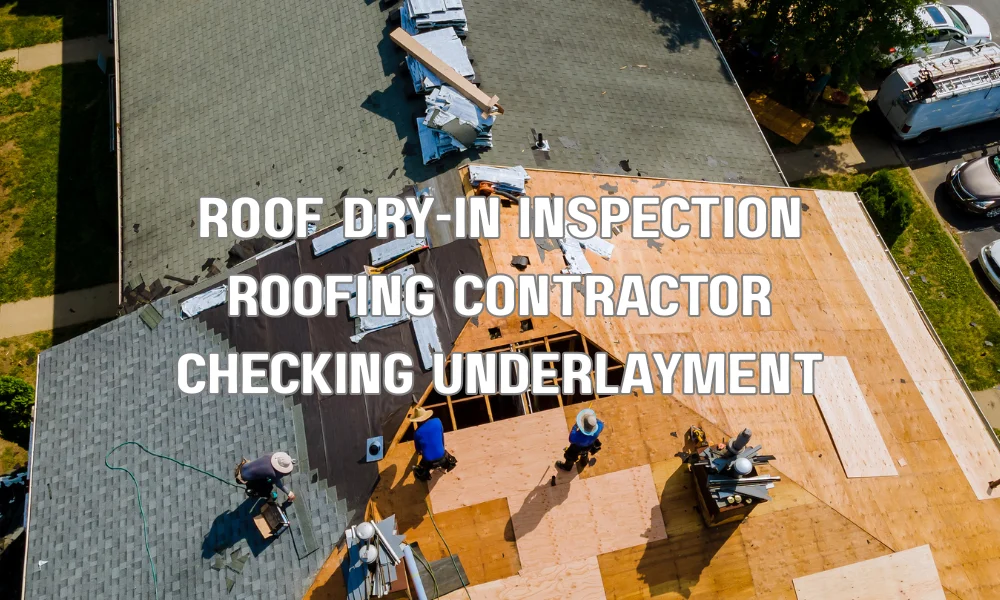
During a roof replacement in Broward County, at least two crucial inspections are typically required to ensure compliance with building codes and approved plans. The first is a “dry-in” inspection, performed after the old roof is removed and new decking or underlayment is installed, but before the final roofing materials are applied. This ensures the structural integrity and waterproofing layers meet standards. The second is a “final” inspection, conducted once all roofing work is completed, verifying proper installation, flashing, and overall adherence to all approved plans and codes. Additional inspections might be needed depending on the complexity of the project or specific municipal requirements.
How do I ensure my contractor is compliant with Broward County regulations?
Ensuring your contractor is compliant with Broward County regulations is paramount for a successful and legal roof replacement. Always verify that your contractor is properly licensed by the State of Florida (Certified Roofing Contractor) and holds a current local business tax receipt in Broward County. Furthermore, confirm they carry adequate liability insurance and workers‘ compensation coverage. Reputable contractors will be transparent with their credentials and accustomed to navigating the local permit process, often handling the entire application for you, which is a strong indicator of compliance.
Cost and Value of a Roofing Permit
What are the typical costs associated with a roofing permit in Broward County?
The costs associated with a roofing permit in Broward County vary by municipality and project scope, but generally include a base application fee, a plan review fee, and often a surcharge based on the project’s estimated value or square footage. These fees can range from a few hundred dollars to over a thousand, and they are essential for covering the administrative costs of processing the permit, reviewing plans, and conducting necessary inspections. While an added expense, the permit fees are a small investment compared to the potential financial penalties and risks of unpermitted work.
Does a permit increase the value or safety of my home?
Yes, obtaining a proper permit for your roof replacement significantly increases both the safety and long-term value of your home. A permitted roof ensures the work adheres to the most current building codes, specifically designed to protect your property from hurricane-force winds and other environmental stressors, thereby enhancing structural safety. From a value perspective, a documented, permitted roof replacement provides peace of mind to future buyers, demonstrates responsible homeownership, and can expedite insurance claims if future damage occurs, making your home a more attractive and insurable asset.
Critical Fact 3: A legally permitted roof replacement is a prerequisite for a valid wind mitigation inspection, which can significantly lower your homeowner’s insurance premiums in Broward County due to enhanced storm resilience.
Frequently Asked Questions
Is a permit required for minor roof repairs in Broward County?
Even for minor roof repairs, such as replacing a few shingles or repairing a small leak, a permit is generally required if the repair area exceeds 100 square feet. It is always best to check with your specific Broward County municipality’s building department to confirm the exact requirements for your project.
Can a homeowner pull their own roof replacement permit in Broward County?
Yes, a homeowner can act as an “owner-builder” and pull their own permit if they intend to do the work themselves and occupy the home. However, this comes with significant liability and responsibility for ensuring all work meets code. Most homeowners opt to have a licensed contractor pull the permit.
What happens if I start roof work without a permit?
Starting roof work without a permit in Broward County can result in a stop-work order, substantial fines, and potentially requiring you to uncover or remove completed work for inspection. These issues can be costly and delay your project significantly.
How long is a roofing permit valid in Broward County?
Typically, a roofing permit in Broward County is valid for six months after issuance. If no inspections have occurred within that timeframe, the permit may become void. Extensions can often be requested but require municipal approval.
What role does a licensed contractor play in the permit process?
A licensed contractor is crucial as they are familiar with Broward County’s building codes and permit requirements. They typically handle the entire permit application process, submit necessary documents, schedule inspections, and ensure the work adheres to all legal standards.
Are there different permit requirements for commercial versus residential roofs?
Yes, commercial roof replacement projects often have more complex permit requirements, including additional engineering plans, fire marshal reviews, and potentially different material and safety specifications compared to residential projects.
How do Broward County roof permits relate to hurricane preparedness?
Broward County roof permits are integral to hurricane preparedness, as they ensure all new or replaced roofs meet Florida’s stringent Building Code, which includes specific wind-load and fastening requirements designed to withstand severe weather events.
Where can I find specific permit information for my municipality within Broward County?
Each city within Broward County (e.g., Fort Lauderdale, Hollywood, Pompano Beach) has its own building department website where you can find specific permit applications, fee schedules, and contact information. It’s best to consult your local municipal website.
