Executive Summary
- Selecting the right roofing material for Florida requires prioritizing extreme weather resilience, including hurricane-force winds, intense UV radiation, and relentless humidity for longevity.
- Advanced metal roofing systems, particularly standing seam, offer superior wind resistance, energy efficiency, and a lifespan exceeding 50 years, making them ideal for Florida’s climate.
- Concrete and clay tiles provide exceptional durability, thermal mass for insulation, and an iconic aesthetic, often lasting 50-100 years with proper installation and maintenance.
- High-performance synthetic roofing materials, mimicking slate or cedar shakes, deliver impressive impact resistance and a long lifespan without the weight or fragility of natural alternatives.
- Investing in robust, impact-resistant roofing now reduces long-term maintenance costs and significantly improves property resilience against Florida’s escalating weather challenges.
- Future-proofing your roof with materials compliant with 2026 building codes and insurance requirements ensures maximum protection and potential premium savings for years to come.
- Comprehensive warranties and certified installation are paramount to maximize the lifespan and performance of any premium roofing material in the demanding Florida environment.
Navigating Florida’s Climate: Why Roofing Longevity Matters
Florida’s unique subtropical climate presents an extreme test for any building material, especially roofs. With its relentless sun, high humidity, torrential rains, and the constant threat of hurricanes, choosing a roof that simply “lasts” isn’t enough; it must endure. Homeowners and commercial property managers in the Sunshine State face escalating insurance premiums and increasing demands for robust, impact-resistant materials. Investing in the longest-lasting roofing materials isn’t just a smart financial decision for 2026 and beyond; it’s a critical safety and asset protection strategy.
Critical Fact 1: Florida’s building codes, particularly in high-velocity hurricane zones (HVHZ) like Miami-Dade and Broward counties, are among the strictest in the nation, mandating materials and installation methods capable of withstanding extreme wind uplift pressures.
What are the primary challenges Florida roofs face?
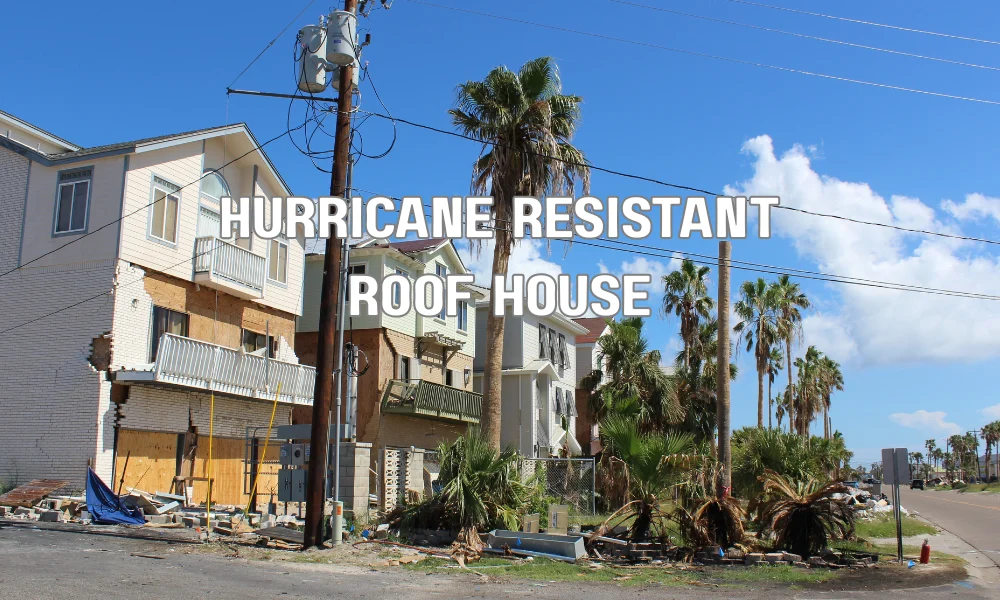
Florida roofs primarily face relentless challenges from hurricane-force winds, intense UV radiation, and high humidity, which collectively accelerate material degradation. Wind uplift can tear shingles and panels away, leading to catastrophic structural damage. The intense sun’s UV rays break down asphalt and synthetic materials, causing cracking and fading, while constant humidity fosters mold, mildew, and rot, compromising structural integrity.
The combined assault of these environmental factors necessitates roofing solutions engineered for extreme resilience. Traditional asphalt shingles, while widely used, often fall short of the lifespan seen in milder climates, frequently requiring replacement after just 10-15 years due to thermal cycling and wind damage. As we approach 2026, the emphasis on materials with proven wind resistance, UV stability, and moisture impermeability has never been greater, driven by both homeowner demand and evolving insurance mandates.
Top Contenders for Longevity in Florida’s Climate
Which roofing materials offer the best lifespan against Florida’s weather?
For enduring Florida’s challenging weather, metal roofing, concrete and clay tiles, and high-performance synthetic slate or shake materials consistently offer the best lifespan, often exceeding 50 years. These materials are specifically designed to withstand extreme wind loads, resist UV degradation, and prevent moisture intrusion, making them superior long-term investments. Each option presents unique benefits in terms of aesthetics, energy efficiency, and cost considerations for property owners.
Metal Roofing Systems (Standing Seam, Corrugated)
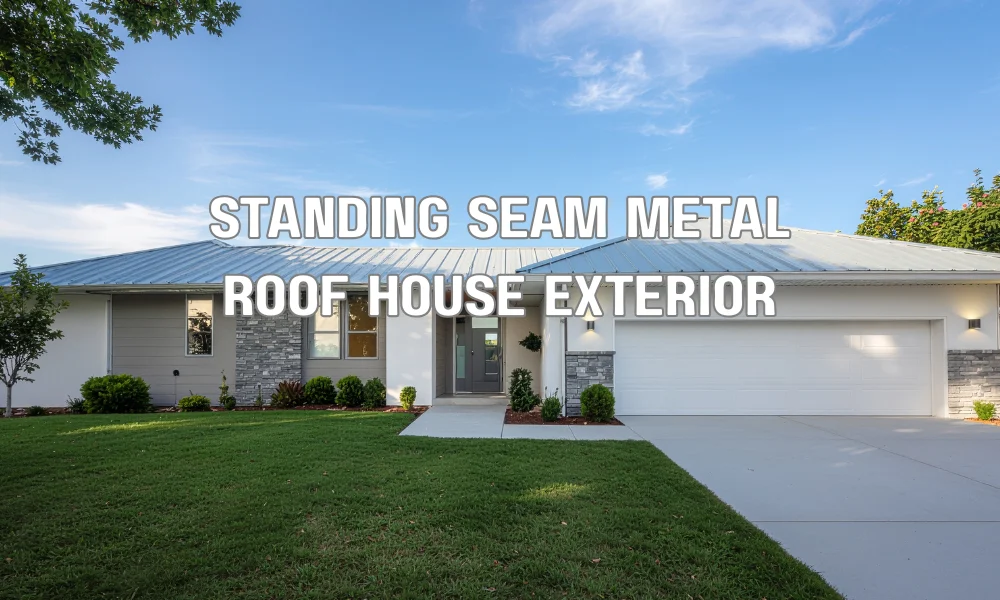
Metal roofs are arguably the pinnacle of long-term durability for Florida. Standing seam metal roofs, with their interlocking panels and concealed fasteners, offer exceptional wind resistance, often rated for winds up to 150 mph or more. Their reflective surfaces reduce attic temperatures, leading to significant energy savings. While the initial cost can be higher than traditional asphalt, their 40-70+ year lifespan and minimal maintenance provide an outstanding return on investment. Corrugated metal offers similar benefits with a different aesthetic, often at a slightly lower price point. Both types are impervious to rot, mildew, and insect damage.
Concrete and Clay Tile Roofing
Concrete and clay tiles are iconic in Florida architecture, revered for their Mediterranean aesthetic and extraordinary longevity. These materials can last 50-100 years or even longer with proper care. Their inherent density provides excellent insulation, contributing to cooler interiors. More importantly, their heavy mass and interlocking design offer superior wind resistance, often exceeding Miami-Dade County’s stringent requirements. While heavy, requiring robust structural support, tiles are fire-resistant, impervious to rot, and highly resistant to salt air and UV degradation. Maintenance typically involves occasional cleaning and replacing any cracked tiles.
Critical Fact 2: While the initial cost of premium roofing materials like metal or tile is higher, their lifecycle cost often proves significantly lower due to reduced maintenance, superior energy efficiency, and fewer replacement cycles compared to asphalt shingles.
High-Performance Synthetic Roofing
Synthetic roofing materials, often manufactured from recycled plastics and rubber, have advanced significantly, providing the aesthetic appeal of natural slate or cedar shakes without their inherent drawbacks. These products are lightweight, highly durable, and offer superior impact resistance against hail and wind-borne debris. Rated for lifespans of 50 years or more, synthetics are resistant to UV, mold, and mildew, making them an excellent choice for Florida. Their consistent quality and ease of installation can also contribute to lower labor costs compared to natural counterparts.
Modified Bitumen and TPO (Low-Slope & Flat Roofs)
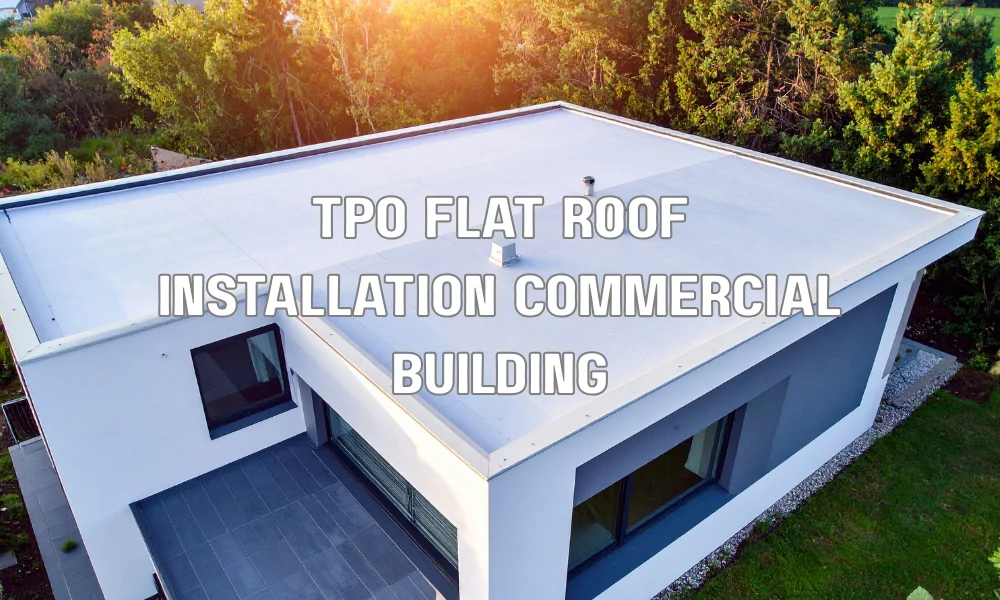
For low-slope or flat roof applications common in many commercial and multi-family residential buildings, Modified Bitumen and TPO (Thermoplastic Polyolefin) are leading choices for longevity in Florida. Modified Bitumen offers excellent waterproofing and flexibility, with lifespans often exceeding 20-30 years. TPO is a single-ply membrane known for its heat reflectivity, energy efficiency, and strong seams, providing a 20-30+ year lifespan. Both materials are highly resistant to UV radiation and provide robust protection against Florida’s heavy rainfall.
Comparative Data: Lifespan and Resilience
To further illustrate the long-term value, here’s a comparison of key roofing material attributes relevant to Florida:
| Material Type | Average Lifespan (Years) | Hurricane Wind Resistance (MPH) | UV Resistance | Typical Cost Range (per sq ft installed) | Energy Efficiency |
|---|---|---|---|---|---|
| Standing Seam Metal | 50 – 70+ | 140 – 180+ | Excellent | $10 – $18 | High (Reflective) |
| Concrete/Clay Tile | 50 – 100+ | 120 – 150+ | Excellent | $12 – $25 | Moderate (Thermal Mass) |
| Synthetic Slate/Shake | 50 – 75 | 110 – 150+ | Excellent | $10 – $20 | Moderate |
| TPO (Commercial/Flat) | 20 – 30+ | 100 – 140+ | Excellent | $6 – $12 | High (Reflective) |
| Premium Asphalt Shingle | 20 – 30 | 110 – 130 | Good | $5 – $9 | Low to Moderate |
Choosing Your Future-Proof Roof for 2026
How do future building codes and insurance impact roofing choices?
Future building codes, particularly in Florida, will likely continue to strengthen requirements for wind resistance, material durability, and energy efficiency, impacting roofing choices by favoring more resilient and sustainable options. Insurance companies are increasingly requiring roofs to meet specific wind and impact ratings to qualify for coverage or reduced premiums, driving homeowners towards high-performance materials. Therefore, selecting a roof that exceeds current minimum standards is a wise investment for 2026 and beyond, ensuring compliance and potentially significant savings.
When making your final decision, consider not just the upfront cost but the total lifecycle cost, including maintenance, potential energy savings, and insurance implications. A roof that offers superior wind uplift ratings (often found on Miami-Dade County product approval lists) and enhanced impact resistance can lead to substantial insurance premium reductions over time. Furthermore, look for materials with strong manufacturer warranties specific to the Florida climate, covering defects and performance under extreme conditions.
What role does professional installation play in roof longevity?
Professional installation plays a critical role in roof longevity, as even the highest-quality materials will fail prematurely without expert craftsmanship and strict adherence to manufacturer specifications and local building codes. A certified, experienced roofing contractor understands Florida-specific challenges, ensuring proper fastening, sealing, and flashing to withstand hurricanes and prevent water intrusion. Incorrect installation can void warranties, lead to costly leaks, and compromise the entire roof system’s integrity, negating the investment in premium materials.
Critical Fact 3: A comprehensive, transferable manufacturer’s warranty, coupled with a workmanship warranty from a certified, licensed, and insured local roofing contractor, is as crucial as the material choice itself for ensuring long-term performance and peace of mind.
Frequently Asked Questions
Is metal roofing noisy during heavy rain?
Modern metal roofing, especially standing seam, is typically no noisier than other roofing types when installed with proper decking and insulation. The perceived noise is often exaggerated, and with adequate attic insulation, rain sounds are significantly dampened.
Are clay and concrete tiles too heavy for my house?
Clay and concrete tiles are indeed heavy. A structural engineer can assess your home’s framing to ensure it can support the additional weight. Most modern Florida homes are built to accommodate these loads, but older structures might require reinforcement.
How do I maintain a long-lasting roof in Florida?
Regular maintenance includes semi-annual inspections, cleaning gutters, removing debris, checking for cracked or missing components, and addressing any mold or mildew growth promptly. Professional inspections every 3-5 years are also highly recommended.
Can a more durable roof lower my home insurance premiums?
Yes, many insurance companies offer discounts for roofs that meet enhanced wind mitigation standards, are newer, or are made from impact-resistant materials. Always consult your insurance provider for specific premium reduction details.
What is the typical ROI for investing in a premium roofing material?
The ROI comes from extended lifespan, reduced repair costs, potential energy savings due to better insulation/reflectivity, and increased home value. Over 20-30 years, the savings often outweigh the higher upfront cost compared to multiple asphalt shingle replacements.
Are synthetic roofing materials environmentally friendly?
Many synthetic roofing materials are made from recycled content (e.g., plastics, rubber) and are themselves recyclable at the end of their long life, making them a more sustainable choice compared to traditional materials that often end up in landfills.
How long does the installation process take for these durable roofs?
Installation time varies significantly by material and roof complexity. Metal roofs can be installed relatively quickly (1-2 weeks for an average home), while tile roofs, due to their weight and intricate layout, may take longer (2-4 weeks).
Should I consider solar readiness when choosing a roof in 2026?
Absolutely. Choosing a robust roof designed for longevity, such as metal or tile, provides an excellent platform for future solar panel installation without compromising the roof’s integrity or requiring premature replacement. Integrating solar considerations now saves future costs.