Executive Summary
- Florida Building Code (FBC) roofing credits significantly reduce homeowners’ insurance premiums by demonstrating enhanced property resilience against severe weather events.
- These credits recognize specific construction features, like roof-to-wall attachments and impact-resistant materials, that exceed minimum safety standards.
- A certified wind mitigation inspection is essential to document compliant roofing features, providing the necessary evidence for insurance discounts.
- Proactive homeowners who upgrade their roofs to FBC standards can unlock substantial, long-term savings on their annual insurance costs.
- Beyond financial benefits, FBC-compliant roofing enhances structural integrity, offering superior protection and increased home value in high-risk areas.
- Understanding the specific eligibility criteria and working with qualified professionals simplifies the process of securing these valuable insurance credits.
Understanding FBC Roofing Credits and Their Impact
What are FBC roofing credits?
FBC roofing credits are specific discounts applied to homeowners’ insurance policies for properties with roofing systems that meet or exceed the rigorous standards set by the Florida Building Code, particularly regarding wind resistance. These credits acknowledge investments in resilient construction, offering financial incentives for safer homes. The primary goal is to reduce potential damage from hurricanes and other severe weather, thereby lowering the insurer’s risk and the homeowner’s premium.
Critical Fact 1: The Florida Building Code (FBC) is one of the most stringent building codes in the United States, specifically designed to mitigate damage from hurricanes and high winds. Compliance with its roofing provisions directly correlates with eligibility for significant insurance premium reductions.
How do FBC roofing credits reduce insurance premiums?
FBC roofing credits reduce insurance premiums by signaling to insurance companies that a home is less likely to sustain damage from wind and other weather-related perils. Insurers calculate premiums based on risk; a roof built to higher FBC standards presents a lower risk of costly claims. This reduced risk translates directly into lower policy rates for the homeowner, as the potential payout for damage is diminished. Essentially, compliant roofing provides a tangible, verifiable measure of a property’s resilience.
Qualifying for FBC Roofing Credits
What roof features are eligible for FBC credits?
A range of specific roof features and construction methods are eligible for FBC credits, primarily those enhancing a home’s ability to withstand high winds. These include strong roof decking attachment (e.g., nail spacing and length), reinforced roof-to-wall connections (e.g., hurricane clips or straps), impact-resistant roof coverings, and secondary water resistance barriers. The effectiveness and documentation of these features are assessed during a wind mitigation inspection.
The table below outlines common roof features recognized for FBC credits and their general impact on insurance premiums.
| Roof Feature | Description | Potential Insurance Impact | Typical Documentation |
|---|---|---|---|
| Roof Deck Attachment | Plywood/OSB attached with 8d nails at 6″ o.c. (on center) or better. | Significant reduction (10-20%) | Inspector verification, permit records |
| Roof-to-Wall Attachment | Hurricane clips, single wraps, or double wraps securing truss to wall. | High reduction (15-25%) | Visual inspection, photos |
| Roof Geometry | Hip roofs (slope on all sides) generally perform better than gable roofs. | Moderate reduction (5-10%) | Visual assessment |
| Secondary Water Resistance (SWR) | Self-adhering modified bitumen or equivalent underlayment. | Notable reduction (5-15%) | Invoice, permit, visual confirmation |
| Opening Protection | Impact-resistant windows/doors or storm shutters. | Substantial reduction (10-30%) | Product labels, inspection |
How does a wind mitigation inspection verify compliance?
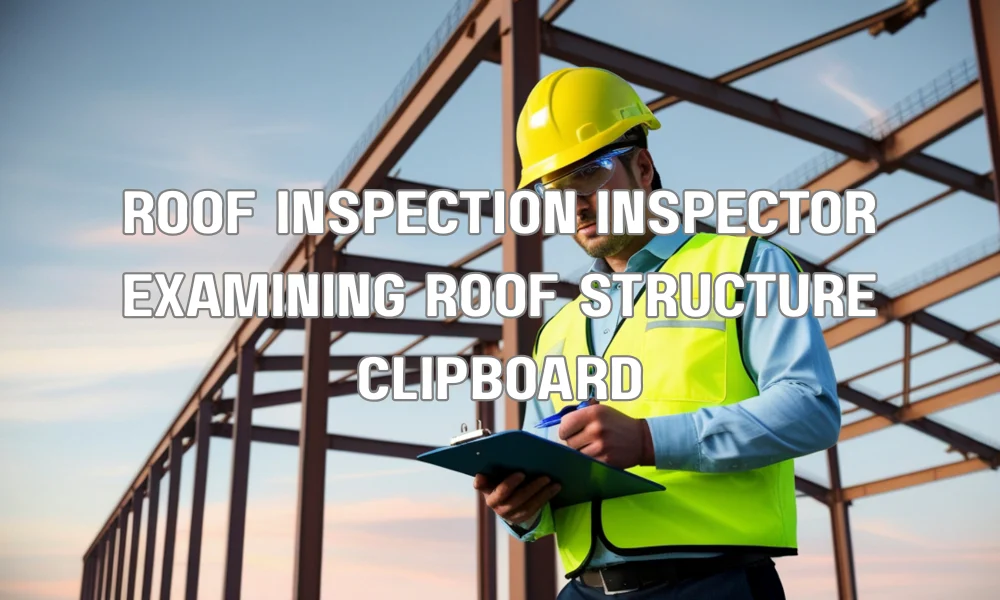
A wind mitigation inspection verifies compliance by having a qualified inspector assess and document key wind-resistant features of your home, especially focusing on the roof. The inspector examines elements like the roof’s shape, construction materials, attachment methods of the roof deck and roof-to-wall connections, and any secondary water resistance. This assessment results in a standardized OIR-B1-1802 form, which details the property’s wind resistance features and serves as the official document for insurance premium discounts. The findings directly inform insurers about the property’s risk profile.
The Financial Impact and Long-Term Benefits
What are the typical insurance savings from FBC compliance?
The typical insurance savings from FBC compliance can be substantial, often ranging from 10% to 45% or more on the wind portion of a homeowner’s insurance premium, depending on the number and quality of compliant features. While the total percentage varies based on location, insurer, and specific upgrades, homeowners frequently report hundreds, even thousands, of dollars in annual savings. These discounts accumulate significantly over the lifespan of a roof, making the initial investment in FBC-compliant construction highly cost-effective.
Critical Fact 2: While wind mitigation credits offer immediate financial relief, they also implicitly encourage a higher standard of construction, which reduces community-wide vulnerability to natural disasters and potentially stabilizes insurance markets over time.
Beyond savings, what are the broader benefits of FBC-compliant roofing?
Beyond the immediate insurance savings, FBC-compliant roofing offers broader, long-term benefits including enhanced property safety, increased home value, and greater peace of mind. A robust, wind-resistant roof provides superior protection for your family and possessions during severe weather events, significantly reducing the likelihood of catastrophic damage. Furthermore, homes with documented FBC compliance are often more attractive to potential buyers, potentially increasing resale value and demonstrating a commitment to quality construction.
Navigating the Inspection and Application Process
What is involved in a wind mitigation inspection for FBC credits?
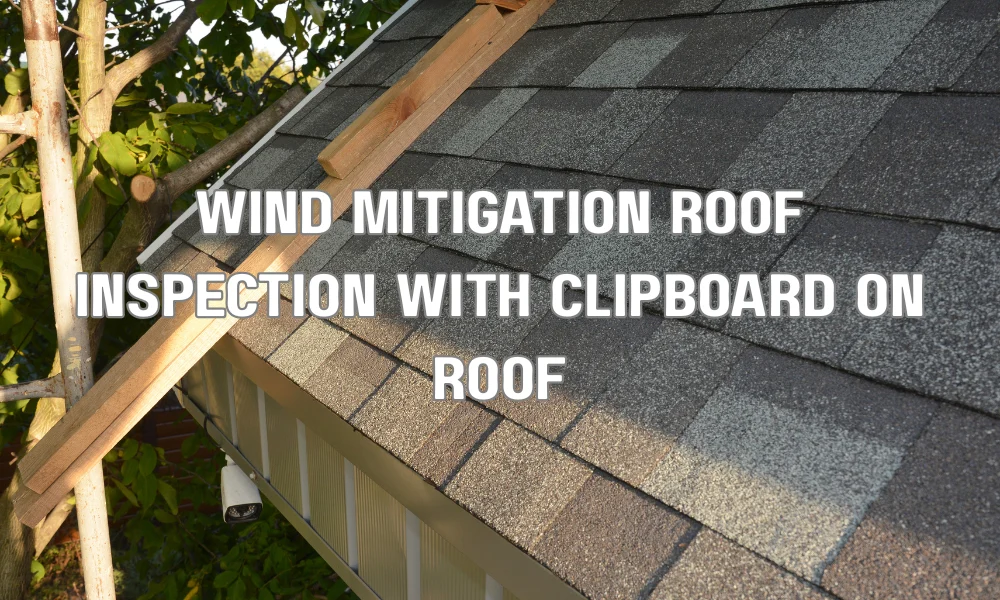
A wind mitigation inspection for FBC credits involves a certified inspector thoroughly examining specific components of your home’s exterior and structural integrity. This typically includes assessing the roof’s age, covering material, decking attachment method (e.g., nail size and spacing), roof-to-wall connection type (e.g., clips, straps), the roof’s geometry (e.g., hip vs. gable), and the presence of a secondary water resistance layer. The inspector will take photos and measurements, then complete the OIR-B1-1802 Uniform Mitigation Verification Inspection Form, which you submit to your insurer. The entire process usually takes about 30-60 minutes.
How should homeowners apply for FBC roofing credits?
Homeowners should apply for FBC roofing credits by first ensuring their roof meets the necessary criteria, ideally through a recent roof replacement or upgrade adhering to FBC standards. Next, schedule a certified wind mitigation inspection to obtain the official OIR-B1-1802 form. Once you receive the completed form, submit it directly to your homeowner’s insurance provider. They will then review the document and apply any eligible credits to your policy, usually resulting in a premium adjustment on your next billing cycle or a refund for the current term.
Common Misconceptions and Best Practices
What are common pitfalls to avoid when seeking FBC credits?
Common pitfalls to avoid when seeking FBC credits include relying on outdated inspection reports, assuming all roof replacements automatically qualify, and not communicating proactively with your insurance agent. Ensure your wind mitigation report is current (typically less than 5 years old) and specifically addresses all FBC-compliant features. Also, verify that your roofing contractor is familiar with FBC standards and provides documentation for materials and installation. Always provide the OIR-B1-1802 form directly to your insurer; they cannot apply credits without it.
What proactive steps can maximize FBC roofing credit benefits?
To maximize FBC roofing credit benefits, homeowners should proactively choose roofing contractors who specialize in FBC-compliant installations and understand wind mitigation requirements. Request detailed documentation, including permits, invoices, and product specifications, for any roof work. Schedule a wind mitigation inspection immediately after major roof upgrades or replacements. Regularly review your policy with your insurance agent to ensure all eligible credits are applied and explore additional discounts available for other home hardening measures.
Critical Fact 3: Maintaining documentation of all roof upgrades, including permits and inspection reports, is crucial for long-term eligibility and smooth processing of FBC roofing credits with insurance providers.
Frequently Asked Questions
What is the primary purpose of FBC roofing credits?
The primary purpose of FBC roofing credits is to incentivize homeowners to upgrade their roofs to meet stricter building codes, enhancing their property’s resistance to wind damage. This reduces the risk for insurance companies, leading to lower premiums for the homeowner.
How often do I need a wind mitigation inspection?
Most insurance companies require a new wind mitigation inspection every five years to ensure the documented features are still present and in good condition. However, if significant roof repairs or replacements occur, obtaining a new inspection promptly is advisable.
Can my current roof qualify for FBC credits without replacement?
Yes, even without a full roof replacement, your current roof might qualify for FBC credits if it already possesses wind-resistant features like proper roof-to-wall attachments or specific roof deck nailing. A wind mitigation inspection will determine existing eligibility.
Do all insurance companies offer FBC roofing credits?
While the discounts are mandated by Florida law for eligible properties, the specific amount of savings can vary slightly between different insurance providers. It’s always best to inquire directly with your insurer about their specific credit application process.
What if my roof does not qualify for all credits?
If your roof doesn’t qualify for all available credits, you can still receive partial discounts for the features it does possess. Consider targeted upgrades to improve areas of non-compliance, such as reinforcing roof-to-wall connections, to unlock further savings.
Is a wind mitigation inspection expensive?
The cost of a wind mitigation inspection typically ranges from $75 to $150, which is generally a small investment considering the potential annual savings it can unlock on your homeowner’s insurance premium. Many homeowners find it pays for itself quickly.
Can FBC credits impact my home’s resale value?
Absolutely. A home with a newer, FBC-compliant roof and documented wind mitigation features is often more appealing to potential buyers. It suggests lower insurance costs for them and a more resilient property, potentially increasing resale value.
What documentation do I need to provide to my insurance company?
You primarily need to provide the completed and signed OIR-B1-1802 Uniform Mitigation Verification Inspection Form from a certified inspector. Additionally, any permits, invoices, or product documentation related to recent roof upgrades can be helpful.