
Spotting a Shoddy Roof Job in South Florida: Shieldline Roofing’s Expert Guide to Quality & Compliance
In the vibrant, storm-prone landscape of Fort Lauderdale, Hollywood, and the wider South Florida region, your roof isn’t just a covering—it’s your property’s primary defense against relentless sun, torrential rain, and hurricane-force winds. Investing in a new roof or significant repairs is a major decision, and unfortunately, not all roofing jobs are created equal. A subpar installation can turn into a nightmare of leaks, structural damage, and ongoing expenses, especially in our unique climate where the Florida Building Code (FBC) demands the highest standards.
At Shieldline Roofing, we’ve seen firsthand the devastating consequences of hurried, uncertified, or corner-cutting roofing practices. As your trusted, licensed, and insured local roofing experts, we’re dedicated to empowering homeowners and business owners with the knowledge to identify a bad roofing job – and more importantly, how to avoid one. Early detection and choosing the right contractor are paramount to safeguarding your investment and ensuring your roof stands resilient against whatever South Florida throws at it.
Key Takeaways for South Florida Property Owners:
- Early Detection is Crucial: Identifying flaws soon after installation can prevent significant financial and structural damage, especially before hurricane season.
- Quality Over Cost: Investing in reputable, FBC-compliant contractors like Shieldline Roofing and high-grade materials is a long-term saving strategy in our High-Velocity Hurricane Zone (HVHZ).
- Due Diligence Pays Off: Thoroughly vetting contractors, understanding comprehensive contracts that detail FBC compliance, and ensuring proper local permits are non-negotiable steps.
- Proactive Maintenance: Regular inspections tailored to South Florida’s climate and understanding your warranty terms are vital for maximum roof longevity.
Immediate Visual Red Flags: What to Look For Right After Installation in Fort Lauderdale & Hollywood
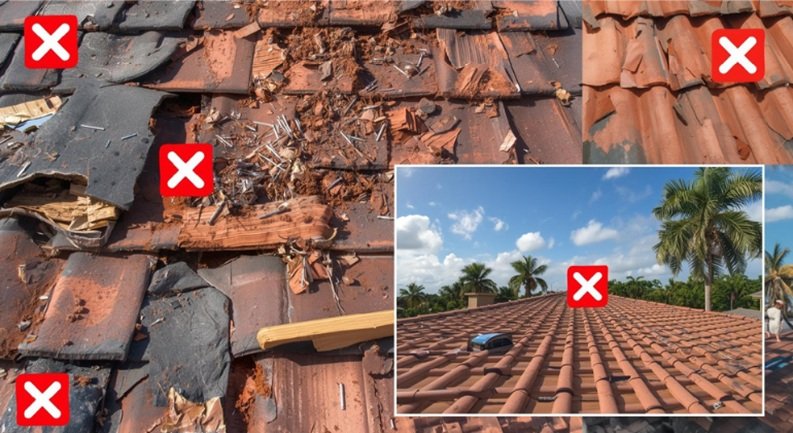
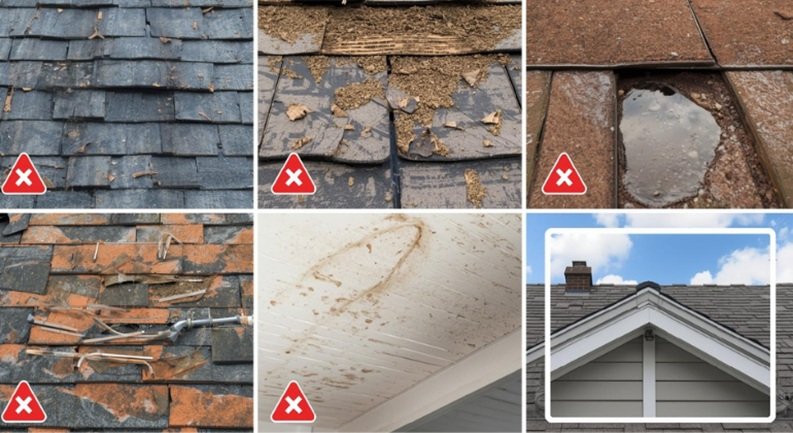
The first signs of a poor roofing job can often be spotted from the ground, or with a quick, safe visual check. These immediate imperfections are red flags that demand attention, especially when considering the rigorous demands placed on roofs in Fort Lauderdale and Hollywood.
Uneven Shingles & Improper Fasteners: Compromising Wind Resistance
A quality roof in South Florida requires precision. Shingles should lay flat, uniformly aligned, and present a consistent, aesthetic pattern. Gaps, buckling, waves, or crooked lines are definitive indicators of rushed or unskilled installation. Even more critical are the fasteners: exposed nails, or nails that are “over-driven” (too deep) or “under-driven” (not deep enough), create weak points. These areas are not only susceptible to leaks but significantly compromise your roof’s ability to withstand high winds, a direct violation of FBC standards designed to protect against hurricane uplift. Shieldline Roofing ensures every shingle is meticulously aligned and fastened according to manufacturer specifications and FBC requirements for maximum wind resistance.
Flashing Failures: The South Florida Leak Gateway
Flashing – the metal or composite material used around chimneys, skylights, vents, and roof-to-wall transitions – is the unsung hero of a waterproof roof. In South Florida, where heavy downpours are common, flawlessly integrated and watertight flashing is non-negotiable. Poorly cut, bent, crimped, or missing flashing creates direct pathways for water intrusion. These areas are notorious for causing leaks that can quickly escalate into major interior damage and structural rot. Our team at Shieldline Roofing utilizes advanced flashing techniques and materials designed to withstand tropical storms, ensuring seamless integration and superior watertight protection.
Post-Job Cleanup & Property Care: A Sign of Professionalism
A truly professional roofing contractor considers the job complete only when the site is impeccably clean and your property is restored. Discovering excessive debris, old materials, packaging, or even loose nails strewn across your yard, driveway, or landscape signals an unprofessional, rushed, or careless crew. Such negligence isn’t just an eyesore; it poses safety risks (e.g., punctures from nails) and can reflect a broader lack of attention to detail that likely extends to the roof installation itself. Shieldline Roofing takes immense pride in our thorough cleanup process, leaving your property spotless and safe, reflecting our commitment to excellence from start to finish.
Developing Issues: Subtle Signs of Underlying Roofing Problems in a High-Humidity Climate
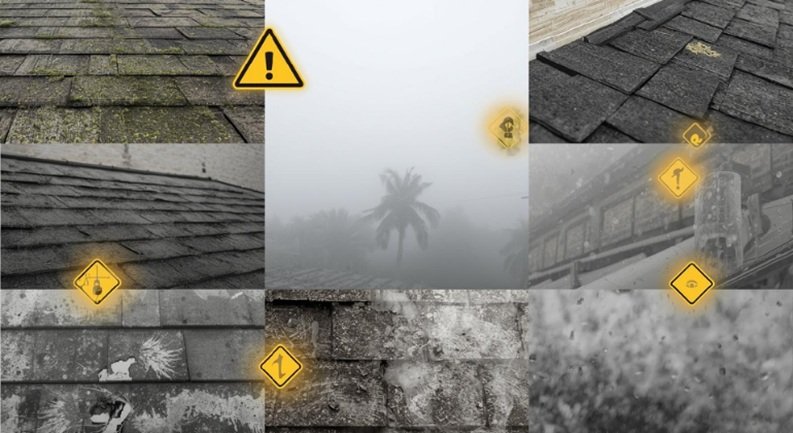
Sometimes, the signs of a poor roofing job aren’t immediately apparent. Over time, especially under the intense heat and humidity of the South Florida climate, underlying issues can begin to manifest, signaling deep-seated problems that need expert attention.
Premature Material Degradation & Algae Growth
A new roof should look new and perform optimally for years. If you notice shingles curling, cracking, blistering, or experiencing excessive granule loss shortly after installation, it’s a critical red flag. This often points to the use of low-quality materials not suited for South Florida’s UV exposure and heat, or improper installation techniques that stress the materials prematurely. Moreover, excessive black streaks or green patches of algae and mildew, while common in our humid environment, can be exacerbated by poor ventilation or material choices, leading to faster degradation if not addressed. Shieldline Roofing selects only high-performance, algae-resistant materials designed to thrive in our climate, ensuring your roof looks great and lasts longer.
Water Intrusion: Stains, Mold, and the FBC
Any sign of water stains on your ceilings, walls, or even in your attic is a definitive indicator of a leak, almost certainly originating from a compromised roof. In South Florida’s humid environment, even minor leaks can quickly lead to rampant mold and mildew growth in the attic or interior spaces. This isn’t just an aesthetic problem; mold poses serious health hazards and indicates significant moisture intrusion that can lead to wood rot, compromising your home’s structural integrity. The FBC mandates stringent requirements for a **Secondary Water Barrier (SWB)** beneath your primary roofing material, specifically to protect against water intrusion during high-wind events. If an SWB was omitted or improperly installed, your entire home is at risk. Shieldline Roofing meticulously installs SWBs and other watertight barriers to comply with all FBC regulations, offering superior protection.
Energy Inefficiency: The Cost of Poor Ventilation in South Florida
An improperly installed roof, particularly one with compromised or inadequate attic ventilation, can turn your home into an oven or an icebox, leading to significantly higher energy bills. In South Florida, proper attic ventilation is crucial for expelling trapped heat and moisture, which prevents premature roof material degradation and reduces the load on your HVAC system. Without it, heat radiates into your living space, making your air conditioner work harder. **[STAT: Poor roofing and insulation can account for 15-25% higher utility bills annually.]** This isn’t just uncomfortable; it’s a constant drain on your wallet. Shieldline Roofing specializes in optimizing attic ventilation systems to ensure maximum energy efficiency and roof longevity, adhering to FBC standards for climate control.
Critical Failures: Structural and Material Deficiencies Under the South Florida Sun
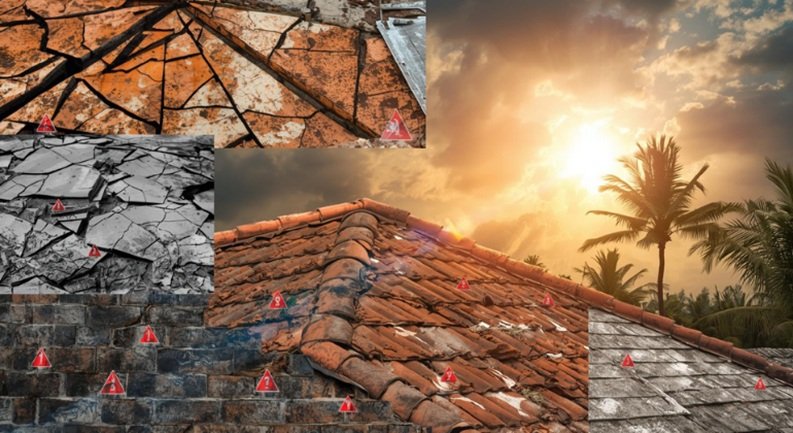
Beyond the visual and developing signs, some roofing jobs suffer from fundamental, critical failures that compromise the entire system. These issues are often hidden but can lead to catastrophic consequences, particularly when exposed to a South Florida hurricane.
Compromised Underlayment & Secondary Water Barrier (SWB)
The underlayment, particularly the **Secondary Water Barrier (SWB)**, is the critical protective layer beneath your shingles or tiles. In Fort Lauderdale and other HVHZ regions, the FBC mandates a robust SWB designed to keep water out even if your primary roofing material is blown off by hurricane winds. If this barrier is not properly installed, is of poor quality, or was omitted entirely, your roof deck and the underlying structure are left vulnerable to devastating moisture damage. This is a non-negotiable component for any South Florida roof, and Shieldline Roofing ensures meticulous installation of FBC-compliant SWBs for unparalleled protection.
Inadequate Ventilation Systems: A Recipe for Disaster in Heat Zones
A poorly ventilated attic in South Florida is a ticking time bomb. It traps immense heat and humidity, which can lead to rapid degradation of roofing materials (shingles, decking), increased energy consumption, and the proliferation of mold and mildew. Ridge vents, soffit vents, and other attic ventilation components must be correctly designed, sealed, and installed to facilitate optimal airflow. Improper installation or insufficient ventilation capacity will lead to premature roof failure and potential structural damage. Shieldline Roofing designs and installs comprehensive ventilation systems that meet or exceed FBC requirements, ensuring your attic “breathes” correctly, extending your roof’s lifespan and improving home comfort.
Subpar Materials & FBC Compliance: Why Quality Matters for Hurricane Season
Some unscrupulous contractors cut costs by using cheaper, lower-grade shingles, tiles, or accessories that are not rated for South Florida’s extreme weather, or worse, are not FBC compliant. While they might look similar initially, these materials will fail prematurely under the intense UV, humidity, and wind loads common here. It’s crucial that all materials, from shingles to flashing to fasteners, meet the specific wind-resistance and impact-resistance ratings required for our HVHZ. Shieldline Roofing exclusively uses manufacturer-certified, FBC-approved, and hurricane-rated materials, providing you with a roof built to last and protect your property through every storm.
The Hidden Costs: Why a Bad Roof Job is a Catastrophe in South Florida
The true cost of a bad roofing job extends far beyond the initial shoddy installation. In South Florida, these hidden costs can quickly spiral into a financial and personal crisis, making a cheap job the most expensive mistake you’ll ever make.
Financial & Insurance Ramifications
A faulty roof leads to a cascade of financial drains: costly and premature repairs, the need for an early and entirely new roof replacement, and potentially increased insurance premiums or even denied claims if the initial installation wasn’t to code. Furthermore, dealing with an irresponsible contractor can lead to expensive litigation. **[STAT: Over $10 billion in property damage annually in the U.S. is attributed to water damage, much of which originates from roof leaks.]** This highlights the immense financial exposure homeowners face with a compromised roof. Shieldline Roofing helps you avoid these pitfalls by providing FBC-compliant installations that stand up to inspections and insurance adjusters.
Structural Integrity & Health Hazards
Water infiltration from a failing roof can lead to insidious structural degradation. Rotting wood in your rafters, trusses, and roof deck can compromise the entire structural integrity of your home, potentially leading to ceiling collapse or even foundation issues. In South Florida’s humid environment, leaks are also a breeding ground for mold and mildew. These fungi are not just unsightly; they release spores that can trigger allergies, respiratory issues, and other serious health problems for occupants, diminishing indoor air quality and creating an unsafe living environment. Our focus on proper water barriers and ventilation safeguards both your property’s structure and your family’s health.
Diminished Property Value & Resale Challenges
A visibly damaged or poorly installed roof significantly detracts from your property’s curb appeal. Potential buyers in Fort Lauderdale and Hollywood are savvy; they understand the importance of a sound roof, especially one that meets FBC standards. A roof that looks bad or fails inspection during a sale will deter buyers, necessitate expensive last-minute repairs, or force you to significantly drop your asking price. This impacts resale value and can make your property a tough sell in a competitive market. A quality roof from Shieldline Roofing is an investment that enhances your property’s value and provides peace of mind for future sales.
Strategic Avoidance: Securing a Code-Compliant & Durable Roof with Shieldline Roofing
The best way to avoid the pitfalls of a bad roofing job is through strategic planning and selecting the right partner from the start. Shieldline Roofing provides a transparent, professional process designed to deliver a high-quality, FBC-compliant roof every time.
Comprehensive Contractor Vetting: Choosing the Right Local Expert
Before you commit, scrutinize your potential contractor. For your safety and peace of mind in Fort Lauderdale and Hollywood, always:
- Verify Licenses and Insurance: Demand proof that they are licensed by the State of Florida (e.g., CCC or CRC license) and carry comprehensive liability and worker’s compensation insurance. Unlicensed contractors are a massive liability.
- Check References and Portfolio: Ask for recent client references, especially from projects in your local area, and view examples of their previous work to assess quality.
- Read Online Reviews: Utilize platforms like Google, the Better Business Bureau (BBB), and local community forums for authentic insights into their reputation and service quality. **[STAT: Up to 30% of roofing complaints annually are related to unlicensed contractors or poor workmanship.]** Shieldline Roofing prides itself on glowing local reviews and a spotless record.
- Demand a Written Estimate: A detailed estimate should transparently include material brands, quantities, labor costs, and realistic project timelines.
Detailed Contracts & Ironclad Warranties: Protecting Your Investment
Never proceed without a thorough, legally binding contract. Ensure it clearly outlines:
- Scope of Work: Every aspect of the job, from tear-off (including disposal of old materials) to final cleanup, should be itemized. Crucially, it should specify adherence to all relevant sections of the FBC.
- Material Specifications: The contract must specify the exact brand, type, color, and specific product lines of all materials to be used, including shingles, underlayment (e.g., self-adhering SWB), flashing, and fasteners, ensuring they are FBC-approved.
- Payment Schedule: Avoid large upfront payments. A standard, safe schedule might be 10-20% upfront, with progress payments tied to verifiable milestones, and a final payment only upon completion and your complete satisfaction.
- Warranty Information: Understand both the material manufacturer’s warranty (often linked to contractor certification) and the contractor’s labor warranty. Ensure both are in writing, clearly outline coverage and duration, and are transferable if you sell your property. Shieldline Roofing offers robust warranties that give you confidence.
Material Selection & Local Climate Resilience: Building for Hurricanes
Choosing the right materials is paramount in South Florida:
- Research Roofing Materials: Understand the pros and cons of asphalt shingles (e.g., architectural or dimensional for higher wind ratings), metal roofs (excellent for longevity and wind resistance), and tile roofs (clay or concrete, ideal for aesthetics and durability). Consider their specific performance in our HVHZ.
- Energy Efficiency: Discuss materials and installation techniques that enhance insulation and ventilation, critical for reducing heat gain and maintaining energy efficiency in our hot climate.
- Manufacturer Certifications: Look for contractors, like Shieldline Roofing, who are certified by specific material manufacturers. This indicates that they’ve undergone specialized training and adhere to stringent quality standards, often allowing them to offer extended warranties.
Permits and Inspections: Navigating South Florida Regulations
This step is non-negotiable for FBC compliance and your safety:
- Local Requirements: Ensure the contractor pulls all necessary local permits (e.g., from Fort Lauderdale or Hollywood municipalities) before any work begins. This is not optional and protects you legally.
- Mandatory Inspections: Be aware of any municipal inspections required by your city during or after the roofing process. These inspections verify that the work adheres to FBC and local codes, a crucial step Shieldline Roofing always facilitates.
Post-Installation Walkthrough & Final Approval: Shieldline’s Quality Assurance
Before making your final payment, complete a comprehensive review:
- Thorough Inspection: Conduct a final walkthrough with a Shieldline Roofing supervisor to inspect the completed roof, verify property cleanup, and ensure all contract terms and FBC requirements have been met.
- Address Concerns Promptly: Do not make the final payment until all issues, concerns, or unfulfilled aspects of the contract are resolved to your complete satisfaction. Your satisfaction is Shieldline Roofing’s priority.
FAQs: Your South Florida Roofing Questions Answered by Shieldline Roofing
How long should a new roof in Fort Lauderdale last?
The lifespan varies significantly by material and proper installation quality. Asphalt shingles typically last 20-30 years (especially high-grade architectural shingles for FL), metal roofs 40-70 years, and tile roofs (clay or concrete) 50+ years, assuming FBC-compliant installation and diligent maintenance in our climate.
What critical questions should I ask a roofing contractor in Hollywood, FL?
“Are you licensed and insured for work in Florida and specifically in our HVHZ?” “Can you provide references from recent South Florida projects and a portfolio?” “What is your warranty for both labor and materials, and is it transferable?” “Do you use subcontractors, and if so, are they also licensed and insured?” “What is your cleanup process for nails and debris?” “How do you ensure compliance with the latest Florida Building Code for wind mitigation?”
Is it ever okay to hire an unlicensed contractor to save money in South Florida?
Absolutely not. Hiring an unlicensed contractor in Fort Lauderdale or Hollywood is a critical mistake. They often lack proper insurance, leaving you financially liable for any accidents, property damage, or injuries on your site. Their work rarely meets FBC standards, which can lead to denied insurance claims, costly repairs, and significant legal headaches. The initial ‘savings’ are almost always offset by future risks and enormous costs.
What should I do if I discover issues after the contractor has been paid in full?
Contact the contractor immediately in writing, referencing your contract and warranty. Document all issues with photos and dates. If they are unresponsive or uncooperative, consider consulting an attorney specializing in construction law, filing a complaint with the Florida Department of Business and Professional Regulation (DBPR), or your local consumer protection agency. For an FBC-compliant job, you have recourse.
How often should I inspect my roof in South Florida?
It’s recommended to visually inspect your roof annually, ideally in spring and fall, and especially after any major storms (e.g., hurricanes or severe thunderstorms). Given our climate, professional inspections every 2-3 years are highly advisable to catch issues like algae growth, loose tiles, or flashing degradation before they become major problems. Shieldline Roofing offers comprehensive inspection services.
