
Executive Summary
- Prioritize roofing materials like copper, stainless steel, and specialized composites engineered for superior resistance to corrosive salt air and extreme weather conditions.
- Understand that coastal environments present unique challenges, including high humidity, intense UV radiation, and strong winds, which accelerate material degradation.
- Invest in high-grade fasteners, specialized coatings, and meticulous installation techniques to ensure maximum durability and extend the roof’s lifespan in marine climates.
- Evaluate manufacturer warranties and material specifications explicitly designed for coastal applications to guarantee performance and long-term structural integrity.
- Consider the total lifecycle cost, not just initial outlay, as durable, high-performance coastal roofing materials offer significant return on investment through reduced maintenance and replacement.
- Implement a proactive maintenance schedule, including regular rinsing, to prevent salt accumulation and maintain the aesthetic appeal and protective qualities of your coastal roof.
- Explore sustainable options like recyclable metals and advanced composites that provide both environmental benefits and exceptional resilience against harsh seaside elements.
Understanding Coastal Roofing Challenges
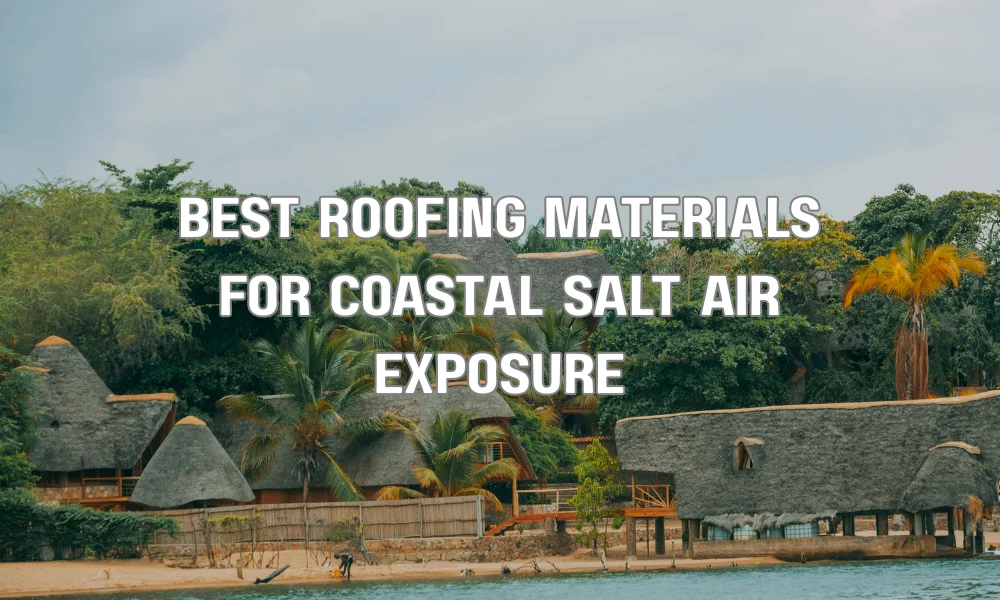
Coastal environments, while beautiful, are incredibly harsh on building materials, especially roofs. The constant assault of salt spray, high humidity, intense ultraviolet (UV) radiation, and frequent high winds combines to create a uniquely aggressive corrosive environment. These factors accelerate the degradation of conventional roofing materials, leading to premature failure, aesthetic damage, and costly repairs if unsuitable choices are made. Selecting the right material is paramount to ensuring longevity and structural integrity.
Critical Fact 1: Salt spray, a primary component of coastal air, significantly accelerates the corrosion of many metals and degrades organic materials by breaking down their chemical bonds and protective layers.
Why are coastal environments so damaging to roofs?
Coastal environments are damaging to roofs primarily due to the omnipresent salt in the air, carried by sea breezes. This salt, combined with high humidity, creates an electrolyte solution that promotes galvanic corrosion in metals and degrades the protective coatings and matrices of other materials. Additionally, the intensified UV radiation from direct sun exposure and reflection off the water weakens material bonds, while high winds can lift, tear, or completely remove roofing components if not adequately secured. The constant dampness fosters mold and mildew, further compromising material integrity.
Top Roofing Materials for Coastal Salt Air Exposure
Choosing the optimal roofing material for a coastal property requires a deep understanding of how different materials react to the marine environment. The goal is to select options that offer exceptional corrosion resistance, UV stability, and wind uplift performance, ensuring a durable and beautiful roof for decades.
What are the most corrosion-resistant metal roofing options for coastal areas?
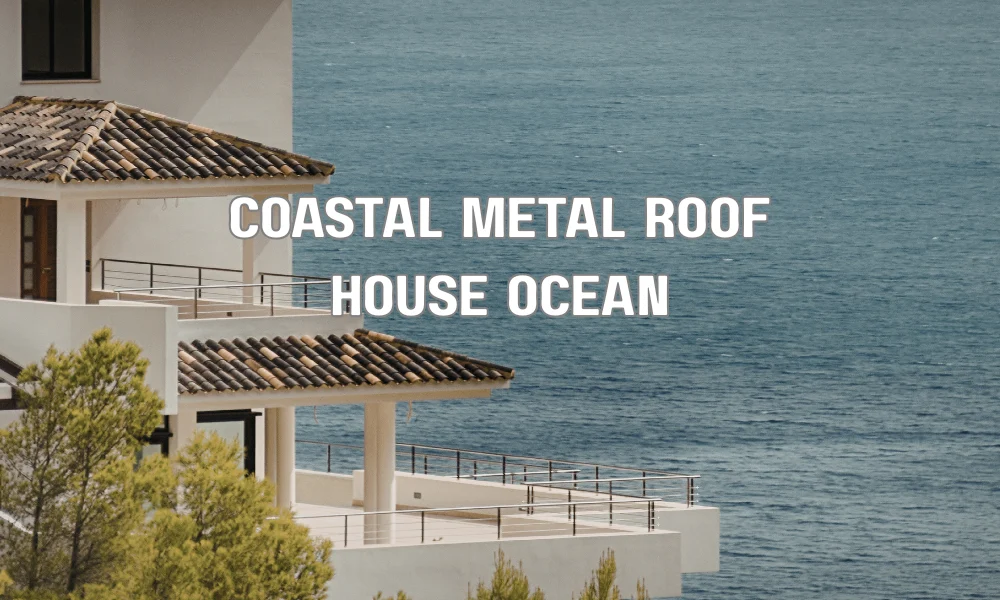
The most corrosion-resistant metal roofing options for coastal areas are copper, stainless steel, and aluminum. Copper develops a natural patina that acts as a protective layer, offering exceptional longevity without corrosion. Stainless steel, particularly marine-grade alloys (316L), contains molybdenum, enhancing its resistance to chloride-induced pitting corrosion. Aluminum, especially alloys like 3003 or 3004, forms a tenacious oxide layer that prevents further corrosion, making it a lightweight and robust choice. Zinc also performs well, developing a self-healing patina that protects against environmental degradation.
Are composite shingles suitable for coastal applications?
Yes, certain high-performance composite shingles are indeed suitable for coastal applications, provided they are specifically engineered for such environments. Modern composite materials, often made from recycled plastics and rubber, are designed to resist impact, uplift from high winds, and UV degradation. Look for products with enhanced UV stabilizers and a Class A fire rating, as well as those proven to withstand extreme weather and salt spray tests. Unlike asphalt shingles, which can become brittle and crack under intense UV and fluctuating temperatures, advanced composites maintain their flexibility and integrity.
How do specific coatings enhance roofing material longevity in coastal zones?
Specific coatings significantly enhance roofing material longevity in coastal zones by providing an additional barrier against corrosive elements. For metal roofs, advanced Kynar 500® or Hylar 5000® fluoropolymer coatings offer superior UV resistance, color retention, and protection against salt spray. These coatings prevent oxidation and galvanic corrosion by isolating the metal from the environment. For other materials, specialized elastomeric or ceramic coatings can create a seamless, waterproof membrane that resists salt penetration, inhibits mold growth, and reflects solar radiation, thereby extending the life of the substrate and reducing heat absorption.
Critical Fact 2: While initial cost may be higher, investing in marine-grade stainless steel fasteners is non-negotiable for coastal roofing, as standard galvanized fasteners will corrode rapidly, compromising the entire roof system’s integrity.
What role does installation technique play in coastal roof durability?
Installation technique plays a critical role in coastal roof durability, often being as important as the material selection itself. Proper installation ensures that the roof system can withstand high wind uplift, prevent water intrusion, and maintain its structural integrity against constant environmental stress. This includes using appropriate, corrosion-resistant fasteners (e.g., stainless steel), ensuring correct flashing and sealing details, and adhering strictly to manufacturer specifications for overlap, pitch, and securing methods. For metal roofs, standing seam systems with concealed fasteners inherently offer better wind and leak resistance than exposed fastener systems. Adequate attic ventilation is also crucial to prevent moisture buildup from high humidity.
Comparative Data for Coastal Roofing Materials
This table provides a high-level comparison of recommended roofing materials suitable for coastal environments, focusing on their key properties relevant to salt air exposure.
| Material Type | Corrosion Resistance | Wind Resistance | UV Resistance | Lifespan (Years) | Maintenance Level |
|---|---|---|---|---|---|
| Copper (Standing Seam) | Excellent (Patina) | Excellent | Excellent | 70-100+ | Low |
| Stainless Steel (316L) | Excellent | Excellent | Excellent | 50-70+ | Low |
| Aluminum (Coated) | Very Good | Excellent | Very Good | 40-60+ | Low |
| Zinc (Standing Seam) | Excellent (Patina) | Excellent | Excellent | 80-100+ | Low |
| Composite Shingles | Very Good | Very Good | Very Good | 30-50 | Moderate |
Long-Term Investment and Maintenance
Investing in a high-quality, coastal-appropriate roofing material is a decision that pays dividends over the lifespan of the property. While the initial cost may be higher than conventional options, the reduced need for repairs, extended lifespan, and enhanced property value far outweigh the upfront expense. Furthermore, selecting materials that offer energy efficiency and sustainability can lead to long-term savings and environmental benefits.
What is the recommended maintenance schedule for coastal roofs?
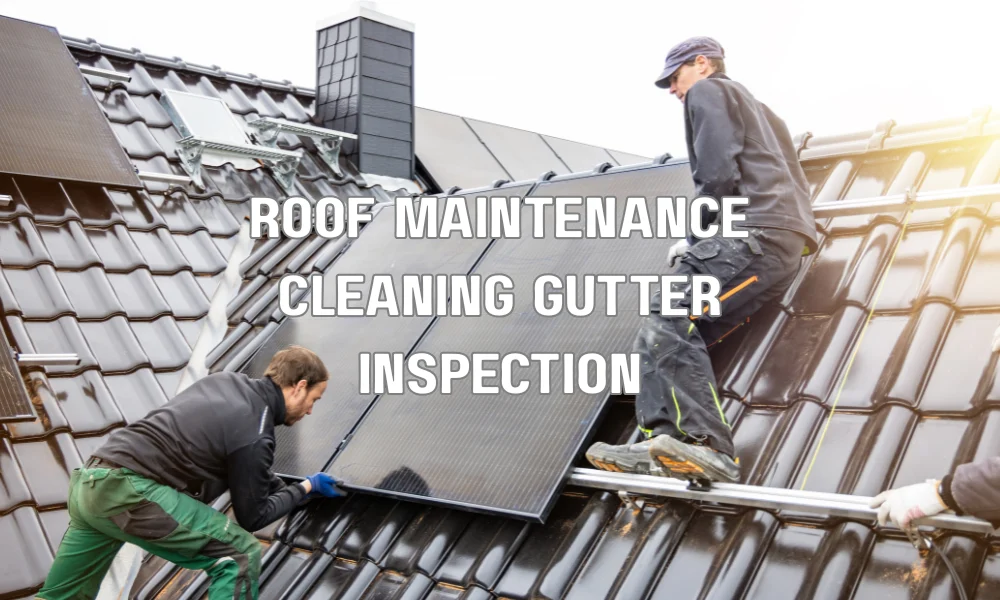
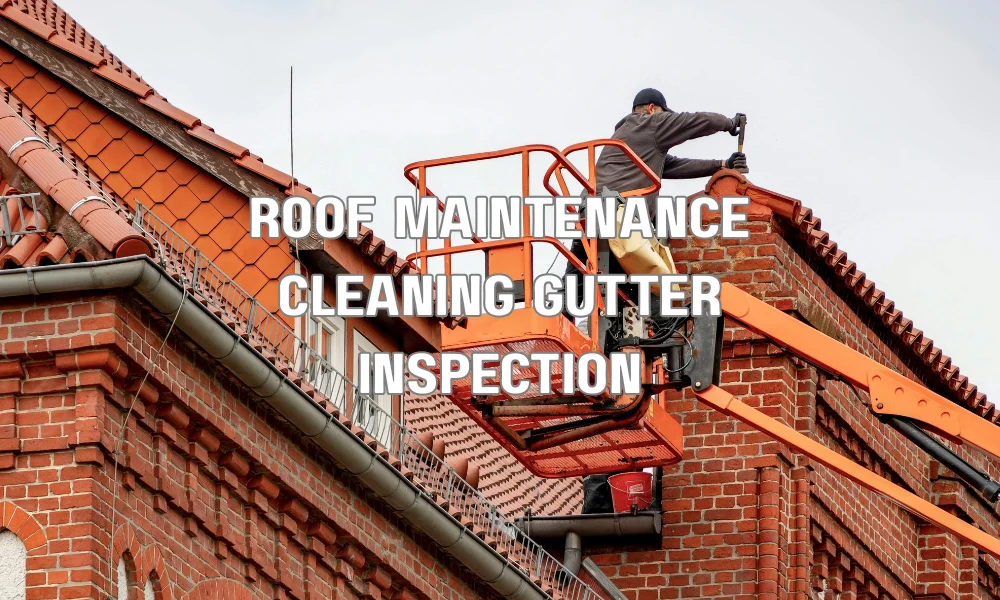
The recommended maintenance schedule for coastal roofs primarily involves regular inspections and cleaning. It is advisable to conduct visual inspections twice a year, ideally in spring and fall, to check for any signs of damage, loose fasteners, or debris accumulation. Crucially, a gentle fresh-water rinse every 3-6 months is highly recommended, especially after storms, to wash away accumulated salt, sand, and pollutants that can accelerate corrosion or material degradation. Clearing gutters and downspouts of leaves and sand is also essential to ensure proper drainage and prevent water pooling.
How does proper ventilation impact coastal roof performance and longevity?
Proper ventilation significantly impacts coastal roof performance and longevity by mitigating the effects of high humidity and extreme temperatures. In coastal regions, high humidity can lead to moisture buildup within the attic space, which, if not properly ventilated, can promote mold and mildew growth, degrade structural timbers, and compromise insulation. Effective ventilation systems, including soffit and ridge vents, allow hot, humid air to escape while drawing in cooler, drier air, thereby reducing thermal stress on roofing materials and preventing condensation. This process helps to maintain the integrity of the roof deck and extend the life of the entire roofing system.
Critical Fact 3: Regular freshwater rinsing of coastal roofs is a simple yet profoundly effective maintenance practice that can dramatically extend the lifespan of almost any roofing material by removing corrosive salt residue.
Frequently Asked Questions
What is the most expensive but best roofing material for coastal properties?
Copper roofing is generally the most expensive upfront but offers unmatched longevity and corrosion resistance, often lasting over 100 years. Its natural patina provides a self-healing protective layer, making it an excellent long-term investment for coastal environments.
Can asphalt shingles be used in coastal areas?
While asphalt shingles are a common choice, they are generally not recommended for harsh coastal areas. The intense UV, salt spray, and high winds can rapidly degrade the granules and asphalt binder, leading to premature cracking, brittleness, and reduced lifespan compared to specialized coastal materials.
Do coastal roofs need special fasteners?
Absolutely. Coastal roofs require specialized fasteners made from marine-grade stainless steel (e.g., 304 or 316). Standard galvanized or aluminum fasteners will quickly corrode in salt air, compromising the structural integrity and wind resistance of the entire roofing system.
How do I protect my coastal roof from hurricanes?
Protecting a coastal roof from hurricanes involves selecting materials with high wind uplift ratings, ensuring meticulous installation with proper fastening schedules, and using hurricane clips or straps. Standing seam metal roofs and strong composite shingles with enhanced edge fastening are highly effective.
Is a white roof better for coastal climates?
A white or light-colored roof can be beneficial in coastal climates by reflecting more sunlight, which reduces heat absorption and keeps the interior cooler. This can lead to lower air conditioning costs, especially important in hot, humid coastal regions.
What kind of warranty should I look for with a coastal roof?
Look for a comprehensive warranty that specifically addresses performance in coastal or marine environments. This should cover material defects, corrosion, and wind uplift, ideally for a minimum of 25-50 years, often non-prorated for material and labor.
Are solar panels compatible with coastal roofing materials?
Yes, solar panels are compatible with many coastal roofing materials, especially metal roofs. The key is to use corrosion-resistant mounting hardware (stainless steel) and ensure the roof itself is durable enough to support the panels and withstand long-term coastal exposure without compromising integrity.
How often should a coastal roof be inspected?
A coastal roof should be inspected at least twice a year, preferably in the spring and fall. Additionally, an inspection is recommended after any major storm event (strong winds, heavy rain) to check for potential damage, loose debris, or shifted components.
