
Executive Summary
- Strategic roof replacement is paramount for house flippers in Broward County, significantly boosting property value and buyer confidence against Florida’s harsh weather.
- Understanding and adhering to Broward County’s stringent building codes and permit requirements ensures compliance and avoids costly delays or penalties during a flip.
- Selecting climate-appropriate roofing materials, such as durable metal or high-impact asphalt shingles, is crucial for longevity and meeting local wind uplift standards.
- Balancing initial investment with long-term ROI is key, prioritizing quality installations that enhance curb appeal and pass rigorous home inspections seamlessly.
- Vetting licensed and insured contractors extensively minimizes risks, guarantees professional workmanship, and secures warranties vital for post-sale peace of mind.
- Leveraging energy-efficient roofing solutions can attract environmentally conscious buyers and potentially reduce insurance premiums, increasing the property’s marketability.
- Comprehensive due diligence on roof condition, even for seemingly minor repairs, dictates whether a full replacement is essential to secure maximum profit and avoid future liabilities.
Why Roof Replacement is Crucial for Broward Flips
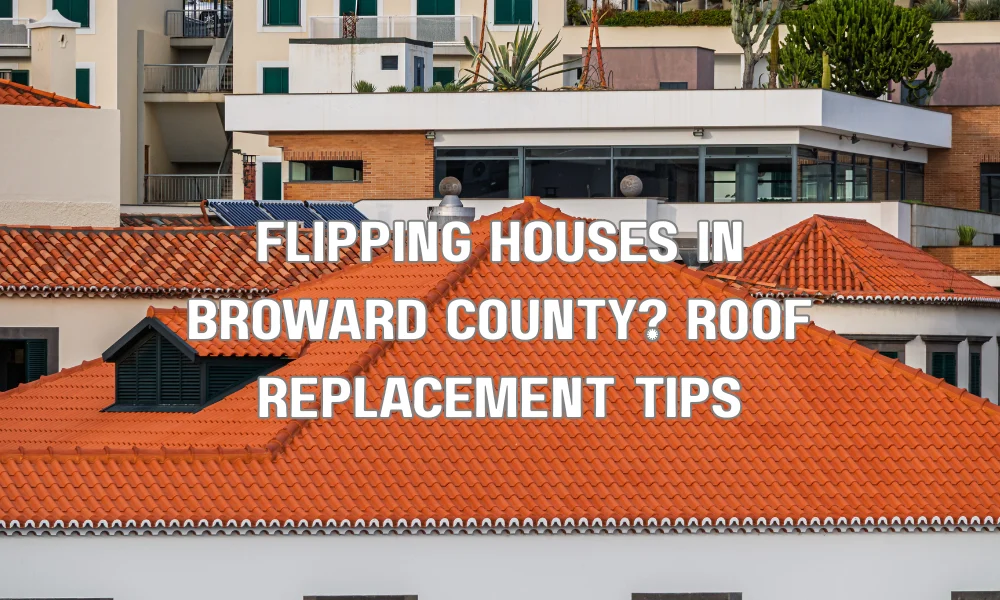
Flipping houses in Broward County presents unique opportunities and challenges, with roof replacement often emerging as a make-or-break investment. A robust, new roof not only protects the structural integrity of the home but also profoundly influences buyer perception, property value, and insurability, especially in a region prone to severe weather. Ignoring an aging or compromised roof can derail a flip, leading to costly delays, failed inspections, and significantly diminished profits.
Critical Fact 1: A recent study by Remodeling Magazine found that a new roof can recoup an average of 60.7% of its cost upon resale, but in storm-prone regions like South Florida, this ROI often exceeds 100% due to enhanced insurability and buyer demand for peace of mind.
What makes Broward County unique for roofing projects?
Broward County’s geographical location in South Florida means roofing projects must contend with unique environmental factors and regulatory demands. The region is highly susceptible to hurricanes, intense UV radiation, and heavy rainfall, necessitating robust materials and installation techniques that comply with the stringent Florida Building Code. This code, particularly its high-velocity hurricane zone (HVHZ) provisions, mandates specific wind resistance ratings and installation methods, making roof replacement more complex and specialized than in other parts of the country.
How does a new roof impact property value and saleability?
A new roof significantly enhances a property’s value and saleability in several critical ways. Firstly, it offers immediate curb appeal, signaling to potential buyers that the home is well-maintained and move-in ready. Secondly, it alleviates buyer concerns about major future expenses, as a roof is one of the most significant components of a home. Thirdly, and perhaps most crucially in Broward County, a new, code-compliant roof makes the home significantly easier and more affordable to insure, a major hurdle for many buyers in hurricane-prone areas. This assurance can translate directly into a faster sale and a higher asking price.
Understanding Broward County Roofing Regulations
Navigating the regulatory landscape for roof replacement in Broward County is non-negotiable for successful house flipping. Strict adherence to local building codes, permit processes, and material specifications is not just about compliance; it’s about protecting your investment and ensuring the safety and longevity of the home.
What are the key building codes and permit requirements?
The Florida Building Code (FBC), specifically the 7th Edition (2020) and subsequent updates, governs all construction, including roof replacements in Broward County. The most critical aspect for roofing is adherence to the High-Velocity Hurricane Zone (HVHZ) provisions, which apply to Broward, Miami-Dade, and Palm Beach counties. These provisions dictate minimum wind resistance standards, fastener types, underlayment requirements, and installation practices designed to withstand hurricane-force winds. Obtaining the necessary permits from the relevant municipal building department is mandatory before any work begins. Failure to do so can result in stop-work orders, fines, and the need to redo work at additional cost and time.
Which roofing materials are best suited for the South Florida climate?
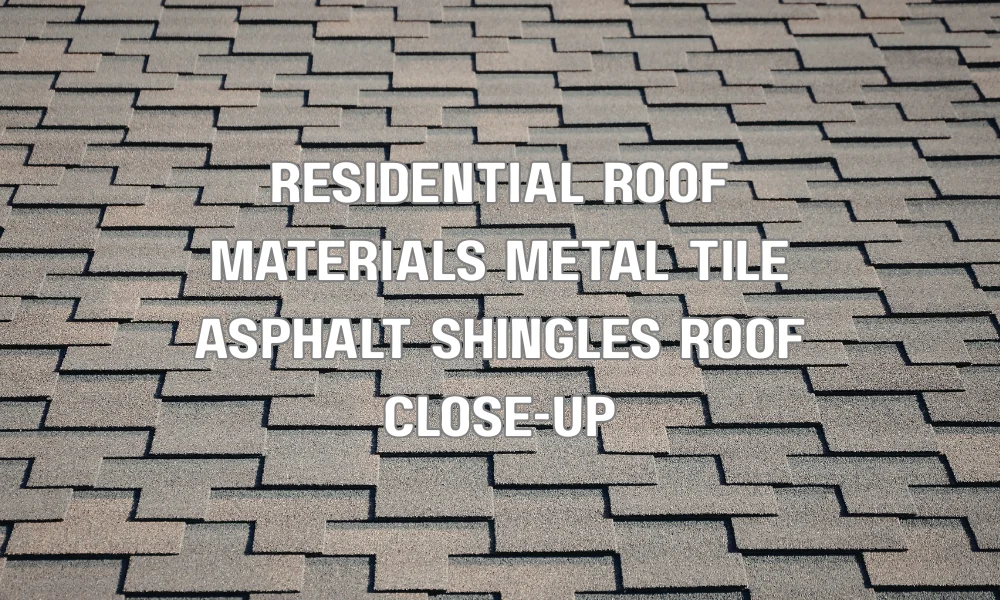
Given Broward County’s climate, selecting the right roofing material is paramount for durability, efficiency, and meeting code requirements. Metal roofing (e.g., standing seam, corrugated) offers excellent longevity, superior wind resistance, and energy efficiency. Concrete or clay tiles are also highly durable, aesthetically pleasing, and resistant to heat and salt air, though heavier and more expensive. High-impact asphalt shingles, specifically those rated for high wind uplift (e.g., architectural or dimensional shingles with enhanced adhesive strips), can be a cost-effective option. Flat roofs often utilize TPO (Thermoplastic Polyolefin) or modified bitumen, valued for their reflective properties and durability.
Cost-Effective Roofing Strategies for Flippers
Maximizing profit margins while ensuring quality is the art of house flipping, and roof replacement is a prime area for strategic cost management. Flippers must carefully weigh material choices, contractor pricing, and potential long-term benefits to achieve the best return on investment without compromising integrity.
How can flippers balance quality with budget constraints?
Balancing quality with budget in roof replacement requires smart decision-making. Instead of opting for the cheapest materials, consider those that offer the best “cost per year of life” value, often slightly more expensive options that last significantly longer and require less maintenance. Negotiate with multiple licensed contractors, comparing not just the bottom line but also the scope of work, warranty details, and material specifications. Bulk purchasing, if feasible, can also yield savings. Prioritize essential code compliance over purely aesthetic upgrades if the budget is tight, ensuring the core function and integrity are top-tier.
Critical Fact 2: Investing in a cool roof (e.g., reflective metal or TPO) can reduce cooling costs by 15-20%, a significant selling point in Broward County where energy efficiency is highly valued by buyers and impacts utility bills year-round.
What are common pitfalls to avoid in a roof replacement project?
Common pitfalls include hiring unlicensed or uninsured contractors, which exposes flippers to liability for accidents and shoddy workmanship. Skipping permits or attempting to cut corners on code requirements will inevitably lead to costly rework or fines. Overlooking proper ventilation can lead to premature roof degradation and higher energy bills. Additionally, failing to thoroughly inspect the underlying decking before installation can hide structural issues that will resurface later, potentially impacting the sale. Always ensure a detailed contract is in place, outlining all materials, labor, timelines, and warranty specifics.
| Material Type | Approx. Cost Range per Sq. Ft. (Installed) | Average Lifespan | Wind Resistance (Code Compliant) | Energy Efficiency Potential |
|---|---|---|---|---|
| Asphalt Shingles (Architectural) | $4.00 – $6.50 | 20-30 years | 130-150 mph | Moderate (lighter colors) |
| Metal (Galvalume/Aluminum) | $8.00 – $15.00 | 40-70 years | 150-180 mph+ | High (highly reflective) |
| Concrete/Clay Tile | $9.00 – $18.00 | 50-100 years | 150-180 mph+ | High (thermal mass) |
| TPO (Flat Roofs) | $7.00 – $12.00 | 15-30 years | 130-150 mph+ | High (reflective white) |
*Costs are estimates and can vary based on roof complexity, contractor, and specific material grades.
Maximizing ROI Through Strategic Roof Choices
Every decision in a house flip should be viewed through the lens of return on investment, and roofing is no exception. Strategic choices about repairs versus replacement, as well as considering long-term benefits like energy efficiency and insurance, can significantly boost your overall profit.
When is a full replacement necessary versus a repair?
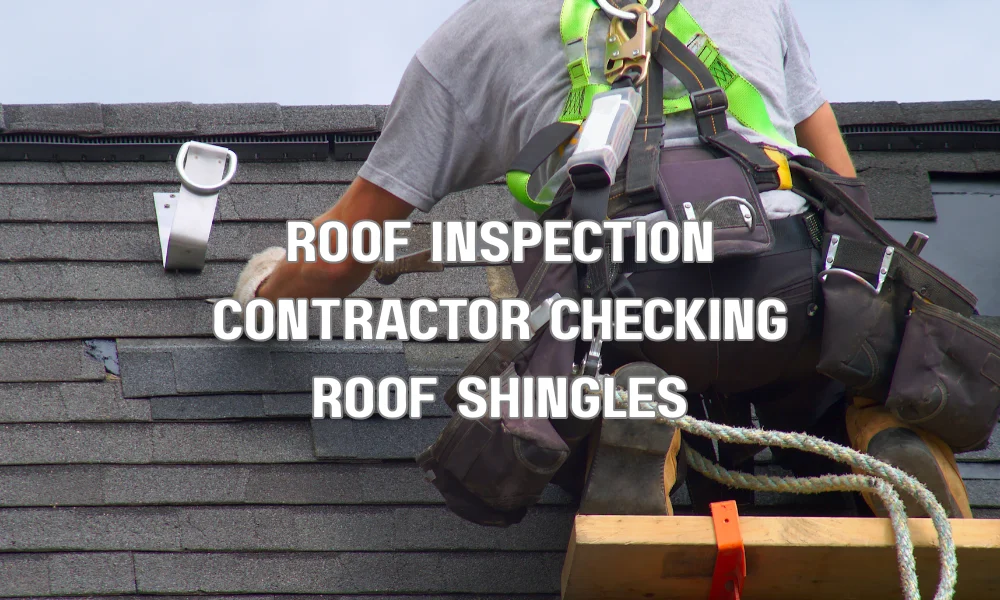
The decision between a full roof replacement and a repair hinges on several factors: the age of the existing roof, the extent of damage, the underlying deck condition, and local permit implications. If a roof is nearing the end of its typical lifespan (e.g., asphalt shingles over 15-20 years old), has widespread damage (multiple leaks, significant granule loss, widespread curling or cracking), or if the decking underneath is compromised, a full replacement is almost always the more prudent choice for a flip. Repairs are generally only suitable for isolated, minor damage on an otherwise healthy, younger roof. In Broward, a new roof is often a necessity for attracting buyers and securing favorable insurance.
How do energy efficiency and insurance factors play a role?
Energy efficiency in roofing, often achieved through “cool roofs” with high reflectivity or thermal mass, plays a significant role in Broward County. These roofs can drastically reduce attic temperatures and, consequently, a home’s cooling costs, a major selling point. From an insurance perspective, a new, code-compliant roof built to HVHZ standards is a huge asset. Insurers view newer roofs as less risky, potentially leading to lower premiums for the new homeowner and easier policy acquisition. Often, a “wind mitigation inspection” after a new roof installation can unlock significant discounts.
Finding and Vetting the Right Roofing Contractor
The success of your roof replacement project ultimately rests on the competence and reliability of your chosen contractor. Thorough due diligence is non-negotiable to ensure quality workmanship, adherence to schedule, and compliance with all regulations.
What due diligence is required for selecting a contractor?
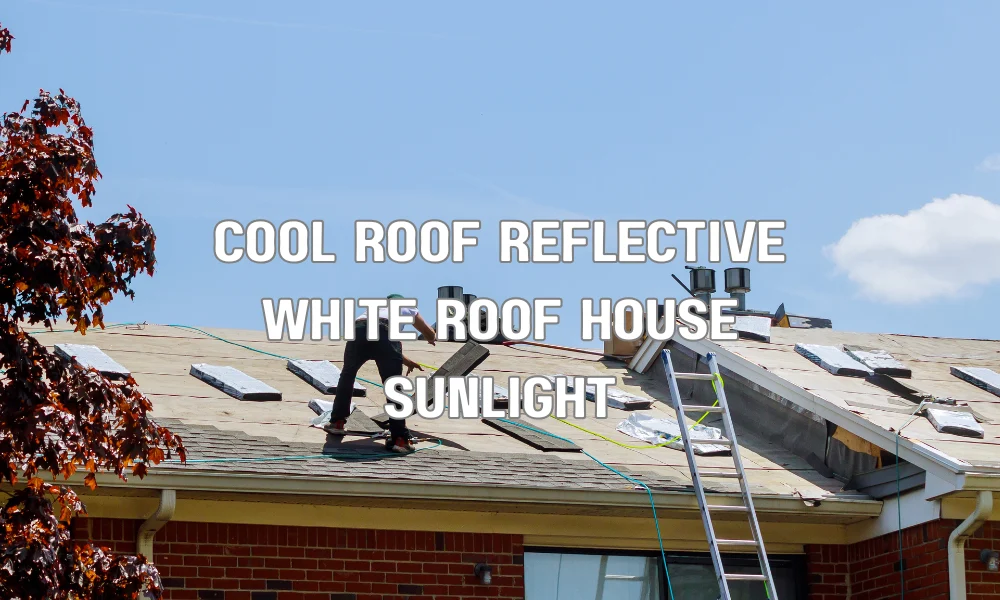
When selecting a roofing contractor in Broward County, start by verifying their licensing through the Florida Department of Business and Professional Regulation (DBPR) and their local county or city licensing board. Ensure they carry adequate liability insurance and workers’ compensation, requesting current certificates directly from their insurance providers. Check their references, specifically for projects similar in scope and location to yours, and scrutinize online reviews. Ask about their experience with Broward County’s specific HVHZ codes and permitting process. A reputable contractor will be transparent about their credentials and happy to answer all your questions.
What are essential contract clauses for roof replacement projects?
A comprehensive contract is your safeguard. It must clearly outline the scope of work, including tear-off, decking repairs, underlayment, and specific material brands and colors. Include a detailed payment schedule tied to project milestones, not just upfront. Crucially, specify the project timeline, including start and completion dates, and provisions for delays. The contract should also detail the contractor’s warranty on labor and materials, explicitly stating the duration and what it covers. Finally, ensure clauses for lien waivers are included, protecting you from subcontractors or suppliers placing liens on your property if the contractor fails to pay them.
Critical Fact 3: Unlicensed contracting carries severe penalties in Florida, including fines up to $10,000 and even jail time, and voids any recourse for poor workmanship, making contractor verification paramount for flippers.
Frequently Asked Questions
Do I need a permit for a roof repair in Broward County?
Yes, any significant roof repair that exceeds a certain percentage of the roof’s area or involves structural components typically requires a permit. Always check with your local municipal building department before starting any work to ensure compliance.
How long does a typical roof replacement take in Broward County?
A typical residential roof replacement in Broward County usually takes 3-7 days, depending on the roof’s size, complexity, material type, and weather conditions. Larger or more complex projects can take longer.
Are there specific colors or materials prohibited for roofing in Broward?
While specific colors are generally not prohibited by code, homeowners’ associations (HOAs) often have strict guidelines on roof colors and materials. Always check HOA rules, if applicable, alongside Broward County building codes.
What is a wind mitigation inspection, and why is it important for flippers?
A wind mitigation inspection assesses a home’s ability to withstand strong winds. For flippers, getting this inspection after a new roof installation is critical as it can result in significant homeowner insurance premium discounts for the future buyer.
What is the minimum wind rating required for roofs in Broward County?
Roofs in Broward County fall under the High-Velocity Hurricane Zone (HVHZ) provisions of the Florida Building Code, requiring materials and installations engineered to withstand winds of at least 150-180 mph, depending on the specific location and structure.
Can I reuse existing roof decking in Broward County?
Roof decking can be reused if it is in sound condition and meets current building code requirements. However, inspectors often require the first few rows of decking to be replaced or additional fasteners added to meet HVHZ standards.
What type of warranty should I expect from a roofing contractor?
A reputable contractor should offer a labor warranty (typically 2-10 years) and pass on the manufacturer’s warranty for materials (ranging from 20 years to lifetime), covering defects and premature failure. Always get these in writing.
How does a new roof affect home insurance costs in Florida?
A new, code-compliant roof significantly reduces perceived risk for insurers, often leading to lower premiums. Most insurers require a roof to be less than 15-20 years old for standard coverage; a new roof makes securing coverage much easier and more affordable.
