
Executive Summary
- Selecting the optimal roof decking for Florida homes requires careful consideration of both material properties and the state’s unique climate challenges.
- Plywood generally offers superior moisture resistance and fastener retention, making it a robust choice against Florida’s high humidity and hurricane winds.
- OSB (Oriented Strand Board) provides a more cost-effective initial investment but can be more prone to edge swelling and reduced structural integrity when exposed to prolonged moisture.
- Florida Building Codes, especially in High-Velocity Hurricane Zones (HVHZ), mandate specific decking thicknesses and fastening schedules for both plywood and OSB to ensure wind uplift resistance.
- Property owners should prioritize long-term durability and resistance to water damage over initial cost savings when evaluating decking materials in a subtropical environment.
- Proper installation, including adequate ventilation and precise fastening, is paramount for the longevity and performance of any roof decking material in Florida.
- Understanding the specific product specifications, such as exposure durability (e.g., Exposure 1 for OSB, Exterior for plywood), is critical for ensuring code compliance and material suitability.
Choosing the right roof decking material is a foundational decision for any homeowner, particularly in a region like Florida where extreme weather conditions and high humidity are constant factors. The debate between plywood and Oriented Strand Board (OSB) isn’t just about cost; it’s about long-term structural integrity, resistance to moisture, and compliance with stringent building codes designed to withstand hurricanes. This comprehensive guide delves into the characteristics of each material, comparing their performance, costs, and suitability specifically for the demanding Florida environment.
Critical Fact 1: The Florida Building Code (FBC) outlines specific requirements for roof decking, including minimum thickness (e.g., 19/32″ or 5/8″ for structural panels) and fastening patterns, which are often enhanced in High-Velocity Hurricane Zones (HVHZ).
Understanding Roof Decking Fundamentals
What is roof decking and why is it so important?
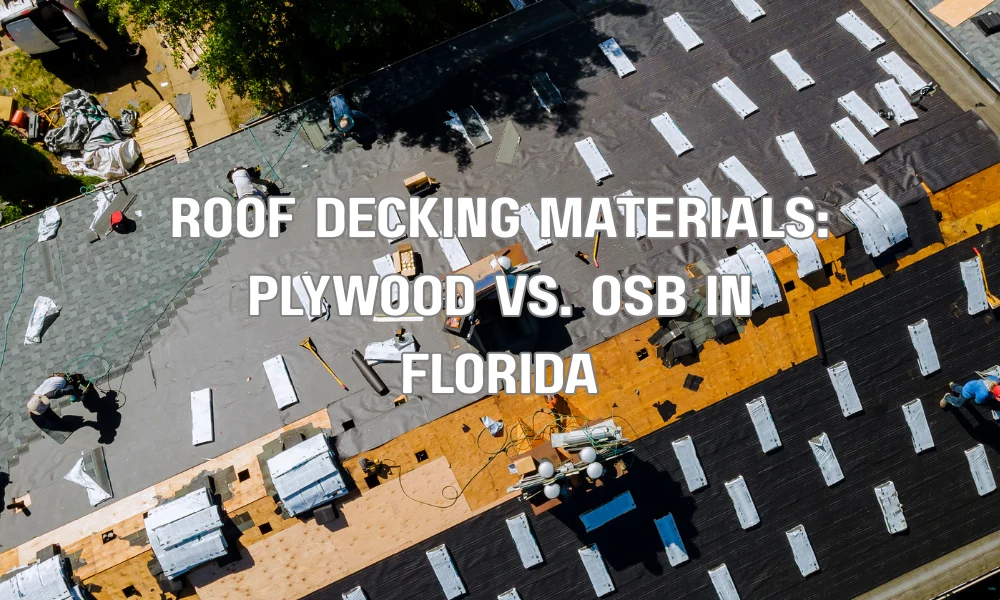
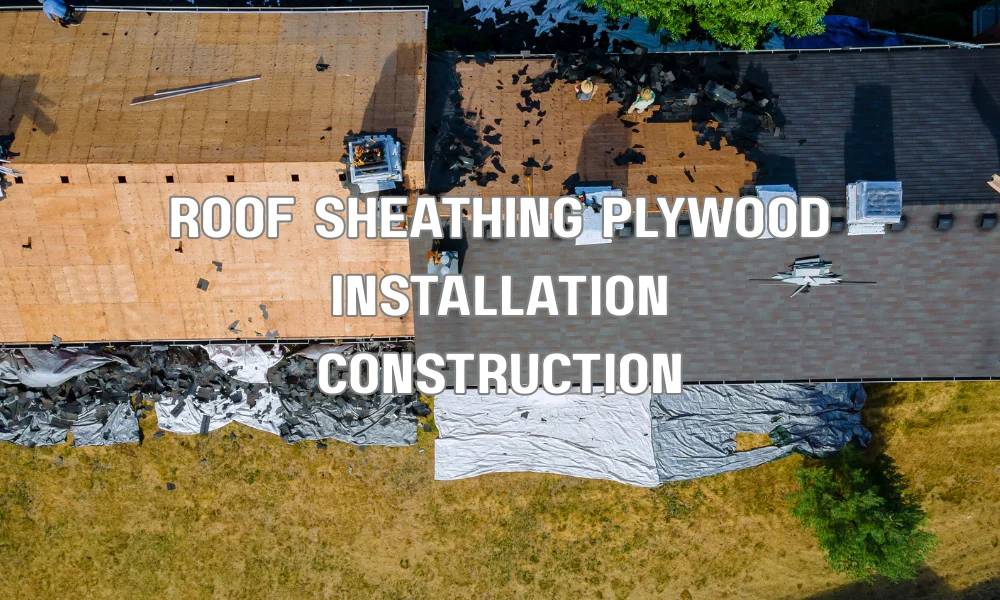
Roof decking, also known as roof sheathing, forms the structural base for your entire roofing system, providing the surface upon which underlayment, shingles, tiles, or metal panels are installed. Its primary function is to create a rigid, continuous surface that distributes weight, provides a nailing base for roofing materials, and contributes significantly to the overall structural integrity and shear strength of the roof, especially critical during high winds and seismic events.
What are the primary types of roof decking used today?
The primary types of roof decking used in residential and light commercial construction today are plywood and Oriented Strand Board (OSB). While other materials like tongue and groove planks or steel decking exist, plywood and OSB dominate the market due to their cost-effectiveness, ease of installation, and structural performance. Each material is engineered wood, but their manufacturing processes result in distinct characteristics impacting their suitability for different applications and climates.
Plywood for Florida Roofs
What are the advantages of using plywood for roof decking in Florida?
Plywood offers several key advantages for roof decking in Florida due to its cross-laminated construction and inherent material properties. Its layers of wood veneer, glued perpendicular to each other, provide excellent dimensional stability, meaning it is less prone to warping or cupping. Crucially for Florida, plywood generally exhibits superior moisture resistance and better fastener retention compared to OSB, allowing it to withstand prolonged damp conditions and resist wind uplift forces more effectively.
What are the disadvantages of plywood decking in a high-humidity environment?
Despite its advantages, plywood also has some disadvantages, particularly concerning cost and weight. It is typically more expensive per sheet than OSB, which can significantly increase overall project costs for larger roofs. Additionally, plywood is generally heavier than OSB, potentially adding to structural load and requiring more labor for installation. While generally moisture-resistant, continuous exposure to standing water can still lead to delamination, though it typically handles wet conditions better than OSB.
OSB for Florida Roofs
Why is OSB a popular choice for roof decking despite its challenges?
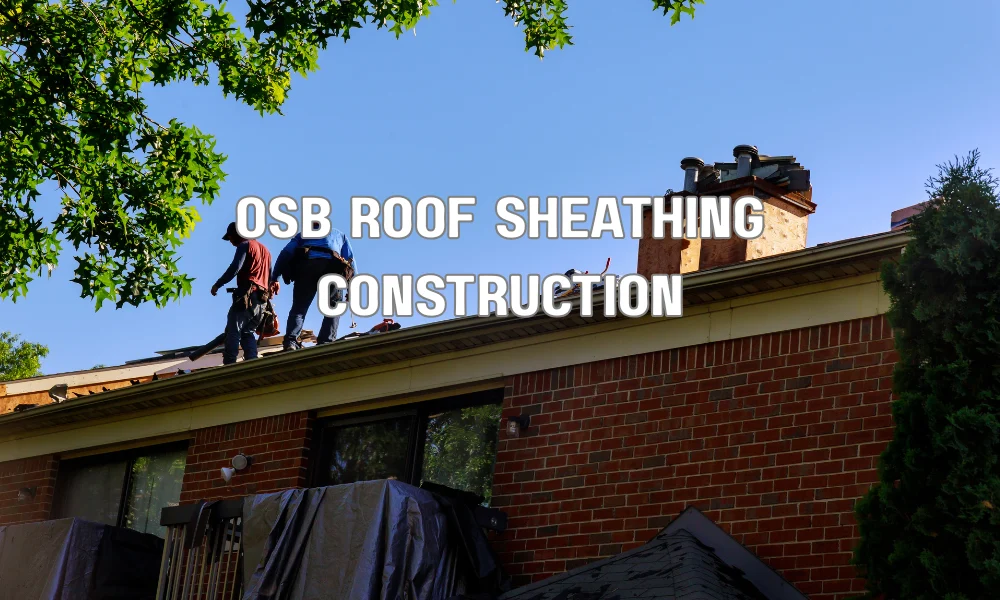
OSB is a popular choice for roof decking primarily because of its lower cost and consistent manufacturing. Made from compressed and glued wood strands arranged in specific orientations, OSB sheets are generally more uniform in density and free of voids common in plywood. Its more efficient manufacturing process translates to significant cost savings, making it an attractive option for builders and homeowners looking to reduce initial construction expenses without compromising basic structural requirements.
What are the specific concerns when using OSB in Florida’s climate?
The specific concerns when using OSB in Florida’s climate primarily revolve around its susceptibility to moisture. OSB’s composition, with its wood strands and resin binders, makes it more prone to edge swelling if exposed to prolonged periods of moisture or standing water. This swelling can lead to uneven surfaces, potentially affecting shingle adhesion and overall roof aesthetics, and can reduce fastener retention over time. In a high-humidity, heavy-rainfall state like Florida, this characteristic requires meticulous installation and immediate protection from the elements during construction.
Critical Fact 2: OSB’s edge swelling, a common issue when exposed to moisture, is exacerbated in Florida’s humid climate and can compromise fastener holding capacity, leading to potential issues with wind uplift resistance over time.
Direct Comparison: Plywood vs. OSB
How do plywood and OSB compare in terms of cost and installation?
In terms of cost, OSB is almost always the more economical choice upfront, typically costing 10-30% less per sheet than an equivalent thickness of plywood. This price difference can lead to substantial savings on large roofing projects. For installation, both materials are cut and fastened similarly, though OSB’s uniformity can sometimes make for slightly easier handling. However, plywood’s greater stiffness and fastener holding power can be more forgiving during installation, reducing the risk of blow-outs or missed fasteners.
Which material offers better durability and moisture resistance for Florida?
Plywood generally offers superior durability and moisture resistance, making it the preferred choice for the harsh Florida climate. Its cross-laminated veneer structure provides better dimensional stability and is less prone to permanent deformation from water exposure. While OSB panels are rated for exposure to weather during construction, prolonged saturation or standing water can cause irreversible edge swelling and a reduction in structural integrity, a critical consideration in a state prone to heavy rains and hurricanes.
What are the structural performance differences, especially for hurricane resistance?
Structurally, both plywood and OSB, when installed correctly and meeting Florida Building Code requirements (e.g., 5/8″ thickness with proper fastening schedule), can provide adequate hurricane resistance. However, plywood inherently boasts better racking strength (resistance to shear forces) along both axes and superior fastener retention, which are crucial attributes for resisting extreme wind uplift during a hurricane. While modern OSB products have improved significantly, plywood’s proven track record in high-wind events often gives it an edge in terms of long-term performance and peace of mind.
Are there specific types or grades of each material best suited for Florida?
For Florida, specific grades and types are crucial for both plywood and OSB. For plywood, “Exterior” grade or “Exposure 1” plywood is essential, ensuring the adhesives can withstand moisture exposure. For OSB, “Exposure 1” rated panels are standard, designed to resist weather during normal construction delays. Homeowners should also look for panels stamped with “APA Rated Sheathing” which signifies compliance with performance standards. Furthermore, thicker panels (e.g., 5/8″ or 19/32″) are often specified for Florida, particularly in HVHZ, to meet enhanced wind uplift requirements.
Advanced Considerations for Florida Homes
How does ventilation impact decking performance in Florida’s climate?
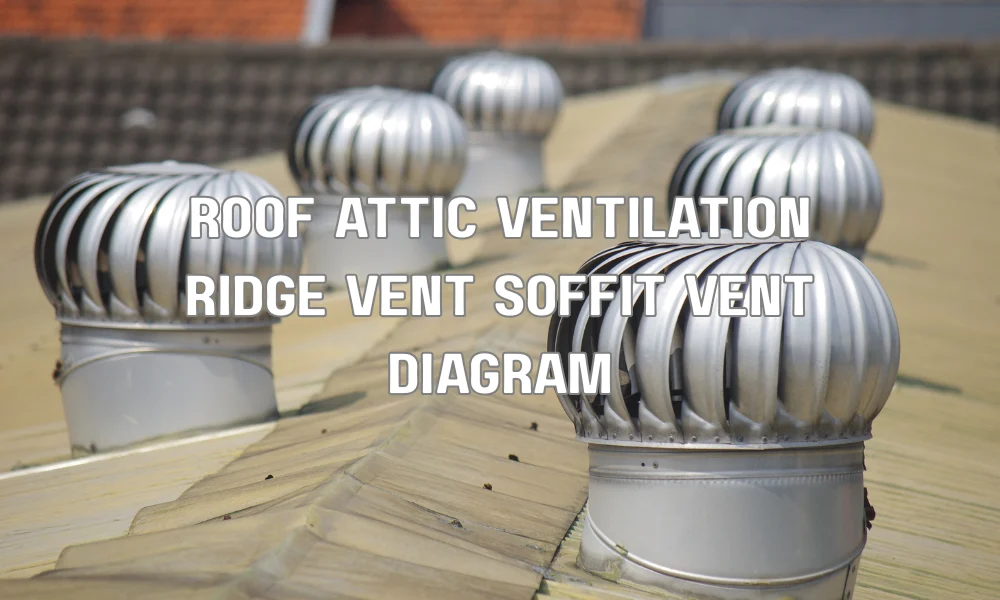
Proper attic ventilation profoundly impacts decking performance in Florida’s climate by mitigating heat and humidity buildup. Effective ventilation systems, combining soffit and ridge vents, help to exhaust hot, moist air from the attic, preventing condensation from forming on the underside of the decking. This reduction in moisture accumulation is critical for both plywood and OSB, as it significantly minimizes the risk of mold growth, rot, and moisture-induced dimensional changes that can compromise the decking’s integrity and lifespan.
What role do building codes and insurance play in decking material choice?
Building codes and insurance significantly influence decking material choices in Florida, especially in its hurricane-prone regions. The Florida Building Code specifies minimum decking thicknesses, fastening schedules, and material standards to ensure roofs can withstand severe weather. Adhering to these codes is not optional; it’s a legal requirement. Additionally, insurance companies may offer premium discounts for roofs that meet enhanced wind mitigation standards, which often include specific decking types and fastening patterns. Choosing materials that exceed minimum code can therefore lead to both improved safety and lower insurance costs.
What are the long-term maintenance and replacement considerations?
Long-term maintenance for both plywood and OSB primarily involves ensuring the roof system remains watertight and the attic well-ventilated. Any leaks must be addressed immediately to prevent decking damage. For replacement, assessing the condition of the decking is part of every re-roofing project. While plywood might withstand minor, intermittent leaks with less damage, severely swollen OSB often necessitates full panel replacement, which can increase re-roofing costs. Investing in quality materials and installation upfront can reduce these long-term headaches and expenses.
Roof Decking Material Comparison for Florida
| Feature | Plywood | Oriented Strand Board (OSB) |
|---|---|---|
| Cost (per sheet) | Higher (e.g., $30-$50 for 4×8 19/32″) | Lower (e.g., $25-$40 for 4×8 19/32″) |
| Moisture Resistance | Good (less edge swell, better delamination resistance) | Fair (prone to significant edge swell, slower drying) |
| Fastener Retention | Excellent (holds nails/screws well, even when damp) | Good (can reduce when wet or swollen) |
| Dimensional Stability | Very Good (less prone to warping/cupping) | Good (uniform but susceptible to edge swelling) |
| Weight | Heavier | Lighter |
| Racking Strength | Excellent (stronger shear resistance) | Good (can vary by direction, adequate for code) |
| Ideal Florida Use | Preferred for critical applications, HVHZ, high humidity | Suitable for general use with strict moisture control |
Critical Fact 3: While OSB is more budget-friendly initially, plywood’s superior resistance to moisture and enhanced fastener retention often result in lower long-term maintenance costs and provide greater peace of mind in Florida’s hurricane-prone climate.
Frequently Asked Questions
Is plywood always better than OSB for Florida roofs?
Not always, but plywood generally offers distinct advantages in Florida’s climate due to its superior moisture resistance and fastener retention. While OSB meets code requirements and is more cost-effective, plywood provides greater resilience against humidity and high winds, potentially reducing long-term issues.
What thickness of roof decking is required in Florida?
The Florida Building Code typically requires a minimum of 19/32-inch (5/8-inch nominal) thick plywood or OSB panels for roof decking. In High-Velocity Hurricane Zones (HVHZ), more stringent fastening schedules or specific panel types may be mandated to enhance wind uplift resistance.
Can OSB be used in coastal areas of Florida?
OSB can be used in coastal areas of Florida, provided it meets local building codes and is meticulously installed with proper moisture barriers and ventilation. However, plywood is often recommended in these zones due to its better performance when exposed to persistent moisture and salt air, offering greater long-term durability.
How does humidity affect roof decking in Florida?
High humidity in Florida can significantly affect roof decking by promoting moisture absorption, leading to warping, swelling, and potential mold growth. OSB is particularly susceptible to edge swelling, which can compromise the integrity of the roofing system and reduce fastener holding capacity over time.
What is the impact of wind uplift on decking material choice?
Wind uplift is a critical consideration in Florida. Both plywood and OSB must be fastened according to code to resist uplift. Plywood, with its superior fastener retention and racking strength, often provides a more robust defense against extreme wind forces, making it a preferred choice for enhanced hurricane resistance.
Does the type of underlayment influence decking choice?
While the underlayment provides a crucial secondary water barrier, it doesn’t fundamentally change the decking material’s inherent properties. However, a high-quality, self-adhering underlayment can offer added protection against moisture penetration, helping to mitigate some of the risks associated with OSB’s moisture susceptibility.
Is there a difference in lifespan between plywood and OSB in Florida?
Under ideal conditions, both can last decades. However, in Florida’s challenging climate, plywood often demonstrates a longer functional lifespan due to its greater resistance to moisture-induced damage and delamination. OSB’s susceptibility to edge swelling can lead to premature degradation if not perfectly protected.
What should homeowners look for when inspecting existing decking?
Homeowners should look for signs of water damage, such as swelling (especially at panel edges), discoloration, soft spots, mold, or delamination. Check for proper fastener patterns and signs of fasteners pulling through. Any of these issues may indicate compromised decking that needs repair or replacement.
