
Executive Summary
- Rubberized asphalt roof coatings offer superior waterproofing and flexibility, crucial for protecting Florida properties against relentless sun and heavy rainfall.
- Their elastomeric properties enable these coatings to expand and contract with temperature fluctuations, preventing cracks and leaks common in high-heat environments.
- Applying rubberized asphalt significantly extends roof lifespan by forming a seamless, protective barrier, delaying the need for costly full roof replacements.
- These coatings enhance energy efficiency by reflecting solar radiation, reducing interior temperatures and subsequently lowering cooling costs for Florida buildings.
- Optimizing roof protection with rubberized asphalt is a proactive investment, shielding against UV degradation, mold growth, and hurricane-force winds.
- Choosing the right rubberized asphalt product and professional application is paramount to maximize its benefits and ensure long-term performance in Florida’s unique climate.
- This sustainable roofing solution contributes to environmental resilience by diverting waste tires and reducing landfill burden while protecting assets.
Florida’s demanding climate, characterized by intense UV radiation, torrential downpours, high humidity, and the ever-present threat of hurricanes, poses significant challenges for roofing systems. Property owners frequently seek robust, long-lasting solutions that can withstand these environmental stresses while also offering energy efficiency and cost-effectiveness. Among the most effective options available today, rubberized asphalt roof coatings stand out as a highly durable and adaptable choice, providing superior protection and extending the lifespan of various roof types in the Sunshine State.
Critical Fact 1: Rubberized asphalt roof coatings can reduce roof surface temperatures by 30-50 degrees Fahrenheit, significantly impacting interior cooling costs in Florida’s intense heat.
What exactly is rubberized asphalt roof coating?
Rubberized asphalt roof coating is an elastomeric, protective layer composed of asphalt modified with synthetic rubber polymers, often derived from recycled tires. This unique formulation imbues the coating with exceptional flexibility, waterproofing capabilities, and adhesion properties, creating a seamless, monolithic membrane over an existing roof substrate. Unlike traditional asphalt, the rubber modification allows the material to stretch and recover, accommodating thermal expansion and contraction without cracking.
This innovative blend creates a robust barrier that not only repels water but also resists the degrading effects of ultraviolet (UV) radiation and harsh weather cycles. The rubber content enhances the material’s elasticity, making it highly resistant to cracking, blistering, and delamination—common failures in rigid roofing systems exposed to Florida’s extreme temperature swings and high humidity. Its self-healing properties also contribute to its longevity, allowing minor punctures or stresses to be absorbed without compromising the integrity of the waterproof layer.
Why is rubberized asphalt particularly well-suited for Florida’s climate?
Rubberized asphalt is exceptionally well-suited for Florida’s climate primarily due to its superior waterproofing, flexibility, and UV resistance. The state’s frequent heavy rains and high humidity demand a roofing material that forms an impenetrable barrier against moisture, preventing leaks and the pervasive issue of mold and mildew growth in humid environments. Its elastomeric nature allows it to withstand significant temperature fluctuations, from scorching summer days to cooler winter nights, without becoming brittle and cracking.
Furthermore, Florida’s intense UV radiation rapidly degrades conventional roofing materials, leading to premature aging and failure. Rubberized asphalt coatings are formulated with UV-resistant additives that reflect sunlight, protecting the underlying roof structure and reducing the thermal stress on the building. This reflective quality also contributes to cooler roof surfaces and reduced energy consumption for air conditioning, a significant advantage in Florida’s year-round heat. The enhanced impact resistance provided by the rubberized content also offers a degree of protection against hail and wind-borne debris, important considerations during hurricane season.
How does it protect against common Florida roofing issues like UV degradation and heat?
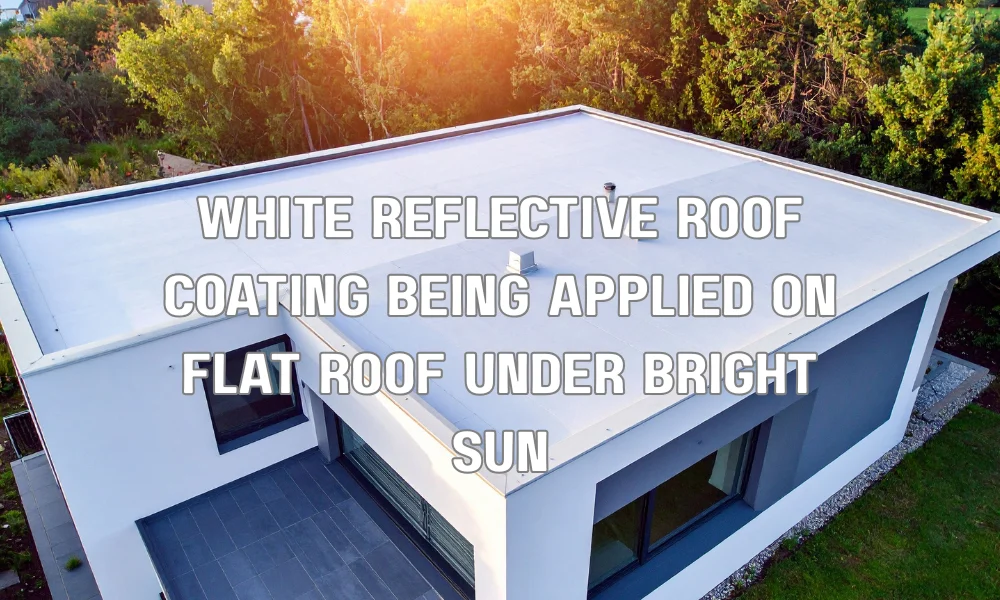
Rubberized asphalt roof coating protects against UV degradation and heat through a combination of reflective properties and inherent material stability. Many formulations incorporate reflective pigments, such as titanium dioxide, which bounce a significant portion of solar radiation away from the roof surface, rather than absorbing it. This reflectivity substantially reduces the roof’s surface temperature, directly mitigating the thermal stress that causes materials to expand and contract excessively, leading to fatigue and cracking over time.
Beyond reflection, the rubber polymers within the asphalt matrix provide enhanced UV stability. Traditional asphalt, when exposed to prolonged sunlight, can become brittle and break down, losing its waterproofing capabilities. The modified rubber content in these coatings increases their resistance to photo-oxidation, maintaining their flexibility and structural integrity even under Florida’s intense solar exposure. This dual action—reflecting heat and resisting chemical breakdown—ensures the coating remains durable and effective for many years, preserving the underlying roof structure and contributing to a cooler building interior.
Can rubberized asphalt improve a building’s energy efficiency?
Yes, rubberized asphalt roof coatings can significantly improve a building’s energy efficiency, primarily by reducing the urban heat island effect and lowering indoor cooling loads. The reflective properties of these coatings mean that a large percentage of solar energy is reflected away from the building rather than absorbed, directly translating to cooler roof temperatures. This reduction in heat absorption dramatically lessens the amount of heat transferred into the building’s interior, reducing the demand on air conditioning systems.
For commercial and residential properties in Florida, where cooling costs can be substantial for much of the year, this effect leads to measurable energy savings. By maintaining a cooler indoor environment, not only are energy bills reduced, but the comfort level for occupants is also significantly enhanced. The improved thermal performance also reduces stress on HVAC equipment, potentially extending its lifespan and reducing maintenance costs, making rubberized asphalt a smart economic and environmental choice.
Critical Fact 2: Many rubberized asphalt coatings contain at least 5% recycled tire rubber, directly supporting sustainability efforts by repurposing waste materials.
What is the typical application process for rubberized asphalt coating?
The typical application process for rubberized asphalt coating involves several critical steps to ensure proper adhesion and long-term performance. First, the existing roof surface must be thoroughly cleaned, removing all dirt, debris, grease, and loose materials. Any existing damage, such as cracks, holes, or delaminations, must be repaired to create a sound substrate. This often includes pressure washing and allowing sufficient drying time, which is crucial in Florida’s humid climate to prevent trapped moisture.
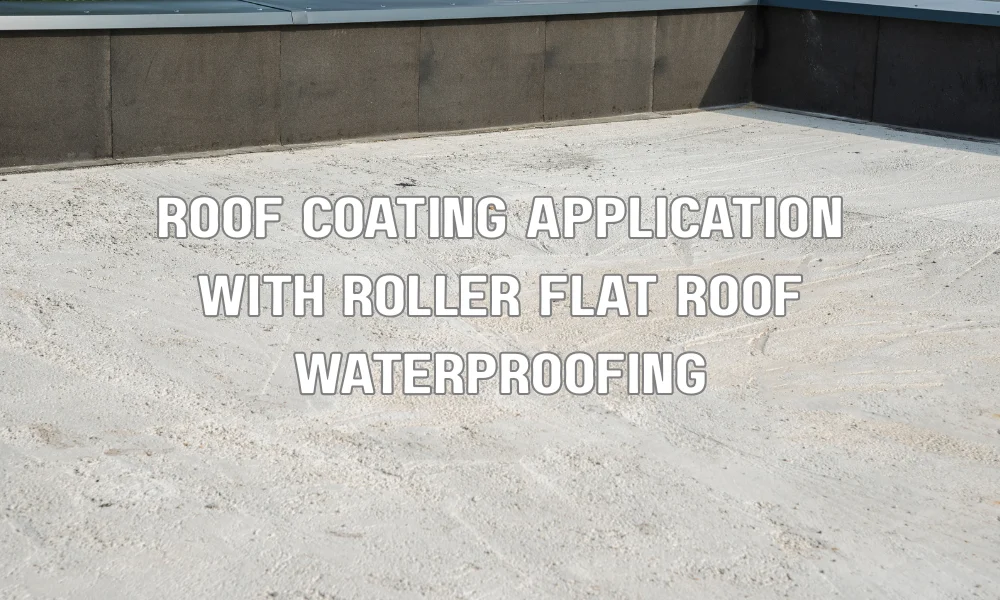
Next, a primer may be applied, depending on the specific product and the existing roof material, to promote optimal adhesion of the coating. Once the primer is dry, the rubberized asphalt coating is applied in one or more layers using specialized spray equipment, rollers, or squeegees. Proper mil thickness is vital for achieving the desired protective properties. Reinforcement fabric may be embedded between layers, particularly over seams, penetrations, and areas of high stress, to enhance strength and prevent future cracking. Finally, a topcoat, often a reflective color, is applied to provide additional UV protection and aesthetics, completing the seamless, waterproof membrane. Curing time must be strictly observed, influenced by temperature and humidity.
How does rubberized asphalt compare to other common Florida roof coatings?
Rubberized asphalt distinguishes itself from other common Florida roof coatings like acrylic and silicone through its unique blend of flexibility, waterproofing, and durability. While all three aim to extend roof life and improve energy efficiency, their material properties lead to different performance characteristics. The table below highlights key comparisons.
| Feature | Rubberized Asphalt | Acrylic Coating | Silicone Coating |
|---|---|---|---|
| Primary Benefit | Exceptional waterproofing, flexibility, impact resistance | Cost-effective, good reflectivity, UV resistance | Superior ponding water resistance, high reflectivity |
| Flexibility / Elongation | Excellent (Highly elastic, handles movement well) | Good (Can become brittle in extreme cold) | Excellent (Maintains flexibility over wide temps) |
| Water Ponding Resistance | Very Good (Forms seamless, robust barrier) | Fair to Good (Can re-emulsify in standing water over time) | Excellent (Hydrophobic, repels water) |
| UV Resistance | Excellent (Long-term stability, often reflective) | Good (Can chalk or degrade over time) | Excellent (Highly stable, no chalking) |
| Adhesion | Excellent (Strong bond to various substrates) | Good (Requires specific primers for best results) | Good (Can be sensitive to surface prep) |
| Vapor Permeability | Low (Effective vapor barrier) | High (Allows roof to breathe) | Low (Can trap moisture if not vented properly) |
| Typical Lifespan (Florida) | 10-20+ years | 5-10 years | 15-20+ years |
While acrylics are often more budget-friendly initially, they can struggle with ponding water and may require more frequent reapplication in Florida’s climate. Silicone coatings offer excellent ponding water resistance and UV stability but can be more expensive and lack the impact resistance and flexibility of rubberized asphalt, which excels in areas prone to thermal movement and physical stress. Rubberized asphalt strikes a balance, offering robust protection, flexibility, and a long lifespan, making it a highly competitive and often superior choice for many Florida applications.
What maintenance is required for a rubberized asphalt coated roof?
Maintenance for a rubberized asphalt coated roof is generally minimal but essential to ensure its longevity and performance. Regular inspections, typically once or twice a year and after severe weather events, are crucial to identify any potential issues early. During these inspections, look for any signs of debris accumulation, standing water, minor punctures, or areas where the coating might be lifting or delaminating, though these are rare with proper application.
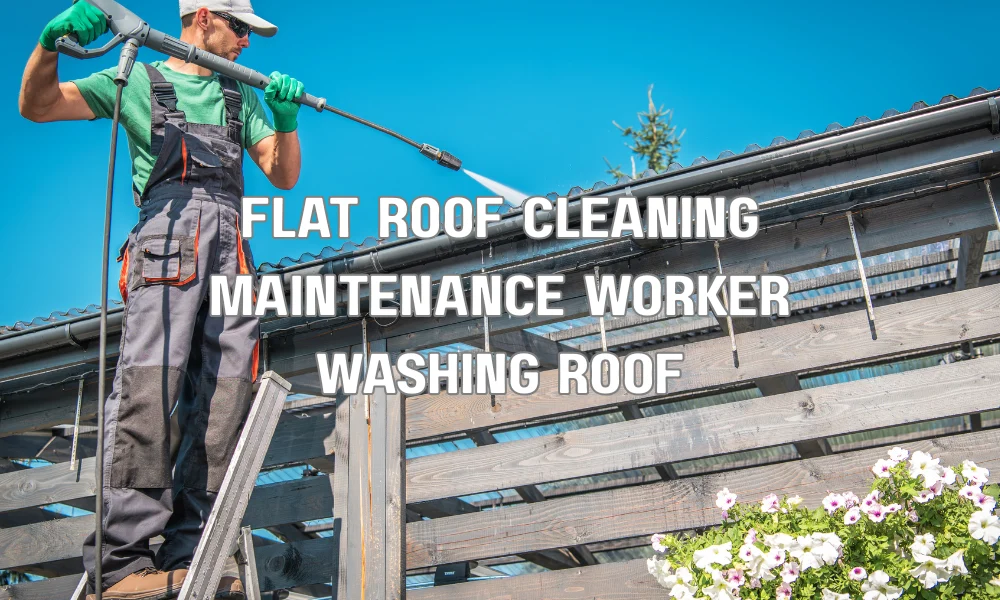
Cleaning the roof surface periodically to remove dirt, leaves, and other organic matter is important to maintain its reflective properties and prevent biological growth, such as algae or mold, which can compromise the coating over time. Gentle washing with water and a mild detergent is usually sufficient. Any minor damage found during inspections can often be easily repaired with a patch of the same rubberized asphalt material, restoring the roof’s integrity without the need for extensive repairs. Proactive maintenance ensures the coating continues to perform optimally, maximizing its lifespan and protecting your investment.
Investing in a high-quality rubberized asphalt roof coating is a strategic decision for any property owner in Florida. Its superior waterproofing, remarkable flexibility, and robust resistance to UV radiation and thermal shock make it an ideal solution for combating the state’s harsh environmental conditions. By extending roof lifespans, enhancing energy efficiency, and requiring minimal maintenance, these coatings offer significant long-term value and protection for both residential and commercial buildings. When considering roof restoration or protection, rubberized asphalt stands out as a durable, reliable, and cost-effective choice built to endure the unique challenges of the Sunshine State.
Critical Fact 3: Proper professional installation of rubberized asphalt coating can extend the life of an existing roof by 10 to 20 years, making it a highly cost-effective alternative to full roof replacement.
Frequently Asked Questions
Is rubberized asphalt coating suitable for all types of roofs in Florida?
Rubberized asphalt coatings are highly versatile and suitable for many roof types, including modified bitumen, smooth built-up roofs (BUR), metal, and concrete in Florida. They are generally not recommended for shingle roofs or roofs with poor structural integrity. A professional assessment is always recommended to determine compatibility and ensure optimal adhesion for your specific roof substrate.
How long does a rubberized asphalt roof coating last in Florida’s climate?
With proper application and minimal maintenance, a high-quality rubberized asphalt roof coating can last anywhere from 10 to 20 years or even longer in Florida. Its durability against UV, water, and thermal cycling contributes significantly to its extended lifespan, outperforming many traditional coatings.
What are the primary benefits of rubberized asphalt over traditional asphalt roofing?
The primary benefits include vastly improved flexibility and elasticity, allowing it to move with the building without cracking. It offers superior waterproofing, enhanced UV resistance, greater impact resistance, and often includes recycled materials, making it a more durable and environmentally friendly option than traditional asphalt.
Can rubberized asphalt coatings be applied over an existing leaky roof?
While rubberized asphalt provides excellent waterproofing, it should only be applied after all existing leaks and underlying roof damage have been properly repaired. The coating creates a protective membrane, but it’s not designed to fix structural problems or actively leaking areas; it prevents new leaks.
Is rubberized asphalt a “cool roof” solution?
Yes, many rubberized asphalt formulations are designed to be “cool roof” solutions, especially those with light-colored or highly reflective topcoats. These coatings reflect a significant portion of solar radiation, reducing the roof’s surface temperature and the amount of heat transferred into the building, thus lowering cooling costs.
How does the cost of rubberized asphalt coating compare to full roof replacement?
Applying a rubberized asphalt coating is generally a fraction of the cost of a full roof replacement, often saving property owners 50-70% or more. It’s a cost-effective restoration method that can significantly extend the life of an existing roof, postponing the need for a complete tear-off and re-roofing.
Are there environmental benefits to using rubberized asphalt roof coatings?
Absolutely. Many rubberized asphalt coatings incorporate recycled tire rubber, diverting waste from landfills and promoting sustainability. By extending the life of existing roofs, they also reduce construction waste associated with roof tear-offs and lower energy consumption through improved thermal efficiency.
What is the typical curing time for a rubberized asphalt coating in Florida?
The typical curing time for rubberized asphalt coating in Florida can vary based on product specifics, humidity, and temperature, but generally, it’s tack-free in a few hours and fully cured within 7-30 days. It’s crucial to consult the manufacturer’s specifications for the exact product being used.
