
Executive Summary
- Prompt identification of pest damage, such as torn shingles, gnaw marks, or unusual noises, is crucial to prevent extensive and costly roof deterioration.
- Safely securing active entry points and implementing humane pest removal strategies are immediate priorities to mitigate further damage and prevent re-infestation.
- Repairing structural vulnerabilities and damaged roofing materials promptly is essential for restoring your roof’s integrity and protecting your home from environmental elements.
- Investing in robust pest-proofing measures like reinforced vent covers and sealing all potential entry points provides long-term protection against wildlife intrusion.
- Regular professional roof inspections and proactive maintenance significantly reduce the risk of future pest infestations and extend the lifespan of your roofing system.
- Understanding the specific type of pest responsible helps tailor effective removal and repair strategies, optimizing both cost and long-term efficacy.
Pest damage to your roof can be a silent destroyer, compromising your home’s structural integrity and leading to significant repair costs if left unaddressed. Raccoons, squirrels, birds, and even insects can cause substantial damage by tearing through shingles, gnawing on fascia, or nesting in attic spaces, creating vulnerabilities that invite moisture, further pests, and energy loss. Addressing these issues promptly and effectively is paramount to protecting your investment and ensuring your family’s safety and comfort.
Critical Fact 1: A small entry point on your roof, even one seemingly minor gnaw hole, can allow water intrusion leading to rot, mold, and significantly compromised structural elements within your attic and home’s framing.
Identifying the Extent of Pest Damage
What are the common signs of animal intrusion on a roof?
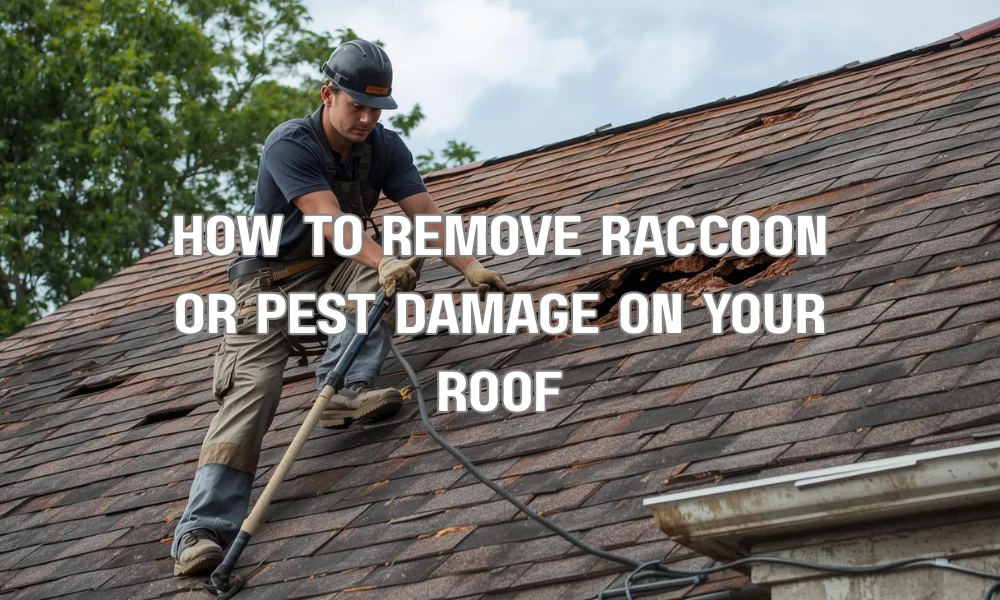
The common signs of animal intrusion on a roof often include visible physical damage, auditory clues, and biological indicators. You might notice torn or dislodged shingles, chew marks on fascia boards or vents, and scratched areas around potential entry points. Inside the attic, look for nests, droppings, urine stains, and compacted insulation. Listen for scratching, scurrying, or chattering noises, especially during dawn, dusk, or nighttime, which can pinpoint active infestations.
How can I differentiate between raccoon and other pest damage?
Differentiating pest damage typically involves examining the size and nature of the destruction. Raccoons are strong and tend to create large, ragged holes by tearing away shingles, soffits, and fascia boards, often targeting weakened areas to gain entry to an attic or crawl space. Squirrel damage usually manifests as smaller, more precise chew marks on wood, wires, or vents, as they meticulously gnaw to widen openings. Birds are less destructive to the roof structure itself but may cause issues by building nests in vents or chimneys, leading to blockages and debris. Opossums can cause similar damage to raccoons but might be less aggressive in tearing.
Immediate Steps for Damage Control and Pest Removal
What initial actions should be taken upon discovering roof damage?
Upon discovering roof damage, your initial actions should prioritize safety, damage containment, and professional assessment. First, ensure there’s no immediate danger to occupants, such as exposed electrical wires or compromised structural elements. Immediately attempt to secure any active entry points temporarily to prevent further ingress, using materials like heavy-gauge wire mesh or plywood, but *never* seal an entry point if you suspect an animal is still inside, as this could trap it. Document the damage extensively with photos for insurance purposes and contact a professional wildlife removal specialist or roofing contractor for a thorough inspection and humane removal plan.
How do I safely remove active pests from my attic or roof?
Safely removing active pests from your attic or roof typically involves humane trapping and exclusion methods, often best handled by professionals. Trapping should use live traps baited appropriately for the suspected animal, placed strategically near entry points. Once trapped, animals must be relocated humanely and legally, usually several miles away to prevent their return. Exclusion involves identifying all entry and exit points and allowing the animal to leave naturally, then permanently sealing those openings with robust materials like heavy-gauge wire mesh or steel flashing, ensuring no animals are sealed inside.
Repairing Structural and Aesthetic Roof Damage
What materials and techniques are best for repairing different types of pest damage?
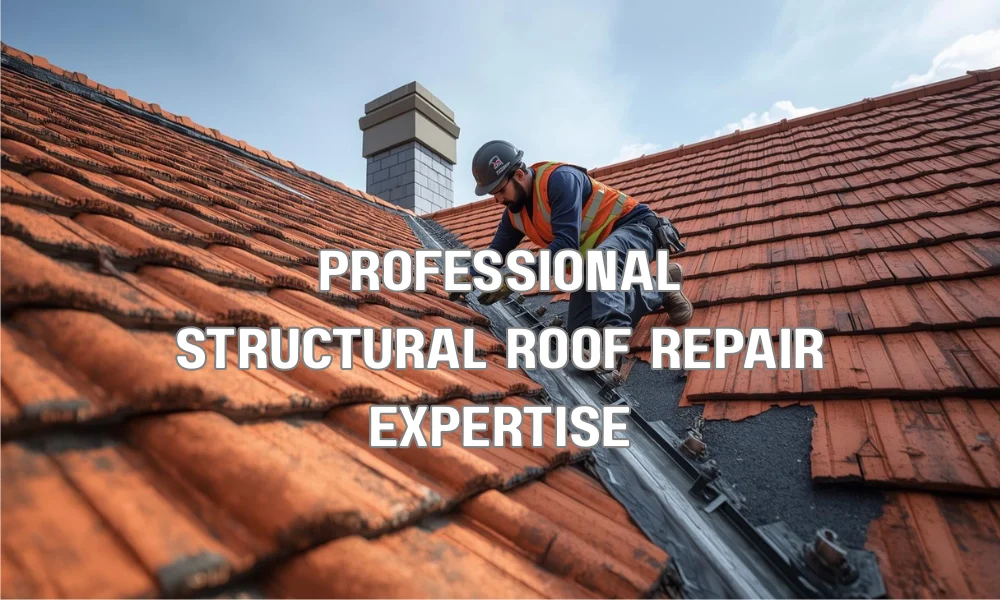
The best materials and techniques for repairing pest damage depend entirely on the type and extent of the destruction. For torn shingles and underlayment, matching existing shingle types (asphalt, wood, slate) and replacing damaged sections, ensuring proper flashing and sealing, is crucial. For chew marks on fascia or soffit boards, damaged wood should be cut out and replaced with treated lumber, often reinforced with metal flashing or hardware cloth to prevent future gnawing. Vents or chimney caps compromised by nesting or entry require durable replacements, usually galvanized steel or copper, that are securely fastened and pest-proofed. Larger structural damage to rafters or trusses necessitates professional carpentry, often involving sistering new wood alongside damaged sections to restore load-bearing capacity.
Critical Fact 2: Neglecting even minor pest damage to your roof’s underlayment or flashing can lead to extensive water penetration, resulting in costly repairs for mold remediation, insulation replacement, and even structural timber rot.
Should I hire a professional for extensive roof repairs?
You should absolutely hire a professional for extensive roof repairs, especially when damage compromises structural integrity, involves steep pitches, or requires specialized knowledge of roofing systems and materials. While minor shingle replacement might be a DIY task for experienced homeowners, addressing large holes, damaged framing, or widespread pest entry points requires skilled expertise to ensure proper sealing, structural soundness, and adherence to building codes. Professionals possess the necessary safety equipment, experience with various roofing materials, and can guarantee the longevity and weather resistance of their repairs, often backed by warranties.
Long-Term Prevention Strategies for Roof Pest Proofing
How can I effectively pest-proof my roof and attic vents?
Effectively pest-proofing your roof and attic vents involves a multi-faceted approach focused on sealing all potential entry points with durable materials. Install sturdy chimney caps with wire mesh to prevent entry. Replace flimsy plastic vent covers with heavy-gauge galvanized steel mesh or specialty pest-proof vent guards that allow airflow but block animals. Inspect and seal all gaps where the roof meets the fascia and soffit, using caulk, expanding foam, or sheet metal. Ensure that all loose or damaged siding, flashing, and trim are repaired, as these can become new access points. Trim tree branches that overhang or touch your roof, creating bridges for climbing animals.
What ongoing maintenance can prevent future pest infestations?
Ongoing maintenance critical to preventing future pest infestations includes regular, thorough inspections and proactive property management. Conduct annual roof inspections, preferably by a professional, to identify and address minor vulnerabilities before they escalate. Pay close attention to deteriorating caulk, loose flashing, or small cracks. Keep gutters clean and free of debris to prevent water buildup, which can attract insects and weaken roof edges. Maintain a tidy yard by removing brush piles, securing garbage cans, and trimming overgrown vegetation around your home, as these can provide harborage or easy access points for pests.
| Repair Material/Method | Primary Use Case | Average Material Cost (per unit) | Durability & Effectiveness |
|---|---|---|---|
| Asphalt Shingles (Matching) | Minor shingle replacement (raccoon/squirrel tears) | $30 – $70 per bundle (covers 33 sq ft) | 5-20 years, matches existing roof aesthetic well. |
| Heavy-Gauge Steel Mesh (1/4″) | Vent/opening covers, reinforcing entry points | $10 – $25 per linear foot | Excellent against gnawing, rust-resistant, long-lasting. |
| Treated Lumber (e.g., Pine 2×4) | Soffit/fascia repair, minor structural wood replacement | $5 – $15 per linear foot | 15-30 years, resistant to rot and insects (if treated). |
| EPDM Rubber Patch (Sealant/Membrane) | Flat roof punctures, flashing tears | $20 – $50 per square foot kit | 10-20 years, highly flexible, waterproof seal. |
| Galvanized Steel Flashing | Sealing gaps, protecting edges (chew marks) | $2 – $8 per linear foot | 20-50 years, extremely durable against weather and pests. |
Critical Fact 3: Proactive pest exclusion, which involves sealing all potential entry points *before* an infestation occurs, is significantly more cost-effective and less disruptive than reactive removal and repair operations.
Frequently Asked Questions
Can raccoons cause structural damage to my roof?
Yes, raccoons are highly capable of causing significant structural damage. Their strength allows them to tear apart shingles, wood fascia, soffits, and even chew through electrical wiring, leading to compromised structural integrity and potential fire hazards.
How long does it take to repair typical pest damage on a roof?
The repair time varies based on the extent of damage. Minor shingle or vent repairs might take a few hours, while extensive structural repairs or complete re-roofing of a damaged section could span several days to a week.
Is pest damage covered by homeowner’s insurance?
Generally, homeowner’s insurance does not cover damage caused by pests like raccoons or rodents, as it’s often considered preventable through regular maintenance. However, secondary damage (e.g., water damage from a hole created by a pest) might be covered. Always check your specific policy.
What time of year are pests most likely to damage my roof?
Pests are most likely to seek shelter and damage roofs during colder months when they look for warmth, or during breeding seasons when they need a safe place for their young. However, they can attempt entry year-round.
Can I use deterrents to keep pests off my roof?
While deterrents like ultrasonic devices, predator urine, or bright lights can sometimes offer temporary relief, they are generally not as effective or permanent as physical exclusion methods like sealing entry points and using robust materials.
Are pest control chemicals safe to use on my roof?
Using pest control chemicals directly on your roof is generally not recommended without professional guidance, as they can damage roofing materials or harm the environment. Humane trapping and exclusion are preferred.
How much does professional raccoon removal and roof repair typically cost?
Costs vary widely by location and damage extent. Humane raccoon removal might cost $200-$500 per animal, while roof repairs can range from a few hundred dollars for minor patches to several thousand for extensive structural work.
What should I do if I suspect pests are still in my attic after repairs?
If you suspect pests are still present after repairs, immediately contact the professional who performed the removal or a new wildlife specialist. They can conduct a follow-up inspection and ensure all animals are safely removed before permanent sealing.
