
Executive Summary
- TPO roofs in Florida typically last 15-25 years, but this can vary significantly based on membrane thickness, installation quality, and ongoing maintenance practices.
- Advanced TPO formulations are engineered to withstand Florida’s intense UV radiation, extreme heat, and frequent severe weather conditions like heavy rain and high winds.
- Proper installation by certified professionals is the single most critical factor determining a TPO roof’s long-term performance and achieving its maximum expected lifespan.
- Thicker TPO membranes (e.g., 60-mil or 80-mil) inherently offer superior durability and resistance to punctures, thermal expansion, and weathering, extending service life.
- Proactive annual inspections and timely repairs are essential to mitigating minor issues before they escalate, significantly extending the functional lifespan of a TPO system.
- Choosing the correct TPO system and color can help manage roof surface temperatures, reducing thermal stress and contributing to greater longevity in the harsh Florida sun.
- Understanding manufacturer warranties and local building codes is crucial for both initial installation confidence and long-term asset protection for your roofing investment.
Understanding TPO Roofing in Florida’s Climate
What challenges does Florida’s climate pose for roofing?
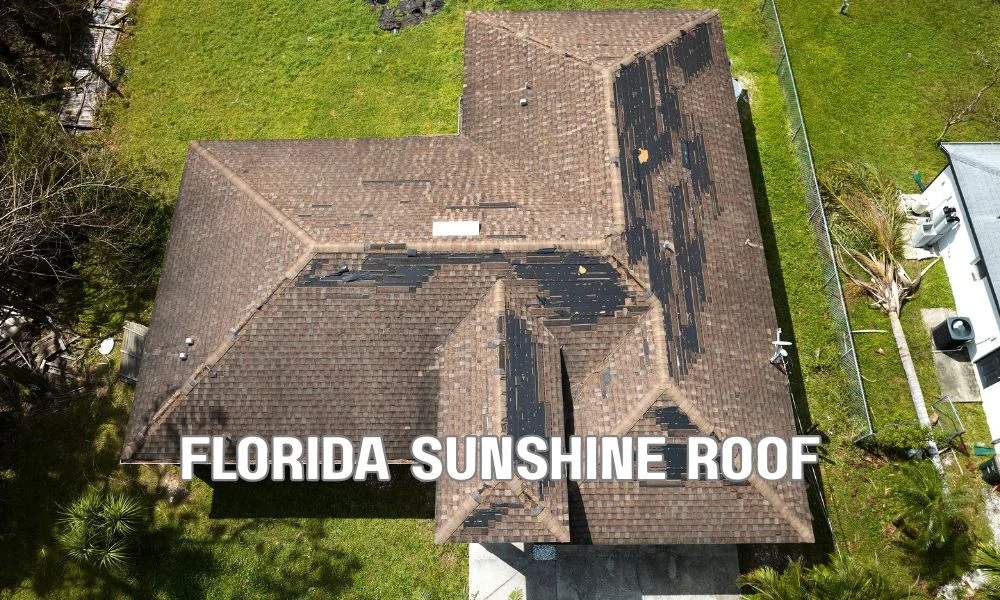
Florida’s climate presents a unique and demanding set of challenges for any roofing system, primarily characterized by intense solar radiation, high humidity, extreme heat, and frequent severe weather events including hurricanes and tropical storms. The relentless UV exposure degrades materials over time, while high temperatures accelerate aging and contribute to thermal expansion and contraction cycles that stress roof membranes. Heavy rainfall and standing water can exacerbate leaks, and powerful winds can compromise roof integrity if not properly installed.
Critical Fact 1: Florida receives some of the highest annual UV indexes in the United States, making UV resistance a paramount factor in roofing material longevity.
How does TPO technology address these challenges?
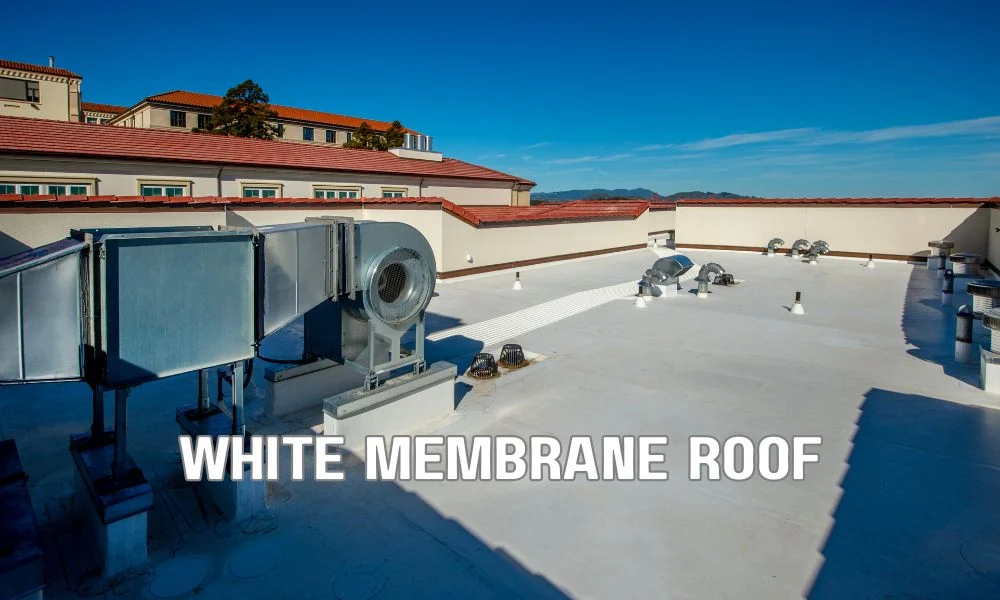
Thermoplastic Polyolefin (TPO) roofing technology is specifically engineered with properties that directly counter many of Florida’s climatic challenges. TPO membranes are highly reflective, reducing heat absorption and lowering cooling costs for buildings. Their inherent flexibility allows them to accommodate thermal expansion and contraction without cracking, a common issue in extreme temperature fluctuations. Furthermore, TPO offers excellent resistance to UV radiation, punctures, tears, and chemical exposure, making it a robust choice for enduring the Sunshine State’s demanding environment.
Factors Influencing TPO Roof Lifespan
How does membrane thickness affect longevity?
Membrane thickness is a direct determinant of a TPO roof’s lifespan and its ability to withstand physical and environmental stressors. Thicker TPO membranes provide more material to resist UV degradation, punctures, and abrasions, offering an extended service life compared to thinner options. Common thicknesses range from 45-mil (mils per inch) to 80-mil, with 60-mil being a widely adopted standard for commercial applications due to its balance of cost and durability. Opting for a thicker membrane often represents a wise long-term investment, especially in Florida’s harsh climate.
What role does installation quality play in TPO roof life?
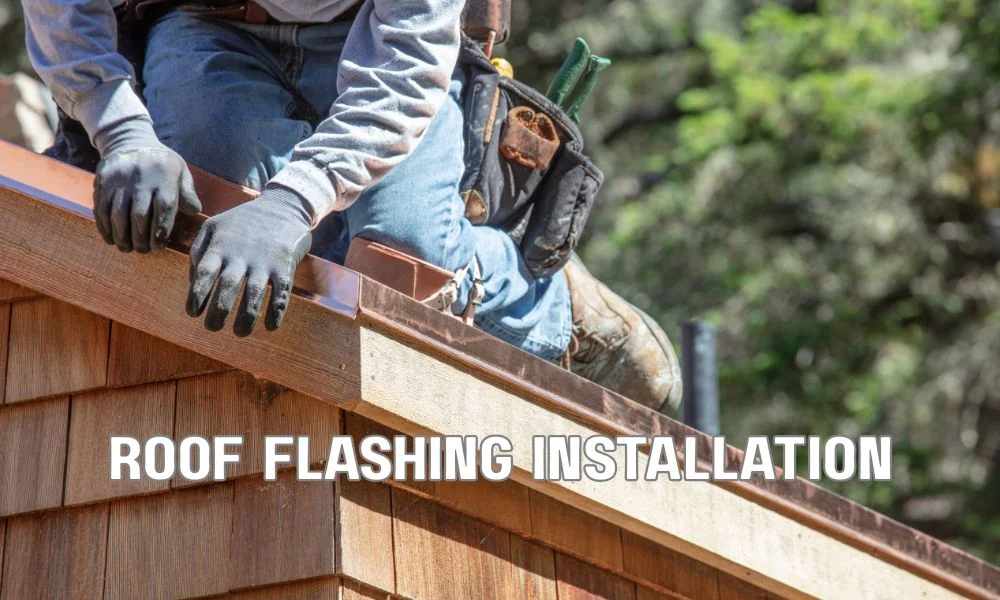
Installation quality is arguably the most critical factor influencing a TPO roof’s real-world lifespan, often outweighing even the material’s inherent durability. A poorly installed TPO roof, even with a premium membrane, is prone to premature failure due to inadequately welded seams, insufficient fastening, or improper flashing details. Certified and experienced installers understand the nuances of TPO application, ensuring watertight integrity, proper adhesion, and meticulous attention to detail, which are all vital for maximizing the roof’s longevity in Florida’s challenging conditions.
How do environmental factors impact TPO durability?
While TPO is designed for durability, prolonged exposure to extreme environmental factors will inevitably impact its lifespan. Florida’s intense UV rays can slowly degrade the membrane over decades, leading to chalking or surface erosion. High winds from hurricanes or tropical storms can stress roof perimeters and flashings, potentially leading to uplift if not robustly secured. Furthermore, persistent standing water, while TPO is water-resistant, can accelerate membrane aging and introduce hydrostatic pressure, particularly at seams. Regular debris accumulation also retains moisture and can cause localized wear.
Critical Fact 2: Up to 80% of TPO roof failures within the first five years are attributed to installation errors, not material defects.
Real-World Lifespans by TPO System & Maintenance
What are the typical lifespans for different TPO systems?
The typical lifespan of a TPO roof in Florida varies significantly based on its thickness and the quality of its installation and maintenance. While manufacturers often provide a general range, real-world performance is more nuanced. A 45-mil TPO roof might perform adequately for 10-15 years, whereas a 60-mil system generally achieves 15-20 years. For maximum longevity and peace of mind in Florida’s climate, 80-mil TPO systems are often recommended, capable of lasting 20-25 years or even longer with diligent care. The system’s reflective properties also play a role, as lighter colors can reduce thermal stress.
| TPO Membrane Thickness (Mil) | Typical Lifespan in Florida (Years) | Expected Performance Characteristics |
|---|---|---|
| 45-mil | 10-15 | Entry-level, suitable for milder climates or short-term needs. Lower puncture resistance. |
| 60-mil | 15-20 | Standard commercial grade, good balance of cost and durability. Moderate puncture resistance. |
| 80-mil | 20-25+ | Premium commercial grade, superior durability, highest puncture and UV resistance. Recommended for severe climates. |
How does regular maintenance extend a TPO roof’s life?
Regular, proactive maintenance is paramount to achieving and even exceeding the manufacturer’s stated lifespan for a TPO roof in Florida. Annual or bi-annual inspections allow for the early detection and repair of minor issues like compromised seams, small punctures, or clogged drains before they escalate into major problems. Removing debris, cleaning the membrane, and ensuring all flashings and penetrations are secure prevent water intrusion and localized material degradation. This preventative approach protects your initial investment and delays the need for costly premature replacement.
When is TPO roof replacement typically necessary?
TPO roof replacement becomes necessary when the membrane shows widespread signs of irreparable damage, significant degradation, or when the cost of ongoing repairs outweighs the investment in a new system. Common indicators include extensive cracking, widespread delamination of plies, numerous punctures that compromise the waterproofing integrity, or when the membrane has become brittle and lost its flexibility due to advanced UV exposure. If a roof is repeatedly failing inspections or experiencing chronic leaks despite repairs, it’s a clear signal that its service life is nearing its end.
Maximizing Your TPO Roof Investment
What are key considerations for TPO roof selection in Florida?
When selecting a TPO roof for a Florida property, prioritize thicker membranes (60-mil or 80-mil) for enhanced durability against UV and physical impacts. Opt for light-colored TPO (white or light gray) to maximize solar reflectivity, which reduces cooling costs and thermal stress on the membrane. Verify that the TPO product has excellent UV and heat-aging resistance ratings, as these are critical for Florida’s climate. Finally, ensure that the selected system comes with a comprehensive manufacturer’s warranty that covers both material and labor, ideally for the expected lifespan.
How can property owners ensure long-term performance?
To ensure the long-term performance of a TPO roof in Florida, property owners should prioritize professional installation by a certified, reputable contractor with extensive experience in the region. Insist on a comprehensive maintenance plan that includes regular inspections, cleaning, and prompt repair of any identified issues. Keep thorough records of all installations, repairs, and warranty information. Educate staff on avoiding unnecessary foot traffic or placing sharp objects on the roof, and ensure proper drainage is maintained to prevent standing water.
Critical Fact 3: Investing in an 80-mil TPO membrane can extend a roof’s life by 5-10 years compared to a 45-mil, providing significant ROI over its service life in Florida.
Frequently Asked Questions
What does “mil” refer to in TPO roofing?
In TPO roofing, “mil” refers to the thickness of the membrane, where one mil equals one-thousandth of an inch (0.001 inches). A higher mil number indicates a thicker, more durable TPO membrane, which generally offers extended longevity and greater resistance to punctures and weathering.
Is TPO roofing suitable for hurricane-prone areas?
Yes, TPO roofing is highly suitable for hurricane-prone areas like Florida, provided it is properly installed. Its strong, heat-welded seams and flexible nature offer excellent resistance to wind uplift and water penetration, crucial features for enduring severe weather events.
Can TPO roofs be repaired, or do they always need full replacement?
TPO roofs are highly repairable. Minor damage like punctures or small tears can often be quickly and effectively patched using TPO membrane scraps and heat welding, seamlessly integrating the repair into the existing system. Extensive damage might warrant larger sections or full replacement.
How does TPO compare to PVC roofing in Florida?
TPO and PVC are both single-ply thermoplastic membranes. TPO is generally more cost-effective, offers good heat reflection, and is increasingly popular. PVC typically has superior chemical resistance and a slightly longer proven track record, though often at a higher price point.
Do TPO roofs require special cleaning?
TPO roofs benefit from regular cleaning to remove dirt, debris, and mildew, which can diminish reflectivity and accelerate aging. Mild, non-abrasive cleaning solutions and soft-bristled brushes, followed by a thorough rinse, are usually sufficient. Avoid harsh chemicals or high-pressure washers.
What is the typical warranty for a TPO roof in Florida?
Manufacturer warranties for TPO roofs in Florida typically range from 10 to 20 years, often covering material defects and sometimes labor. Extended warranties up to 30 years are available for thicker membranes and specific systems, contingent on professional installation and regular maintenance.
Does the color of a TPO roof matter in Florida?
Yes, the color of a TPO roof matters significantly in Florida. Lighter colors like white or light gray are highly reflective, reducing the amount of heat absorbed by the building. This lowers cooling costs and minimizes thermal stress on the roof membrane, potentially extending its lifespan.
Can I walk on my TPO roof for maintenance or inspections?
Yes, TPO roofs are designed to be walkable for maintenance and inspections. However, it’s always advisable to wear soft-soled shoes to avoid punctures or damage. Limit foot traffic to essential activities and take precautions, especially during hot weather, to prevent scuffing or potential membrane damage.
