
Executive Summary
- Florida’s evolving energy codes are increasingly mandating high-reflectance cool roofs to combat rising energy consumption and urban heat island effects.
- Cool roof systems significantly lower interior temperatures by reflecting solar radiation, directly reducing a building’s cooling load and associated utility expenses.
- Compliance with new state energy standards for both new construction and re-roofing projects is essential for property owners, often requiring specific Solar Reflectance Index (SRI) values.
- Investing in reflective roofing materials qualifies for potential incentives and offers a strong return on investment through substantial long-term energy cost savings.
- Property owners can choose from various cool roof technologies, including highly reflective membranes, coatings, and specialized metal roofing, tailored to different architectural needs.
- Beyond energy savings, cool roofs enhance indoor comfort, extend HVAC system lifespan, and contribute to a more sustainable and resilient built environment in hot climates.
The Impending Shift: Florida’s Energy Code Evolution
Why are Florida’s energy codes becoming stricter for roofing?
Florida’s energy codes are becoming stricter for roofing primarily due to the state’s hot, humid climate, which results in exceptionally high cooling demands for buildings. With a growing population and increasing urbanization, the imperative to reduce energy consumption, mitigate urban heat island effects, and lower utility bills for residents and businesses has become critical. Stricter codes aim to push the adoption of more energy-efficient building envelopes, with cool roofs being a key strategy to achieve these goals.
Critical Fact 1: Florida’s climate dictates that over 70% of a typical building’s annual energy consumption is attributed to cooling, making highly reflective roofing a pivotal strategy for energy reduction.
What defines a “cool roof” in the context of energy efficiency?
A “cool roof” is defined by its ability to reflect sunlight and emit absorbed heat, keeping the roof surface and the building cooler than conventional roofs. This is quantified by two main properties: solar reflectance (albedo), which is the fraction of solar energy reflected by the roof surface, and thermal emittance, which is the roof’s ability to radiate absorbed heat. High values for both properties, typically measured by the Solar Reflectance Index (SRI), indicate superior cooling performance and contribute to overall energy efficiency.
Unpacking the Science: How Cool Roofs Deliver Savings
How do cool roofs effectively reduce building heat gain?
Cool roofs effectively reduce building heat gain by utilizing advanced materials designed to reflect a significant portion of the sun’s shortwave radiation and efficiently re-emit absorbed longwave thermal radiation. This dual action prevents heat from being transferred into the building’s interior. By minimizing the amount of heat absorbed by the roof surface, the temperature differential between the roof and the ambient air is reduced, leading to cooler indoor temperatures and subsequently less reliance on air conditioning systems to maintain comfort.
What are the primary types of reflective roofing materials available?
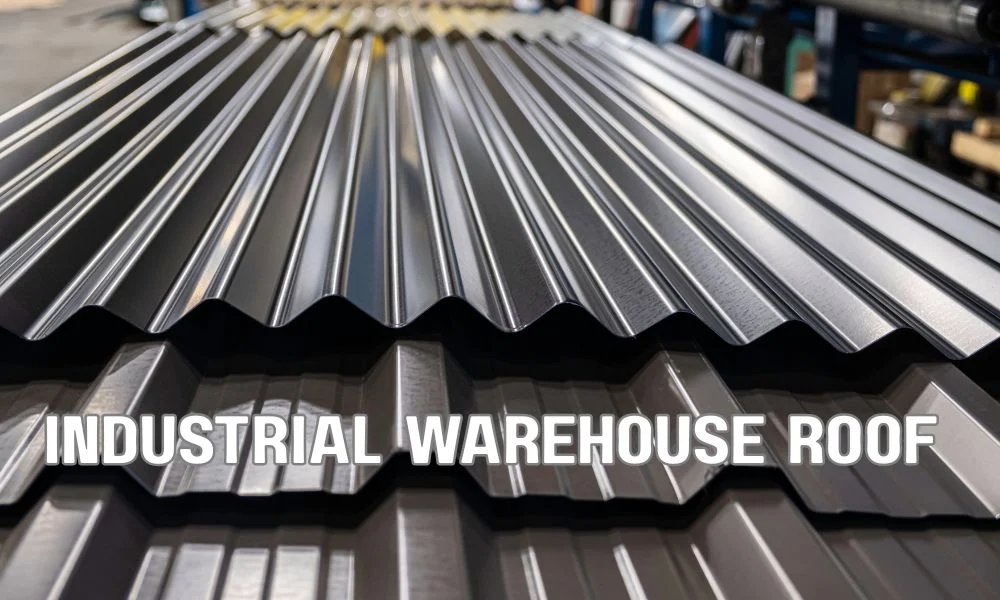
The primary types of reflective roofing materials available encompass a range of solutions suitable for various building types and budgets. These include highly reflective single-ply membranes like TPO (Thermoplastic Polyolefin) and PVC (Polyvinyl Chloride), which are naturally light-colored and designed for high performance. Metal roofs, particularly those with specialized coatings, also offer excellent reflectivity. Additionally, cool roof coatings can be applied over existing roof systems (like modified bitumen or built-up roofs) to enhance their solar reflectance and thermal emittance properties, offering a cost-effective upgrade.
Critical Fact 2: A cool roof can reduce peak cooling demand by 10-15% and lower indoor temperatures by 10-20 degrees Fahrenheit, significantly alleviating strain on HVAC systems.
How do cool roofs impact indoor comfort and HVAC system performance?
Cool roofs dramatically impact indoor comfort by maintaining more stable and lower interior temperatures, reducing the “hot ceiling” effect common with conventional roofs. This translates to a more pleasant living or working environment, especially during Florida’s extended cooling season. For HVAC systems, cool roofs mean less operational strain; air conditioners don’t have to work as hard or as long to reach and maintain desired temperatures. This reduced workload extends the lifespan of HVAC units, decreases maintenance needs, and leads to substantial energy bill savings.
| Cool Roof Material Type | Typical SRI Value (Min. for Compliance) | Estimated Cost/Sq. Ft. (Installed) | Typical Lifespan (Years) | Key Benefits for Florida |
|---|---|---|---|---|
| TPO (Thermoplastic Polyolefin) | 80+ (Low-Slope) | $6.00 – $10.00 | 15 – 25+ | Excellent reflectivity, durable, resists UV and punctures. |
| PVC (Polyvinyl Chloride) | 85+ (Low-Slope) | $7.00 – $12.00 | 20 – 30+ | Superior chemical resistance, heat-weldable seams, high reflectivity. |
| Coated Metal (Galvalume/Steel) | 25-70+ (Steep-Slope) | $8.00 – $18.00 | 30 – 50+ | Very long lifespan, architectural appeal, wide range of colors. |
| Acrylic/Elastomeric Coatings | 60+ (Applied to existing) | $2.00 – $5.00 | 10 – 20 (Re-coat every 5-10) | Cost-effective upgrade, extends existing roof life, seamless application. |
Navigating Compliance & Incentives for Florida Property Owners
What specific energy code requirements apply to new and re-roofing projects in Florida?
Florida’s energy codes, primarily based on the Florida Building Code, Energy Conservation, include specific requirements for roof systems, particularly concerning solar reflectance and thermal emittance. For low-slope roofs (slopes less than 2:12), the code often mandates a minimum Solar Reflectance Index (SRI) of 78 for new construction and substantial re-roofing projects in certain climate zones. For steep-slope roofs (slopes 2:12 or greater), prescriptive requirements or trade-off calculations might apply, often focusing on minimum solar reflectance values for colored materials. Compliance ensures buildings meet essential efficiency benchmarks.
Are there financial incentives or rebates for installing cool roofs in Florida?
Yes, there can be various financial incentives and rebates available for installing cool roofs in Florida, though these often vary by utility company, local municipality, and federal programs. Many Florida utility providers offer energy efficiency rebates for both residential and commercial customers who upgrade to high-efficiency roofing systems, including cool roofs. Additionally, federal tax credits (like the Inflation Reduction Act’s energy efficiency home improvement credit) may apply to certain energy-efficient building materials. It’s crucial for property owners to check with their local utility, county building department, and a tax professional for current, specific opportunities.
What is the long-term ROI of investing in a cool roof system?
The long-term Return on Investment (ROI) of investing in a cool roof system in Florida is typically very favorable, driven primarily by significant energy cost savings. Property owners can expect reduced electricity bills due to decreased demand for air conditioning, which often offsets the initial installation cost within 5-10 years, depending on the system type and local energy rates. Beyond direct energy savings, cool roofs contribute to extended HVAC equipment lifespan, reduced maintenance costs, enhanced indoor comfort, and potential eligibility for incentives. This makes cool roofs a financially prudent and sustainable upgrade for any Florida property.
Critical Fact 3: While upfront costs can be 5-15% higher than conventional roofs, cool roofs typically yield 1.5 to 2.5 times their initial investment in energy savings over their lifespan.
Frequently Asked Questions
What is the Solar Reflectance Index (SRI) and why is it important for cool roofs?
The Solar Reflectance Index (SRI) is a measure of a roof’s ability to reject solar heat, calculated from its solar reflectance and thermal emittance. A higher SRI indicates a cooler roof. It’s crucial because Florida’s energy codes often specify minimum SRI values for compliance, ensuring the roof effectively reduces heat absorption.
Do cool roofs require special maintenance compared to traditional roofs?
Cool roofs generally do not require special maintenance beyond regular cleaning to maintain reflectivity and annual inspections for damage. However, keeping the surface free of dirt, debris, and mildew is more critical for cool roofs to ensure their reflective properties are not compromised.
Can cool roof coatings be applied to any existing roof material?
While many cool roof coatings are versatile, their suitability depends on the existing roof’s condition and material. Acrylic or elastomeric coatings can often be applied over asphalt, metal, or single-ply membranes, but proper surface preparation and primer selection are essential for adhesion and performance.
How long does a cool roof typically last in Florida’s climate?
The lifespan of a cool roof in Florida’s climate varies by material, ranging from 15-25 years for TPO/PVC membranes to 30-50+ years for coated metal. Cool roof coatings may require reapplication every 10-20 years. Proper installation and maintenance significantly impact longevity.
Are there different cool roof options for steep-slope and low-slope roofs?
Yes, there are distinct cool roof options. Low-slope roofs (flat or nearly flat) often utilize white TPO, PVC, or highly reflective liquid-applied coatings. Steep-slope roofs (pitched) typically employ cool metal roofing, cool asphalt shingles, or tile with reflective properties, designed to blend aesthetics with performance.
Will installing a cool roof affect my homeowner’s insurance in Florida?
Installing a cool roof may positively affect homeowner’s insurance in Florida. Some insurers offer discounts for energy-efficient or hurricane-resistant upgrades. Additionally, a cooler attic can reduce the risk of mold growth and structural stress, indirectly benefiting insurance claims. Consult your provider for specifics.
What are the environmental benefits of widespread cool roof adoption in Florida?
Widespread cool roof adoption in Florida offers significant environmental benefits, including reduced urban heat island effect, which lowers ambient air temperatures in cities. This decreases smog formation, lowers carbon emissions from power plants due to reduced energy demand, and contributes to overall climate change mitigation.
Does the color of a cool roof matter for its energy performance?
Yes, the color of a cool roof significantly impacts its energy performance. Lighter colors, especially white, have higher solar reflectance and are most effective at keeping a building cool. Darker colors, even if they have some reflective properties, will absorb more solar energy, making them less efficient as cool roofs.
