
Executive Summary
- Florida Building Code permits a roof recover (second layer) primarily when the existing roof deck is sound, the structure can bear the additional load, and only one prior roof layer exists.
- Homeowners must consult the Florida Building Code and local ordinances, which dictate specific material compatibility and structural requirements for re-roofing projects.
- A roof recover offers cost savings due to reduced labor and disposal fees, potentially making it a more budget-friendly option than a full tear-off under compliant conditions.
- However, a full tear-off provides the opportunity to inspect and repair the roof deck, address hidden damage, and often results in a longer-lasting, fully warranted roofing system.
- Failure to comply with Florida’s re-roofing regulations can lead to costly remediation, voided warranties, and difficulties with insurance claims or future property sales.
- Professional assessment by a licensed Florida roofing contractor is critical to determine eligibility for a recover and ensure strict adherence to all state and local codes.
Understanding Roof Recover vs. Tear-Off in Florida
What is a roof recover, and how does it differ from a tear-off?
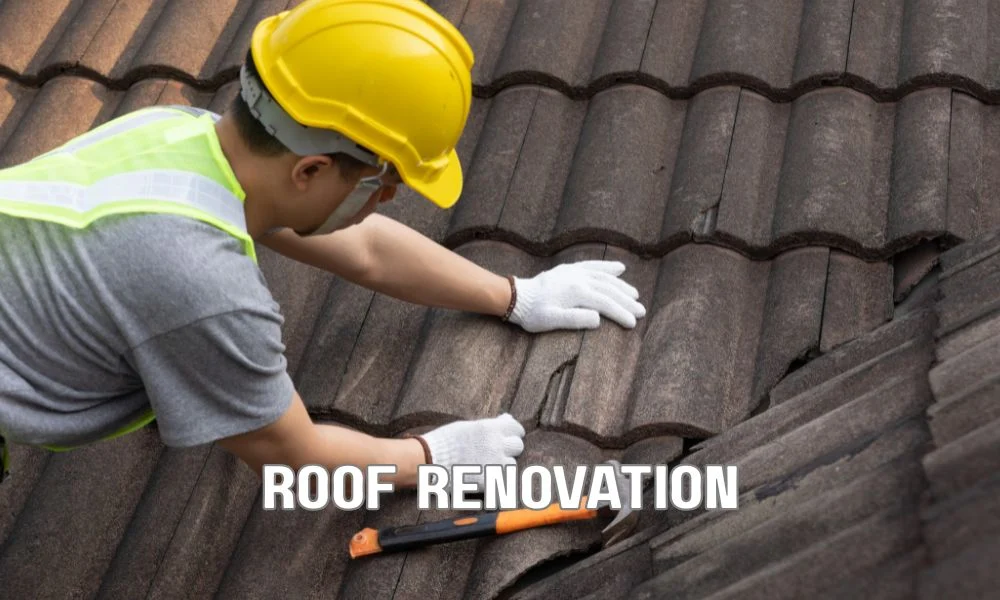
A roof recover, also known as an overlay, involves installing a new roofing system directly over an existing one without removing the old materials. This method differs significantly from a tear-off, where all existing roofing layers are completely stripped down to the roof deck before new materials are installed. While a recover can save time and reduce costs, a tear-off allows for thorough inspection and repair of the underlying structure, ensuring a fresh start.
Critical Fact 1: Florida Building Code 7th Edition (2020) and subsequent updates strictly regulate re-roofing, primarily through Section 1509.3 of the Florida Building Code, Residential, and Section 1512 of the Florida Building Code, Existing Building, which dictates when a roof recover is permissible.
Understanding Florida Building Code for Re-Roofing
What specific Florida Building Code sections govern re-roofing projects?
Florida’s re-roofing projects are primarily governed by the Florida Building Code, Residential (FBCR) for residential structures and the Florida Building Code, Building (FBCB) for commercial structures, along with the Florida Building Code, Existing Building (FBCEB). Specifically, FBCR Section R908.3 and FBCEB Section 708 address roof recover versus replacement, detailing conditions under which a second roof layer is allowed. These codes emphasize structural integrity, fire resistance, and proper drainage.
Under what conditions does Florida code permit a roof recover instead of a tear-off?
Florida code permits a roof recover primarily under three conditions: first, if the existing roof structure and deck are in sound condition and capable of supporting the additional load of a new layer; second, if the existing roofing material is securely attached and suitable as a base for the new material; and third, if there is only one existing layer of roofing material. The code strictly prohibits a third layer, making the maximum allowable layers two, provided all other criteria are met. Any evidence of structural compromise, rot, or significant existing damage necessitates a full tear-off.
Benefits and Drawbacks of a Roof Recover
What are the primary advantages of opting for a roof recover?
Opting for a roof recover offers several primary advantages, most notably significant cost savings due to reduced labor and disposal expenses. Without the need to strip the existing roof, project timelines are typically shorter, minimizing disruption to homeowners. Furthermore, the existing roof layer can provide an additional layer of insulation, potentially offering a marginal improvement in energy efficiency, though this is secondary to structural and code compliance benefits.
What potential disadvantages should homeowners consider with a roof recover?
Homeowners must consider several potential disadvantages with a roof recover, including the inability to inspect and repair the underlying roof deck for hidden damage like rot or leaks. The added weight of a second layer can stress the roof structure, and manufacturer warranties might be limited for overlaid systems, potentially reducing the new roof’s expected lifespan compared to a full tear-off. Furthermore, any existing irregularities in the first layer will transfer to the new layer, affecting aesthetics and drainage.
Critical Fact 2: While a roof recover can save 15-25% on upfront costs compared to a full tear-off, it often comes with a shorter effective lifespan for the new roofing system and may void certain premium manufacturer warranties if not explicitly approved for overlay applications.
The Tear-Off Option: When It’s Unavoidable and Why
When is a full tear-off the only compliant option under Florida code?
A full tear-off is the only compliant option under Florida code when the existing roof deck shows signs of structural damage, rot, or extensive water intrusion, or if there are already two or more layers of roofing material present. Additionally, if the existing roof material is incompatible with the proposed new material, such as trying to overlay asphalt shingles on a significantly damaged tile roof, a tear-off is mandated. Any re-roofing project that alters the roof’s slope, pitch, or drainage system also typically requires a full tear-off to ensure compliance with current building codes for structural integrity and water management.
What are the long-term benefits of a complete roof tear-off?
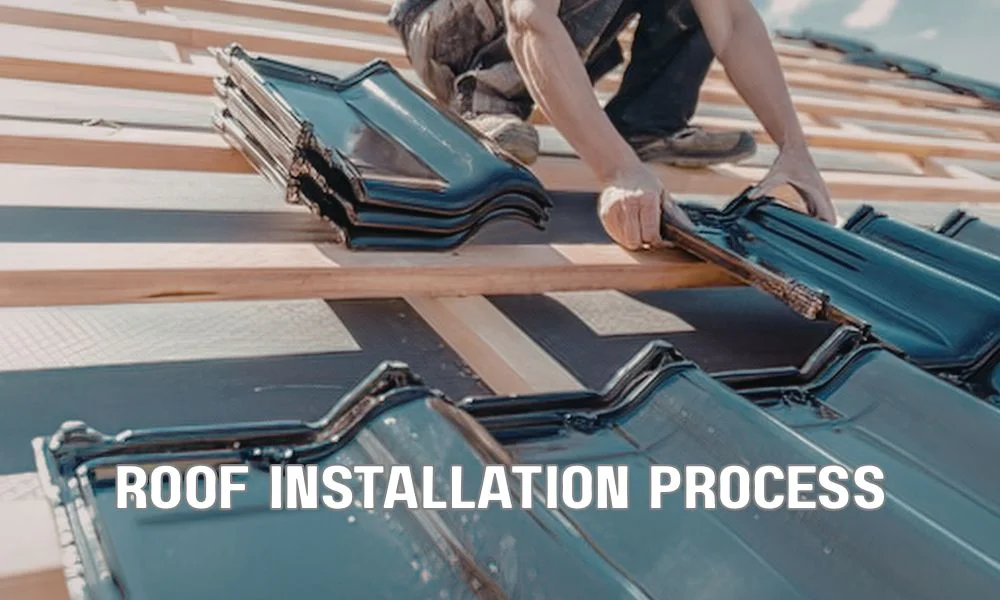
The long-term benefits of a complete roof replacement and re-roofing tear-off are substantial, providing an opportunity for thorough inspection and repair of the roof deck, addressing hidden damage that could lead to future leaks or structural issues. A tear-off ensures a clean, level surface for the new roofing system, maximizing its performance, longevity, and aesthetics. This approach typically allows for full manufacturer warranties, offers superior wind uplift resistance when installed to current codes, and often increases property value more significantly due to the comprehensive nature of the replacement.
Cost and Longevity Considerations
How do the costs of a roof recover compare to a full tear-off in Florida?
The costs of a roof recover are generally lower than a full tear-off in Florida, primarily due to reduced labor for material removal, lower disposal fees for old roofing, and potentially less material handling time. Homeowners can expect a recover to cost approximately 60-80% of a full tear-off, depending on the chosen materials and the complexity of the roofline. However, these initial savings must be weighed against the potential for hidden issues and long-term performance.
How does each method impact a roof’s expected lifespan and warranty?
A roof recover typically impacts a roof’s expected lifespan and warranty negatively, as manufacturers often offer limited or voided warranties for materials installed over existing layers. The presence of an old layer can trap heat, accelerate material degradation, and mask underlying issues, potentially reducing the new roof’s lifespan by 5-10 years. In contrast, a full tear-off allows for optimal installation directly on a sound deck, ensuring full manufacturer warranty coverage and maximizing the new roofing system’s expected lifespan.
| Feature | Roof Recover (Overlay) | Full Tear-Off (Replacement) |
|---|---|---|
| Initial Cost | Lower (approx. 60-80% of tear-off) | Higher (full cost) |
| Labor Time | Shorter (no demolition) | Longer (demolition + installation) |
| Debris & Disposal | Minimal | Significant (old roofing materials) |
| Deck Inspection | Not Possible | Full Inspection & Repair Possible |
| Warranty | Often Limited or Voided | Full Manufacturer Warranty |
| Expected Lifespan | Potentially Shorter (e.g., 15-20 years for 25-year shingles) | Full Lifespan (e.g., 25-30 years for 25-year shingles) |
| Hidden Damage Risk | High (cannot identify issues) | Low (issues addressed during tear-off) |
| Permit Complexity | Slightly simpler | More rigorous (structural review) |
Practical Steps and Professional Guidance
What crucial steps should Florida homeowners take before deciding?
Before deciding between a roof recover and a tear-off, Florida property owners should first schedule comprehensive commercial roof inspections by a licensed and insured local roofing contractor. Obtain multiple detailed quotes that clearly outline the scope of work, materials, and warranty information for both options. Crucially, verify that any proposed recover project strictly adheres to current Florida Building Code regulations, including local amendments, and confirm permit requirements with your county or city building department.
Why is professional assessment critical for compliance and durability?
Professional assessment is critical for both compliance and long-term durability because licensed Florida commercial roofing contractors possess the expertise to accurately evaluate the existing roof’s condition, identify hidden structural issues, and interpret complex building codes. Their assessment ensures that any re-roofing project, whether a recover or a tear-off, meets all state and local regulations for safety, wind resistance, and material specifications, preventing costly code violations and ensuring the roof’s optimal performance and longevity in Florida’s challenging climate.
Critical Fact 3: Ignoring Florida Building Code requirements for re-roofing, particularly regarding the number of layers or structural integrity, can result in rejected insurance claims, significant fines, and potential legal liabilities should the roof fail or cause property damage.
Frequently Asked Questions
Is a roof recover always cheaper than a full tear-off in Florida?
Generally, yes, a roof recover is cheaper upfront because it saves on labor for demolition and disposal costs. However, it may not be the most economical long-term solution if underlying issues are present or if it leads to a shorter roof lifespan.
Can I install metal roofing over shingles in Florida?
Florida Building Code allows specific types of metal roofing to be installed over a single layer of existing shingles, provided the roof deck is sound, the structure can support the added weight, and proper fasteners are used. Always check local ordinances and manufacturer specifications.
How many roof layers does Florida code allow?
Florida Building Code strictly allows a maximum of two layers of roofing material. If your home already has one layer, a recover is potentially an option; if it has two layers, a full tear-off is mandatory.
Do I need a permit for a roof recover in Florida?
Yes, any re-roofing project in Florida, including a roof recover, requires a permit from your local building department. This ensures the project complies with safety, structural, and material standards set by the Florida Building Code.
Will my insurance cover a roof recover or tear-off?
Insurance coverage typically depends on the reason for re-roofing (e.g., storm damage vs. age). Policies often cover damage repair, but the specific extent for a recover versus a tear-off will depend on your individual policy and the adjuster’s assessment of the damage.
What happens if I put a third layer on my roof in Florida?
Installing a third layer is a direct violation of Florida Building Code and can lead to significant penalties, including fines, mandatory removal of all layers at your expense, and potential difficulties with home insurance or future property sales.
Does a roof recover affect property value in Florida?
A roof recover might not enhance property value as significantly as a full tear-off, especially if the original roof had minor imperfections or if it suggests a budget-conscious repair. A full tear-off provides a more comprehensive, longer-lasting system that typically adds greater value.
How do I know if my existing roof deck is sound enough for a recover?
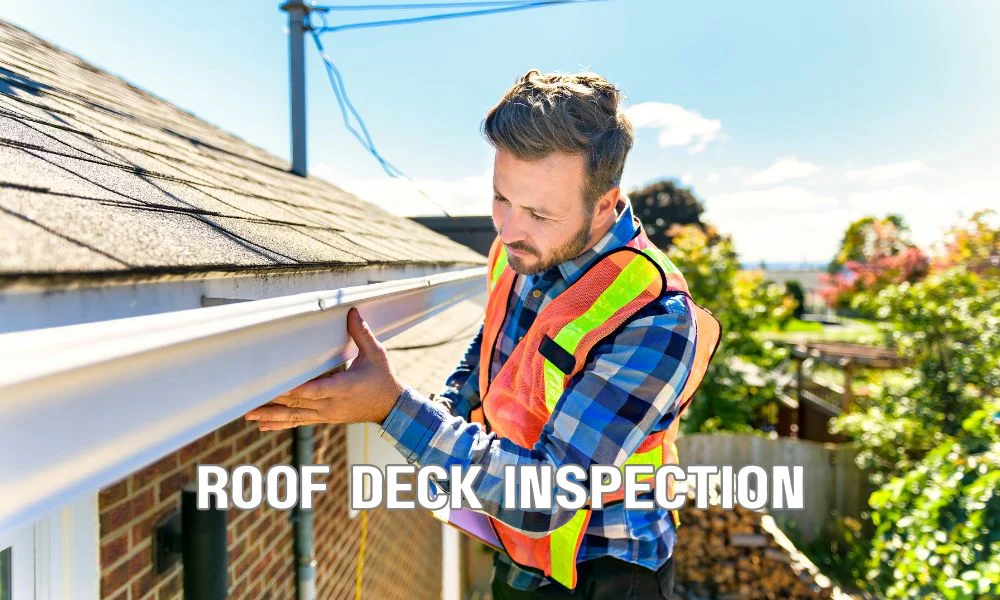
A licensed roofing contractor must conduct a thorough inspection of your existing roof to determine the condition of the deck. They will look for signs of rot, water damage, excessive deflection, and proper fastening of the current layer to assess its suitability for an overlay.
