
Executive Summary
Understanding the roof replacement timeline is crucial for homeowners to set realistic expectations and ensure a smooth project from start to finish. This guide outlines each phase, empowering you with knowledge to monitor progress and communicate effectively with your roofing contractor. Preparing your property properly and understanding the material selection process significantly impacts project efficiency and long-term roof performance. The tear-off and installation phases are often the most intensive, requiring careful planning for debris management and homeowner accessibility. Post-installation cleanup and thorough final inspections are vital to confirm quality workmanship and address any potential issues promptly. Familiarizing yourself with available warranties protects your investment, providing peace of mind for decades to come. Expect transparent communication and detailed contracts as hallmarks of a professional roof replacement experience.
The Pre-Replacement Phase: Preparation and Planning
The initial steps homeowners should take before roof replacement involve a thorough consultation process, obtaining detailed estimates, selecting appropriate materials, and signing a comprehensive contract. This phase also includes securing necessary permits and preparing your property to safeguard landscapes and personal belongings.
What initial steps should homeowners take before roof replacement?
Before any work begins, engage with several reputable roofing contractors to obtain multiple bids and project timelines. This allows for a comparison of services, materials, and pricing. Once a contractor is chosen, you’ll work with them to select the best roofing material for your home’s style, climate, and budget, followed by signing a detailed contract outlining the scope of work, payment schedule, and warranty information. The contractor will typically handle permit acquisition, but homeowners should verify this crucial step is completed to avoid future complications. Finally, preparing your property involves moving outdoor furniture, covering landscaping, and ensuring clear access around your home for the crew and equipment.
Critical Fact 1: A legitimate roofing contractor will always pull the necessary permits before starting work; failure to do so can result in fines, project delays, or even require removal of the new roof.
How long does the pre-replacement phase typically last?
The pre-replacement phase generally lasts anywhere from one to four weeks, but this timeline can vary significantly based on several factors. Obtaining multiple estimates, making material selections, and finalizing contracts can take time, especially if specific, less common materials are chosen. The most variable factor is often permit acquisition, which depends on local municipal processing times, ranging from a few days to several weeks. Scheduling with a reputable contractor, particularly during peak seasons, can also extend this preparatory period.
Day-of-Replacement: Removal and Installation
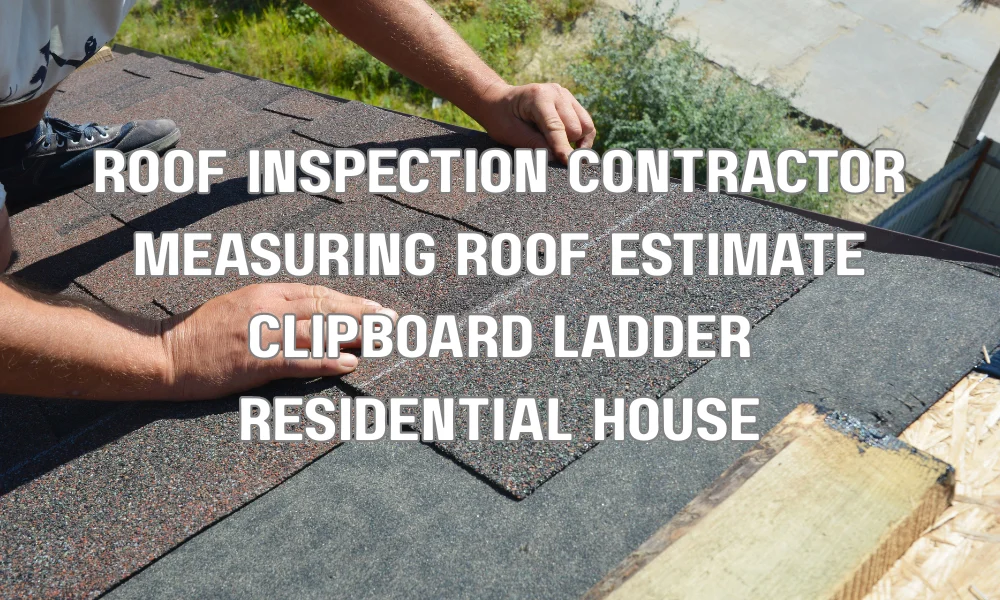
The old roof removal process involves safely tearing off existing shingles, underlayment, and flashing, followed by meticulous debris management. This phase is typically noisy and requires careful planning to ensure the structural integrity of your home remains protected throughout.
What happens during the old roof removal process?
During the tear-off phase, the roofing crew will establish safety zones, protect vulnerable areas of your home, and then systematically remove all layers of the old roofing system down to the roof deck. This includes shingles, flashing, drip edge, and often the old underlayment. Debris is efficiently collected and channeled into dumpsters or specialized debris removal equipment placed strategically on your property. This ensures a clean worksite and minimizes disruption.
How is the new roofing system installed?
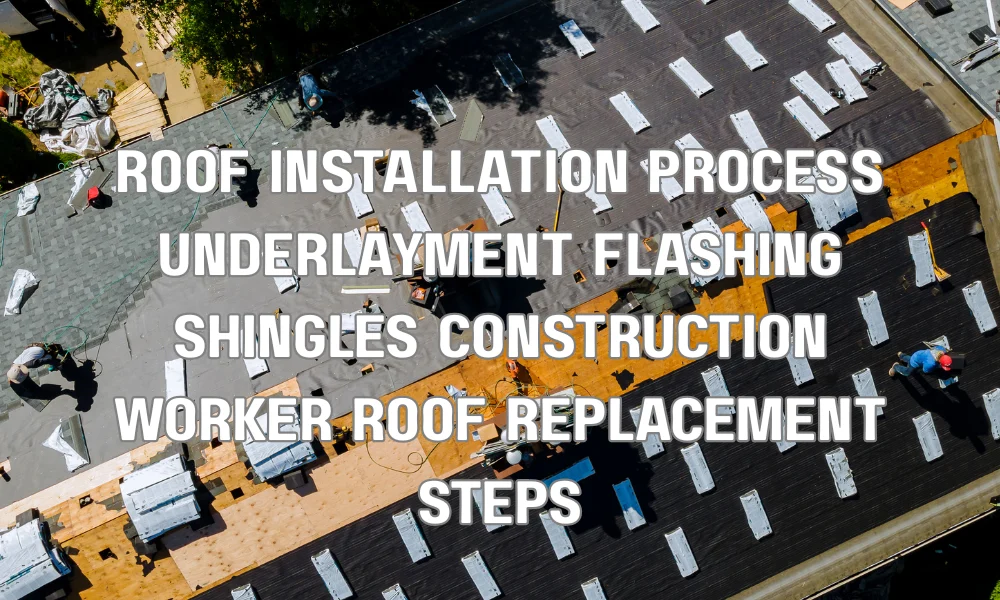
Once the old roof is removed, the roof deck is thoroughly inspected for any damage or rot, and repairs are made as needed. New underlayment, often synthetic, is then applied to provide an additional layer of moisture protection. Ice and water shield membranes are strategically installed in valleys and eaves, followed by new drip edge and flashing around chimneys, skylights, and vents. Finally, the new shingles or chosen roofing material are meticulously installed according to manufacturer specifications, ensuring proper alignment, secure fastening, and optimal weather resistance.
Critical Fact 2: Proper ventilation is as critical as the roofing material itself; inadequate attic ventilation can void shingle warranties and lead to premature roof deterioration due to heat and moisture buildup.
Below is a comparison of common roofing materials, highlighting their typical lifespan, cost range, and key advantages.
| Material Type | Typical Lifespan | Average Cost (per square foot, installed) | Key Advantages |
|---|---|---|---|
| Asphalt Shingles | 15-30 years | $4.00 – $7.00 | Affordable, wide color variety, relatively easy installation. |
| Metal Roofing | 40-70 years | $8.00 – $18.00 | Durable, energy-efficient, fire-resistant, low maintenance. |
| Tile (Clay/Concrete) | 50-100+ years | $10.00 – $25.00 | Extremely durable, unique aesthetic, excellent fire resistance. |
| Wood Shingles/Shakes | 20-40 years | $6.00 – $12.00 | Natural beauty, good insulation, withstands severe weather. |
| Slate | 75-200+ years | $15.00 – $30.00 | Premium durability, natural beauty, fireproof, very low maintenance. |
Post-Installation: Cleanup, Inspection, and Warranty
The cleanup process after roof installation is comprehensive, involving the removal of all project-related debris and a meticulous site inspection to ensure no hazards remain. This final stage guarantees your property is left spotless and safe.
What does the cleanup process involve after roof installation?
Once the new roof is securely installed, the crew dedicates significant time to a thorough cleanup of the entire property. This includes gathering all removed roofing materials, excess scraps, nails, and other construction debris. Dumpsters are hauled away, and tarps are removed. Crucially, powerful magnetic rollers are used repeatedly across the yard, driveways, and surrounding areas to collect any stray nails, minimizing the risk of punctures to tires or injuries. A final visual inspection ensures that no materials or tools are left behind, leaving your property in pristine condition.

How is the final roof inspection conducted?
The final roof inspection involves a comprehensive review of the newly installed roofing system by both the contractor and, often, a municipal inspector if required by local building codes. The contractor will assess the quality of installation, ensuring all components – including shingles, flashing, vents, and gutters – are correctly installed and sealed according to manufacturer specifications and local building codes. Homeowners should participate in a walkthrough, asking questions and pointing out any concerns. This is also the time when the contractor will provide necessary paperwork, including warranties and lien waivers.
What warranties are typically offered with a new roof?
New roofs generally come with two primary types of warranties: manufacturer warranties and contractor workmanship warranties. Manufacturer warranties cover defects in the roofing materials themselves, often ranging from 20 years for standard asphalt shingles to a lifetime for premium products. These usually cover the cost of replacement materials and, in some cases, labor. Contractor workmanship warranties cover the quality of the installation and typically range from 2 to 10 years, ensuring the roof was installed correctly according to industry standards. It’s essential to understand the specifics of both warranties, including transferability and what might void them, before the project concludes.
Critical Fact 3: Failing to maintain proper attic ventilation can void both your shingle manufacturer’s warranty and potentially lead to costly moisture-related damage to your roof deck and interior.
Frequently Asked Questions
How long does a typical roof replacement take from start to finish?
A standard roof replacement on an average-sized home typically takes one to three days for the actual tear-off and installation, assuming good weather. The entire process, from initial consultation to final inspection, can span several weeks, largely depending on permit acquisition and scheduling.
Do I need to be home during the roof replacement?
While it’s not strictly necessary to be home for the entire duration of the work, being available at the beginning to discuss any last-minute details and at the end for the final walkthrough is highly recommended. Your contractor should establish clear communication channels.
What should I do to prepare my property for the roof replacement?
Prepare your property by moving vehicles, outdoor furniture, and delicate plants away from the house. Cover sensitive landscaping with tarps provided by the contractor. Ensure clear access paths around the perimeter of your home for the crew and equipment.
Will a roof replacement be noisy?
Yes, roof replacement is a significantly noisy process due to the tearing off of old materials, hammering, and the movement of heavy equipment. It’s advisable to make arrangements for pets or young children who might be sensitive to loud noises.
What happens if it rains during my roof replacement?
Reputable contractors monitor weather forecasts closely. If rain is expected, they will typically cover exposed sections of the roof with heavy-duty tarps to prevent water infiltration, or they may halt work until conditions are favorable again, prioritizing your home’s protection.
How do I choose the right roofing material for my home?
Choosing the right material depends on factors like your home’s architectural style, local climate, budget, desired lifespan, and aesthetic preferences. Your contractor can guide you through options like asphalt, metal, tile, or wood shakes, explaining their pros and cons.
Are roof replacement costs tax-deductible?
Generally, roof replacement costs are not tax-deductible as they are considered a home improvement. However, if the roof is part of a larger energy-efficient upgrade, or if it’s for a rental property, some deductions or credits might apply. Consult a tax professional for specific advice.
What kind of guarantee or warranty should I expect with my new roof?
You should expect two main warranties: a manufacturer’s warranty covering the materials (typically 20 years to lifetime) and a contractor’s workmanship warranty covering the installation quality (usually 2 to 10 years). Always get these in writing.
