
Executive Summary
- Optimizing roof ventilation is crucial for Florida homeowners to significantly reduce oppressive attic heat and lower air conditioning expenses.
- Effective attic ventilation prevents heat buildup, which can radiate into living spaces, making AC units work harder and consume more energy.
- A balanced system, combining adequate intake and exhaust vents, creates essential airflow to expel hot air and draw in cooler, drier air.
- Proper ventilation extends the lifespan of your roof, preventing moisture accumulation and premature material degradation caused by excessive heat.
- Homeowners should understand the different types of vents and their synergistic function to select the most efficient system for Florida’s climate.
- Regular inspection and maintenance of roof ventilation systems are vital to ensure continuous, optimal performance and sustained energy savings.
- Investing in upgraded roof ventilation offers a measurable return through reduced utility bills, enhanced indoor comfort, and increased home value.
The Hidden Cost of a Poorly Ventilated Roof
How does attic heat impact your AC bill?
Attic heat significantly inflates your AC bill by creating a thermal load that radiates directly into your home’s conditioned living spaces. Without proper ventilation, temperatures in a Florida attic can easily soar to 150-160°F or higher on a sunny day. This extreme heat forces your air conditioning system to work overtime, struggling against the pervasive warmth seeping through ceilings and walls, directly increasing energy consumption and utility costs.
Critical Fact 1: For every 10-degree reduction in attic temperature, homeowners can see a 1-3% decrease in their overall cooling costs.
What is the stack effect, and why does it matter in Florida?
The stack effect describes the natural upward movement of air within a building, driven by differences in temperature and density. In Florida, this phenomenon is particularly critical for roof ventilation. Hot air naturally rises, and a properly designed ventilation system harnesses this principle, allowing superheated air to escape through exhaust vents at the roof’s peak while simultaneously drawing in cooler, fresher air through intake vents located lower down, like in the soffits. This continuous cycle effectively purges the attic of stifling heat, preventing it from migrating into your living areas and reducing the burden on your AC.
Understanding Roof Ventilation Systems
What are the primary types of roof ventilation?
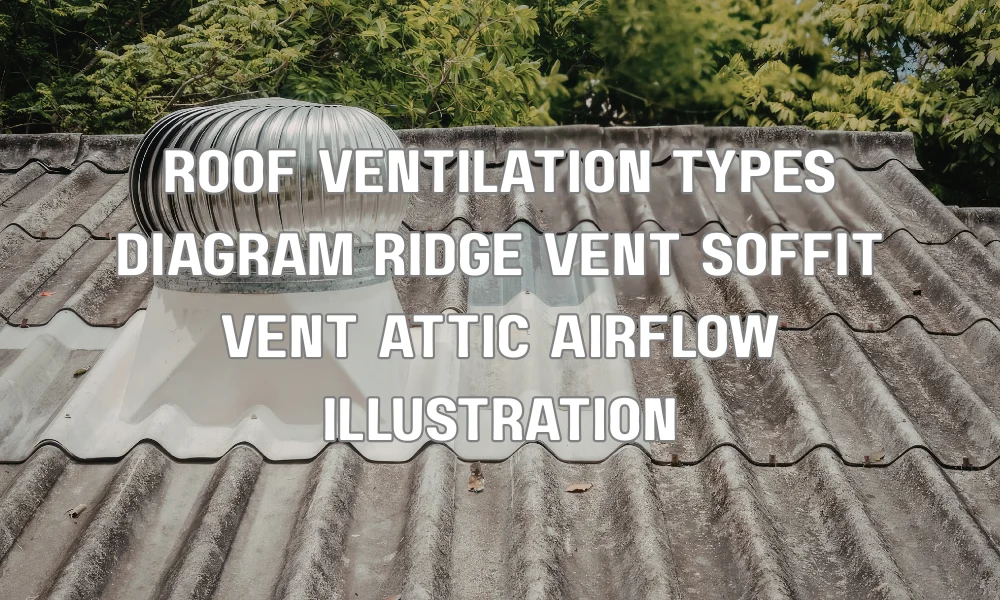
The primary types of roof ventilation generally fall into two categories: passive and active. Passive systems, like ridge vents, soffit vents, and gable vents, rely on natural air pressure and the stack effect to move air. Active systems, such as power vents (electric or solar-powered) or wind turbines, use mechanical means to draw hot air out more aggressively. A combination of these, often a balanced passive system, is typically most effective for continuous attic air exchange.
How do intake and exhaust vents work together effectively?
Intake and exhaust vents are designed to work synergistically, creating a balanced airflow system that continuously flushes hot, stagnant air from the attic. Intake vents, typically located at the lower eaves or soffits of the roof, allow cooler ambient air to enter the attic. This cooler air then pushes the hotter, less dense air upwards towards the exhaust vents, which are positioned at or near the roof’s peak. This creates a consistent path of air movement, preventing dead air pockets and ensuring efficient heat removal, crucial for lowering the attic temperature and, consequently, your AC bill.
Which ventilation strategies are best suited for Florida’s climate?
For Florida’s hot and humid climate, a balanced passive ventilation strategy, often incorporating continuous ridge vents combined with continuous soffit vents, is highly recommended. This system provides consistent air movement across the entire attic space without requiring electricity, making it cost-effective and reliable. Power vents can supplement passive systems in larger or particularly problematic attics, but a strong passive foundation is key. The goal is to provide ample airflow to manage both extreme heat and high humidity, preventing moisture buildup that can lead to mold and rot.
Critical Fact 2: Inadequate ventilation can lead to moisture buildup in the attic, accelerating the deterioration of roof decking, insulation, and even structural components, costing thousands in repairs.
Comparative Analysis of Common Roof Ventilation Types
| Ventilation Type | Mechanism | Florida Suitability | Installation Cost (Relative) | Energy Consumption | Pros | Cons |
|---|---|---|---|---|---|---|
| Soffit Vents (Intake) | Passive, air enters eaves | Excellent (Essential) | Low | None | Continuous intake, discreet, affordable | Requires clean soffits, can be blocked by insulation |
| Ridge Vents (Exhaust) | Passive, hot air escapes at peak | Excellent (Paired with Soffits) | Moderate | None | Continuous exhaust, blends with roofline, efficient | Can be less effective in low wind, needs proper installation |
| Gable Vents (Intake/Exhaust) | Passive, wall-mounted | Good (Supplemental) | Low to Moderate | None | Easy to install, good for cross-ventilation | Can create “dead zones” if not paired correctly, less effective alone |
| Power Vents (Active) | Electric/Solar fan | Good (Supplemental/Large Attics) | High | Electric (or None for Solar) | Aggressive air removal, effective on still days | Can pull conditioned air from home if not sealed, electricity cost, noise |
| Turbine Vents (Passive) | Wind-driven fan | Fair (Wind-reliant) | Moderate | None | No electricity, good for windy areas | Less effective on still days, can be noisy, visible on roof |
Measuring the Impact and Optimizing for Savings
Can proper ventilation truly reduce energy consumption?
Absolutely, proper ventilation demonstrably reduces energy consumption in Florida homes. By effectively removing superheated air from the attic, it significantly lessens the radiant heat transfer into your living space. This direct reduction in thermal load means your air conditioning system operates more efficiently, cycling less frequently and using less power to maintain comfortable indoor temperatures. The science is clear: cooler attics lead to cooler homes and lower AC bills.
What are the signs of inadequate roof ventilation?
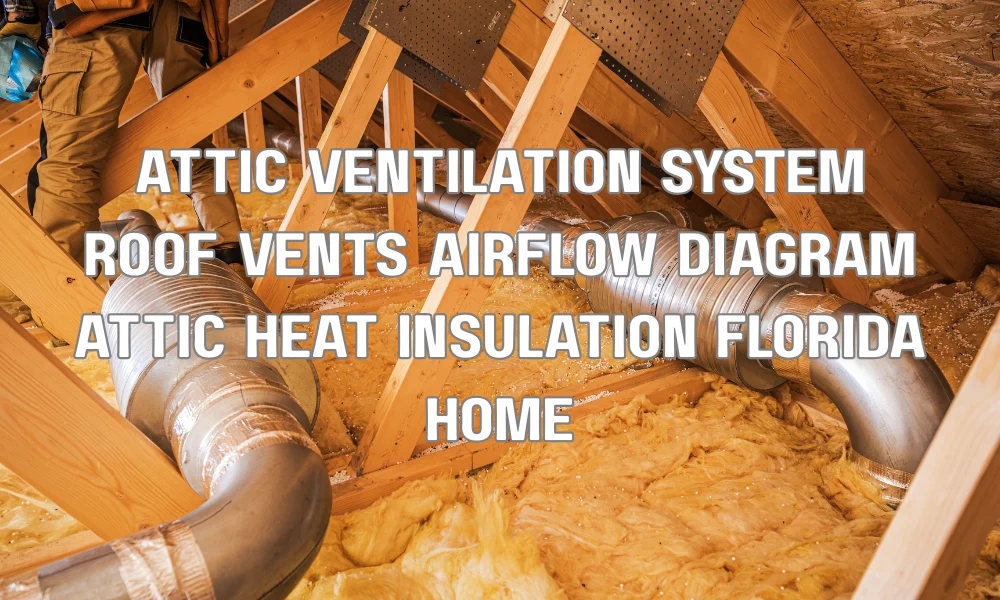
Signs of inadequate roof ventilation often manifest subtly but worsen over time. A common indicator is an uncomfortably hot attic, even on moderately warm days, which translates to noticeably higher indoor temperatures despite your AC running constantly. Other signs include sagging roof decking, premature shingle deterioration (curling, cracking), excessive moisture or frost in the attic during cooler months, or the presence of mold or mildew on wooden surfaces. Unexplained increases in your monthly AC bill without changes in usage can also point to a ventilation problem.
How can homeowners assess their current ventilation system?
Homeowners can assess their current ventilation system by first visually inspecting their roof and attic. Look for soffit vents that are clean and unobstructed, and check if ridge or gable vents appear intact and free of debris. Inside the attic, use a thermometer to gauge the temperature – it should ideally be close to the outside ambient temperature, or at least not excessively hotter. Check for signs of moisture, mold, or “hot spots” in the insulation. For a definitive assessment, especially concerning the balance of intake and exhaust, consulting a qualified roofing or HVAC professional is recommended; they can perform airflow calculations and identify any deficiencies.
Practical Steps for Homeowners
What maintenance is required for roof ventilation systems?
Maintenance for roof ventilation systems is relatively straightforward but essential for optimal performance. Regularly inspect soffit vents to ensure they are clear of insulation, paint, or debris, allowing unrestricted airflow. Check exhaust vents, particularly ridge and power vents, for blockages from leaves, bird nests, or structural damage. For power vents, ensure the fan is operational and the thermostat is set correctly. Annual visual inspections from the ground or a professional roof inspection can help identify potential issues before they escalate, preventing costly repairs and maintaining energy efficiency.
When should you consult a professional for ventilation improvements?
You should consult a professional for ventilation improvements if you observe persistent signs of inadequate ventilation, such as excessively high attic temperatures, rapidly deteriorating shingles, or escalating AC bills. A professional roofer or energy auditor can accurately diagnose underlying issues, recommend the most suitable ventilation solutions for your specific roof and home structure, and ensure proper installation according to building codes and manufacturer specifications. Attempting complex ventilation upgrades without expertise can inadvertently worsen problems or void warranties.
Critical Fact 3: Properly designed and installed roof ventilation systems can extend the lifespan of your roof by up to 20% by reducing heat-induced shingle degradation and moisture damage.
Frequently Asked Questions
What is the ideal attic temperature in Florida?
The ideal attic temperature in Florida should ideally be within 10-20 degrees Fahrenheit of the outside ambient temperature. Significantly higher temperatures indicate poor ventilation, forcing your air conditioner to work harder.
Can adding more insulation solve an attic heat problem?
While insulation helps resist heat transfer, it doesn’t solve the core problem of attic heat buildup. Without proper ventilation to remove the hot air, insulation alone can become superheated, eventually radiating that heat downwards.
Do solar-powered attic fans really save money?
Yes, solar-powered attic fans can save money by reducing the load on your AC without adding to your electricity bill. They are most effective when integrated into a balanced ventilation system, particularly in attics with limited passive airflow.
How do I know if my soffit vents are blocked?
You can check for blocked soffit vents by looking for visible obstructions like paint, caulk, or debris from the outside. Inside the attic, ensure insulation isn’t pushed against the soffit, impeding airflow into the attic space.
Will new roof ventilation require replacing my entire roof?
Not necessarily. Many ventilation upgrades, like adding ridge vents or improving soffit vents, can be performed without a full roof replacement. However, if your roof is old or damaged, combining ventilation work with a re-roof can be cost-effective.
Is passive or active ventilation better for humidity control?
A well-designed passive ventilation system, especially continuous ridge and soffit vents, is highly effective for continuous humidity control by maintaining consistent air exchange. Active fans can supplement this for quicker moisture expulsion in specific conditions.
What is the typical cost of installing new roof ventilation?
The typical cost varies widely based on the type and extent of ventilation needed. Simple additions like soffit or ridge vents might range from a few hundred to over a thousand dollars, while comprehensive overhauls involving active fans can be several thousand.
Does proper ventilation affect my homeowner’s insurance?
While it doesn’t directly reduce premiums, proper ventilation mitigates risks like mold, roof damage, and structural issues, which could lead to denied claims or higher premiums in the long run if left unaddressed. It helps maintain the overall integrity of your home.
