
Executive Summary
- Miami Beach commercial roofs face unique challenges from relentless salt spray, intense UV radiation, and severe hurricane-force wind loads.
- Adherence to the stringent Florida Building Code (FBC) and Miami-Dade County Notice of Acceptance (NOA) standards is non-negotiable for all roofing projects.
- Selecting advanced waterproofing membranes like TPO, PVC, and specialized liquid-applied systems is crucial for long-term performance and compliance.
- Expert installation, precise detailing, and adherence to manufacturer specifications are paramount to ensure system integrity against harsh coastal elements.
- Proactive maintenance, including regular inspections and timely repairs, significantly extends roof lifespan and preserves its waterproofing effectiveness.
- Investing in high-performance, code-compliant roofing systems prevents costly structural damage and ensures business continuity in a challenging environment.
- Understanding the specific wind uplift ratings and impact resistance required by Miami-Dade NOA for materials is key to resilient roof design.
The Unique Imperatives of Miami Beach Commercial Roofing
What makes Miami Beach commercial roofing uniquely challenging?
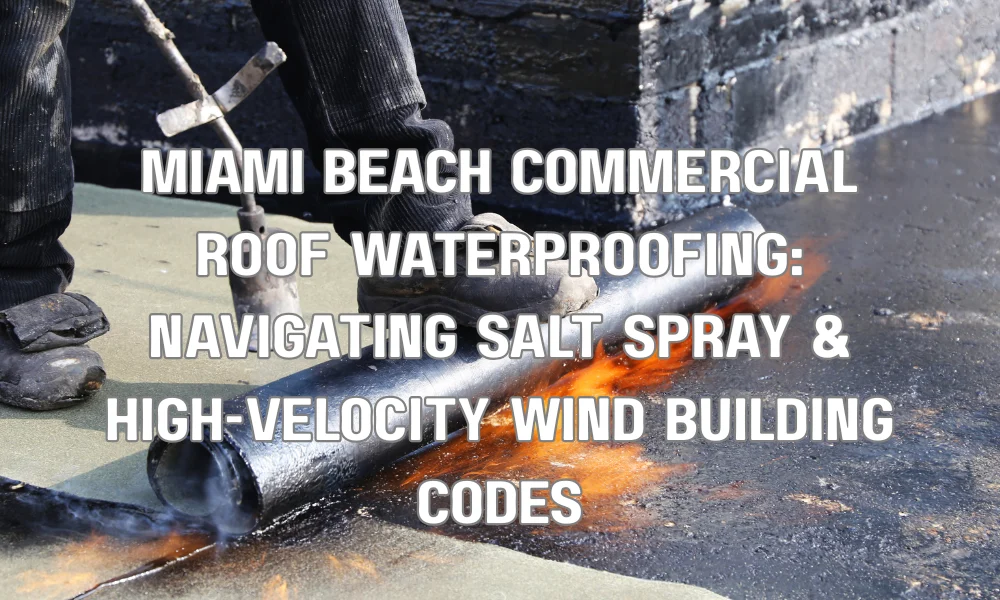
Miami Beach commercial roofing is uniquely challenging due to its hyper-aggressive coastal environment, characterized by relentless salt spray, high-velocity winds, intense UV radiation, and high humidity. These factors accelerate material degradation, demand specialized waterproofing solutions, and necessitate strict adherence to robust building codes designed for hurricane resilience. The combination of salt-laden air and powerful storms creates a corrosive and destructive environment unmatched in many other regions.
Critical Fact 1: FBC 7th Edition (2020) mandates that all new and replacement roofing systems in Miami-Dade County must be able to withstand sustained wind speeds of up to 175 MPH in High-Velocity Hurricane Zones (HVHZ).
This extreme exposure means that standard roofing practices and materials are often insufficient. Salt spray can corrode metal components and break down certain membrane types, while UV radiation continuously degrades exposed surfaces. High-velocity winds not only threaten to lift and tear roofing systems but also drive moisture into the smallest vulnerabilities, compromising structural integrity over time. Consequently, property owners and developers must prioritize materials and installation techniques specifically engineered to withstand these severe conditions, ensuring both longevity and safety for their commercial assets.
Navigating Florida Building Code & Miami-Dade NOA Requirements
How do Florida Building Codes and Miami-Dade NOAs impact commercial waterproofing?
Florida Building Codes (FBC) and Miami-Dade County Notices of Acceptance (NOAs) profoundly impact commercial waterproofing by establishing stringent standards for material performance, installation methods, and overall system resilience, particularly within High-Velocity Hurricane Zones (HVHZ). These regulations dictate that all roofing components, from membranes to fasteners and adhesives, must demonstrate proven resistance to extreme wind uplift, water intrusion, and environmental degradation, often through rigorous third-party testing. The FBC, specifically Chapter 15, outlines comprehensive requirements for roofing in coastal areas, while Miami-Dade NOAs provide crucial product-specific certifications, ensuring materials meet or exceed these enhanced performance benchmarks.
What are the critical compliance factors for waterproofing materials?
The critical compliance factors for waterproofing materials in Miami Beach primarily revolve around Miami-Dade NOA certifications, which verify a product’s ability to resist extreme wind uplift pressures, impact from wind-borne debris, and prolonged exposure to harsh environmental elements. Materials must demonstrate superior adhesion, tensile strength, and puncture resistance, alongside proven UV stability and resistance to salt corrosion. Furthermore, specific fire ratings (e.g., ASTM E108 Class A) and drainage provisions are mandatory, ensuring comprehensive safety and functionality. Compliance also extends to installation practices, requiring certified contractors to follow precise manufacturer specifications and code-mandated detailing for flashing, perimeters, and penetrations to maintain the NOA’s validity.
Advanced Waterproofing Solutions for Coastal Environments
Which waterproofing membranes are most effective against salt spray and high winds?
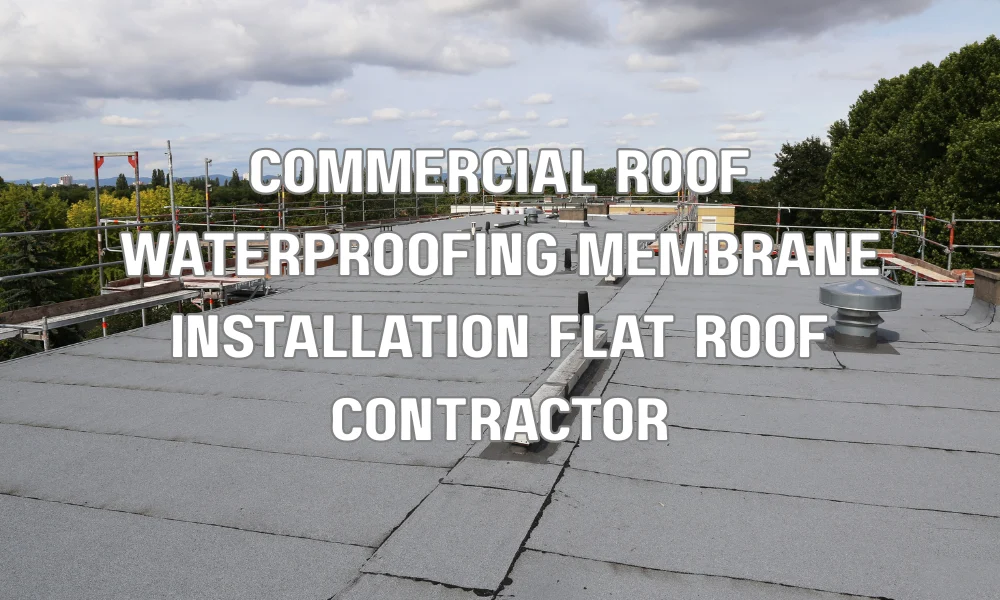
Thermoset plastics like TPO (Thermoplastic Polyolefin) and PVC (Polyvinyl Chloride), along with specialized liquid-applied systems, are among the most effective waterproofing membranes against salt spray and high winds due to their robust properties. TPO and PVC offer exceptional seam strength through heat welding, creating a monolithic barrier highly resistant to wind uplift and water penetration. Their inherent flexibility accommodates building movement, while their resistance to chemicals, UV radiation, and biological growth makes them ideal for the corrosive coastal environment. Modified Bitumen (Mod-Bit) systems, particularly those reinforced with fiberglass or polyester, also provide excellent durability and tear resistance when installed with multiple plies and robust surfacing.
How do liquid-applied waterproofing systems perform in Miami Beach conditions?
Liquid-applied waterproofing systems perform exceptionally well in Miami Beach conditions by creating a seamless, monolithic membrane that conforms precisely to complex roof geometries, eliminating vulnerable seams common in sheet goods. Their high elasticity and flexibility allow them to withstand building movement and thermal expansion/contraction without cracking, a critical factor in hurricane-prone zones. Many modern liquid systems, such as PMMA (Polymethyl Methacrylate) or PUMA (Polyurethane Methacrylate), are UV-stable, highly resistant to chemical attack (including salt), and offer rapid cure times, minimizing exposure to unpredictable weather during installation. They excel in detailing around penetrations, parapets, and drains, providing superior protection against water intrusion where conventional membranes might struggle.
Critical Fact 2: Studies by the Insurance Institute for Business & Home Safety (IBHS) show that properly sealed and waterproofed roofs can reduce potential hurricane damage claims by up to 40% compared to non-compliant or poorly maintained systems.
Installation Excellence and Long-Term Durability
Why is expert installation critical for waterproofing longevity in Miami Beach?
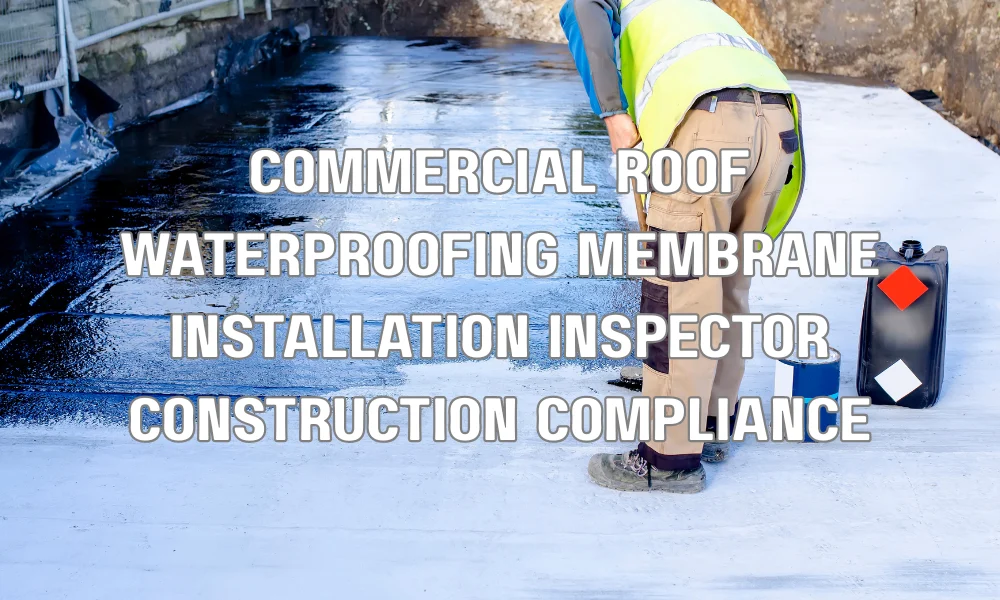
Expert installation is absolutely critical for waterproofing longevity in Miami Beach because even the highest-quality materials will fail prematurely if not installed precisely according to manufacturer specifications and stringent Miami-Dade NOA requirements. Proper installation by experienced, certified contractors ensures that seams are perfectly welded, adhesives are correctly applied, and crucial details around penetrations, parapets, and drains are meticulously sealed. Any shortcuts or errors in this environment can lead to immediate vulnerabilities to wind uplift and salt-driven water intrusion, compromising the entire system’s integrity and voiding warranties, ultimately resulting in costly repairs or premature roof replacement.
What maintenance strategies extend the life of commercial waterproofed roofs?
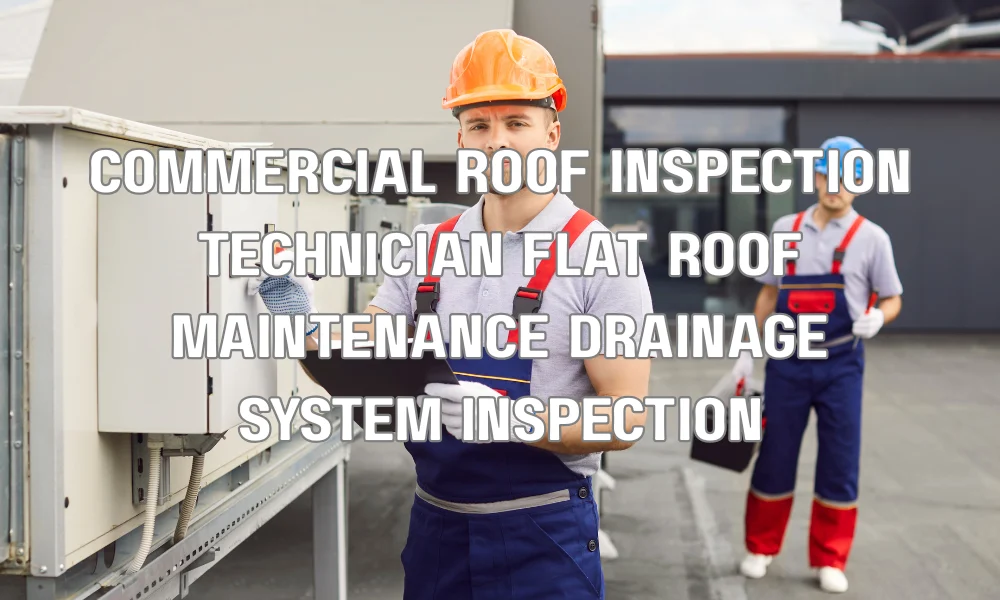
Effective maintenance strategies that extend the life of commercial waterproofed roofs in Miami Beach include regular, professional inspections (at least bi-annually and after every major storm), prompt debris removal, and immediate repair of any identified damage. It is crucial to keep drains and gutters clear to prevent ponding water, which can degrade membranes and overwhelm flashings. Additionally, periodic cleaning to remove salt residue, mildew, and pollutants helps preserve the surface integrity. For certain systems, manufacturers may recommend scheduled recoating or restorative treatments to refresh the UV protection and extend the membrane’s service life, preventing costly full replacements.
Economic Considerations and ROI
What are the cost implications of high-performance waterproofing in Miami Beach?
The cost implications of high-performance waterproofing in Miami Beach typically involve a higher initial investment compared to standard roofing systems due to the specialized materials, stringent code requirements, and expert labor demanded by the HVHZ environment. However, this upfront expenditure is offset by significant long-term returns on investment (ROI) through enhanced durability, reduced maintenance costs, and critical protection against property damage from hurricanes and salt corrosion. Investing in code-compliant, resilient waterproofing can also lead to more favorable insurance premiums, fewer business interruptions, and preservation of asset value, ultimately proving more economical than the repeated repair or replacement of inadequate systems.
| Feature | TPO (Thermoplastic Polyolefin) | PVC (Polyvinyl Chloride) | Liquid-Applied Systems (e.g., PMMA/PUMA) |
|---|---|---|---|
| Typical Lifespan | 20-30 years | 20-30 years+ | 15-25 years (often renewable) |
| Wind Uplift Resistance | Excellent (heat-welded seams, mechanically fastened options) | Superior (strongest heat-welded seams, high tear strength) | Excellent (fully adhered, seamless bond) |
| Salt Spray/UV Resistance | Very Good (integrated UV stabilizers) | Excellent (superior chemical and UV resistance) | Excellent (highly resistant to UV, chemicals, and pollutants) |
| Seam Integrity | Heat-welded, strong and durable | Heat-welded, strongest seam bond | Seamless, monolithic application |
| Flexibility for Detailing | Good, requires accessory pieces | Very Good, requires accessory pieces | Superior, conforms to all shapes, highly flexible |
| Typical Cost (Installed per sq ft) | Moderate ($10-$18) | Higher ($12-$20) | Highest ($15-$25+) |
Critical Fact 3: The average lifespan of a standard commercial roof in a temperate climate is 15-20 years, but in Miami Beach’s harsh coastal environment, this can be reduced by 30-50% without specialized, high-performance waterproofing and rigorous maintenance.
Frequently Asked Questions
Q1: What roofing materials are approved for Miami-Dade High-Velocity Hurricane Zone commercial buildings?
All roofing materials installed in Miami-Dade’s HVHZ must carry a Miami-Dade Notice of Acceptance (NOA). This is a product-specific approval issued by the Miami-Dade County Product Control Division after rigorous independent lab testing under TAS (Test Application Standard) protocols. Common approved materials include NOA-listed TPO/PVC single-ply membranes, SBS/APP modified bitumen systems, liquid-applied silicone and polyurethane coatings, and standing-seam metal roof panels with tested fastening patterns. Standard Florida Product Approvals (FL#) issued by the state are insufficient for Miami-Dade HVHZ projects.
Q2: How does salt air damage a commercial roof in Miami Beach, and how often should roofs be inspected?
Salt air introduces chloride ions onto roofing surfaces. These ions corrode exposed metal fasteners, flashings, and HVAC curbs, and degrade certain polymer-based membranes over time. Commercial roofs in coastal Miami Beach should be professionally inspected at minimum twice per year—once before hurricane season (June) and once after (November)—plus after any named storm event. Shieldline recommends a maintenance program that includes freshwater rinsing of membrane surfaces and re-caulking of any exposed metal penetrations annually.
Q3: What is the difference between a Florida Product Approval (FL#) and a Miami-Dade NOA?
A Florida Product Approval (FL#) is a state-level authorization indicating a product has met minimum Florida Building Code standards. A Miami-Dade Notice of Acceptance (NOA) is a more rigorous county-level approval required only for the High-Velocity Hurricane Zone. NOA testing standards (TAS series) are substantially more demanding than state-level testing protocols, particularly for dynamic wind and water penetration resistance. In the HVHZ, only NOA-approved products may be installed legally—an FL# alone is not sufficient.
Q4: What wind speed must Miami Beach commercial roofs be engineered to withstand?
Per the Florida Building Code and ASCE 7 standards, commercial structures in Miami Beach are designed for a 3-second peak gust wind speed of 175–185 mph depending on occupancy category and building height. Roof edge and corner zones experience design wind pressures significantly higher than field zones—often 1.5 to 2.5 times greater. Roofing systems must be fastened or adhered to resist these calculated uplift pressures, which is why Miami-Dade NOA listings specify precise fastening patterns for different roof zones.
Q5: Can an existing Miami Beach commercial roof be restored instead of replaced to maintain HVHZ compliance?
Yes. Liquid-applied silicone or polyurethane restoration systems with Miami-Dade NOA approval can be applied over structurally sound existing membranes, restoring full waterproofing and achieving a new code-compliant installation. The key requirements are: the existing membrane must pass a core sample or IR scan confirming less than 25% wet insulation, the restoration system must carry a valid NOA for application over the specific existing substrate, and the application must be installed at the NOA-prescribed wet film thickness. A Shieldline inspection will determine eligibility for restoration versus full replacement.
Q6: How long does a commercial roofing permit take in Miami Beach, and what causes delays?
Standard commercial reroofing permits in Miami Beach typically take 2–4 weeks for review if the submittal is complete. Common causes of delay include: missing or expired NOA documents, contractor license not active in the system, incomplete project description, or the need for an engineering letter for unusual substrates. Projects with structural modifications require a sealed engineering plan and can add 4–8 weeks. Shieldline’s in-house permit specialists prepare complete submittal packages, dramatically reducing review cycles.
Q7: What is the average cost of commercial roof waterproofing in Miami Beach compared to standard Florida markets?
Commercial roof waterproofing in Miami Beach typically costs 15–30% more than comparable projects in non-coastal Florida markets. Cost premiums are driven by the requirement for NOA-approved (rather than standard FL#) products, upgraded corrosion-resistant hardware (stainless steel or galvanized-316 fasteners), higher labor costs driven by Miami-Dade’s inspection rigor, and the need for salt-resistant material specifications throughout. For a 20,000 sq. ft. commercial flat roof, budget $8–$14 per square foot for a full TPO replacement system, and $4–$7 per square foot for a liquid-applied silicone restoration.
