
Executive Summary
- Lightweight roofing materials like asphalt shingles, metal, and TPO are crucial for Florida homes due to hurricane resistance and structural integrity benefits.
- Choosing lighter options can significantly reduce stress on a home’s foundation and framing, especially vital in hurricane-prone regions.
- Modern metal roofing offers exceptional durability, wind resistance up to 150 mph, and superior energy efficiency through heat reflection, ideal for Florida’s climate.
- Thermoplastic Polyolefin (TPO) and Polyvinyl Chloride (PVC) membranes provide excellent waterproofing, heat reflectivity, and are very lightweight for flat or low-slope roofs.
- Synthetic roofing materials mimic natural slate or shake but with a fraction of the weight, offering aesthetic appeal and high durability against extreme weather.
- Adhering to Florida Building Code requirements for wind uplift and material strength is paramount when selecting any roofing material to ensure safety and longevity.
- Investing in lightweight, impact-resistant roofing can lead to reduced insurance premiums and long-term savings on energy costs for Florida homeowners.
Understanding Florida’s Unique Roofing Challenges
Why is roof weight a critical factor for Florida homes?
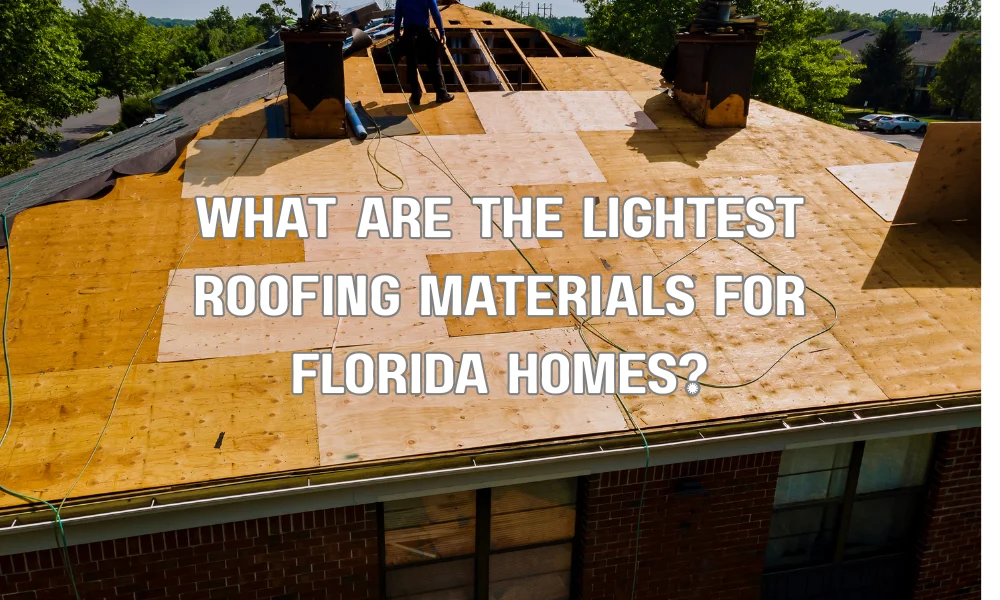
Roof weight is a critical factor for Florida homes primarily due to the state’s susceptibility to hurricanes and the need for robust structural integrity. Lighter roofing materials reduce the overall load on a home’s foundation and framing, making the structure more resilient against high winds and potential storm surge impacts. This reduced load is also beneficial for older homes where the original structure may not have been designed for the heavier roofing options available today, preventing costly structural reinforcements.
Critical Fact 1: Florida Building Code mandates specific wind uplift resistance requirements for all roofing materials, often making lighter, more flexible options advantageous for meeting stringent compliance.
What are the primary threats to roofs in Florida?
The primary threats to roofs in Florida are hurricanes and tropical storms, which bring extreme winds, torrential rain, and potential debris impact. Beyond these severe weather events, prolonged exposure to intense UV radiation from the sun and high humidity levels can accelerate material degradation. Salt air in coastal regions also contributes to corrosion, while constant heat necessitates materials with excellent heat reflective properties to manage indoor temperatures and energy costs effectively.
Leading Lightweight Roofing Materials for Florida
Which lightweight materials offer the best performance in Florida’s climate?
Several lightweight roofing materials are well-suited for Florida’s demanding climate, offering a balance of durability, energy efficiency, and wind resistance. Asphalt shingles remain a popular choice due to their cost-effectiveness and relatively light weight, though their lifespan can be shorter in intense heat. Metal roofing, particularly standing seam or corrugated panels, provides exceptional longevity, superior wind resistance, and excellent heat reflectivity. TPO and PVC membranes are ideal for low-slope or flat roofs, offering watertight seals and impressive thermal performance.
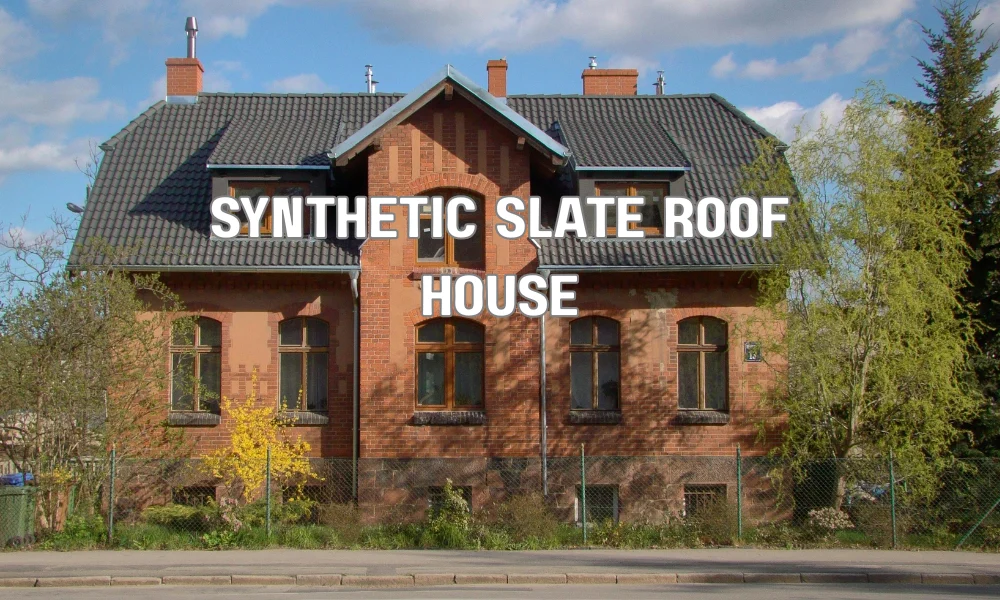
Synthetic roofing materials, engineered from advanced polymers, replicate the look of heavier options like slate or cedar shake but without the structural burden. These synthetics are highly resistant to impact, UV degradation, and moisture, making them an increasingly attractive premium choice for homeowners seeking both aesthetics and performance. Their consistent manufacturing quality ensures predictable long-term performance.
How do asphalt shingles perform in terms of weight and durability?
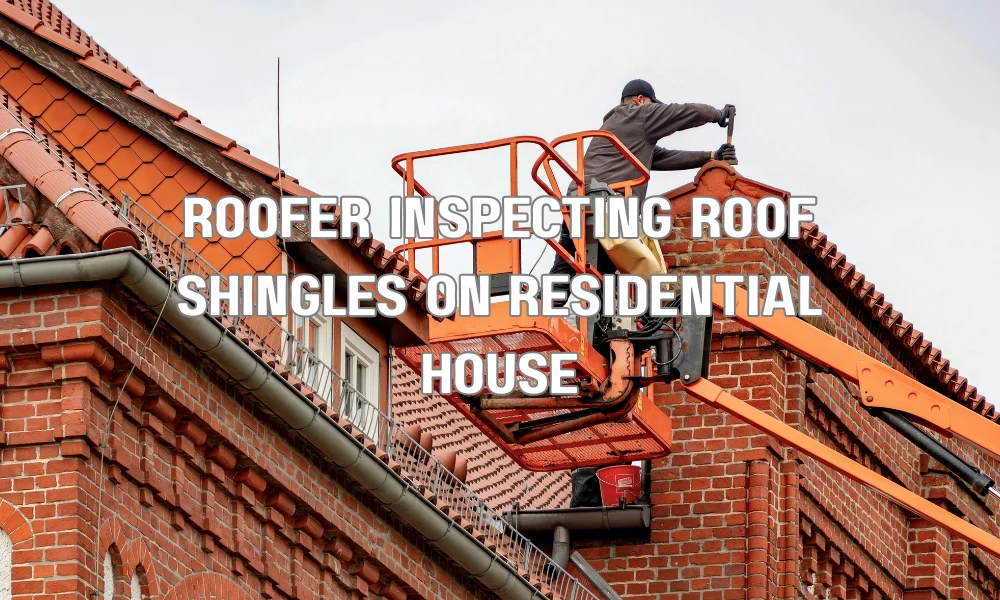
Asphalt shingles are one of the lightest conventional roofing materials, typically weighing between 230 to 350 pounds per square (100 sq ft), or 2.3 to 3.5 lb/sf for architectural styles. This relatively low weight makes them a viable option for many existing structures without requiring extensive structural reinforcement. While more affordable and easier to install, their durability in Florida’s extreme heat and UV exposure can be a concern, with lifespans often ranging from 15 to 25 years compared to their projected 30-year life in milder climates. However, modern asphalt shingles are engineered with stronger mats and impact resistance for better performance.
What are the benefits of metal roofing for Florida homes?
Metal roofing offers significant benefits for Florida homes, making it an excellent lightweight choice. It typically weighs between 0.7 to 1.5 lb/sf, making it considerably lighter than tile or even some asphalt options. Its primary advantages include exceptional durability, with lifespans often exceeding 50 years, and superior wind resistance, with many systems rated to withstand winds up to 150 mph or higher. Furthermore, metal roofs are highly energy-efficient; their reflective surfaces reduce heat absorption, leading to cooler attics and lower air conditioning costs. They are also virtually impervious to fire, rot, and insects, and can be made from recycled materials, contributing to sustainability.
Critical Fact 2: Choosing a metal roof with an ENERGY STAR rating can qualify homeowners for tax credits and utility rebates due to its proven ability to reduce cooling costs by up to 25%.
Are TPO and PVC roofing viable for Florida’s residential properties?
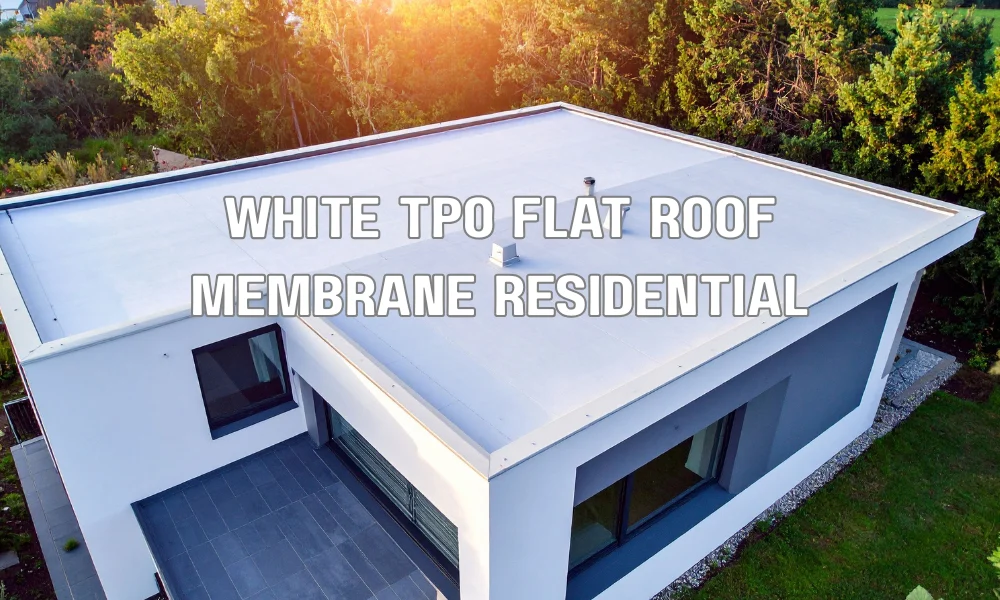
Yes, TPO (Thermoplastic Polyolefin) and PVC (Polyvinyl Chloride) roofing membranes are highly viable for residential properties in Florida, especially for homes with low-slope or flat roof sections, such as porches, garages, or modern architectural designs. These single-ply membranes are incredibly lightweight, often less than 1 lb/sf, and are renowned for their exceptional waterproofing capabilities. Their white surfaces are highly reflective, significantly reducing heat absorption and contributing to a cooler interior, which is crucial in Florida’s climate. They are also highly resistant to UV radiation, chemicals, and punctures, providing a long-lasting, low-maintenance solution.
How do synthetic roofing materials compare in weight and aesthetics?
Synthetic roofing materials excel in offering the aesthetic appeal of traditional, heavy materials like slate, cedar shake, or clay tile but with a dramatically reduced weight. For example, synthetic slate can weigh as little as 1.5-2.5 lb/sf, a fraction of natural slate’s 8-15 lb/sf. This makes them ideal for homes that desire a high-end look without the need for costly structural reinforcement. Beyond their lightness, these polymers are engineered for extreme durability, resisting cracking, fading, impact, and high winds, often backed by warranties of 50 years or more. Their consistent manufacturing also ensures a uniform appearance and performance.
Here’s a comparative overview of common lightweight roofing materials:
| Material Type | Typical Weight (lb/sf) | Lifespan (Years) | Wind Resistance (MPH) | Energy Efficiency | Typical Cost Range (per sq ft installed) |
|---|---|---|---|---|---|
| 3-Tab Asphalt Shingles | 2.3 – 2.5 | 15 – 20 | 60 – 80 | Moderate | $3.00 – $5.00 |
| Architectural Asphalt Shingles | 3.0 – 4.0 | 20 – 30 | 110 – 130 | Moderate | $4.00 – $7.00 |
| Metal (Standing Seam) | 0.7 – 1.5 | 40 – 70+ | 140 – 160+ | High (Reflective) | $8.00 – $15.00 |
| Metal (Corrugated/Panel) | 0.5 – 1.0 | 30 – 50 | 120 – 140 | High (Reflective) | $6.00 – $12.00 |
| TPO/PVC (Single-Ply) | 0.5 – 1.0 | 20 – 30 | 120 – 150+ | Very High (Reflective) | $7.00 – $12.00 |
| Synthetic Slate/Shake | 1.5 – 2.5 | 50+ | 130 – 180+ | Moderate to High | $10.00 – $20.00 |
Choosing the Right Lightweight Roof for Your Florida Home
What factors should homeowners consider beyond weight?
Beyond weight, Florida homeowners must consider several crucial factors when selecting a roofing material. Wind uplift resistance is paramount, with materials needing to meet or exceed Florida Building Code requirements for hurricane zones. Energy efficiency, specifically a material’s ability to reflect solar heat, directly impacts cooling costs. Durability against UV exposure, humidity, and salt spray is essential for longevity. Aesthetic appeal, budget, and the local availability of experienced installers are also important considerations. Finally, always inquire about warranties covering both materials and workmanship.
How do lightweight roofs impact home insurance and resale value?
Lightweight, high-performance roofs, especially those designed for superior wind and impact resistance, can positively impact home insurance premiums in Florida. Many insurance providers offer discounts for roofs that meet specific certifications, such as those resistant to high winds (e.g., FBC approved) or hail. This can lead to significant long-term savings. Furthermore, a new, durable, and energy-efficient roof is a major selling point that enhances a home’s curb appeal and perceived value, contributing positively to its overall resale value.
Critical Fact 3: Many lightweight roofing materials are eligible for the Florida PACE program, allowing homeowners to finance energy-efficient and hurricane-resistant upgrades with no upfront costs, repaid through property taxes.
Frequently Asked Questions
What is the lightest roofing material available?
The absolute lightest roofing materials are typically single-ply membranes like TPO or PVC, weighing less than 1 pound per square foot (lb/sf). These are commonly used for flat or low-slope roofs due to their excellent waterproofing and heat-reflective properties, making them ideal for Florida’s climate.
Do lightweight roofs withstand hurricanes in Florida?
Yes, many lightweight roofs are specifically engineered and tested to withstand hurricane-force winds. Materials like metal roofing and synthetic slate/shake, when properly installed according to Florida Building Codes, can offer superior wind uplift resistance, often rated for 150 mph or more.
Are lightweight roofing materials more expensive?
The cost varies significantly by material type. While some lightweight options like asphalt shingles are very affordable, high-performance metal roofs or synthetic materials can have a higher upfront cost. However, their longevity, energy efficiency, and potential insurance savings often result in lower long-term expenses.
How does a lightweight roof improve energy efficiency?
Lightweight roofs, especially those made from metal or TPO/PVC in light colors, improve energy efficiency by reflecting solar radiation away from the home. This reduces heat absorption in the attic and interior, leading to lower demand on air conditioning systems and significant savings on cooling costs in Florida’s hot climate.
Can I install a lightweight roof over an existing roof?
In some cases, yes. Building codes in Florida generally allow a maximum of two layers of roofing. If your current roof only has one layer and its decking is sound, a lightweight material like asphalt shingles or a metal over-panel system might be installed directly over it, saving on tear-off costs.
What is the typical lifespan of lightweight roofing in Florida?
The lifespan of lightweight roofing in Florida varies widely by material. Asphalt shingles typically last 15-25 years, while TPO/PVC membranes can last 20-30 years. High-quality metal roofs and synthetic materials boast impressive lifespans of 40-70+ years, offering excellent long-term value.
Do lightweight roofs require special maintenance?
Most lightweight roofs require relatively low maintenance. Regular inspections, especially after storms, and clearing gutters of debris are generally sufficient. Metal roofs may benefit from occasional washing, while TPO/PVC surfaces should be kept clean to maintain their reflective properties. Specifics depend on the material.
Where can I find certified installers for lightweight roofing in Florida?
It’s crucial to choose certified and experienced installers familiar with Florida Building Codes. You can find reputable contractors through industry associations (e.g., FRSA – Florida Roofing and Sheet Metal Contractors Association), manufacturer’s websites for approved installers, or local recommendations with verified reviews.
