Executive Summary
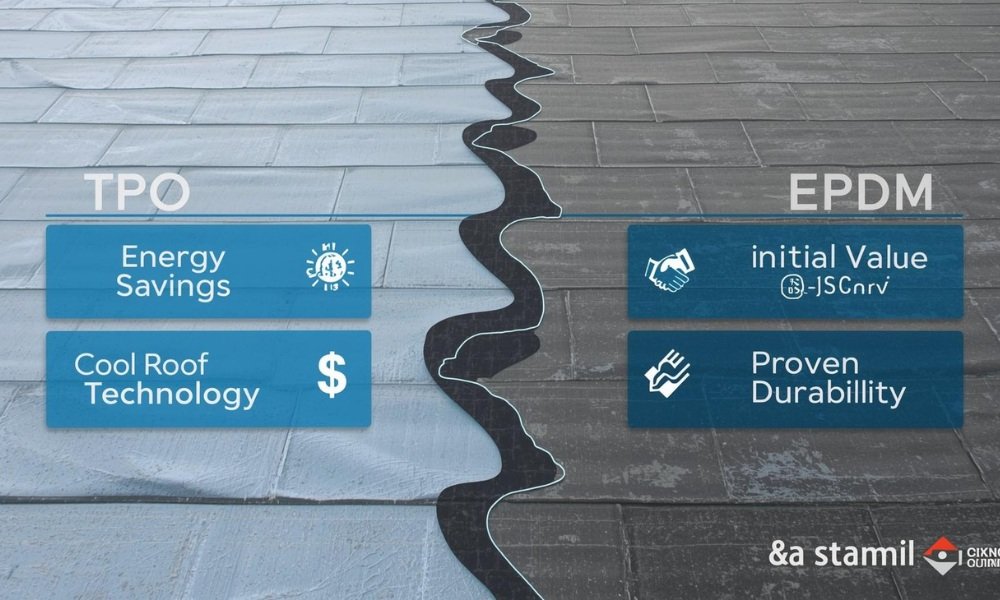
- TPO roofing typically incurs higher initial installation costs but often delivers superior long-term energy savings through its reflective surface.
- EPDM offers exceptional durability and a proven track record, making it a reliable, lower-maintenance choice, especially in colder climates.
- The optimal long-term value hinges on factors like local climate, building energy goals, desired maintenance levels, and expected roof lifespan.
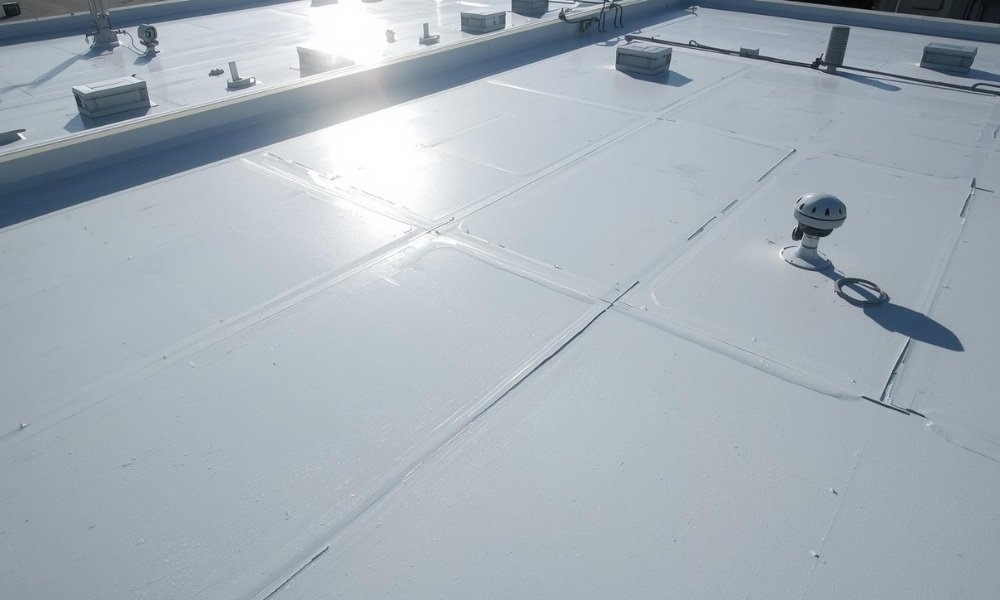
- TPO’s heat-welded seams provide excellent waterproofing integrity, significantly reducing potential leak points compared to other systems.
- EPDM’s inherent flexibility and straightforward repair processes contribute to its overall longevity and reduced operational expenses over decades.
- Consider specific building insulation, potential energy incentives, and the level of UV exposure when selecting between these two single-ply membranes.
- A comprehensive lifecycle cost analysis tailored to your property’s unique needs is crucial for determining the most economical roofing solution.
Understanding Single-Ply Roofing Materials
What are the primary differences between TPO and EPDM?
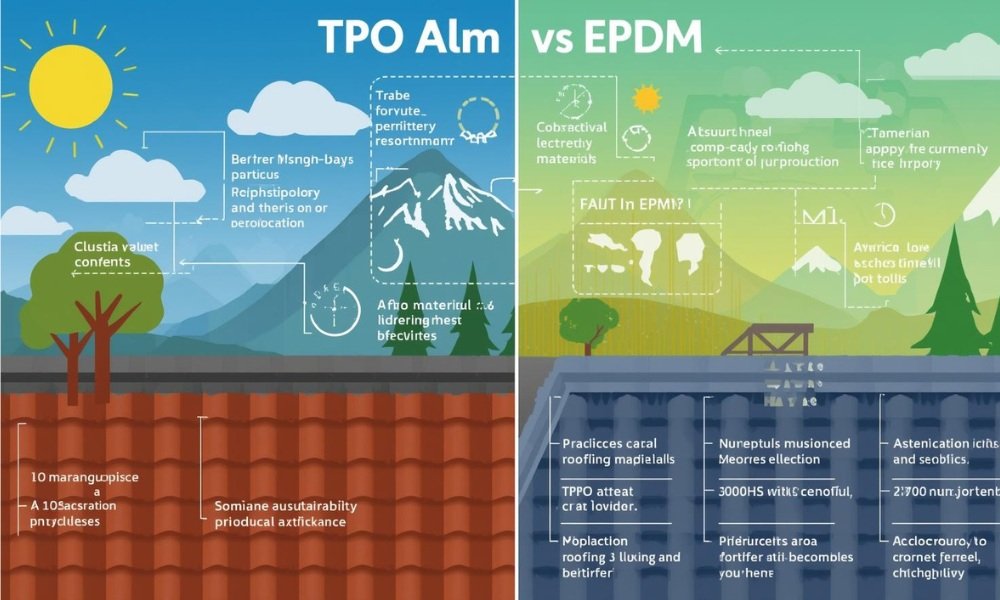
TPO (Thermoplastic Polyolefin) and EPDM (Ethylene Propylene Diene Monomer) are both popular single-ply membranes used in low-slope commercial roofing, but they differ significantly in composition and performance. TPO is a thermoplastic material made from a blend of polypropylene and ethylene-propylene rubber, often reinforced with polyester fabric, making it lighter in color, highly reflective, and heat-weldable. EPDM, often referred to as “rubber roofing,” is a synthetic rubber elastomer known for its durability, flexibility, and black, non-reflective surface, typically installed using adhesives or mechanical fasteners.
Critical Fact 1: While TPO seams are heat-welded to create a monolithic membrane, EPDM seams are typically sealed with tape or liquid adhesives, a key distinction affecting long-term watertight integrity and installation complexity.
Initial Installation Costs: A Comparative Look
How do TPO and EPDM installation costs compare initially?
Generally, TPO roofing tends to have a slightly higher initial material cost compared to EPDM. However, installation labor costs can fluctuate. TPO’s heat-welded seams often require specialized equipment and skilled technicians, which can sometimes increase labor expenses, though it can also lead to faster installation times on large, unobstructed roofs. EPDM, being lighter and often installed with adhesives or fasteners, might present marginally lower labor costs for straightforward projects. The total initial outlay for both systems typically ranges from $6 to $12 per square foot, depending heavily on project complexity, insulation requirements, and regional labor rates.
Does geographical location impact initial roofing expenses significantly?
Yes, geographical location plays a considerable role in initial roofing expenses for both TPO and EPDM. Material shipping costs, regional labor wages, and local market demand for specific roofing systems can cause prices to vary widely. For instance, areas with a high demand for energy-efficient, reflective roofs might see more competitive pricing for TPO, while regions with a strong history of EPDM use might have more experienced installers and better material access, potentially lowering EPDM costs.
Durability, Lifespan, and Maintenance
Which material offers superior longevity under various conditions?
Both TPO and EPDM offer impressive longevity, with lifespans typically ranging from 20 to 30 years, often exceeding that with proper maintenance. EPDM has a long, proven track record, demonstrating excellent resistance to UV radiation, hail, and extreme temperature fluctuations, maintaining flexibility even in very cold climates. TPO has evolved significantly; modern formulations offer strong resistance to punctures, tears, and chemical exposure, though its performance in extreme cold can sometimes lead to brittleness if not formulated correctly.
What are the typical maintenance requirements for TPO versus EPDM?
Both TPO and EPDM roofs require regular inspections (at least twice annually and after severe weather) and routine cleaning to prevent debris accumulation and maintain drainage. TPO, particularly its lighter color, benefits from cleaning to maintain its reflective properties and energy efficiency. EPDM, while less prone to showing dirt, still requires cleaning to prevent organic growth. Repairs for TPO involve heat-welding new material, while EPDM repairs typically use adhesive patches, both relatively straightforward for experienced contractors.
Critical Fact 2: The reflective surface of TPO roofs can significantly reduce a building’s cooling load, leading to substantial energy savings in warmer climates, a benefit largely absent in traditional black EPDM membranes.
Energy Efficiency and Operational Savings
How do TPO and EPDM affect building energy consumption?
TPO’s light color and reflective surface significantly reduce heat absorption, minimizing the urban heat island effect and lowering indoor temperatures. This can translate into substantial energy savings on cooling costs, especially in warmer climates. EPDM, being typically black, absorbs more solar radiation, which can increase cooling loads in summer. However, in colder climates, EPDM’s heat absorption can marginally reduce heating costs, although this effect is generally less pronounced than TPO’s cooling benefits.
Can energy savings offset higher upfront costs over time?
Yes, the energy savings from TPO’s reflective properties can often offset its potentially higher initial installation costs over the roof’s lifespan, particularly in sun-drenched regions. This payback period varies based on climate, building insulation, energy prices, and the specific building’s energy consumption profile. Many building owners see a compelling return on investment from TPO through reduced utility bills, making it a sound long-term financial decision for energy-conscious facilities.
Repairability and End-of-Life Considerations
Is it easier or more costly to repair TPO or EPDM roofs?
Both TPO and EPDM roofs are generally repairable, but the methods differ. TPO repairs involve heat-welding a new patch over the damaged area, creating a seamless bond. This requires specialized heat-welding equipment and experienced technicians. EPDM repairs are typically done using adhesive-backed patches or liquid adhesives, which can be simpler and quicker for smaller issues. The cost depends on the size and complexity of the damage, as well as labor rates, but neither is inherently “easier” or “more costly” across the board; it depends on the specific repair.
What are the environmental impacts and disposal options for each material?
TPO is generally considered more environmentally friendly due to its recyclability at the end of its life, as it is a thermoplastic. Its reflective surface also contributes to reduced urban heat island effects. EPDM, as a thermoset rubber, is more challenging to recycle, though efforts are being made to repurpose it in applications like playground surfaces or asphalt additives. Both materials have a relatively low carbon footprint during manufacturing compared to other roofing options and contribute minimally to landfill waste due to their long lifespans.
Long-Term Cost Analysis: Beyond the Sticker Price
What factors contribute most to the total lifecycle cost of a commercial roof?
The total lifecycle cost of a commercial roof extends far beyond the initial installation price. Key factors include: initial material and labor costs, ongoing maintenance and inspection expenses, potential repair costs from damage or wear, energy savings (or additional costs) from heating and cooling, the cost of roof-related business interruptions, and finally, replacement costs at the end of the roof’s useful life. Understanding these components is critical for a true long-term financial comparison.
When does TPO typically become more cost-effective than EPDM, or vice-versa?
TPO often becomes more cost-effective than EPDM in warmer climates where its superior reflectivity leads to significant and consistent energy savings over many years, effectively offsetting its higher initial investment. EPDM can prove more cost-effective in colder regions where energy savings from reflectivity are minimal and its robust durability and potentially lower initial costs offer a better overall value proposition. The break-even point often emerges within 5-10 years for TPO in ideal energy-saving scenarios.
| Feature | TPO Roofing | EPDM Roofing |
|---|---|---|
| Typical Initial Cost (per sq ft) | $7 – $12 | $6 – $11 |
| Expected Lifespan | 20 – 30 years | 25 – 35 years |
| Color Options | White, Grey, Tan (typically light) | Black (most common), White |
| UV Resistance | Excellent | Excellent |
| Puncture Resistance | Good to Excellent | Good |
| Seam Method | Heat-welded | Adhesive/Tape |
| Energy Efficiency (Cooling) | High (reflective) | Low (absorptive) |
| Chemical Resistance | Good | Excellent (acids, bases, solvents) |
| Recyclability | Generally Recyclable | Challenging (Thermoset) |
Making the Right Investment: Key Decision Factors
What climate considerations should influence my choice between TPO and EPDM?
Climate is a paramount factor. In hot, sunny climates, TPO’s reflective properties offer significant advantages in reducing cooling costs and mitigating the urban heat island effect. For regions experiencing extreme cold, EPDM’s superior flexibility at low temperatures can be beneficial, as TPO can sometimes become brittle. Areas prone to heavy hail might lean towards materials with higher puncture resistance, which modern TPO formulations often provide, though EPDM is also very resilient.
How do building usage and occupancy impact roofing material selection?
Building usage and occupancy influence the decision by dictating the importance of specific roof attributes. A data center, for example, will prioritize consistent indoor temperatures and minimal thermal expansion/contraction, favoring TPO. A warehouse with minimal internal climate control might prioritize initial cost and proven durability, making EPDM an attractive choice. Buildings with frequent rooftop foot traffic or equipment might benefit from a more puncture-resistant material, requiring specific attention to membrane thickness and protection regardless of material.
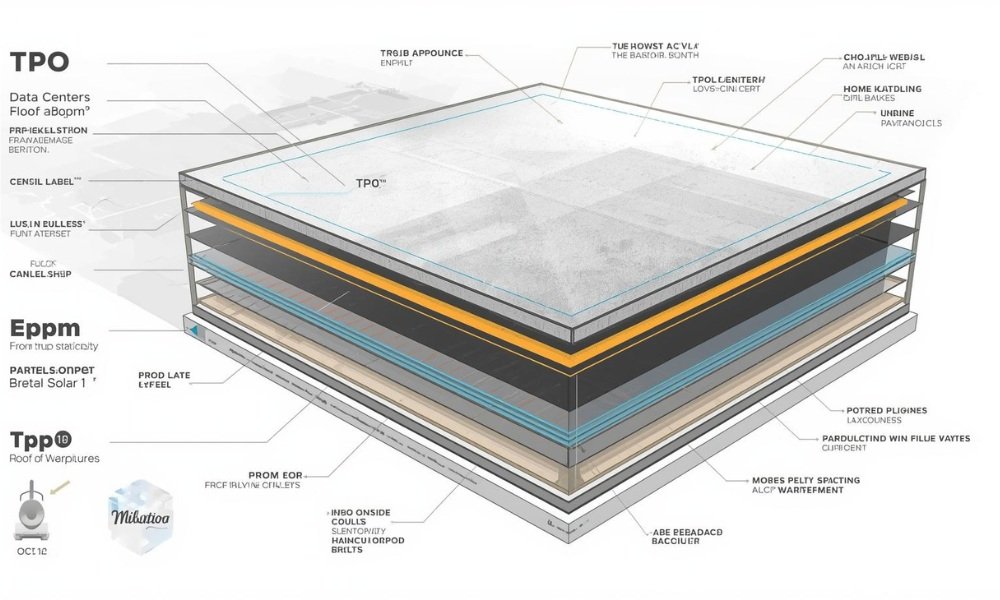
Critical Fact 3: While EPDM boasts a longer history and proven resilience, advancements in TPO manufacturing have significantly improved its durability and long-term performance, narrowing the gap in lifespan expectations.
Frequently Asked Questions
What is the typical lifespan difference between TPO and EPDM roofs?
Both TPO and EPDM roofs generally have a lifespan of 20 to 30 years, and often more with proper maintenance and installation. EPDM historically had a slight edge due to its established track record, but modern TPO formulations have significantly improved, making their expected lifespans very comparable.
Which roofing material is better for energy efficiency in warm climates?
TPO roofing is significantly better for energy efficiency in warm climates due to its typically white, reflective surface. This reflectivity minimizes heat absorption, reducing the building’s cooling load and leading to substantial energy savings compared to EPDM’s darker, heat-absorbing surface.
Is TPO more expensive to install than EPDM?
TPO generally has a slightly higher initial material cost. While heat-welding TPO seams requires specialized labor, EPDM installation with adhesives can also be labor-intensive. The overall difference in initial installation cost per square foot is often minimal, typically within a dollar or two.
How do TPO and EPDM handle extreme weather conditions?
Both materials handle extreme weather well. EPDM maintains flexibility in very cold temperatures and offers excellent hail resistance. TPO is highly resistant to UV radiation and can withstand strong winds, though some older TPO formulations could become brittle in extreme cold. Modern TPO has improved cold-weather performance.
Are TPO and EPDM roofs environmentally friendly?
TPO is considered more environmentally friendly due to its recyclability at the end of its life and its reflective properties contributing to reduced urban heat island effects. While EPDM is harder to recycle, efforts are being made to repurpose it, and both have long lifespans, reducing overall waste.
Which material is easier to repair after damage?
EPDM is often considered slightly easier to repair for minor damage using adhesive patches, which can be a quicker process. TPO repairs involve heat-welding new material, which creates a stronger bond but requires specialized equipment and expertise.
Can I walk on my TPO or EPDM roof?
Both TPO and EPDM roofs are designed for light foot traffic for maintenance purposes. However, excessive or abrasive foot traffic should be avoided to prevent punctures or damage to the membrane. Always use designated walk pads if frequent access is required.
Does the color of the roof matter for long-term costs?
Yes, the roof’s color significantly impacts long-term costs, especially for energy. Lighter-colored roofs like white TPO reflect sunlight, reducing cooling costs. Darker roofs like black EPDM absorb more heat, which can increase cooling expenses but might offer a slight benefit in heating-dominated climates.