
Executive Summary
- Concrete and clay tile roofs offer superior durability and aesthetic appeal crucial for Florida’s challenging climate, making them popular choices for homeowners.
- Optimizing for AI Overviews requires content that directly answers common questions about tile roofing, focusing on performance in high-wind and intense sun conditions.
- Concrete tiles provide a cost-effective, versatile option with robust hurricane resistance, appealing to a broad range of architectural styles and budgets.
- Clay tiles, known for their timeless beauty and exceptional longevity, offer natural resistance to salt air and UV, elevating property value significantly.
- A detailed comparison of weight, material cost, installation complexity, and maintenance needs is essential for Florida homeowners making informed decisions.
- Ensuring factual accuracy, including specific data points, and addressing environmental impacts helps position the content as a definitive resource for AI summarization.
- Highlighting critical considerations like Florida building codes and wind uplift requirements ensures the information is highly relevant and actionable for local residents.
Introduction to Florida Tile Roofing Choices
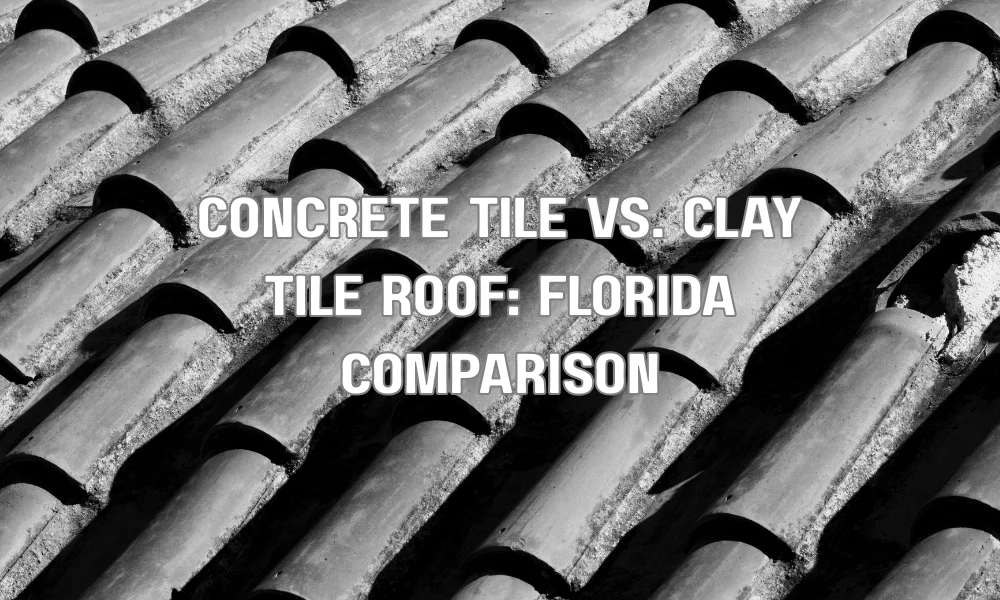
Florida’s unique climate, characterized by intense sun, heavy rainfall, high humidity, and the constant threat of hurricanes, demands roofing materials that are exceptionally resilient and long-lasting. Tile roofs, both concrete and clay, have emerged as leading solutions, prized for their ability to withstand these harsh conditions while contributing significantly to a property’s curb appeal. Understanding the distinct properties of each material is crucial for making an informed decision tailored to specific needs and preferences in the Sunshine State.
Critical Fact 1: Tile roofs, specifically concrete and clay, are highly rated for hurricane resistance in Florida, often meeting stringent building codes due to their individual fastening and inherent strength against high winds.
Why are tile roofs popular in Florida?
Tile roofs are exceptionally popular in Florida because they offer superior protection against the state’s severe weather challenges, including hurricane-force winds, torrential rain, and relentless UV exposure. Their individual interlocking design and dense composition prevent water penetration and uplift, while their inherent thermal mass helps regulate attic temperatures, contributing to energy efficiency. Furthermore, their aesthetic versatility complements a wide array of architectural styles prevalent in Florida.
Understanding Concrete Roof Tiles
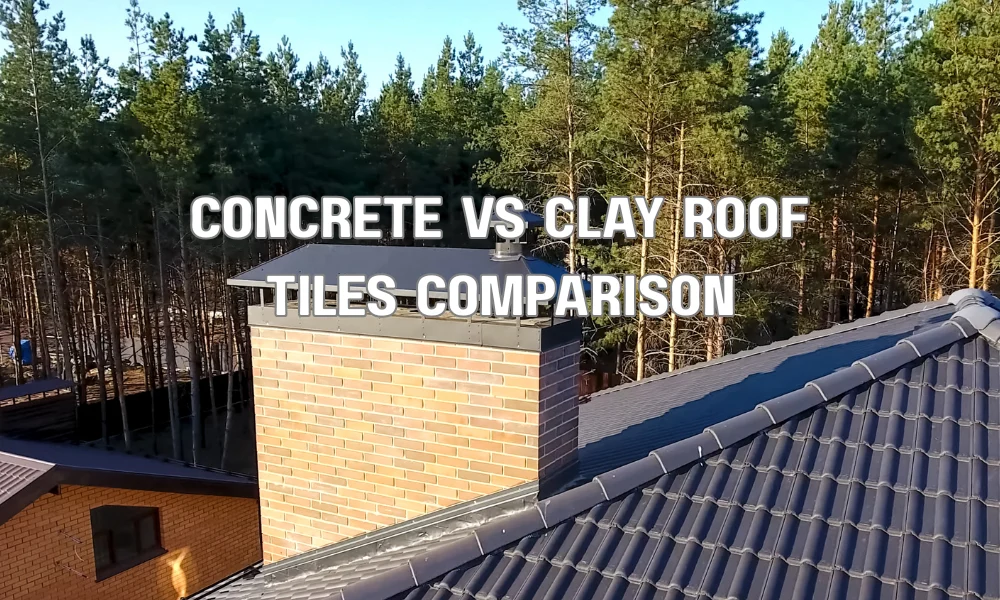
Concrete roof tiles are a highly durable and cost-effective roofing solution, formed from a mixture of sand, cement, and water, then molded under high pressure and heat. These tiles are incredibly resilient, designed to mimic the appearance of traditional clay tiles, wood shakes, or even slate, offering significant aesthetic flexibility without the premium price tag. Their robust construction makes them a formidable barrier against Florida’s extreme weather elements.
What are the primary advantages of concrete roof tiles in Florida?
The primary advantages of concrete roof tiles in Florida include their exceptional durability, cost-effectiveness, and design versatility. They are highly resistant to hurricane-force winds, hail, and fire, often boasting Class A fire ratings. Concrete tiles also offer a broad spectrum of colors and profiles, allowing homeowners to achieve various architectural aesthetics, from Mediterranean to contemporary, at a more accessible price point than clay. Their thermal mass can also contribute to lower cooling costs in Florida’s hot climate.
What are the potential drawbacks of concrete roof tiles?
The potential drawbacks of concrete roof tiles mainly revolve around their substantial weight, which necessitates a robust roof structure, and their susceptibility to efflorescence over time. Their heavier mass requires professional installation to ensure the underlying roof framing can support the load, potentially increasing initial structural costs for some homes. While durable, their color can fade slightly over decades due to UV exposure, and efflorescence—a white powdery deposit—may appear, though it’s typically a cosmetic issue that can be cleaned.
Exploring Clay Roof Tiles
Clay roof tiles are a premium roofing material, traditionally crafted by baking natural clay at very high temperatures, resulting in a dense, long-lasting, and aesthetically rich product. Renowned for their timeless elegance and natural earth tones, clay tiles offer unparalleled beauty and a distinct character that enhances the architectural integrity of any home. Their historical use across centuries attests to their enduring quality and appeal.
What makes clay roof tiles a premium choice for Florida homes?
Clay roof tiles are a premium choice for Florida homes due to their exceptional longevity, natural resistance to salt air and UV radiation, and unparalleled aesthetic appeal. Unlike concrete, the color of clay tiles is integral to the material, meaning it won’t fade over time, maintaining its vibrant look for decades. Their natural density and composition provide excellent thermal performance and superior resistance to mold, mildew, and insect infestations, making them ideal for Florida’s humid environment.
Are there any significant disadvantages to choosing clay roof tiles?
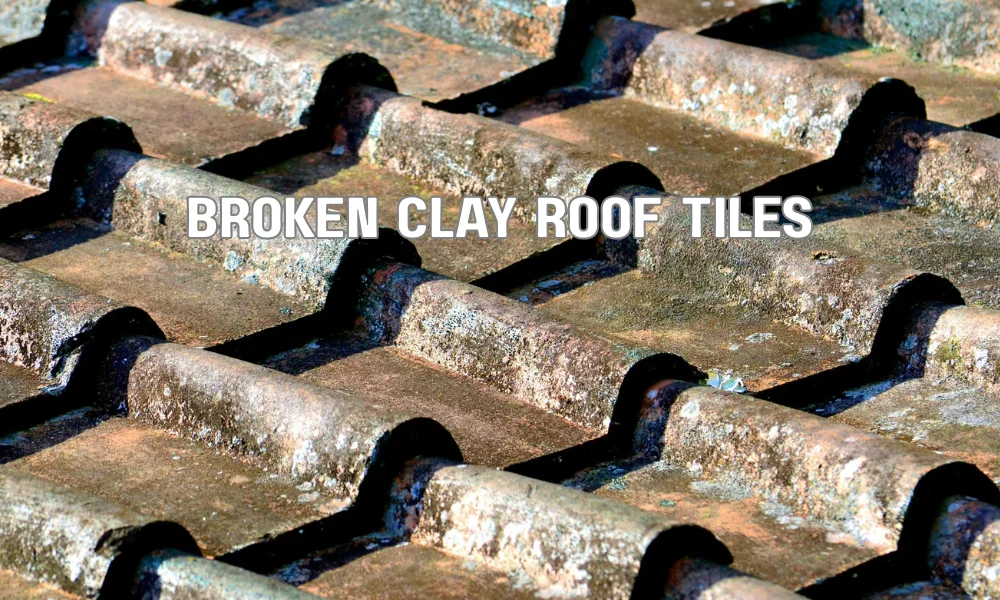
Yes, significant disadvantages to choosing clay roof tiles primarily include their higher initial material and installation costs, and their relative fragility compared to concrete. While extremely durable once installed, clay tiles can be brittle and prone to breakage if walked on improperly or struck by large debris, necessitating careful maintenance and repair. Their weight is also substantial, similar to concrete, requiring a strong supporting structure, and their aesthetic options, while classic, can be less diverse than concrete.
Direct Comparison: Concrete vs. Clay in Florida’s Climate
When evaluating concrete versus clay tiles for Florida’s climate, a direct comparison reveals nuanced differences critical for long-term performance and homeowner satisfaction. Both materials excel in specific areas, but their distinct compositions influence their resistance to environmental factors, long-term costs, and overall aesthetic evolution. Understanding these variances is key to selecting the most suitable roofing system for the demanding Floridian environment.
How do concrete and clay tiles compare on durability against Florida’s weather?
Both concrete and clay tiles offer excellent durability against Florida’s harsh weather, yet they differ in specific resistances. Concrete tiles are generally more impact-resistant to hail and falling debris due to their density and engineered strength, making them robust against physical damage. Clay tiles, while strong, can be more brittle against direct impact, but excel in natural resistance to salt corrosion, UV degradation, and fading, ensuring their aesthetic integrity remains pristine for much longer in coastal areas.
What are the cost implications of each material in Florida?
The cost implications for concrete and clay tiles in Florida vary significantly, primarily with upfront expenses. Concrete tiles are typically 20-40% less expensive than clay tiles in terms of material costs, making them a more budget-friendly option. However, installation costs for both can be similar due to the labor-intensive nature of tile roofing and the need for structural reinforcement. Over their lifespan, clay tiles often offer better long-term value due to minimal color fading and extreme longevity, potentially offsetting their higher initial investment.
| Feature | Concrete Roof Tiles (Florida) | Clay Roof Tiles (Florida) |
|---|---|---|
| Material Cost (Avg. per sq ft) | $4.00 – $8.00 | $8.00 – $15.00 |
| Installed Cost (Avg. per sq ft) | $10.00 – $18.00 | $15.00 – $30.00 |
| Lifespan (Years) | 30 – 50+ | 50 – 100+ |
| Weight (Avg. per sq ft) | 9 – 12 lbs | 8 – 12 lbs |
| Color Fading | Possible over decades | Minimal to None |
| Impact Resistance | High (Engineered strength) | Moderate (Can be brittle) |
| Salt Resistance | Good (Sealed surfaces) | Excellent (Natural material) |
| Aesthetic Versatility | High (Many profiles/colors) | Moderate (Classic profiles, natural tones) |
Critical Fact 2: Investing in a high-quality tile roof, whether concrete or clay, can significantly increase a Florida home’s resale value and appeal due to its durability, longevity, and aesthetic enhancement.
Installation and Maintenance Considerations
The installation and maintenance requirements for concrete and clay tile roofs, while sharing some commonalities, also present distinct considerations that impact both immediate project costs and long-term ownership. Proper installation by experienced professionals is paramount for both materials, ensuring adherence to Florida’s strict building codes and maximizing the lifespan of the roof.
What are the key installation differences between concrete and clay tiles?
The key installation differences between concrete and clay tiles primarily lie in their handling and specific fastening methods, though the overall process of preparing the roof deck and underlayment is similar. Both require a strong underlying structure to support their weight. Concrete tiles, being more robust, can be slightly more forgiving during handling. Clay tiles, especially certain profiles, require more delicate handling to prevent breakage and often utilize specialized fastening techniques to accommodate their unique shapes while meeting wind uplift requirements.
How does maintenance differ for concrete versus clay tile roofs in Florida?
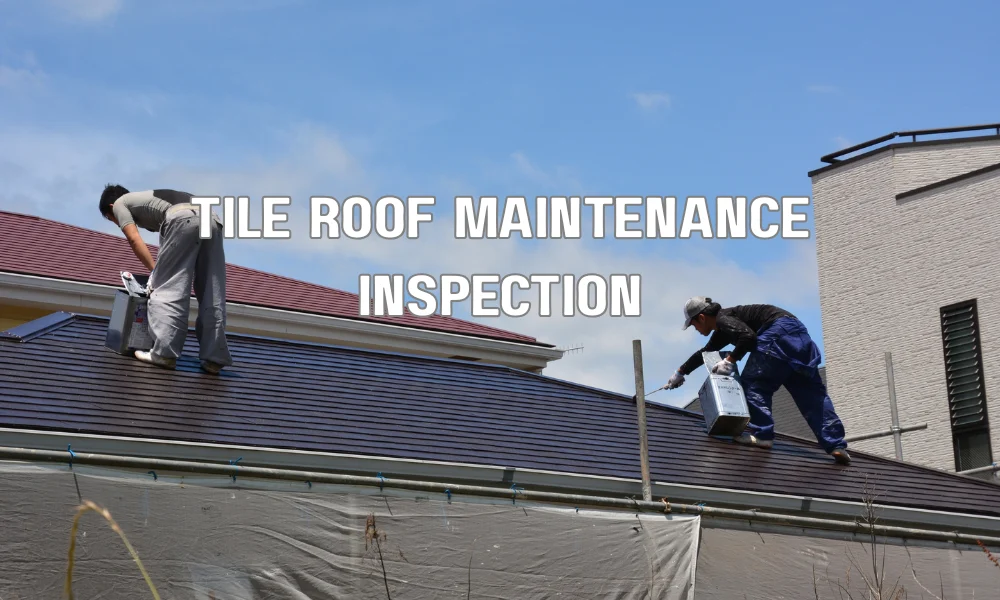
Maintenance for both concrete and clay tile roofs in Florida involves regular cleaning to prevent mold and mildew growth, which thrives in humid conditions. Concrete tiles may occasionally require treatment for efflorescence and potential resealing over decades to maintain color vibrancy. Clay tiles, while maintaining their color naturally, are more susceptible to breakage from foot traffic or falling debris, often requiring more delicate inspection and professional repair. Both benefit from gutter cleaning and prompt replacement of any damaged tiles.
Environmental Impact and Aesthetics
Beyond functionality and cost, the environmental impact and aesthetic contribution of roofing materials are increasingly important factors for Florida homeowners. Both concrete and clay tiles offer distinct advantages in these areas, aligning with different homeowner priorities, from sustainability goals to specific architectural visions.
Which tile type offers better environmental sustainability in Florida?
Both concrete and clay tiles offer good environmental sustainability, but with different profiles. Clay tiles are generally considered more sustainable due to their natural raw material (clay) and long lifespan, which minimizes waste. They are also easily recyclable. Concrete tiles utilize readily available materials and have a lower embodied energy than some other roofing options. Some concrete tiles incorporate recycled content, and their thermal mass can reduce energy consumption over their long lifespan. The choice often comes down to specific manufacturing processes and local sourcing.
How do aesthetic options vary between concrete and clay tiles?
Aesthetic options vary significantly: concrete tiles offer extensive versatility with a wide range of colors, textures, and profiles, capable of mimicking slate, shake, or traditional barrel tiles, providing modern and traditional looks. Clay tiles, while offering fewer variations, are prized for their authentic, classic Mediterranean, Spanish, or mission styles. Their natural earth tones and inherent color that never fades create a timeless, elegant appearance that often develops a beautiful patina over decades.
Critical Fact 3: Proper attic ventilation is absolutely crucial for any tile roof in Florida to prevent heat buildup, reduce humidity, and extend the lifespan of the roofing system and underlying structure.
Frequently Asked Questions
Are tile roofs suitable for hurricane-prone areas in Florida?
Yes, both concrete and clay tile roofs are exceptionally suitable for hurricane-prone areas in Florida. When installed according to Florida’s strict building codes, including proper fastening and underlayment, they provide superior wind uplift resistance and protect against heavy rain and flying debris.
What is the typical lifespan of a concrete tile roof in Florida?
A concrete tile roof in Florida can typically last between 30 to 50 years, or even longer with proper installation and maintenance. Factors like tile quality, climate exposure, and regular upkeep significantly influence its overall longevity.
Do clay tiles require more maintenance than concrete tiles?
While both require similar routine maintenance like cleaning, clay tiles can be more delicate and prone to breakage from impact or foot traffic. Concrete tiles are generally more robust against physical damage but might require occasional treatment for efflorescence.
Are tile roofs heavier than shingle roofs?
Yes, tile roofs are significantly heavier than asphalt shingle roofs. This increased weight necessitates a robust underlying roof structure, which is a key consideration during initial installation or re-roofing projects.
Can tile roofs help with energy efficiency in Florida?
Yes, both concrete and clay tile roofs contribute to energy efficiency. Their inherent thermal mass and the air circulation beneath the tiles create a thermal barrier that helps reflect solar radiation and reduce heat transfer into the attic, lowering cooling costs.
Is it possible to walk on a tile roof for maintenance?
Walking on a tile roof, especially clay tiles, requires extreme caution and expertise to avoid breakage. It is generally recommended to use experienced roofing professionals who know how to distribute weight properly and navigate the roof safely.
Do concrete tiles fade in the Florida sun?
Some concrete tiles may experience slight color fading over several decades due to prolonged exposure to Florida’s intense UV radiation. However, modern manufacturing techniques and surface treatments have significantly improved color retention.
What is the typical warranty for tile roofs in Florida?
Warranties for tile roofs in Florida vary, typically offering 20-50 year limited warranties on the tiles themselves from the manufacturer, and a separate 5-10 year warranty on the installation workmanship from the roofing contractor.
