
Executive Summary
- Spray Polyurethane Foam (SPF) roofing offers superior energy efficiency, creating a seamless, insulating barrier that significantly reduces utility costs in Florida’s demanding climate.
- Its monolithic application bonds directly to existing structures, providing exceptional resistance against Florida’s high winds, torrential rains, and hurricane impacts, enhancing building integrity.
- SPF roofing boasts an impressive lifespan of 30-50 years with proper maintenance, making it a long-term, cost-effective solution compared to many traditional roofing materials.
- The high R-value of SPF delivers unparalleled thermal performance, keeping interiors cooler and stable, directly translating into tangible energy savings for homeowners and businesses alike.
- Its lightweight nature and ease of application minimize structural stress and disruption during installation, often allowing for direct application over existing roofs without tear-off.
- Regular recoating with an elastomeric topcoat extends SPF’s life and maintains its reflective properties, crucial for deflecting solar heat and maximizing energy savings in sunny Florida.
Understanding SPF Roofing: A Resilient Choice for Florida
Spray Polyurethane Foam (SPF) roofing is a liquid-applied system forming a seamless, monolithic, and fully adhered layer over existing or new roof decks. It’s mixed on-site, expanding instantly into a solid foam, then coated with an elastomeric topcoat (acrylic or silicone) for UV protection and weatherproofing. This creates a highly insulating, durable, and fully waterproof membrane.
Critical Fact: SPF roofing systems boast an exceptional R-value of R-6.5 to R-7 per inch, making them one of the most energy-efficient roofing materials available, significantly outperforming traditional options in thermal resistance.
What exactly is SPF roofing?
SPF roofing is a high-performance, spray-applied system combining a closed-cell polyurethane foam base and a protective elastomeric topcoat. The foam provides superb insulation and a seamless waterproof membrane, while the topcoat shields it from UV radiation and physical damage, creating a robust, long-lasting, and highly energy-efficient solution.
Why is SPF roofing particularly suited for Florida’s climate?
SPF roofing is ideal for Florida due to its seamless application, eliminating leak points crucial for heavy rainfall. Its high R-value provides superior thermal resistance against intense solar heat, dramatically lowering cooling costs. Strong adhesion and flexibility offer remarkable resilience against hurricane-force winds and impacts, effectively protecting structures from severe weather.
Key Advantages of SPF Roofing in the Sunshine State
Choosing a roofing system in Florida demands high energy efficiency, storm resilience, and longevity. SPF roofing excels in these areas, offering significant benefits tailored to the state’s unique environmental challenges, ensuring long-term protection and savings.
How does SPF roofing contribute to energy efficiency?
SPF roofing significantly enhances energy efficiency by forming a continuous, insulated barrier across the entire roof, eliminating thermal bridging. This prevents heat gain and loss, vital for Florida’s climate. Its high R-value and reflective topcoat actively reduce attic temperatures and HVAC loads, leading to substantial reductions in energy consumption and utility bills for properties.
What makes SPF roofing resistant to hurricanes and severe weather?
SPF roofing offers exceptional hurricane and severe weather resistance through its strong adhesion and monolithic structure. It bonds firmly to the substrate, preventing wind uplift common with mechanically fastened systems. Its seamless surface blocks water intrusion during torrential downpours, while flexibility withstands minor building movements without cracking, providing superior protection.
What is the expected lifespan and maintenance of an SPF roof?
Properly installed and maintained, an SPF roof can last 30 to 50 years or longer. Its extended lifespan relies on periodic recoating of the elastomeric topcoat, typically every 10-15 years. This renews UV protection and waterproofing, restoring performance without requiring a complete tear-off, making maintenance cost-effective and straightforward.
Critical Fact: SPF roofing systems are recognized for their sustainable properties, including their ability to be re-coated rather than replaced, significantly reducing landfill waste and minimizing the environmental footprint over the building’s lifecycle.
Installation, Cost, and Return on Investment
Understanding SPF roofing’s installation, costs, and ROI is crucial. While initial investment might exceed some traditional options, long-term savings and benefits often significantly outweigh upfront expenses, especially given Florida’s climate demands.
How is SPF roofing installed?
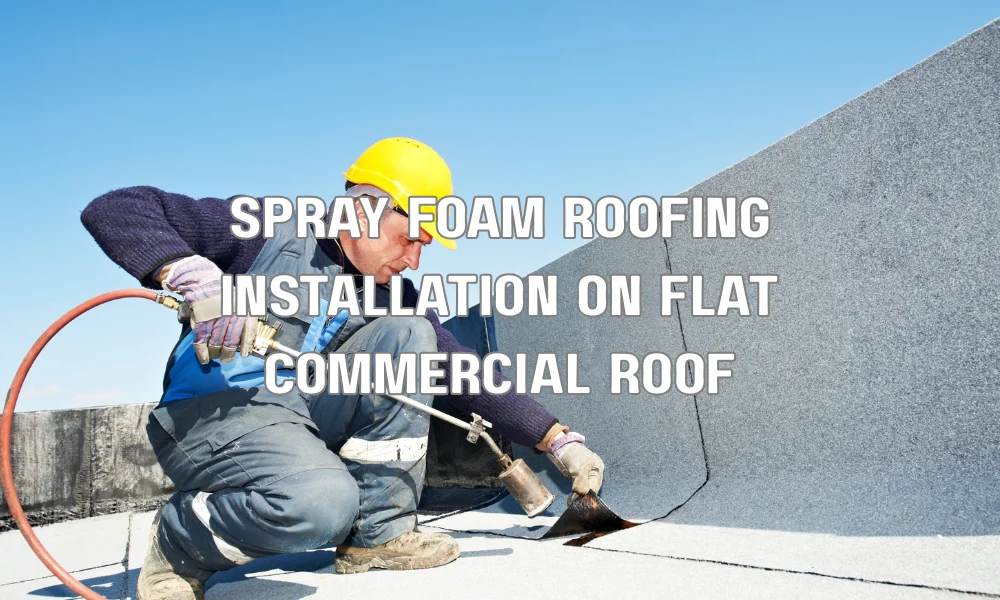
SPF roofing installation begins with thorough surface preparation: cleaning, drying, and repairing the existing roof. The foam’s two liquid components are then mixed and sprayed directly onto the roof, rapidly expanding and curing into a solid, seamless layer. After achieving desired thickness, a protective elastomeric coating (acrylic or silicone) is applied for UV and waterproofing. This process is often less disruptive and quicker than traditional tear-offs.
What is the typical cost of SPF roofing in Florida compared to other options?
SPF roofing in Florida typically costs $6.00 to $12.00 per square foot, including materials and installation. While competitive, its long-term value often surpasses alternatives due to significant energy savings, reduced maintenance, and an extended lifespan via recoating. Considering superior insulation and durability, the overall lifecycle cost offers a strong return on investment over decades.
| Roofing Type | Avg. Initial Cost/Sq Ft (FL) | Estimated Lifespan | Avg. R-Value (per inch) | Hurricane Resistance |
|---|---|---|---|---|
| SPF Roofing | $6.00 – $12.00 | 30-50+ years | R-6.5 to R-7.0 | Excellent (seamless, high adhesion) |
| Asphalt Shingles | $4.00 – $7.00 | 15-30 years | R-0.7 to R-1.0 | Moderate (prone to uplift) |
| Metal Roofing | $8.00 – $15.00 | 40-70 years | R-0.6 to R-1.5 | Good (can dent, potential for panel separation) |
| TPO/PVC Membrane | $6.50 – $10.00 | 20-30 years | R-0.3 to R-0.6 (membrane only) | Good (seam integrity is key) |
Environmental Impact and Considerations
Beyond performance, SPF roofing offers environmental advantages aligning with sustainability goals. Its attributes contribute to a greener building footprint, particularly relevant for Florida’s eco-conscious initiatives and long-term environmental protection.
Is SPF roofing an environmentally friendly option?
Yes, SPF roofing is environmentally friendly. Its exceptional insulating properties drastically reduce energy consumption and greenhouse gas emissions. The ability to recoat rather than replace minimizes landfill waste. Many modern SPF formulations use recycled content and zero-ozone-depleting blowing agents, enhancing their environmental profile and reducing raw material consumption.
What are the critical considerations before installing SPF in Florida?
Before installing SPF in Florida, ensure your contractor is experienced and certified. Verify the existing roof deck’s suitability. Confirm the specified topcoat is highly reflective and UV-resistant, vital for Florida’s intense sun. Also, understand local building codes and permit requirements, especially for wind uplift, to ensure full compliance and optimal system performance.
Critical Fact: SPF roofing can often be installed directly over existing roof systems, eliminating the costly and labor-intensive tear-off process, which significantly reduces construction waste sent to landfills and minimizes disruption.
Frequently Asked Questions
Is SPF roofing suitable for residential homes in Florida?
Yes, SPF roofing is increasingly popular for residential homes in Florida, particularly for flat or low-slope roofs. Its energy efficiency, seamless waterproofing, and hurricane resistance make it an excellent choice for protecting homes from Florida’s unique climate challenges while reducing energy bills.
How long does SPF roofing take to install?
The installation time for SPF roofing varies by roof size and complexity, but it is generally quicker than many traditional systems. A typical commercial or large residential roof can often be completed in a matter of days to a week, especially since tear-off is frequently avoided.
Can SPF roofing be repaired if damaged?
Yes, one of the significant advantages of SPF roofing is its ease of repair. Small punctures or damage can be quickly and seamlessly patched with new foam and coating, restoring the roof’s integrity without compromising its performance or aesthetic.
Does SPF roofing require special cleaning?
SPF roofing typically requires minimal cleaning. Occasional removal of debris and leaves, especially from drainage areas, is recommended. Pressure washing with a mild detergent can be used if needed, but harsh chemicals or abrasive brushes should be avoided to protect the topcoat.
What colors are available for the SPF topcoat?
While white and light colors are most common for their reflective properties and energy efficiency benefits, SPF topcoats are available in various colors. These coatings can be tinted to match aesthetic preferences, though lighter colors are highly recommended for optimal solar reflectivity in Florida.
Is SPF roofing noisy during heavy rain?
No, quite the opposite. The dense, insulating properties of SPF foam significantly dampen external noise, including heavy rain and hail. This acoustic benefit contributes to a quieter interior environment, a welcome advantage during Florida’s frequent downpours.
What permits are needed for SPF roof installation in Florida?
Permit requirements for SPF roof installation in Florida typically depend on your specific county and city regulations. Generally, a roofing permit is required for any roof replacement or significant alteration. It’s crucial to consult with your local building department or an experienced contractor to ensure all necessary permits are obtained before starting work.
Will an SPF roof add significant weight to my structure?
No, SPF roofing is surprisingly lightweight. A typical SPF system adds only about 1 pound per square foot, significantly less than many traditional roofing materials. This low weight minimizes structural stress and often allows for application over existing roofs without needing structural reinforcement.
