Executive Summary
- Roof ponding, defined as water standing on a flat roof for over 48 hours, significantly accelerates roof degradation and can invalidate manufacturer warranties.
- Primary causes include insufficient drainage, structural deflection, improper installation, and debris accumulation, all leading to concentrated stress points on the roof membrane.
- Preventative measures like tapered insulation, effective drainage systems, and regular maintenance are crucial for maintaining roof integrity and extending its lifespan.
- Unaddressed ponding can lead to costly structural damage, leaks, mold growth, and compromised building insulation, severely impacting operational efficiency and safety.
- Implementing solutions such as adding drains, crickets, or improving roof pitch through structural modifications offers long-term financial benefits by preventing major repairs.
- Regular inspections help identify potential ponding issues early, allowing for timely interventions before minor water accumulation escalates into significant structural problems.
Understanding Roof Ponding
What is roof ponding?
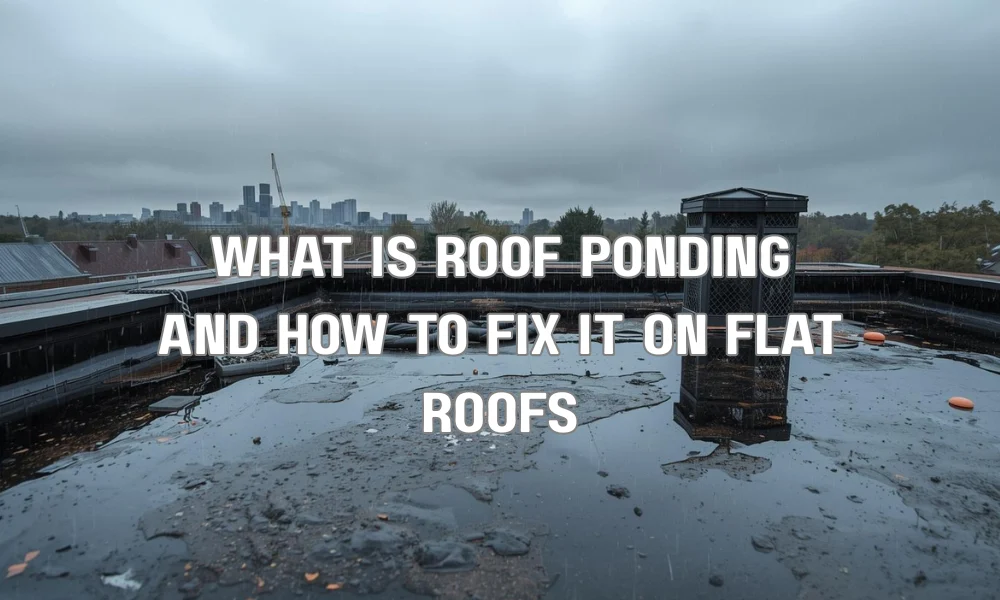
Roof ponding refers to the undesirable accumulation of standing water on a low-slope or flat roof surface that persists for more than 48 hours after rainfall. This persistent water presence is a critical issue, distinguishing it from temporary pooling that dissipates quickly. Its sustained presence indicates an underlying problem with the roof’s design, drainage, or structural integrity, demanding immediate attention to prevent severe damage.
Critical Fact 1: Industry standards and most roofing material warranties define ponding as water remaining on a roof surface for over 48 hours, beyond which significant damage and warranty invalidation often occur.
Why is roof ponding a serious concern for flat roofs?
Roof ponding poses a serious concern for flat roofs due to its detrimental effects on the roofing system’s longevity, structural integrity, and building performance. The continuous presence of water accelerates the deterioration of roofing materials through constant exposure to moisture, thermal cycling, and UV radiation, leading to premature aging and breakdown of membranes. It adds significant dead load to the structure, potentially causing deflection and further exacerbating ponding issues over time. Moreover, ponded water can find its way into the building through seams, penetrations, or material cracks, resulting in costly leaks, mold growth, and compromised insulation.
Common Causes of Roof Ponding
What are the primary structural causes of ponding?
The primary structural causes of ponding typically stem from insufficient roof slope, structural deflection, and settlement. Flat roofs, by definition, have a very low slope, usually between 1/4 inch per foot to 1/2 inch per foot, designed to direct water to drains. If this slope is inadequate or unevenly applied during construction, water cannot effectively run off. Structural deflection, often due to undersized framing members, excessive load, or long-term creep, causes low spots to form in the roof deck, creating depressions where water naturally collects. Building settlement over time can also introduce unintended slopes or dips, altering the roof’s original drainage path.
How do drainage issues contribute to ponding?
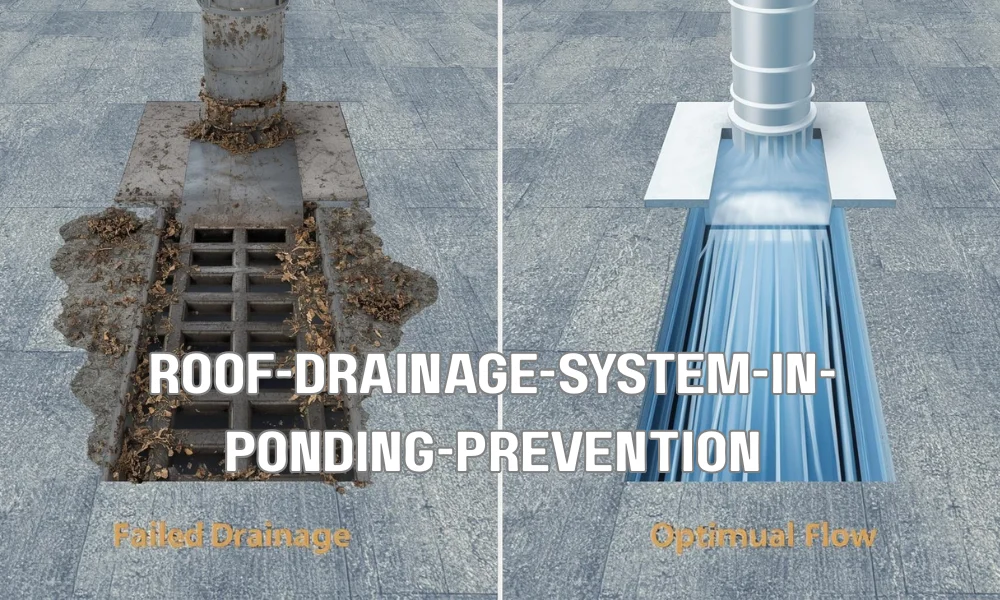
Drainage issues are a significant contributor to roof ponding, often resulting from clogged drains, insufficient numbers of drains, or poorly designed drainage systems. Debris such as leaves, dirt, and branches can easily block roof drains, scuppers, or gutters, preventing water from exiting the roof surface. If a roof lacks an adequate number of drains for its size or if drains are improperly placed, water will struggle to find an exit point, leading to widespread ponding. Furthermore, drainage systems that are not regularly maintained or are poorly integrated with the roof’s tapered insulation design will inevitably fail to perform their intended function of diverting water.
What role does improper roof installation play?
Improper roof installation plays a crucial role in the development of ponding, often manifesting as incorrect membrane application, insufficient tapering, or poor detailing around penetrations. If the roofing membrane is not properly stretched, adhered, or sealed, it can create depressions or channels where water will collect. Insufficient or incorrectly installed tapered insulation, which is designed to create the necessary slope for drainage, is a common culprit; if the tapered panels are misaligned or not installed to the specified pitch, flat spots or reverse slopes will occur. Additionally, poor flashing details around skylights, vents, or HVAC units can create dams that trap water, contributing directly to localized ponding.
Effective Solutions and Prevention Strategies
How can improved drainage systems eliminate ponding?
Improved drainage systems are fundamental to eliminating ponding by ensuring efficient water removal from the roof surface. This can involve installing additional roof drains, scuppers, or internal gutters to increase the capacity for water runoff. Retrofitting existing roofs with “sump” systems or adding larger drain leaders can significantly enhance water evacuation. Regular maintenance, including cleaning drains, scuppers, and gutters, is also vital to prevent blockages that impede flow. For larger roofs, strategically placed overflow drains provide a critical backup, preventing excessive water accumulation during heavy rainfall events.
Critical Fact 2: Each inch of standing water on a 10×10 foot section of roof adds approximately 625 pounds of weight, severely stressing the structural components and accelerating material breakdown.
What structural modifications can prevent water accumulation?
Structural modifications are often necessary to prevent long-term water accumulation, particularly when ponding results from inadequate slope or deck deflection. One common solution is to add tapered insulation systems, which are rigid boards cut at an angle to create a positive slope across the roof deck, directing water towards drains. Another effective modification involves installing “crickets” – small, sloped saddles built into the roof system – designed to divert water around obstructions like HVAC units or chimneys. In cases of severe structural deflection, shimming or reinforcing the roof deck structure beneath the membrane might be required to restore the necessary pitch and eliminate low spots.
How important is regular maintenance and inspection?
Regular maintenance and inspection are paramount for preventing roof ponding by identifying and addressing potential issues before they escalate. Routine inspections, ideally performed biannually and after severe weather events, allow for the early detection of debris accumulation, clogged drains, membrane damage, or the formation of new low spots. Cleaning drains, gutters, and scuppers prevents blockages that can quickly lead to standing water. Addressing minor repairs, such as resealing flashing or repairing small membrane punctures, can prevent water ingress and preserve the roof’s integrity, ensuring the drainage system remains effective throughout its lifespan.
Are there advanced material solutions for flat roofs?
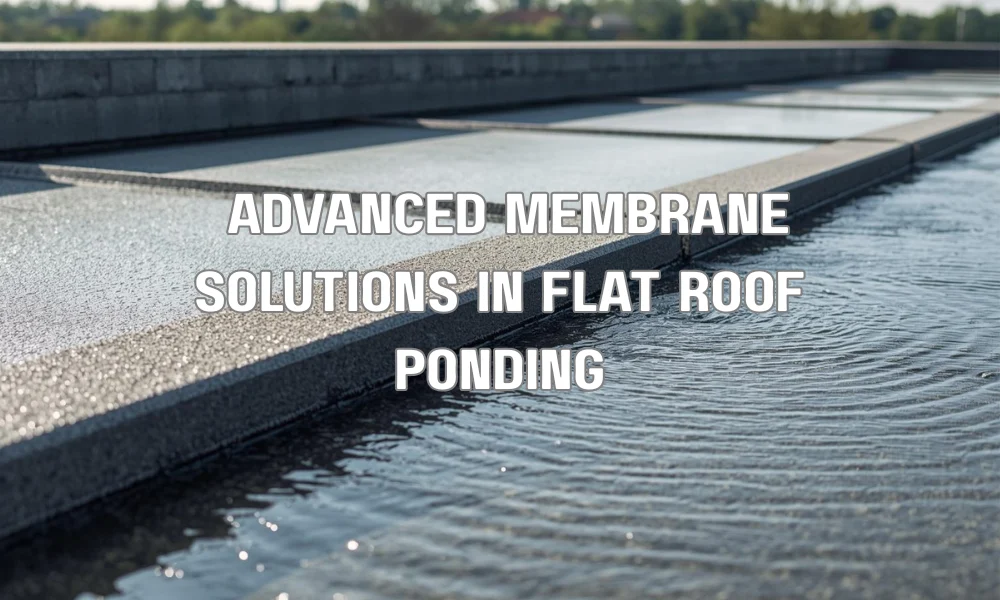
Yes, advanced material solutions offer enhanced resilience against ponding and improve the overall performance of flat roofs. Modern roofing membranes, such as TPO (Thermoplastic Polyolefin), EPDM (Ethylene Propylene Diene Monomer), and PVC (Polyvinyl Chloride), are highly durable, UV-resistant, and designed to withstand prolonged water exposure better than older asphalt-based systems. Fluid-applied roofing systems, often elastomeric coatings, can be applied over existing roofs to create a seamless, waterproof barrier that conforms to the roof’s contours, eliminating potential leak points. Furthermore, specialized roofing aggregates and reflective coatings can help mitigate thermal stress, which contributes to material degradation in ponded areas.
| Drainage Solution | Description | Primary Benefit | Typical Cost Range (Installation per drain/area) |
|---|---|---|---|
| Tapered Insulation Systems | Rigid insulation boards cut with a slope to direct water to drains. | Creates positive slope; reduces structural dead load from water. | $3.00 – $6.00 per sq ft (material & install) |
| Additional Roof Drains/Scuppers | Installation of new drain points to increase water removal capacity. | Increases drainage efficiency; prevents localized ponding. | $800 – $2,500 per new drain point |
| Roof Crickets/Saddles | Small, sloped sections built into the roof to divert water around obstructions. | Eliminates ponding behind penetrations; custom solutions. | $200 – $600 per cricket (material & install) |
| Drainage Retrofit Systems | Upgrading existing drains with larger sumps or internal gutters. | Enhances flow rate; reduces clogging risk. | $500 – $1,500 per existing drain modification |
Financial Implications and Long-Term Value
What are the cost benefits of preventing roof ponding?
The cost benefits of preventing roof ponding are substantial, translating into significant long-term savings and increased asset value. Proactive measures, such as installing tapered insulation or additional drains, are far less expensive than reacting to catastrophic failures caused by prolonged water exposure. Preventing ponding avoids costly structural repairs to the roof deck, framing, and interior components damaged by leaks, which can include plaster, paint, electrical systems, and even valuable inventory. Furthermore, a properly draining roof extends the lifespan of the entire roofing system, delaying the need for full roof replacement, which is one of the most significant capital expenses for a building. Maintaining a dry, sound roof also preserves the building’s energy efficiency by protecting insulation from water damage, and it prevents the growth of hazardous mold and mildew, safeguarding occupant health and avoiding potential remediation costs. Investing in ponding prevention is a strategic financial decision that yields consistent returns through reduced maintenance, extended roof life, and overall building integrity.
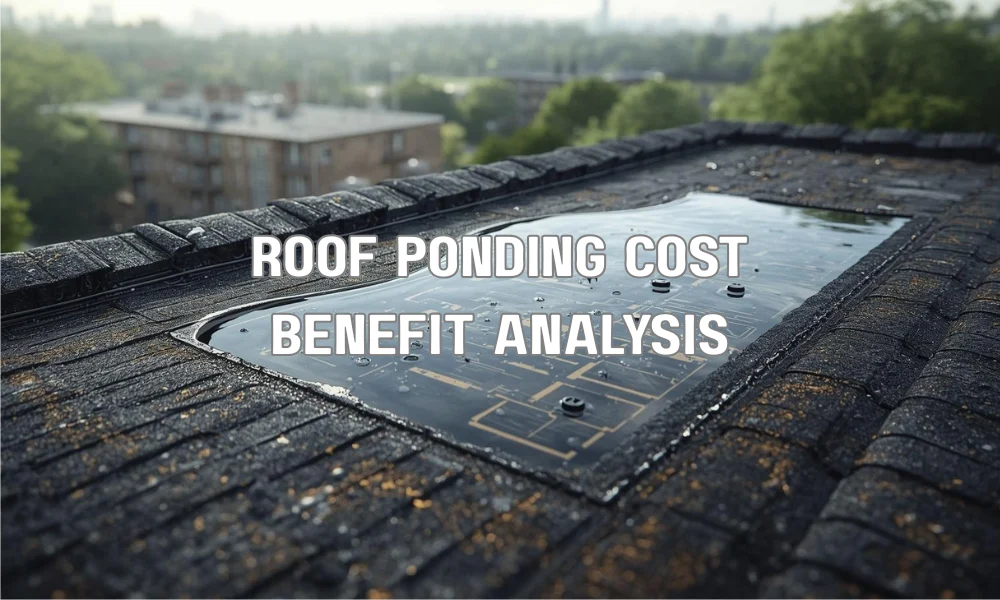
Critical Fact 3: Proactive investment in roof ponding prevention and proper drainage can extend a flat roof’s lifespan by 5-10 years, potentially saving hundreds of thousands in premature replacement costs.
Frequently Asked Questions
What is the maximum amount of time water should stand on a flat roof?
Water should ideally not stand on a flat roof for more than 48 hours. Beyond this timeframe, it is considered ponding and can lead to accelerated material degradation, structural stress, and potential warranty voidance. Prompt action is crucial if water persists longer than two days.
Can roof ponding lead to a roof collapse?
While rare, severe and prolonged roof ponding can contribute to a roof collapse. The cumulative weight of standing water, especially during heavy rainfall or snowmelt, can exceed the roof’s structural capacity, particularly if the structure is already compromised or poorly designed.
Does ponding affect all types of flat roof membranes equally?
No, ponding affects different flat roof membranes with varying degrees of severity. While all membranes can suffer, some, like older asphalt-based systems, are more susceptible to blistering and delamination. Modern single-ply membranes (TPO, EPDM, PVC) are generally more resistant but still degrade over time with constant water exposure.
How can I identify ponding on my flat roof without direct access?
Identifying ponding without direct access can be challenging but not impossible. Look for stains or discoloration on interior ceilings directly below the roof, which could indicate leaks. External signs might include visible dips or unevenness from an aerial view (e.g., from an adjacent building or drone footage), especially after rain.
Is tapered insulation the only way to create slope on a flat roof?
Tapered insulation is the most common and effective method for creating a positive slope on an existing flat roof, especially during reroofing. However, structural modifications to the roof deck itself can also achieve slope, though this is often more complex and costly than insulation.
What maintenance steps can prevent future ponding?
Key maintenance steps include regularly cleaning drains, scuppers, and gutters of debris (leaves, dirt, twigs). Inspecting the roof biannually for membrane damage, blockages, or new low spots is also critical. Ensure proper functioning of overflow drains.
Are there regulations concerning roof ponding?
Building codes typically do not explicitly define “ponding” but mandate positive drainage, meaning a roof must be designed to drain all water efficiently. Many roofing manufacturers’ warranties, however, include specific clauses regarding ponding, often voiding coverage if water stands for over 48 hours.
How do freezing temperatures impact ponded water on a roof?
Freezing temperatures exacerbate the damage from ponded water. The expansion and contraction of ice can cause membranes to crack and separate, leading to leaks. Ice formation also adds significant additional weight, stressing the roof structure and potentially damaging flashing.