
Executive Summary
- Proactive planning for industrial TPO roof replacements is crucial to minimize operational downtime and maintain business continuity.
- Staging materials efficiently and utilizing off-hours work schedules can significantly reduce daily interruptions for Tampa facilities.
- Implementing phased reroofing strategies allows essential operations to continue undisturbed in designated facility sections.
- Selecting an experienced roofing contractor with proven project management expertise directly correlates with faster, more efficient project completion.
- Advanced TPO membrane systems and modern installation techniques offer quicker application times, thereby shortening overall project duration.
- Robust communication protocols between the facility manager and roofing team ensure all stakeholders are informed, preventing unexpected delays.
- Investing in temporary protective measures during construction safeguards interior assets and maintains a clean, safe working environment.
The Imperative of Minimizing Downtime in Industrial TPO Replacements
Why is operational continuity paramount during a roof replacement?
Maintaining continuous operation is critical for industrial facilities undergoing TPO roof replacements because any pause can lead to significant financial losses, production setbacks, and disruption of supply chains. Even brief periods of downtime translate directly into lost revenue, idle labor costs, and potential contractual penalties. The industrial sector, particularly in active hubs like Tampa, relies on uninterrupted processes to meet demand and maintain competitive advantage.
Critical Fact 1: An estimated 82% of businesses report that just one hour of downtime costs them over $100,000, underscoring the severe financial implications of operational interruptions during critical facility maintenance like roof replacement.
Strategic Planning for Seamless TPO Roof Installation
How does meticulous pre-project planning mitigate disruption?
Meticulous pre-project planning is the cornerstone of mitigating disruption by identifying potential bottlenecks and establishing proactive solutions before work begins. This involves a comprehensive site assessment to understand logistics, access points, and operational sensitivities, followed by detailed scheduling that factors in weather patterns, production schedules, and material delivery timelines. Clear, consistent communication channels between the facility management and the roofing contractor ensure everyone is aligned on objectives and procedures.
What innovative scheduling techniques can reduce business interruption?
Innovative scheduling techniques like phased reroofing, off-hours work, and compartmentalization are highly effective in reducing business interruption. Phased reroofing involves dividing the roof into manageable sections, completing one area before moving to the next, allowing the facility to operate normally in unaffected zones. Off-hours or weekend work shifts heavy noise and disruptive activities to non-production times. Compartmentalization further isolates the work area, minimizing impact on adjacent operations.
On-Site Execution Strategies for Enhanced Efficiency
What on-site practices ensure a swift and safe TPO reroofing process?
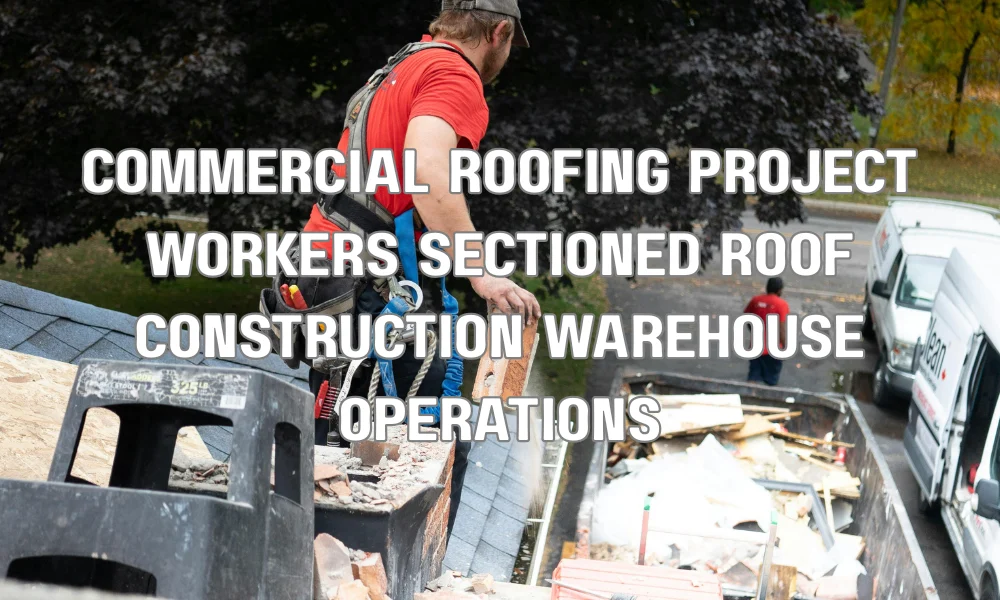
Efficient on-site practices are paramount for a swift and safe TPO reroofing process, beginning with optimized material staging and debris management. Contractors should establish dedicated zones for material delivery and waste removal to maintain clear pathways and minimize clutter. Implementing robust safety protocols, including strict fall protection and hot-work permits, protects both workers and facility personnel, preventing accidents that could cause delays. Regular site meetings ensure continuous coordination and prompt resolution of any emergent issues.
How do temporary protective measures safeguard operations during work?
Temporary protective measures, such as temporary roof coverings, internal containment systems, and dust barriers, are crucial for safeguarding internal operations during a TPO roof replacement. These installations prevent water intrusion during inclement weather, contain dust and debris, and minimize noise transmission into occupied spaces. By creating a secure and isolated work environment, these measures ensure that ongoing facility activities, machinery, and inventory remain protected from construction hazards and environmental elements.
Critical Fact 2: Modern TPO membranes boast a lifespan of 20-30 years, significantly reducing the frequency of future disruptive replacements, making the upfront planning for minimal downtime a long-term investment.
Advanced TPO Systems and Installation Methodologies
Which TPO roofing systems are best suited for minimal disruption?
Mechanically fastened and fully adhered TPO roofing systems each offer unique advantages for minimal disruption, depending on the facility’s specific needs. Mechanically fastened systems are often quicker to install because they use fewer adhesives, which can also reduce VOC emissions and associated odors. Fully adhered systems, while sometimes requiring more cure time, offer superior wind uplift resistance and a smoother surface, often preferred for high-wind areas or when foot traffic is anticipated. Hybrid systems combining both methods can optimize speed and performance.
What role does contractor expertise play in accelerating project completion?
Contractor expertise is a pivotal factor in accelerating project completion through efficient project management, skilled labor, and familiarity with local regulations in Tampa. Experienced roofing companies possess a deep understanding of TPO installation best practices, allowing them to anticipate challenges and implement solutions proactively. Their well-trained crews work cohesively, reducing errors and re-work, while their established relationships with suppliers ensure timely material delivery, all contributing to a streamlined and faster project timeline.

Cost-Benefit Analysis of Expedited TPO Projects
Is investing in an accelerated TPO replacement always cost-effective?
Investing in an accelerated TPO replacement is frequently cost-effective, particularly when considering the significant indirect costs of prolonged operational downtime. While expedited projects might incur higher direct costs due to overtime labor or premium materials, these are often outweighed by the preservation of production schedules, avoidance of lost sales, and prevention of supply chain disruptions. A thorough cost-benefit analysis must weigh the upfront investment against the potential revenue loss and operational impacts of a slower project.
| Project Phase | Typical Duration | Operational Impact (Without Minimization Strategies) | Operational Impact (With Minimization Strategies) |
|---|---|---|---|
| Pre-Construction Planning | 2-4 Weeks | Minimal | Minimal |
| Old Roof Removal | 1-3 Days/Section | High noise, debris, potential leaks | Localized noise, controlled debris, temporary protection |
| Deck Repair & Preparation | 1-2 Days/Section | Moderate noise, structural concerns | Targeted repairs, minimal disruption to adjacent areas |
| Insulation & TPO Installation | 2-5 Days/Section | Moderate noise, odors, restricted access | Phased installation, off-hours work, reduced VOCs |
| Finishing & Clean-up | 1 Day/Section | Minor access restrictions, residual debris | Quick clean-up, immediate site restoration |
How do post-installation protocols ensure lasting roof performance?
Post-installation protocols are crucial for ensuring lasting roof performance and maximizing the investment in a new TPO system. This includes comprehensive final inspections to verify proper installation and adherence to manufacturer specifications, ensuring the validity of the warranty. Establishing a proactive maintenance schedule, including regular inspections and minor repairs, helps identify and address potential issues early, extending the roof’s lifespan and preventing future, more disruptive problems.
Critical Fact 3: The average industrial TPO roof replacement project in the Tampa Bay area typically ranges from $4 to $9 per square foot, making efficient execution crucial for budget adherence and operational cost control.
Frequently Asked Questions
Q1: How long does a 150,000 sq. ft. industrial TPO roof replacement take in Tampa?
A 150,000 sq. ft. full TPO replacement typically requires 8–14 weeks of active roofing work, depending on crew size, weather delays, and deck condition. Tampa’s wet season (June–September) requires scheduling buffers of approximately 20% for weather downtime. With Shieldline’s phase-based approach, production operations continue uninterrupted throughout the project.
Q2: Can a Tampa industrial roof be replaced without shutting down manufacturing operations?
Yes. Through rigorous zone sequencing, pre-installed interior vapor barriers, temporary drainage at zone boundaries, and dry-in guarantees before daily shutdown, active manufacturing facilities routinely complete full roof replacements with zero production downtime. The critical factor is contractor experience with industrial sequencing—general commercial roofers without industrial protocols should not be used on active production facilities.
Q3: What is the expected lifespan of a TPO roof on a Tampa industrial building?
A properly installed 60-mil TPO system on a Tampa industrial facility carries a manufacturer’s warranty of 15–20 years, with an expected functional life of 20–30 years under regular maintenance. Florida’s high UV load is the primary aging mechanism; white TPO reflective surfaces mitigate UV degradation better than dark-colored membranes. Annual inspections and minor maintenance (seam re-welding, drain clearing) extend service life to the upper end of that range.
Q4: Is a building permit required to replace an industrial roof in Tampa?
Yes. Commercial and industrial roofing replacements in Tampa require a building permit from Hillsborough County or the City of Tampa, depending on jurisdiction. The permit requires submission of the roofing contractor’s license, product approvals, and a roofing plan. Inspections are required at the dry-in stage and at final. Unpermitted reroofs can create liability issues during property sales and insurance claims.
Q5: What causes industrial roofs in Tampa to fail prematurely?
The five leading causes of premature industrial roof failure in Tampa are: (1) inadequate drainage design causing chronic ponding water; (2) puncture damage from rooftop HVAC maintenance without walk pads; (3) seam failure from substandard heat welding or inadequate seam width; (4) insulation saturation from undetected slow leaks; and (5) thermal shock cycling at large HVAC curbs without proper flashing expansion accommodations. A proactive semi-annual maintenance program addresses all five vectors.
Q6: How much does a TPO roof replacement cost per square foot for Tampa industrial facilities?
Full TPO replacement on Tampa industrial facilities typically ranges from $4.50–$8.00 per square foot installed, depending on existing deck condition, insulation thickness specified, membrane gauge, and complexity of penetrations. Projects requiring significant deck repair, added insulation layers for energy
