
Executive Summary
- Navigating Palm Beach and Boca Raton HOA roofing restrictions demands a strategic balance between maintaining community aesthetics and ensuring robust hurricane resilience.
- Understanding specific HOA covenants and Florida Building Codes is paramount to selecting compliant materials that also offer superior wind uplift and impact resistance.
- Proactive engagement with your HOA, coupled with meticulous documentation of chosen materials and contractor credentials, significantly streamlines the approval process.
- Investing in advanced, hurricane-rated roofing materials like impact-resistant metal or synthetic tiles can satisfy both aesthetic guidelines and critical safety standards.
- Strategic material selection and professional installation contribute to long-term property value appreciation and potential reductions in homeowner insurance premiums.
- Homeowners must prioritize comprehensive due diligence, reviewing architectural standards and local regulations before initiating any roofing renovation projects.
- Achieving a beautiful, durable roof within these regions requires a collaborative approach, aligning homeowner aspirations with HOA requirements and engineering best practices.
Understanding the Dual Challenge: Aesthetics & Resilience
The unique coastal environment of Palm Beach and Boca Raton presents homeowners with a distinct challenge: maintaining the elegant aesthetic standards upheld by their Homeowners Associations (HOAs) while simultaneously ensuring their roofs can withstand the formidable forces of hurricane season. This dual mandate requires careful consideration of materials, design, and compliance to protect both property value and safety. Homeowners must bridge the gap between architectural harmony and structural fortitude, making every roofing decision critical.
Critical Fact 1: Florida’s High-Velocity Hurricane Zone (HVHZ) designation for regions like Palm Beach and Boca Raton mandates specific, stringent building codes for roofing, often exceeding national standards for wind uplift resistance and material durability.
Why do HOAs in Palm Beach & Boca Raton have strict roofing restrictions?
HOAs in Palm Beach and Boca Raton implement strict roofing restrictions primarily to preserve community aesthetic consistency, maintain property values, and ensure a cohesive architectural theme across the neighborhood. These regulations prevent disparate designs, dictating approved colors, materials, and styles to uphold the upscale appearance residents expect. Furthermore, many HOA rules are influenced by local building codes, aiming to enhance the overall resilience of homes against severe weather, thereby protecting collective property investments and resident safety.
How do local building codes impact HOA roofing requirements?
Local building codes, particularly the Florida Building Code, significantly influence and often supersede HOA roofing requirements, especially within the High-Velocity Hurricane Zone (HVHZ) that includes Palm Beach and Boca Raton. These codes mandate specific material classifications, installation methods, and structural reinforcements designed to withstand extreme wind loads, impact from flying debris, and water intrusion. While HOAs can set additional aesthetic standards, all roofing projects must first meet or exceed these rigorous state and local building code provisions, ensuring safety and structural integrity above all else. Permitting offices meticulously review plans to ensure compliance with these non-negotiable standards.
Navigating the HOA Approval Process for Roofing Projects
Successfully replacing or repairing a roof within an HOA-governed community in Palm Beach or Boca Raton demands a thorough understanding and diligent navigation of the approval process. This involves more than just selecting a contractor; it requires meticulous planning, detailed documentation, and proactive communication to align your project with community standards and avoid delays or rejections. Overlooking any step can lead to costly rework or fines, emphasizing the importance of a structured approach from the outset.
What documentation is required for HOA roofing approval?
For HOA roofing approval, homeowners typically need to submit a comprehensive package including detailed architectural plans, samples or brochures of the proposed roofing materials (specifying color, style, and manufacturer), and proof of the contractor’s licensing and insurance. Many HOAs also request copies of the building permit application, a timeline for the project, and sometimes even a plot plan indicating the exact location of the work. Ensuring all documentation aligns with both HOA covenants and local building codes is essential for a smooth review process.
Critical Fact 2: A common cause for HOA roofing project delays or rejections is incomplete documentation or a failure to explicitly demonstrate how proposed materials meet both aesthetic guidelines and current HVHZ building code standards.
How can homeowners ensure a smooth HOA approval process?
To ensure a smooth HOA approval process, homeowners should start by thoroughly reviewing their community’s Covenants, Conditions, and Restrictions (CC&Rs) and architectural guidelines well in advance. Engaging proactively with the HOA architectural review board, perhaps even before selecting a contractor, allows for early clarification of requirements. Submitting a detailed, complete application package with all requested documentation, material samples, and contractor credentials, while clearly articulating how the proposed changes meet all guidelines, minimizes back-and-forth and expedites approval.
Strategic Material Selection: Meeting Both Demands
Choosing the right roofing material in Palm Beach and Boca Raton is a critical decision that balances visual appeal with performance against severe weather. Homeowners must explore options that not only complement their home’s architectural style and satisfy HOA aesthetic preferences but also offer superior durability, wind resistance, and longevity in a hurricane-prone region. This strategic selection process involves understanding the technical specifications and long-term benefits of various materials to make an informed investment.
Which roofing materials best balance aesthetic appeal and hurricane resistance?
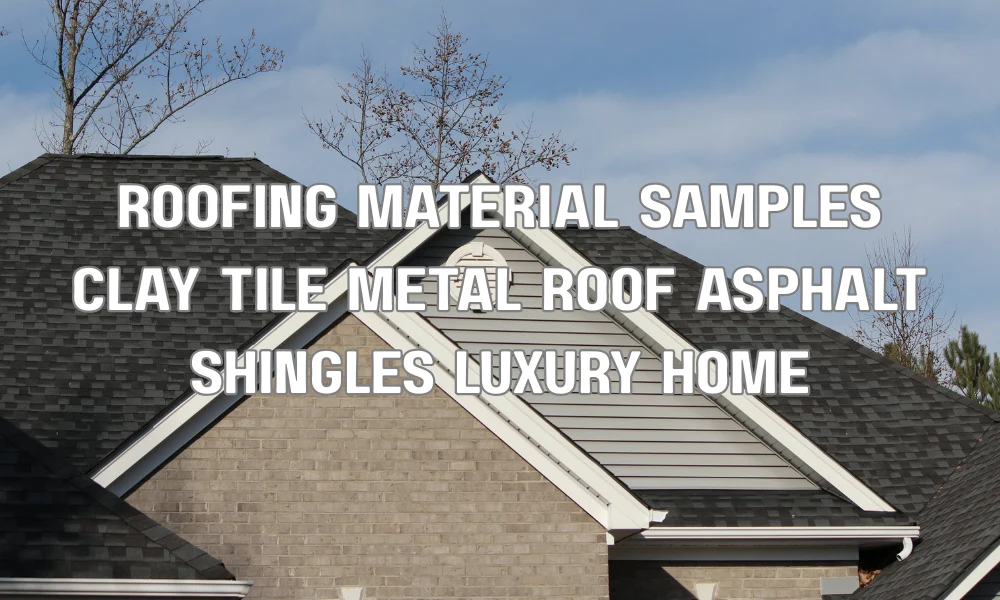
Several roofing materials effectively balance aesthetic appeal with hurricane resistance for homes in Palm Beach and Boca Raton. Clay or concrete tiles offer a classic Mediterranean look, are highly durable, and excellent against wind and impact. Standing seam metal roofs provide a sleek, modern aesthetic, boast exceptional longevity, and are among the most wind-resistant options available. Architectural asphalt shingles, particularly those rated for higher wind speeds and impact resistance, can also offer a cost-effective and visually appealing solution when approved by HOAs.
Are there new technologies that satisfy both HOA aesthetic rules and modern hurricane codes?
Yes, new roofing technologies are emerging that effectively satisfy both HOA aesthetic rules and modern hurricane codes. Synthetic roofing materials, designed to mimic the appearance of traditional tile, slate, or wood shakes, offer superior durability, impact resistance, and often come with higher wind ratings. Advanced metal roofing systems feature enhanced coatings for diverse color and texture options, alongside improved fastening methods for hurricane protection. Additionally, impact-resistant asphalt shingles and solar-integrated roofing tiles provide both aesthetic versatility and robust performance against extreme weather, all while meeting energy efficiency standards.
Comparative Analysis of Hurricane-Resistant Roofing Materials
| Material Type | Typical Aesthetic | Hurricane Resistance (Wind Rating) | Average Lifespan | Est. Cost/Sq. Ft. (Installed) |
|---|---|---|---|---|
| Clay/Concrete Tile | Mediterranean, Spanish, Classic | Excellent (125-150 mph+) | 50-100 years | $10 – $20+ |
| Standing Seam Metal | Modern, Contemporary, Industrial | Superior (140-180 mph+) | 40-70 years | $12 – $25+ |
| Architectural Asphalt Shingles | Traditional, Dimensional | Good to Very Good (110-130 mph+) | 25-40 years | $6 – $12 |
| Synthetic Roofing (Mimics Tile/Slate) | Versatile, High-End Replica | Excellent (110-130 mph+) | 50 years+ | $12 – $25+ |
The Financial and Long-Term Value Implications
The decision to re-roof in Palm Beach or Boca Raton is a significant financial undertaking, but it’s also a crucial investment in your property’s future. The initial cost must be weighed against long-term benefits, including enhanced property value, potential insurance savings, and reduced maintenance. Understanding the financial implications of complying with HOA aesthetic rules and stringent hurricane codes allows homeowners to make economically sound choices that protect their assets and contribute to their financial well-being.
What are the cost implications of complying with HOA and hurricane roofing standards?
Complying with HOA and hurricane roofing standards often means higher initial costs for materials and installation, as these standards typically require more robust, specialized, or aesthetically specific products and skilled labor. For instance, hurricane-rated materials are more expensive, and complex architectural styles favored by HOAs may require specialized contractors. However, these increased upfront expenses are often offset by long-term benefits such as increased property resilience, fewer repairs after storms, and potential reductions in homeowner’s insurance premiums.
How does strategic roofing impact property value and insurance premiums?
Strategic roofing decisions significantly enhance property value by boosting curb appeal and providing superior protection, making the home more attractive to potential buyers. A new, hurricane-compliant roof is a major selling point, signaling reduced future maintenance and insurance risks. Furthermore, a highly resilient roof can lead to substantial reductions in homeowner insurance premiums, as insurers often offer discounts for features like impact-resistant materials, secondary water barriers, and high wind ratings, recognizing the decreased risk of storm-related damage.
Critical Fact 3: Many insurance carriers offer significant premium discounts (up to 20-30% or more) for roofs installed with advanced hurricane mitigation features, making the upfront investment in compliant materials a financially sound decision over the long term.
Frequently Asked Questions
Q1: Can a Palm Beach HOA force me to replace my roof with a specific tile type even if a different material provides better hurricane protection?
Generally yes—HOAs have broad authority to enforce CC&R provisions governing roof materials, subject to the limits of Florida Statute 720.3035. However, if the HOA’s governing documents predate current Building Code requirements, the code takes precedence to the extent of conflict. An HOA cannot compel you to install a non-code-compliant system. For situations where an HOA aesthetic preference conflicts with optimal hurricane performance, Shieldline recommends requesting a formal variance supported by engineering data, as most HOA boards respond favorably to documented safety rationale.
Q2: What roofing materials are most commonly required by HOAs in Palm Beach and Boca Raton communities?
The most common HOA-mandated roofing materials in Palm Beach and Boca Raton communities are concrete barrel tile (the dominant specification), flat concrete tile, and S-tile (mission tile). Some older communities reference clay tile, wood shake, or similar materials in CC&Rs, though synthetic equivalents are now universally accepted as code-compliant substitutes. Metal roofing, flat membrane systems, and asphalt shingles are frequently prohibited by CC&Rs in these luxury markets, though variances are sometimes achievable.
Q3: How do I get HOA approval to replace my Palm Beach County roof, and what documents do I need?
The typical HOA architectural review process in Palm Beach County communities requires: (1) a completed Architectural Review Committee (ARC) application; (2) product specifications and color samples for the proposed roofing material; (3) confirmation the material matches or is consistent with the CC&R specification; and (4) in some communities, a copy of the roofing contractor’s license and preliminary scope of work. Review timelines vary from 2 weeks to 60 days depending on HOA bylaws. Shieldline prepares complete ARC submittal packages for homeowners.
Q4: Does replacing my roof with a hurricane-rated system lower my homeowner’s insurance premium in Palm Beach County?
Yes, significantly. A certified wind mitigation inspection following a code-compliant reroof—particularly one that establishes a secondary water barrier, two-fastener tile attachment, and hip roof geometry—can reduce the wind portion of a Florida homeowner’s insurance premium by 20–60%. Given that wind insurance premiums in Palm Beach County routinely exceed $5,000–$15,000 annually on higher-value homes, the premium savings alone can pay back the cost of roof upgrades within 3–7 years.
Q5: What is a “secondary water barrier” and why does it matter for insurance in Florida?
A secondary water barrier (SWB) is a self-adhering underlayment applied directly to the roof deck beneath the primary roofing material. Its purpose is to prevent water intrusion in the event the primary roofing material (tile, shingles) is lost or damaged in a wind event. Under Florida’s wind mitigation inspection form (OIR-B1-1802), an approved SWB receives a premium credit in all insurance rating territories. Self-adhering peel-and-stick products meeting ASTM D1970 or Florida Product Approval requirements qualify as SWBs.
Q6: Can I install a cool roof that meets Florida energy codes while satisfying Palm Beach HOA color requirements?
Yes. Several concrete tile manufacturers now offer “cool pigment” formulations in traditional Florida earth-tone and terra cotta color families that achieve Solar Reflectance Index (SRI) values qualifying for Florida Energy Code compliance. These products are visually indistinguishable from standard pigment tiles at street level and satisfy both HOA covenant color requirements and energy code mandates simultaneously.
Q7: How do I know if my Palm Beach or Boca Raton home’s structure can support a concrete tile roof replacement?
A structural assessment is recommended before specifying heavy concrete tile on any home built before 1994, when Florida’s structural loading standards were substantially updated. Shieldline’s pre-construction inspection includes a review of available structural drawings and a visual assessment of truss or rafter conditions in the attic. For homes where structural capacity is marginal, lightweight concrete tile (5–7 lbs/sq. ft.) or engineered stone-coated steel tile profiles (1.5–2 lbs/sq. ft.) provide HOA-compatible aesthetics at a fraction of the structural load.
