
Executive Summary
- Proactive roof inspections in Fort Lauderdale significantly mitigate future repair costs by identifying hidden damage and potential issues early.
- Understanding the modest investment in a professional roof inspection safeguards your property against costly hurricane-related surprises and structural compromises.
- A thorough expert assessment provides crucial documentation for insurance claims, especially vital given Florida’s severe weather patterns and complex policies.
- Regular professional roof assessments extend roof longevity and enhance overall property value, offering peace of mind to homeowners and potential buyers.
- Investing in a Fort Lauderdale roof inspection is a wise decision, frequently revealing issues whose repair costs far exceed the initial inspection fee in potential savings.
- Professional roof evaluations ensure compliance with current local building codes and insurance requirements, effectively preventing future liabilities and costly disputes.
- Gaining an objective condition report empowers homeowners to make informed decisions about maintenance, repairs, or replacements, optimizing their investment.
Navigating Roof Inspection Costs in Fort Lauderdale
What is the average cost of a roof inspection in Fort Lauderdale?
The average cost of a roof inspection in Fort Lauderdale typically ranges from $150 to $500, varying based on several critical factors including the size and complexity of your roof, the specific materials used, and the type of inspection required. While some basic visual inspections might fall at the lower end, comprehensive assessments for insurance purposes or pre-purchase due diligence will command higher fees due to the increased detail and expertise involved. This investment is crucial for proactive property maintenance in South Florida’s unique climate.
Critical Fact 1: In Fort Lauderdale’s climate, prone to intense sun, heavy rains, and hurricane-force winds, a professional roof inspection can save homeowners thousands by identifying and addressing minor issues before they escalate into catastrophic structural failures.
Factors Influencing Your Roof Inspection Investment
How does roof size and material impact inspection costs?
Roof size and material significantly influence inspection costs because they dictate the time, specialized equipment, and expertise required for a thorough assessment. Larger roofs naturally take longer to inspect, increasing labor costs. Similarly, roofs with complex designs, steep pitches, or delicate materials like clay tiles or metal require more careful navigation and specialized knowledge to prevent damage during the inspection, thereby raising the price. Asphalt shingle roofs are generally quicker and less expensive to inspect than intricate tile or cedar shake systems.
Do different types of inspections have varying costs?
Yes, different types of roof inspections have varying costs because their scope, reporting requirements, and the level of detail provided differ considerably. A standard visual inspection, often performed for routine maintenance or minor concerns, is generally the most affordable. In contrast, a 4-point inspection, frequently mandated by insurance companies for older homes in Florida, requires a more detailed assessment of the roof’s remaining useful life and condition, along with other major systems, thus increasing its cost. Pre-purchase or forensic inspections are usually the most expensive due to their exhaustive nature, aiming to uncover every potential issue.
| Inspection Type | Typical Cost Range (Fort Lauderdale) | Key Focus & Inclusions |
|---|---|---|
| Standard Visual Inspection | $150 – $300 | General assessment for obvious damage, wear, and tear. Good for routine maintenance checks and minor concerns. |
| 4-Point Insurance Inspection | $200 – $400 | Required by insurers for older homes; covers roof, plumbing, electrical, and HVAC systems. Essential for securing homeowners insurance in Florida. |
| Pre-Purchase/Due Diligence Inspection | $300 – $500+ | Detailed assessment for potential buyers, identifying existing and potential issues before property acquisition. Often includes attic and structural checks. |
| Post-Storm Damage Inspection | $250 – $500+ | Focused assessment after a hurricane or severe weather event to identify specific damage for insurance claims and repair prioritization. |
The Unquestionable Value of a Professional Roof Inspection
Is a roof inspection really worth the investment in Fort Lauderdale?
Absolutely, a professional roof inspection is undeniably worth the investment in Fort Lauderdale, acting as a critical preventative measure that protects your home and finances from extensive future damage. The relatively small cost of an inspection pales in comparison to the potential expenses of undetected leaks, structural damage, or premature roof replacement. For homeowners in a hurricane-prone region, an inspection provides invaluable peace of mind and essential documentation.
Critical Fact 2: Many Fort Lauderdale homeowners insurance policies require a 4-point inspection, especially for properties over 30 years old, to assess roof condition and eligibility, making the inspection a mandatory step for coverage.
How can a roof inspection save money long-term?
A roof inspection can save money long-term by facilitating the early detection of minor issues, preventing them from escalating into major, costly repairs or complete roof replacements. For example, catching a loose shingle or a clogged gutter early costs very little to fix but can prevent significant water damage to the interior of your home, mold growth, or even structural decay. Furthermore, a detailed inspection report can serve as leverage during real estate negotiations or as crucial evidence for insurance claims, potentially recovering thousands in repair costs. By extending your roof’s lifespan through timely maintenance, you defer the massive expense of a full replacement.
What to Expect During a Comprehensive Roof Inspection
What steps does a certified roof inspector take?
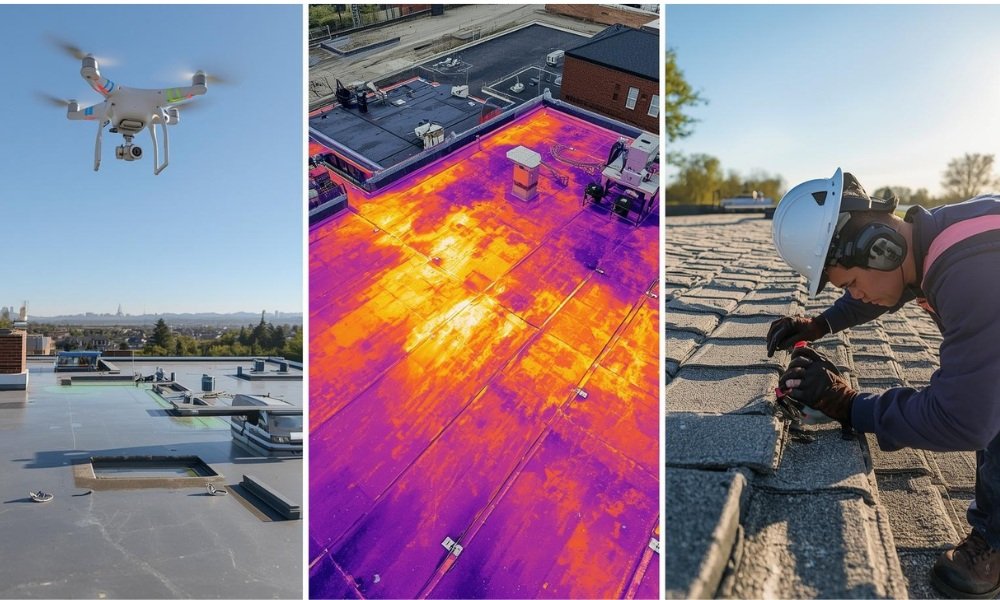
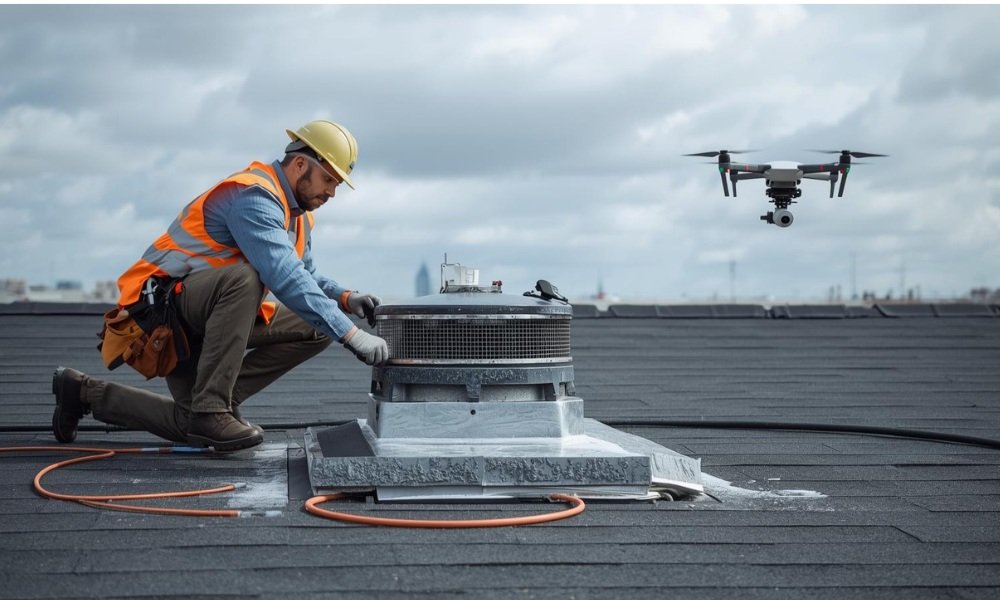
A certified roof inspector typically follows a systematic approach, beginning with an exterior ground-level assessment to identify obvious issues like missing shingles or sagging. They then proceed to a meticulous visual assessment of all roof components from the roof level itself, examining the surface material, flashing around chimneys and vents, gutters, drainage systems, and the integrity of the overall structure. Many modern inspectors also utilize drones for inaccessible or dangerous areas, capturing high-resolution images and videos. The inspection concludes with an interior attic check to look for water stains, leaks, or ventilation problems, providing a holistic view of the roof’s health.
What kind of report should I expect after an inspection?
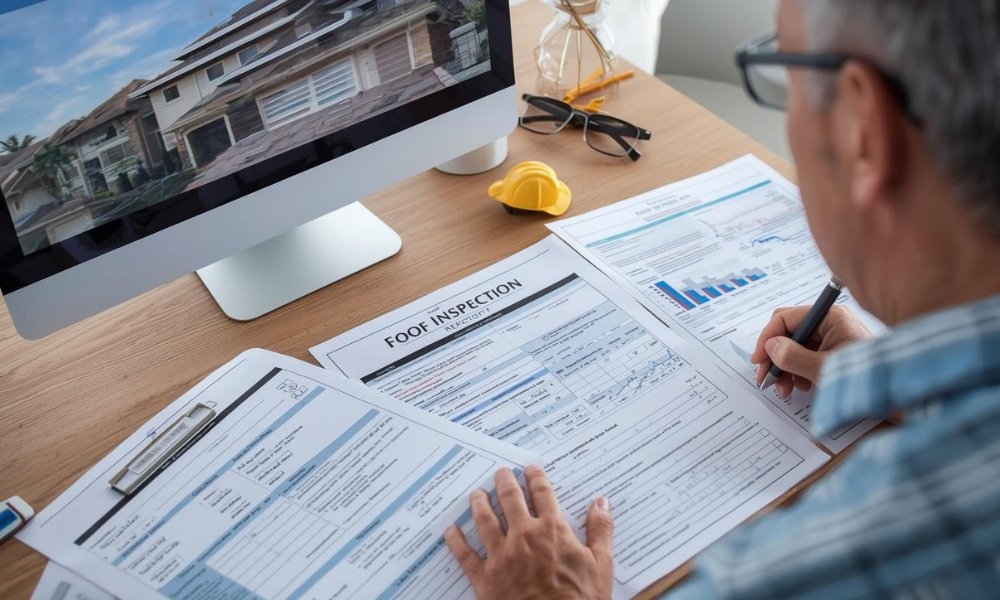
After a comprehensive roof inspection, you should expect to receive a detailed, easy-to-understand report that clearly outlines all findings, both positive and negative. This report typically includes photographic evidence of any identified issues, highlighting areas of concern with clear annotations. It will also offer professional recommendations for necessary repairs, routine maintenance, or potential upgrades, along with an assessment of the roof’s remaining useful life. A good report will prioritize findings based on urgency and potential impact, empowering you to make informed decisions about your property.
Choosing the Right Roof Inspector in Fort Lauderdale
What credentials should I look for in a Fort Lauderdale roof inspector?
When selecting a roof inspector in Fort Lauderdale, it is paramount to look for specific credentials that demonstrate expertise and reliability in this unique market. Seek inspectors who are licensed and insured in Florida, as this ensures they meet state standards and protect you from liability. Experience specific to South Florida’s climate, including knowledge of hurricane damage, high humidity effects, and common local roof types (e.g., tile, metal, flat roofs), is crucial. Look for certifications from recognized industry bodies like InterNACHI or ASHI, which indicate adherence to high professional standards and continuous education. Don’t hesitate to ask for proof of these credentials and references.
How do I compare different inspection services?
Comparing different inspection services involves looking beyond just the quoted price to assess the overall value, scope, and quality of the service. Start by requesting detailed quotes that clearly outline what each inspection includes, such as attic checks, drone usage, and the level of detail in the report. Evaluate the inspector’s reputation by checking online reviews, testimonials, and asking for references. Consider their experience with your specific roof type and their familiarity with Fort Lauderdale’s local building codes and insurance requirements. Prioritize transparency, communication, and the inspector’s willingness to answer all your questions. A slightly higher price for a more thorough and reputable inspector can prevent significant problems down the line.
Critical Fact 3: Proactive roof inspections in Fort Lauderdale are often key to preventing denied insurance claims, as insurers increasingly scrutinize roof condition, especially after storm events, emphasizing the importance of documented maintenance.
Frequently Asked Questions
What is the best time of year for a roof inspection in Fort Lauderdale?
The best time for a roof inspection in Fort Lauderdale is typically during the drier, cooler months between November and April. This period avoids the peak of hurricane season and intense summer rains, allowing for a safer and more thorough assessment without weather-related interruptions or the masking of damage by constant moisture.
How often should a roof inspection be performed?
In Fort Lauderdale’s demanding climate, a professional roof inspection should ideally be performed annually, especially after any severe weather event. For newer roofs, every two to three years may suffice, but annual checks are recommended to catch minor issues before they escalate and to maintain warranty validity.
Will a roof inspection identify hidden water damage?
Yes, a comprehensive roof inspection is designed to identify hidden water damage, not just visible leaks. Inspectors look for subtle signs like water stains in the attic, compromised insulation, or wood rot that indicate moisture penetration, often tracing the source back to roof defects.
Do roof inspections include attic checks?
Yes, most comprehensive roof inspections in Fort Lauderdale include an interior attic check. This allows the inspector to assess the roof’s underside for structural integrity, signs of water intrusion, proper ventilation, and insulation issues, providing a more complete picture of the roof’s health.
Can a roof inspection help with insurance claims?
Absolutely. A professional roof inspection report provides unbiased documentation of your roof’s condition before and after a storm, which is invaluable for supporting insurance claims. It can help prove existing damage was caused by a specific event or provide leverage in negotiations.
What if my roof fails the inspection?
If your roof “fails” an inspection, it means significant issues were found. The inspector will provide a detailed report outlining necessary repairs or, in severe cases, recommend replacement. This report is your guide for hiring contractors, understanding the scope of work, and potentially negotiating with insurers.
How long does a typical roof inspection take?
A typical roof inspection in Fort Lauderdale usually takes between 45 minutes to 2 hours, depending on the size, complexity, and accessibility of the roof. More detailed inspections, like those for pre-purchase or forensic analysis, might take longer.
Are drone inspections as effective as physical inspections?
Drone inspections are highly effective as a complementary tool, especially for steep or inaccessible roofs, providing high-resolution imagery of the entire roof surface. However, they are best when combined with a physical inspection where possible, as a human eye can detect subtle nuances and physically test components that drones cannot.
