
Executive Summary
* Selecting robust roofing materials like standing seam metal or concrete tiles is paramount for mitigating damage from Category 5 hurricane winds and flying debris.
* Proper installation, strictly adhering to local building codes and manufacturer specifications, is often more critical than the material itself in achieving hurricane resilience.
* Advanced synthetic roofing options provide excellent impact and wind resistance, often mimicking traditional aesthetics while offering superior performance in extreme weather.
* Investing in a high-performance underlayment and reinforced fastening systems significantly enhances a roof’s ability to resist uplift and water intrusion during severe storms.
* Regular maintenance, including biennial inspections and prompt repairs, extends the lifespan of hurricane-resistant roofs and maintains their protective capabilities.
* While initially more expensive, hurricane-proof roofing materials and professional installation offer substantial long-term savings through reduced repairs and potential insurance benefits.
* Prioritizing comprehensive roof system design, encompassing material, underlayment, and fastening, ensures maximum protection against the multifaceted threats of a Category 5 hurricane.
For homeowners and commercial property managers in hurricane-prone regions, preparing for the inevitable force of a Category 5 storm is not merely a precaution—it’s an absolute necessity. The roof, as the primary shield against the elements, is the most vulnerable component during extreme weather events, especially those packing winds exceeding 157 mph. Selecting the right materials and ensuring impeccable installation can be the difference between minor repairs and total structural failure. This guide delves into the most resilient roofing solutions designed to withstand the devastating power of a Category 5 hurricane, offering insights into their performance, longevity, and overall value.
Critical Fact 1: The Insurance Institute for Business & Home Safety (IBHS) states that roof damage accounts for 90% of a home’s total damage during a hurricane due to subsequent water intrusion.
Understanding Category 5 Hurricane Threats
What makes a Category 5 hurricane so destructive to roofs?
A Category 5 hurricane poses an existential threat to roofs primarily due to extreme wind speeds, which can exceed 157 mph, creating immense uplift forces that can tear entire roof systems from a structure. These powerful winds also transform everyday objects into high-velocity projectiles, leading to severe impact damage. Furthermore, the torrential rainfall associated with these storms, combined with wind-driven rain, exploits any breach in the roofing envelope, leading to catastrophic water intrusion and subsequent interior damage.
The combination of relentless wind pressure, direct impact from debris, and the sheer volume of wind-driven rain creates a multi-faceted assault on a roof. Standard roofing materials and installation methods are simply not designed to withstand this level of sustained force. It’s not just about the shingles; the entire roofing system, including the decking, underlayment, and fastening, must be engineered for extreme resilience.
Top Roofing Materials for Extreme Resilience
Is metal roofing truly the best option for hurricane zones?
Yes, metal roofing, particularly standing seam metal, is widely considered one of the most superior options for hurricane zones due to its exceptional wind resistance, durability, and impact performance. Its interlocking panel system and robust fastening mechanisms prevent uplift, while the high strength-to-weight ratio of steel or aluminum can withstand significant forces without fracturing. Unlike shingles, metal panels offer a continuous, impermeable surface that greatly reduces the risk of water intrusion.
Standing seam metal roofs, with their concealed fasteners and raised seams, offer unparalleled protection against wind uplift and water penetration. Corrugated metal roofs also perform well, especially when installed with appropriate fasteners and washers. The longevity of metal roofing, often exceeding 50 years, adds to its value in high-risk areas.
How do concrete and clay tiles withstand hurricane winds?
Concrete and clay tiles offer excellent hurricane resistance, largely due to their individual weight, robust interlocking designs, and the methods used for their attachment. The sheer mass of each tile provides inherent resistance to wind uplift, while their unique shapes, particularly those with interlocking side and head laps, create a strong, continuous surface that sheds water effectively. When properly installed with specialized fasteners, such as hurricane clips or mortar, they can endure very high wind speeds.
Modern tile roofing systems in hurricane-prone areas often incorporate elevated battens and robust fastening to each tile, sometimes even embedding them in mortar for maximum adhesion. The heavy, non-combustible nature of tiles also contributes to their overall resilience against flying debris and fire risks.
Are synthetic roofing materials a viable hurricane-resistant alternative?
Yes, synthetic roofing materials, often made from recycled polymers or composite blends, are increasingly recognized as a highly viable and often superior alternative for hurricane resistance. These engineered products offer exceptional impact resistance, flexibility, and impressive wind ratings, often mimicking the aesthetics of natural slate or shake without their inherent vulnerabilities. Their lightweight nature can also be an advantage for structural loading during a storm.
Many synthetic roofing products are designed to withstand hail impacts equivalent to Class 4 hail, which means they can resist significant debris without cracking or puncturing. Their uniformity and precise manufacturing allow for highly secure installation, reducing points of failure during extreme wind events. Look for products with high wind uplift ratings and Miami-Dade County Notice of Acceptance (NOA) certifications.
Beyond Materials: Critical Installation & Maintenance
What role does professional installation play in hurricane protection?
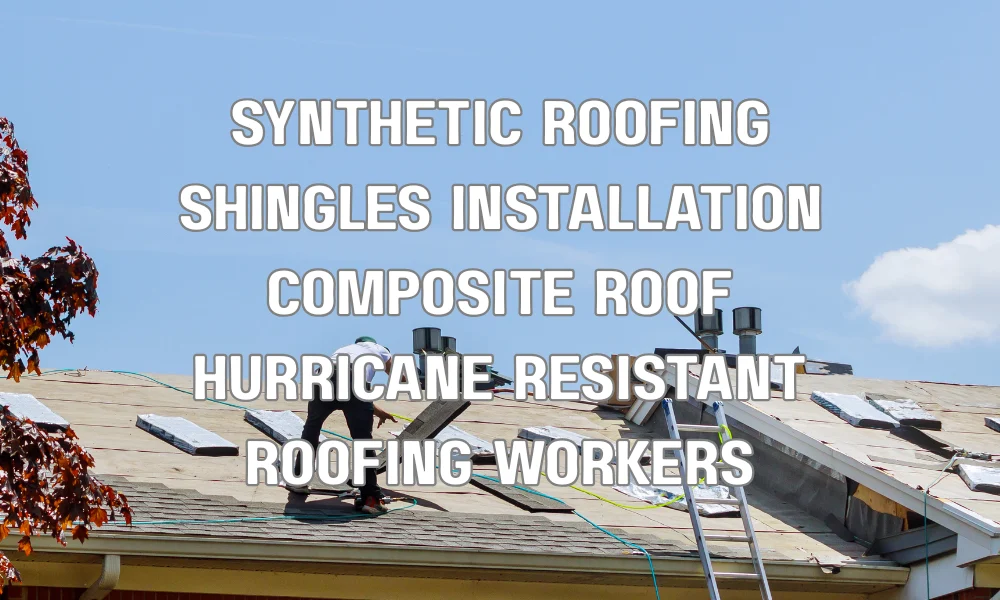
Professional installation is arguably the single most critical factor in a roof’s ability to survive a Category 5 hurricane, transcending even the choice of material. Even the most resilient material will fail if not installed precisely according to manufacturer specifications and local building codes, especially the stringent requirements found in high-velocity hurricane zones (HVHZ) like Florida. This includes proper decking attachment, a high-quality underlayment, and appropriate fastening techniques.
Certified installers understand the nuances of hurricane strapping, enhanced fastener patterns, and the importance of a robust secondary water barrier (underlayment). They ensure that every component, from the drip edge to the ridge cap, is secured to resist extreme uplift and water intrusion. Investing in a reputable, experienced roofing contractor is non-negotiable for true hurricane preparedness.
Critical Fact 2: The Miami-Dade County Building Code, often considered the gold standard for hurricane-resistant construction, mandates specific testing and approvals (NOA) for all roofing materials and systems used in their jurisdiction.
How crucial is ongoing maintenance for a hurricane-resistant roof?
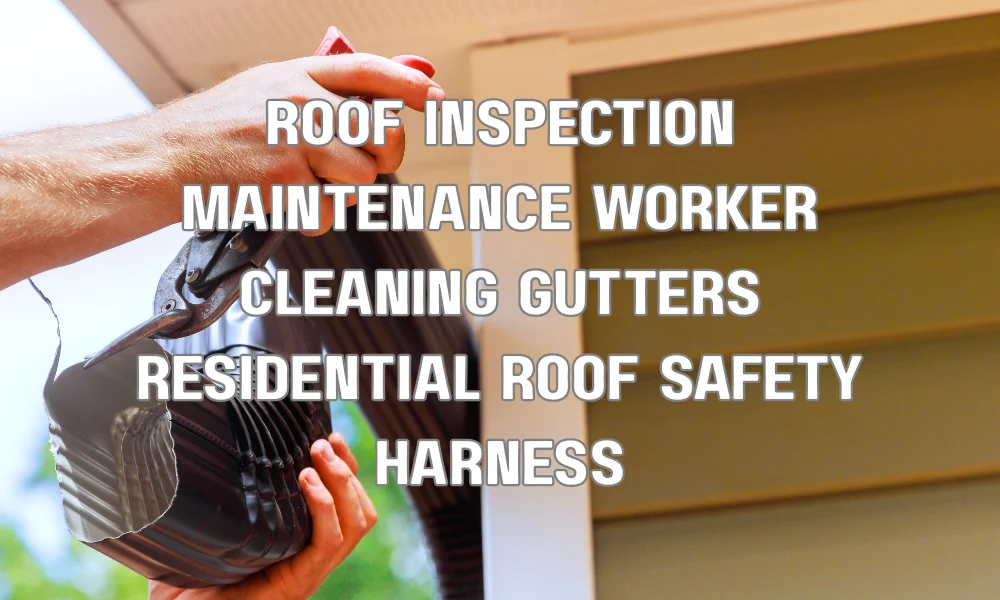
Ongoing maintenance is absolutely crucial for preserving the integrity and protective capabilities of a hurricane-resistant roof over its lifespan. Even the most robust materials can be compromised by neglect, such as clogged gutters, accumulated debris, or minor unaddressed damages that become major vulnerabilities during a storm. Regular inspections identify potential weak points before they escalate, ensuring the roof remains in optimal condition to face extreme weather.
Annual or biennial professional inspections can detect loose fasteners, compromised flashing, or early signs of material degradation. Clearing debris, trimming overhanging branches, and promptly repairing any minor damage like cracked caulk or loose tiles prevents these small issues from becoming critical entry points for wind and water during a hurricane.
Cost vs. Long-Term Value
Is the upfront cost of hurricane-proof roofing justified?
The upfront cost of a hurricane-proof roofing system is undeniably higher than standard roofing options, but it is unequivocally justified by the long-term value it provides through enhanced safety, significant damage prevention, and potential financial benefits. The investment in resilient materials and professional, code-compliant installation drastically reduces the risk of catastrophic loss during a Category 5 hurricane, saving homeowners tens or hundreds of thousands in repair or replacement costs. Moreover, many insurance providers offer discounts or lower premiums for properties with certified hurricane-resistant roofs, making the initial outlay a smart financial decision over time. The peace of mind alone is invaluable.
Here’s a comparison of common hurricane-resistant roofing materials:
| Material Type | Typical Wind Rating (mph) | Impact Resistance (Hail) | Estimated Lifespan | Avg. Cost per Sq. Ft. (Installed) |
|---|---|---|---|---|
| Standing Seam Metal | 160-200+ | Class 4 | 50-70 years | $12.00 – $18.00 |
| Concrete Tile | 130-150+ | Class 2-3 | 50-100 years | $10.00 – $15.00 |
| Clay Tile | 130-150+ | Class 2-3 | 70-150 years | $12.00 – $25.00 |
| Synthetic Slate/Shake | 130-180+ | Class 4 | 40-60 years | $10.00 – $17.00 |
Critical Fact 3: Data from the Federal Emergency Management Agency (FEMA) consistently shows that homes built to higher wind-resistant standards experience significantly less damage and faster recovery times after major hurricane events.
Frequently Asked Questions
What is the minimum wind rating my roof should have for a hurricane zone?
For areas prone to hurricanes, especially those susceptible to Category 5 storms, your roof should ideally have a wind rating of at least 150-180 mph. Building codes in high-velocity hurricane zones (HVHZ) often mandate ratings exceeding 180 mph, emphasizing the need for robust materials and enhanced installation techniques to withstand extreme forces.
Can I just replace my shingles with hurricane-rated ones?
While hurricane-rated shingles offer improved performance, simply replacing shingles isn’t enough. A truly hurricane-resistant roof requires a systems approach, including reinforced decking, a high-performance underlayment, and specialized fastening throughout the entire roof structure to resist uplift and water intrusion.
What is a secondary water barrier and why is it important?
A secondary water barrier, often a self-adhering membrane installed directly on the roof deck, provides an additional layer of protection against water intrusion if the primary roofing material is compromised. It’s critical because it prevents water from reaching the interior, even if shingles or tiles are lost during extreme winds.
How often should a hurricane-resistant roof be inspected?
A hurricane-resistant roof should be professionally inspected at least every one to two years, and always after any significant storm event, regardless of its severity. Regular checks help identify and address minor issues before they become major vulnerabilities during a hurricane.
Are there government grants or incentives for hurricane-proofing roofs?
Yes, some states and local municipalities in hurricane-prone regions offer grants, low-interest loans, or tax incentives for homeowners to upgrade their roofs and fortify their homes against natural disasters. Programs like Florida’s My Safe Florida Home often provide financial assistance for qualified improvements.
Does a hurricane-proof roof increase my home’s value?
Absolutely. A certified hurricane-proof roof significantly increases a home’s value, offering buyers peace of mind, lower insurance premiums, and reduced maintenance costs. It signals a well-maintained, secure property, which is highly attractive in vulnerable coastal markets.
What certifications should I look for in hurricane-resistant roofing materials?
Look for certifications such as Miami-Dade County’s Notice of Acceptance (NOA), Florida Building Code (FBC) approval, and Underwriters Laboratories (UL) ratings for wind uplift (e.g., UL 2218 Class 4 for impact resistance). These signify that materials have undergone rigorous testing for extreme weather performance.
Can hurricane-resistant roofs still look aesthetically pleasing?
Definitely. Modern hurricane-resistant roofing materials come in a wide array of styles, colors, and finishes. Standing seam metal roofs offer a sleek, contemporary look, while synthetic tiles can beautifully mimic natural slate or wood shake, ensuring aesthetic appeal alongside superior protection.
