
Executive Summary
- Designing a net zero, solar-ready roof significantly reduces energy consumption and utility bills for Florida homeowners, leveraging abundant sunshine.
- Integrating advanced roofing materials with solar technology enhances hurricane resilience, crucial for Florida’s extreme weather conditions and building codes.
- A solar-ready roof system actively contributes to a reduced carbon footprint, aligning with global sustainability goals and increasing property appeal.
- Strategic roof design from the outset optimizes solar panel efficiency and ensures a seamless aesthetic integration, maximizing long-term performance.
- Investing in net zero roofing can qualify homeowners for substantial tax credits, rebates, and incentives, accelerating the return on investment.
- Proactive planning for net zero capabilities during roof replacement future-proofs homes against rising energy costs and grid instability.
- Such advanced roofing solutions enhance indoor comfort by significantly improving insulation and mitigating heat gain in Florida’s warm climate.
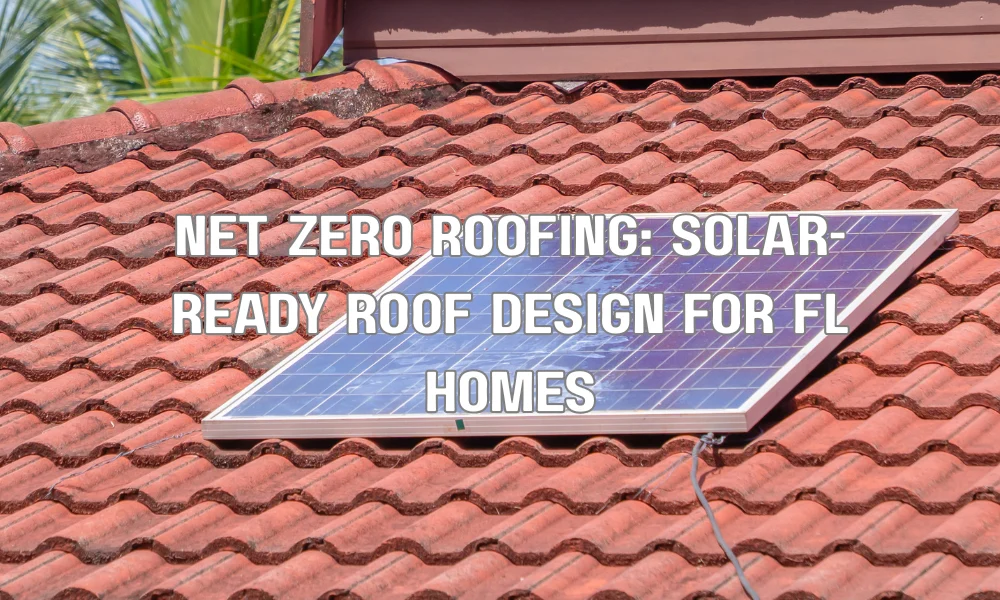
Net zero roofing represents a paradigm shift in home construction and renovation, especially in a sun-drenched state like Florida. Far beyond merely adding solar panels, a true solar-ready net zero design integrates energy production, conservation, and resilience directly into the very fabric of your home’s protective shell. For Florida homeowners, this approach addresses the unique challenges of intense solar exposure, high humidity, and the perpetual threat of severe weather, all while striving for energy independence.
Critical Fact: A properly designed net zero, solar-ready roof can reduce a Florida home’s annual energy consumption by 70-100%, often producing more energy than it consumes over a year.
Understanding Net Zero Roofing for Florida Homes
What is net zero roofing and why is it crucial for Florida?
Net zero roofing refers to a comprehensive roof system designed to generate as much or more energy than the home consumes annually, effectively reaching a “net zero” energy balance. For Florida, this is crucial because the state experiences high electricity demands due to air conditioning, coupled with abundant sunshine that makes solar energy highly viable. Implementing net zero design reduces reliance on the grid, cuts energy costs significantly, and enhances a home’s resilience against power outages, all while minimizing environmental impact.
How does solar-ready design differ from simply adding solar panels?
Solar-ready design goes beyond mere panel installation; it involves pre-engineering the entire roof structure and material selection to seamlessly integrate solar photovoltaic (PV) systems. This means optimizing roof pitch and orientation, reinforcing the structure for added panel weight and wind loads, and selecting roofing materials that complement solar efficiency and durability. Instead of an afterthought, solar integration becomes an intrinsic part of the roof’s core function, ensuring maximum performance, longevity, and aesthetic appeal, particularly vital in Florida’s hurricane-prone environment.
The Florida Context: Unique Challenges and Opportunities
How do Florida’s climate and building codes impact roof design?
Florida’s climate, characterized by intense heat, high humidity, heavy rainfall, and hurricane-force winds, profoundly impacts roof design. Building codes, particularly the Florida Building Code, mandate strict requirements for wind resistance, waterproofing, and energy efficiency. Solar-ready designs must select materials with high solar reflectivity and thermal mass to combat heat gain, while also meeting rigorous uplift and impact resistance standards to withstand tropical storms and hurricanes, often requiring enhanced fastening systems and sealed underlayments.
What are the key considerations for hurricane resilience in solar roofs?
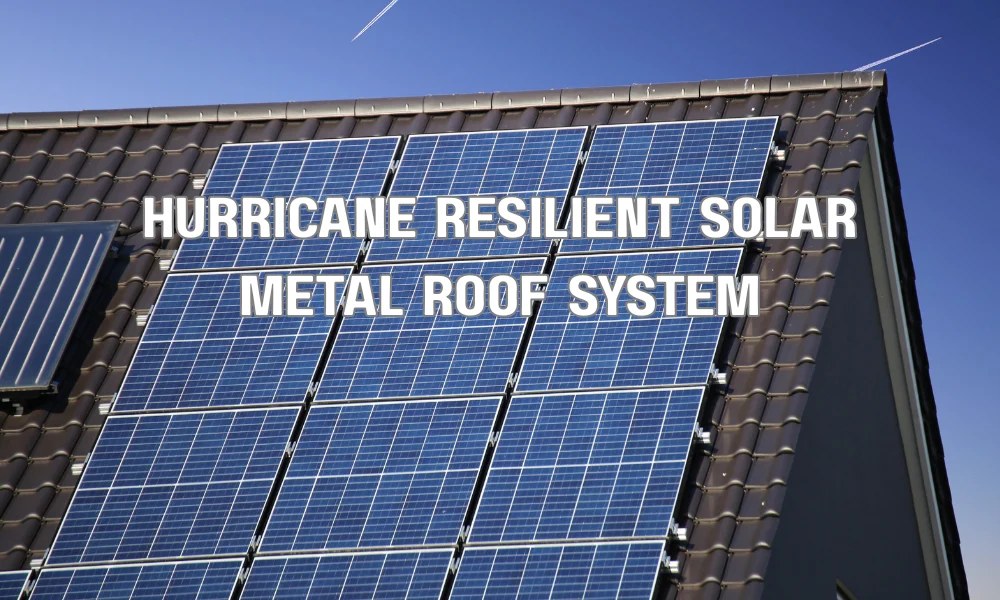
Hurricane resilience is paramount for solar roofs in Florida. Key considerations include selecting high-wind-rated roofing materials (e.g., standing seam metal, impact-resistant tiles), robust panel racking systems certified for extreme wind loads, and ensuring proper flashing and sealing to prevent water intrusion. Integrated solar solutions, such as Building Integrated Photovoltaics (BIPVs) or low-profile flush-mounted panels, often offer superior wind resistance compared to traditional rack-mounted systems by reducing drag and uplift potential.
Core Components of a Solar-Ready Net Zero Roof
What advanced materials are best for energy efficiency and durability in FL?
For Florida’s demanding climate, advanced roofing materials that combine energy efficiency with extreme durability are essential. Highly reflective “cool roof” materials, such as light-colored metal roofs with specialized coatings (e.g., Kynar 500) or TPO (Thermoplastic Polyolefin) membranes, minimize heat absorption and reduce cooling loads. Concrete or clay tiles, especially those with reflective glazes, also offer excellent thermal mass and hurricane resistance. These materials significantly extend roof lifespan and improve the overall efficiency of the integrated solar system by keeping the roof deck cooler.
How are solar technologies integrated seamlessly into the roof structure?
Seamless integration of solar technologies can be achieved through several methods. Building Integrated Photovoltaics (BIPVs) replace traditional roofing materials (like shingles or tiles) with solar-generating equivalents, offering the most aesthetically pleasing and weather-resistant solution. For panel-based systems, low-profile mounting hardware that minimizes penetrations and lifts panels only slightly above the roof surface ensures better wind resistance and a cleaner look. Proper flashing and sealing around all penetrations are critical to maintain the roof’s waterproofing integrity, especially in Florida’s heavy rainfall.
| Material Type | Pros for FL Solar-Ready | Cons for FL Solar-Ready | Estimated Lifespan (Years) | Avg. Cost Range per Sq. Ft. (Installed) |
|---|---|---|---|---|
| Standing Seam Metal | High reflectivity, excellent wind resistance, long lifespan, lightweight, easy solar panel attachment. | Higher initial cost, potential for noise during heavy rain/hail. | 40-70+ | $10 – $20 |
| TPO (Thermoplastic Polyolefin) | Exceptional reflectivity (white TPO), durable, cost-effective for low-slope roofs, energy-efficient. | Less aesthetic for steep-slope residential, specific installation expertise needed. | 15-30 | $8 – $15 |
| Concrete/Clay Tile | Excellent thermal mass, highly durable, hurricane-resistant, attractive, long lifespan. | Heavy (requires structural reinforcement), higher initial cost, specific solar mounting required. | 50-100+ | $12 – $25 |
| Asphalt Shingles (Cool Roof Rated) | Most common, affordable, some ‘cool roof’ options available, decent wind resistance. | Shorter lifespan than others, lower reflectivity, less ideal for net zero unless combined with other tech. | 20-30 | $5 – $9 |
Benefits Beyond Energy Production
What financial incentives and long-term savings are available for FL homeowners?
Florida homeowners investing in net zero, solar-ready roofing can tap into significant financial benefits. The federal Investment Tax Credit (ITC) offers a substantial percentage (currently 30%) off the cost of solar panel installation. Additionally, Florida has a property tax exemption for solar and renewable energy devices, meaning your property value increases without a corresponding tax hike for the solar portion. Net metering policies allow homeowners to sell excess electricity back to the grid, further reducing utility bills and potentially generating credits, leading to substantial long-term savings over the system’s lifespan.
How does a net-zero roof enhance home value and market appeal?
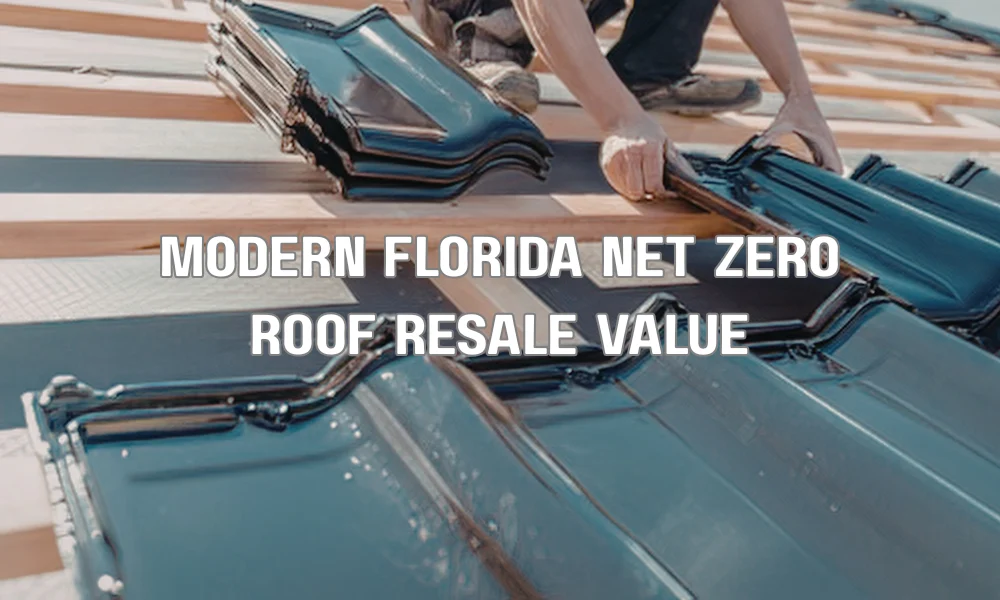
A net-zero roof significantly boosts a home’s market appeal and resale value. Prospective buyers are increasingly valuing homes with lower operating costs, enhanced energy independence, and a smaller carbon footprint. The visible commitment to sustainability, combined with advanced, durable roofing, positions the property as modern and future-proof. Studies consistently show that homes with solar installations sell faster and at a premium compared to comparable non-solar homes, making it a wise investment in Florida’s competitive real estate market.
Installation, Maintenance, and Longevity
What are the critical steps for successful installation and permitting in Florida?
Successful installation of a net zero, solar-ready roof in Florida begins with a comprehensive structural assessment to ensure the existing roof can support the new materials and solar array, especially considering increased wind loads. Permitting is a multi-step process, requiring detailed plans submitted to local building departments, often involving electrical, structural, and roofing permits. Selecting an experienced, licensed, and insured contractor specializing in solar and high-wind-resistant roofing is critical. They navigate the complex permitting, adhere to Florida Building Codes, and ensure proper installation techniques for maximum durability and warranty coverage.
How can homeowners ensure the long-term performance and maintenance of their net-zero roof?
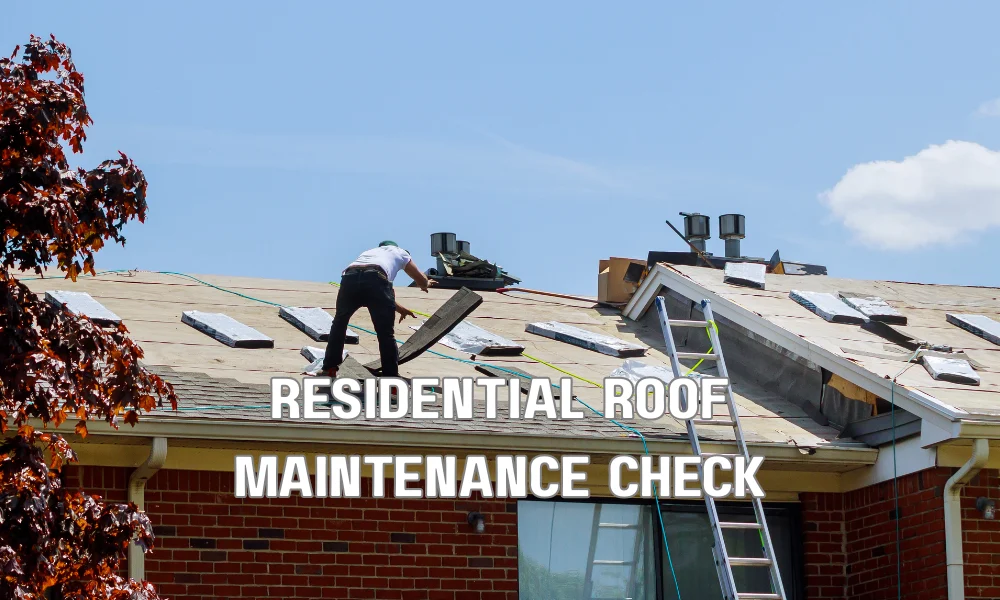
To ensure long-term performance and longevity, homeowners should establish a regular maintenance schedule. This includes periodic inspections (annually or after severe weather) to check for loose panels, flashing integrity, and general roof wear. Cleaning solar panels regularly, especially in dusty or pollen-heavy areas, is crucial to maintain optimal energy production. Maintaining gutters and downspouts prevents water accumulation, while trimming overhanging branches minimizes debris and potential impact damage. Adhering to manufacturer recommendations for both roofing materials and solar components will preserve warranties and maximize the system’s lifespan.
Critical Fact: Integrating solar readiness during a full roof replacement can save up to 20-30% on combined installation costs compared to adding solar panels to an existing, non-optimized roof later.
Frequently Asked Questions
What is the typical return on investment for a net zero roof in Florida?
The typical ROI for a net zero roof in Florida can range from 7-15 years, primarily driven by significant savings on electricity bills, federal tax credits, and increased property value. Factors like system size, energy consumption, and local utility rates influence the exact payback period.
Are net zero roofs suitable for all types of Florida homes?
Yes, net zero roofing principles can be applied to most home types in Florida, from new constructions to existing homes needing a roof replacement. The design will be customized based on roof slope, orientation, structural integrity, and local zoning/HOA regulations.
How does a net zero roof handle hurricane season?
A well-designed net zero roof for Florida is built with hurricane resilience in mind, utilizing high-wind-rated materials, reinforced structures, and securely fastened solar arrays that meet or exceed Florida Building Code requirements for wind uplift and impact resistance.
Will a net zero roof eliminate my electricity bill entirely?
While a net zero roof aims to offset 100% of your annual electricity consumption, monthly bills might still include fixed charges from your utility provider, even with net metering credits. However, your energy consumption costs can be reduced to zero or even negative.
What maintenance is required for solar panels on a net zero roof?
Solar panels on a net zero roof require minimal maintenance. Periodic cleaning (typically once or twice a year) to remove dirt, pollen, or debris is recommended to ensure optimal performance. Regular visual inspections are also advised.
Do I need battery storage with a net zero roof system?
While not strictly necessary for a net zero energy balance, battery storage is highly recommended for Florida homes. It provides backup power during grid outages, enhances energy independence, and allows you to store excess solar energy for use during peak demand or at night.
Can I integrate smart home technology with my net zero roof?
Absolutely. Modern net zero roofing systems are often integrated with smart home technologies for energy monitoring, consumption management, and automated climate control. This optimizes energy use and enhances overall home efficiency.
What permits are needed for a solar-ready roof installation in Florida?
Installing a solar-ready roof in Florida typically requires a combination of permits: a building permit for the new roof, an electrical permit for the solar array, and potentially a structural permit if significant reinforcements are needed. Your chosen contractor will manage this process.
