
Executive Summary
- Selecting the optimal roof color in South Florida significantly impacts household energy consumption and cooling costs due to intense solar radiation.
- Light-colored, highly reflective roofs actively repel solar heat, preventing it from penetrating the attic and subsequently reducing demands on air conditioning systems.
- Dark-colored roofs absorb substantial solar energy, leading to elevated interior temperatures and forcing HVAC systems to work harder, directly increasing electricity bills.
- Understanding a roof material’s Solar Reflectance Index (SRI) is crucial, as higher SRI values indicate superior heat deflection and greater energy savings potential.
- Investing in “cool roof” technologies or high-reflectance coatings can provide long-term financial benefits through lower energy bills and enhanced indoor comfort.
- Material choice, roof pitch, and proper attic ventilation work in conjunction with color to create a comprehensive energy-efficient roofing system in tropical climates.
Understanding South Florida’s Unique Climate Challenges
South Florida’s subtropical climate presents a unique set of challenges for residential and commercial buildings, primarily characterized by intense heat, high humidity, and abundant sunshine throughout much of the year. The relentless sun beats down on roofs, transforming them into significant heat sources that can drastically impact indoor temperatures and, consequently, energy bills. Property owners must contend with extended cooling seasons, making passive cooling strategies, such as thoughtful roof design, paramount for comfort and cost savings.
**Critical Fact 1:** In South Florida, over 30% of a home’s total heat gain during peak summer months can come directly through the roof, making it a primary target for energy efficiency improvements.
Why is South Florida’s climate particularly demanding on roofs?
South Florida’s climate is particularly demanding on roofs due to its high solar insolation, which means a large amount of solar radiation hits surfaces daily, and extended periods of high ambient temperatures. This constant exposure to intense ultraviolet (UV) light and heat accelerates material degradation and significantly contributes to the urban heat island effect, where developed areas become hotter than surrounding rural areas. Furthermore, the frequent afternoon thunderstorms and hurricane season demand materials that can withstand not just heat, but also extreme moisture and high winds, creating a complex array of performance requirements.
The Science Behind Roof Color and Heat Absorption
How does roof color influence solar heat gain?
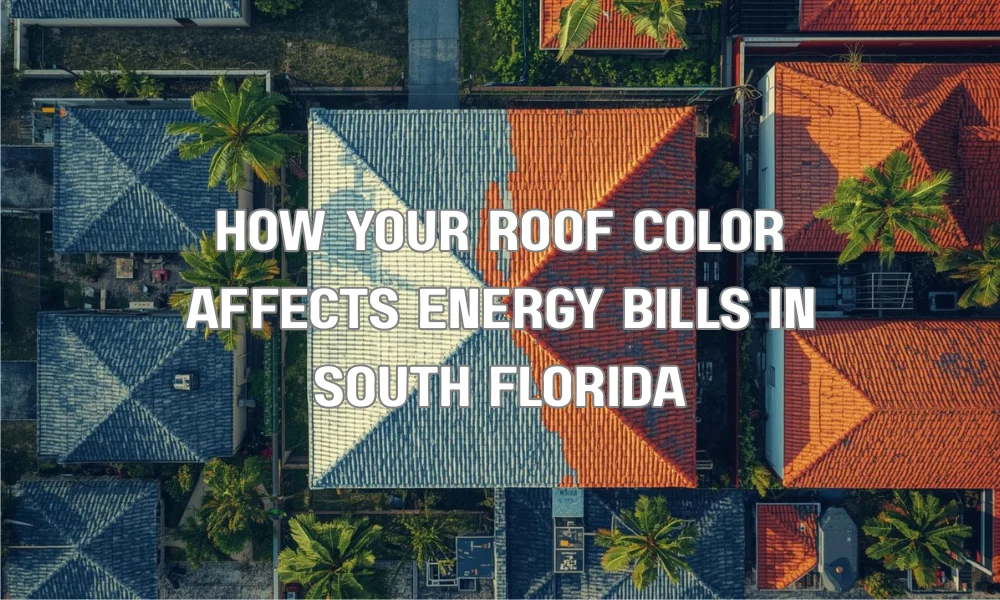
Roof color significantly influences solar heat gain through the principles of solar reflectance and thermal emissivity. Darker colors absorb more sunlight across the electromagnetic spectrum, converting this light energy into heat that transfers into the attic space and living areas below. Conversely, lighter colors reflect a greater percentage of solar radiation, preventing much of the heat from entering the building envelope. This difference in absorption and reflection directly dictates the thermal load placed on a building’s cooling system.
Light-Colored Roofs: The Energy-Saving Champions
What are the primary benefits of choosing a light-colored roof?
Choosing a light-colored roof primarily benefits homeowners by significantly reducing cooling costs and improving indoor comfort. Light hues reflect a large portion of the sun’s radiant energy, thereby minimizing the amount of heat absorbed into the building. This decreased heat absorption translates directly into less work for air conditioning units, leading to lower electricity bills and a smaller carbon footprint. Additionally, light roofs contribute to reducing the urban heat island effect by radiating less heat back into the atmosphere.
Do light-colored roofs have any drawbacks in South Florida?
While generally beneficial, light-colored roofs can have minor drawbacks in South Florida, primarily concerning aesthetic preferences and potential maintenance. Some homeowners may find that lighter shades show dirt, algae, or mildew stains more prominently over time, requiring more frequent cleaning to maintain their pristine appearance and reflectivity. However, modern roofing materials and coatings are often designed with antimicrobial properties to mitigate this issue, and the energy savings typically outweigh these minor maintenance considerations.
Dark-Colored Roofs: The Hidden Costs
Why can dark-colored roofs increase energy consumption?
Dark-colored roofs substantially increase energy consumption because they absorb a much greater percentage of the sun’s infrared and visible light spectrum, converting this energy into heat. This absorbed heat readily transfers through the roofing material into the attic and the living spaces below, raising the indoor temperature. Consequently, air conditioning systems must operate for longer periods and at higher intensities to maintain a comfortable environment, directly resulting in significantly higher electricity bills during South Florida’s long cooling season.
Are there any situations where a dark roof might be acceptable?
In South Florida, situations where a dark roof might be acceptable are extremely rare and typically involve very specific architectural or aesthetic considerations where energy efficiency is a secondary concern. For instance, some historic preservation projects might require specific dark roofing materials. However, even in such cases, advanced underlying insulation, radiant barriers, and superior attic ventilation are critical to mitigate the severe heat absorption. For the vast majority of residential and commercial applications focused on cost and comfort, dark roofs are not recommended in this climate.
Beyond Color: Reflectivity and Emissivity
What role do solar reflectance and thermal emissivity play in roof efficiency?
Solar reflectance (albedo) measures a material’s ability to reflect solar energy, with higher values meaning more energy is bounced back, while thermal emissivity measures its ability to radiate absorbed heat. Both properties play a critical role in roof efficiency: high solar reflectance prevents heat from entering the building, and high thermal emissivity allows any absorbed heat to quickly escape back into the atmosphere. A “cool roof” is characterized by both high solar reflectance and high thermal emissivity, offering a dual defense against heat gain.
| Roofing Material Type | Typical Color/Finish | Solar Reflectance (SR) | Thermal Emissivity (TE) | Solar Reflectance Index (SRI) |
|---|---|---|---|---|
| Asphalt Shingles | Dark Brown/Black | 0.05 – 0.15 | 0.85 – 0.90 | 0 – 15 |
| Asphalt Shingles | Light Grey/White | 0.25 – 0.40 | 0.85 – 0.90 | 25 – 45 |
| Clay/Concrete Tile | Terracotta (Natural) | 0.20 – 0.35 | 0.88 – 0.92 | 20 – 40 |
| Clay/Concrete Tile | White/Light Coated | 0.50 – 0.70 | 0.88 – 0.92 | 60 – 80 |
| Metal Roofing | Unpainted Galvalume | 0.60 – 0.75 | 0.20 – 0.60 | 50 – 70 |
| Metal Roofing | White Kynar-Coated | 0.70 – 0.85 | 0.80 – 0.90 | 80 – 100+ |
| Modified Bitumen | Granular Surface (Dark) | 0.06 – 0.12 | 0.85 – 0.90 | 0 – 10 |
| Modified Bitumen | White Reflective Coating | 0.60 – 0.80 | 0.88 – 0.92 | 70 – 95 |
**Critical Fact 2:** A “cool roof” with an SRI of 70 or higher can reduce roof surface temperature by 50-70°F compared to a standard dark roof, dramatically lowering heat transfer into the building.
The Impact of Roof Material and Pitch on Energy Efficiency
How do different roofing materials affect energy performance?
Different roofing materials affect energy performance significantly due to their inherent thermal properties, density, and ability to accept reflective coatings. For example, metal roofs inherently reflect more solar radiation than asphalt shingles, especially when coated with light-colored, high-performance paints. Clay and concrete tiles, particularly those with lighter finishes, also offer good reflectivity and often incorporate air channels beneath them that promote airflow and reduce heat transfer. In contrast, standard dark asphalt shingles are typically poor performers without additional reflective treatments.
Does roof pitch influence energy bills?
Yes, roof pitch can influence energy bills, particularly in conjunction with roof color and ventilation. Steeper roof pitches can sometimes be more exposed to direct sun throughout the day, potentially increasing heat gain if the material is dark and unreflective. However, a steeper pitch can also improve the effectiveness of natural attic ventilation, allowing hot air to escape more readily, which can mitigate some heat buildup. In South Florida, a well-ventilated attic is crucial, regardless of pitch, to prevent heat accumulation below the roof deck.
Strategic Choices for Optimal Energy Savings
What advanced roofing technologies enhance energy efficiency?
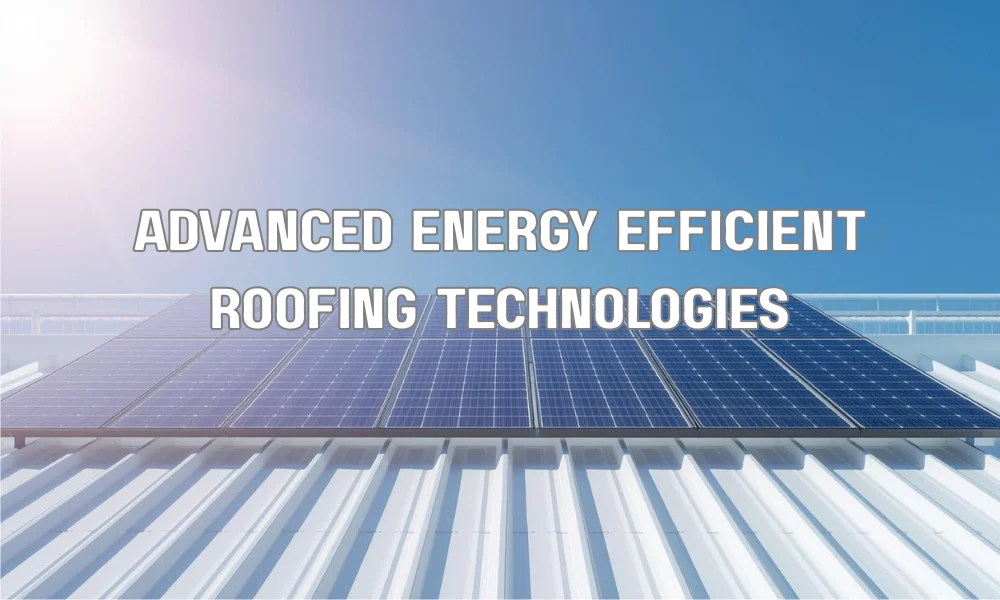
Advanced roofing technologies enhancing energy efficiency include “cool roof” coatings, radiant barriers, and integrated solar solutions. Cool roof coatings, often acrylic or silicone-based, can be applied to existing roofs to dramatically increase solar reflectance and thermal emissivity. Radiant barriers installed in the attic effectively block radiant heat transfer from the hot roof deck into the insulation below. Furthermore, integrating photovoltaic (solar electric) panels directly into roofing materials or installing solar thermal collectors can generate clean energy and offset electricity costs.
Are there local success stories or incentives for energy-efficient roofs?
Yes, South Florida has numerous local success stories and incentives for energy-efficient roofs. Many homeowners have reported significant reductions in their monthly energy bills after installing cool roofs or high-SRI materials, often seeing a return on investment within a few years. Local utility companies like Florida Power & Light (FPL) periodically offer rebates or energy audit programs that can help offset the cost of energy-efficient upgrades, including cool roofs. Additionally, various federal tax credits may be available for specific energy-efficient home improvements, encouraging adoption of these beneficial technologies.
Conclusion: Making an Informed Decision
Choosing the right roof color and material in South Florida is not merely an aesthetic decision; it is a critical investment in your home’s energy efficiency, comfort, and long-term sustainability. By understanding the science of solar reflectance and thermal emissivity, and by opting for lighter, more reflective roofing solutions, homeowners can significantly reduce cooling demands, lower electricity bills, and contribute to a cooler, more sustainable environment. Always consult with a qualified roofing professional who understands South Florida’s unique climate and building codes to ensure your roofing choice maximizes both performance and savings.
**Critical Fact 3:** For every 10-degree Fahrenheit reduction in peak roof surface temperature achieved by a cool roof, homeowners can expect a 5-10% decrease in air conditioning electricity consumption.
Frequently Asked Questions
What is the ideal roof color for a home in South Florida?
The ideal roof color for a home in South Florida is typically white or a very light shade of grey, beige, or terracotta. These colors offer the highest solar reflectance, meaning they bounce back the maximum amount of sunlight, significantly reducing heat absorption and subsequent transfer into your home.
How much can a light-colored roof save on energy bills?
A light-colored, energy-efficient roof can save homeowners in South Florida an estimated 15-25% on their annual cooling costs. Actual savings depend on factors like insulation, window efficiency, and HVAC system performance, but the impact from roof color alone is substantial.
Does roof material matter more than color for energy efficiency?
Both roof material and color are crucial for energy efficiency. Some materials, like metal or specific tiles, inherently offer better performance, especially when combined with lighter, reflective coatings. A dark asphalt shingle roof will always perform worse than a light-colored metal or tile roof in terms of heat gain.
What is a “cool roof” and is it suitable for South Florida?
A “cool roof” is designed to reflect more sunlight and absorb less heat than a standard roof. It achieves this through specific materials or reflective coatings. Cool roofs are exceptionally suitable and highly recommended for South Florida’s climate due to their proven ability to reduce interior temperatures and energy consumption.
Are there any financial incentives for installing an energy-efficient roof?
Yes, there may be financial incentives for installing an energy-efficient roof. These can include federal tax credits, local utility company rebates (like FPL’s programs), and sometimes county or city initiatives. It’s advisable to check with local energy providers and government agencies for current offerings.
How long does a reflective roof coating last?
The lifespan of a reflective roof coating typically ranges from 5 to 20 years, depending on the product type, application quality, and environmental exposure. Regular maintenance and reapplication may be necessary to maintain optimal reflectivity over time.
Will a light-colored roof get dirty quickly in South Florida?
Light-colored roofs can show dirt, mildew, and algae more visibly than dark roofs in South Florida’s humid environment. However, many modern cool roof materials and coatings are designed with antimicrobial properties and are easily cleaned, requiring occasional maintenance to preserve their reflective qualities.
Does attic ventilation still matter with a cool roof?
Yes, attic ventilation still matters significantly even with a cool roof. Proper attic ventilation works in conjunction with a cool roof to dissipate any heat that does manage to penetrate, prevent moisture buildup, and further enhance overall energy efficiency by keeping the entire roof system cooler and dryer.
