Executive Summary
- Regular, detailed inspections are paramount for identifying minor tile damage or deterioration early, preventing expensive and extensive repairs down the line.
- Professional soft washing effectively removes damaging mold, mildew, and algae buildup without harming tile surfaces, preserving both aesthetics and structural integrity.
- Promptly addressing cracked, loose, or missing tiles is critical to prevent water intrusion, safeguarding the roof’s underlayment and the building’s interior.
- Maintaining clear gutters and downspouts ensures efficient water drainage, mitigating potential overflow issues that can lead to fascia rot and foundational damage.
- Optimizing attic ventilation significantly reduces heat and moisture accumulation, extending the lifespan of the roof’s essential underlayment and improving energy efficiency.
- Understanding and implementing hurricane preparedness strategies, such as securing loose tiles, is vital for enduring Florida’s severe weather events and protecting your investment.
- Investing in proactive, climate-specific maintenance ensures your tile roof performs optimally for decades, protecting your property value and providing peace of mind.
Understanding Florida’s Unique Climate Impact on Tile Roofs
How does Florida’s climate specifically affect tile roofs?
Florida’s climate, characterized by intense UV radiation, high humidity, torrential rainfall, and frequent severe weather events like hurricanes, profoundly impacts tile roofs. These conditions accelerate wear and tear, fostering the growth of mold, mildew, and algae, and can lead to premature degradation of both tiles and underlayment. The constant cycle of sun exposure and heavy rain causes expansion and contraction, stressing materials over time.
Critical Fact: The average lifespan of a tile roof in Florida can be reduced by up to 20-30% if not subjected to a rigorous, climate-specific maintenance schedule due to the relentless combination of UV, humidity, and precipitation.
What are the common types of tile roofs in Florida?
In Florida, the most common types of tile roofs are concrete, clay (including Spanish and barrel styles), and ceramic tiles, each offering distinct aesthetic and performance characteristics. Concrete tiles are highly durable and come in various shapes and colors, making them a popular choice for their robustness and versatility. Clay tiles, particularly terracotta, are favored for their classic Mediterranean look and natural resistance to the elements, though they can be more fragile. Ceramic tiles, often glazed, offer excellent resistance to water absorption and maintain their color well, providing a high-end finish. Each type requires specific handling during maintenance to prevent damage.
Essential Maintenance Practices for Longevity
What regular inspections are necessary for a tile roof?
Regular inspections, ideally conducted twice a year (after hurricane season and before the summer rains) and always after any significant storm, are crucial for a tile roof’s health. These inspections should focus on identifying cracked, broken, or slipped tiles, checking for signs of efflorescence (salt deposits), algae or moss growth, and ensuring all flashing around chimneys, skylights, and vents is intact. Additionally, inspect gutters for blockages and examine the condition of the underlayment if visible from the attic. Early detection of minor issues prevents them from escalating into costly structural problems.
How should a tile roof be cleaned effectively and safely?
Effective and safe tile roof cleaning in Florida primarily involves soft washing methods to remove stubborn mold, mildew, and algae without damaging the tiles. This process utilizes a low-pressure sprayer to apply a specialized cleaning solution, typically a diluted bleach or eco-friendly detergent, which saturates and kills the organic growth. After a dwell time, the solution and debris are gently rinsed away with low-pressure water, leaving tiles clean and preserving their protective coating. High-pressure washing is strongly discouraged as it can erode tile surfaces, void warranties, and force water beneath the tiles, leading to underlayment damage.
Critical Fact: While many tile types are robust, walking directly on them can cause cracking, especially older or clay tiles. Professional roofers use specialized boards or walk only on specific structural points to distribute weight safely during maintenance.
Here’s a comparison of common tile roof cleaning methods:
| Method | Description | Effectiveness for Algae/Mold | Risk to Tiles | Cost (DIY vs. Pro) |
|---|---|---|---|---|
| Soft Washing (Professional) | Low-pressure chemical application followed by gentle rinse. | Excellent, kills spores at the root. | Very Low, non-abrasive. | Moderate to High (Professional Service) |
| High-Pressure Washing (DIY/Unprofessional) | Blasting water at high PSI to remove surface grime. | Good for surface, but doesn’t kill spores. | High, can damage tiles, underlayment, and void warranty. | Low (DIY equipment) |
| Manual Scrubbing (DIY) | Brushing with soap and water. | Limited, very labor-intensive. | Moderate, risk of slips and tile damage. | Low (materials only) |
| Chemical Application Only (DIY) | Spraying a solution without rinsing. | Good for killing growth, but residue can remain. | Low to Moderate, depending on chemicals. | Low (chemicals only) |
When should professional repair services be engaged?
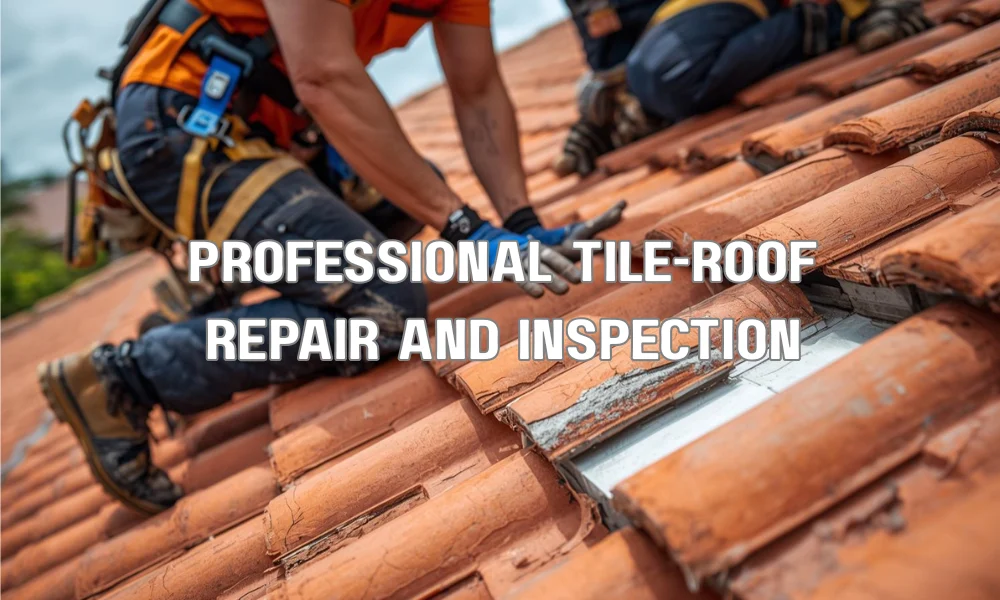
Professional repair services should be engaged immediately for any signs of water intrusion, significant tile damage, or if you lack the expertise and safety equipment for roof work. Issues like widespread cracked or missing tiles, compromised flashing, sagging rooflines, or persistent leaks after heavy rain are critical indicators that require expert attention. Professionals have the necessary training, tools, and insurance to safely and effectively repair tile roofs, ensuring the structural integrity and longevity of your home’s protection. Attempting complex repairs yourself can lead to further damage, personal injury, and potentially void existing warranties.
Proactive Measures and Preventative Care
How can underlayment integrity be protected from Florida’s elements?
Protecting the underlayment’s integrity from Florida’s harsh elements is paramount, as it serves as the critical secondary barrier against water intrusion should tiles fail. This protection begins with ensuring all tiles are properly installed and maintained to minimize water penetration. Regular inspections for cracked or loose tiles prevent water from reaching the underlayment. Furthermore, adequate attic ventilation prevents heat and moisture buildup, which can degrade the underlayment prematurely. Using high-quality, synthetic underlayments designed for Florida’s climate during installation or re-roofing also significantly enhances protection against extreme weather and UV exposure.
What role does proper attic ventilation play in tile roof health?
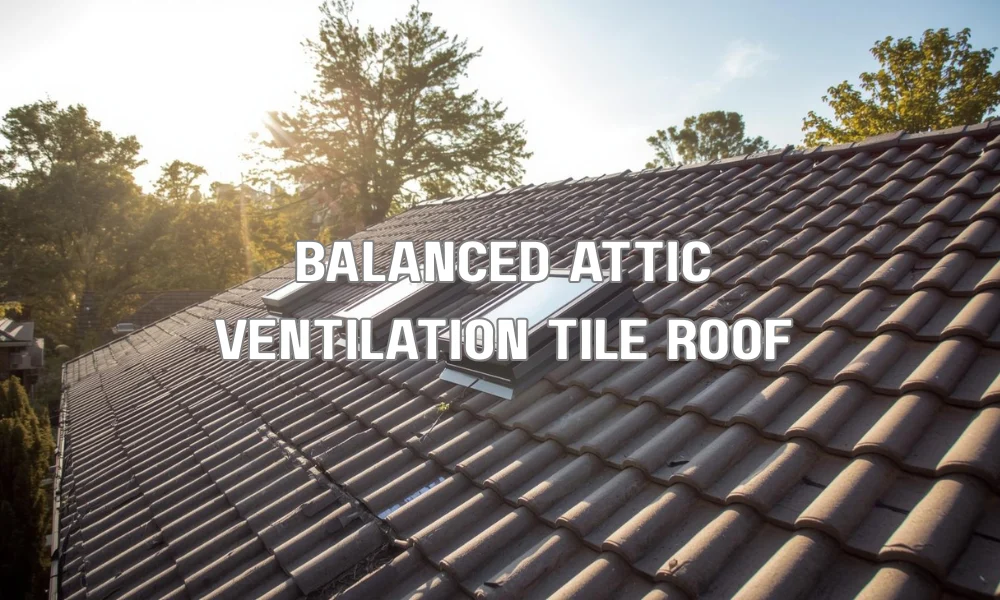
Proper attic ventilation plays a crucial role in maintaining tile roof health by mitigating extreme temperature fluctuations and excessive moisture accumulation within the attic space. In Florida’s hot and humid climate, effective ventilation prevents heat buildup that can cook and degrade the roof’s underlayment and supporting structures over time. It also expels moisture, which can lead to mold growth, wood rot, and reduced insulation efficiency. Balanced ventilation, achieved through a combination of soffit and ridge vents, ensures a continuous airflow, extending the lifespan of the entire roof system and enhancing the home’s energy efficiency.
How does hurricane preparedness factor into tile roof maintenance?
Hurricane preparedness is an essential component of tile roof maintenance in Florida, directly influencing its resilience against severe weather. Proactive measures include regularly inspecting for and securing any loose or cracked tiles, ensuring flashing is tightly sealed, and clearing gutters and downspouts of debris to facilitate efficient water runoff. During an inspection, professionals can assess the roof’s overall attachment and advise on specific hurricane straps or adhesives that might be necessary. Reinforcing weak points before a storm significantly reduces the risk of uplift damage, keeping the roof intact and preventing catastrophic water intrusion.
Critical Fact: Many homeowner’s insurance policies in Florida require proof of regular roof maintenance and inspection to validate claims for hurricane damage, emphasizing the financial importance of preventative care.
Frequently Asked Questions
How often should a tile roof be inspected in Florida?
Tile roofs in Florida should ideally be inspected semi-annually, typically after the intense summer storm season and again before the cooler, drier months. Additionally, a thorough inspection is crucial after any significant weather event, such as a named storm or unusually strong winds, to check for new damage.
Can I pressure wash my tile roof myself?
It is strongly recommended against pressure washing a tile roof yourself, especially with high pressure. High-pressure washing can damage the tile surface, dislodge granules, force water under the tiles, and even void your roof’s warranty. Soft washing by a professional is the safer and more effective method.
What are common signs of a damaged tile roof?
Common signs of a damaged tile roof include cracked, chipped, or missing tiles, visible signs of water stains on interior ceilings, granule loss in gutters, excessive mold or algae growth, and compromised flashing around roof penetrations. Sagging sections also indicate significant structural issues.
How much does professional tile roof cleaning cost?
The cost of professional tile roof cleaning in Florida varies widely based on roof size, pitch, level of growth, and accessibility, generally ranging from $0.20 to $0.70 per square foot. It’s best to obtain multiple quotes from reputable soft washing companies.
Is it safe to walk on a tile roof for maintenance?
No, it is generally not safe for homeowners to walk on a tile roof. Tiles are fragile and can easily crack or break, especially clay or older tiles. Professionals use specialized equipment and techniques, like roofing ladders and distribution boards, to walk on roofs safely without causing damage.
What causes mold and algae growth on Florida tile roofs?
Mold and algae thrive on Florida tile roofs due to the state’s high humidity, frequent rainfall, warm temperatures, and shaded areas. They feed on airborne organic debris and moisture, discoloring tiles and potentially leading to surface degradation over time if not removed.
How long do tile roofs typically last in Florida?
With proper maintenance, a tile roof in Florida can last 50 years or even longer. However, the underlayment, which is crucial for water resistance, typically has a shorter lifespan of 20-30 years and may need replacement before the tiles themselves.
Do I need to clean my gutters on a tile roof?
Yes, absolutely. Cleaning gutters on a tile roof is essential to ensure proper water drainage. Clogged gutters can cause water to back up, overflow, and potentially seep under the tiles, leading to fascia rot, foundation issues, and increased risk of roof damage during heavy rains.