Executive Summary
- Implement regular, detailed roof inspections to preemptively identify and mitigate issues like corrosion and loose fasteners before they escalate in South Florida’s harsh climate.
- Prioritize diligent cleaning protocols to remove salt accumulation, biological growth, and debris, which can severely degrade metal roof integrity over time.
- Invest in high-performance, marine-grade protective coatings designed to withstand intense UV radiation, humidity, and corrosive salt spray unique to the region.
- Secure all roof penetrations and flashing meticulously to prevent water intrusion, a critical vulnerability during South Florida’s heavy rainfall and hurricane season.
- Educate yourself on hurricane preparedness steps specific to metal roofs, including checking local building codes and potential insurance implications for proper maintenance.
- Address minor rust spots and paint chips promptly using manufacturer-approved repair kits to prevent widespread corrosion that compromises structural longevity and aesthetics.
Understanding South Florida’s Unique Challenges
What makes South Florida’s climate uniquely challenging for metal roofs?
South Florida’s climate presents an exceptionally harsh environment for metal roofs due to its combination of high humidity, intense ultraviolet (UV) radiation, frequent heavy rainfall, and constant exposure to salt-laden air. These factors accelerate corrosion, degrade coatings, and promote biological growth at a rate far exceeding less extreme climates, demanding specialized maintenance. The region’s persistent warmth also contributes to the rapid proliferation of mold, mildew, and algae, which can trap moisture against the roof surface.
Critical Fact 1: Metal roofs installed in South Florida must meet stringent wind uplift requirements, often rated to withstand winds exceeding 150 mph, making proper installation and ongoing fastener integrity paramount for hurricane resilience.
How does salt spray impact metal roofing?
Salt spray significantly impacts metal roofing by depositing corrosive sodium chloride particles onto the surface, accelerating rust and paint delamination, especially in coastal areas. This constant saline exposure penetrates protective coatings, leading to pitting and material degradation if not regularly rinsed away, compromising the roof’s structural integrity and aesthetic appeal. Over time, salt can also degrade sealants and fasteners, creating pathways for moisture intrusion and further corrosion.
Essential Proactive Maintenance Strategies
What routine inspections should homeowners perform?
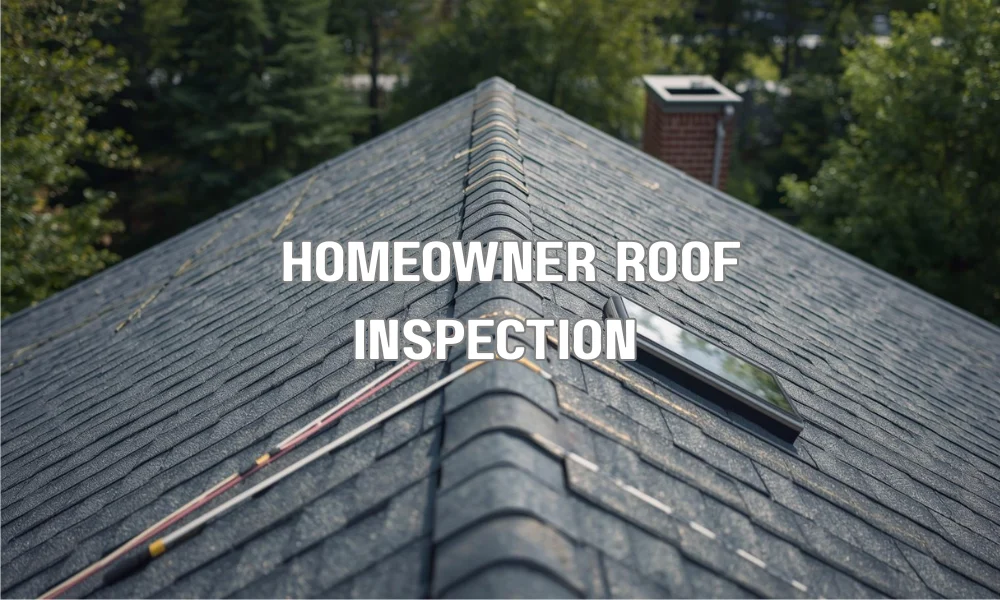
Homeowners should perform visual inspections at least quarterly, and critically, after any significant weather event. Focus on checking for loose or missing fasteners, signs of rust, peeling paint, cracked sealants around penetrations (vents, skylights), and accumulation of debris in valleys or gutters. Pay close attention to areas around flashing where water might pool, as these are common points of failure, and look for any discolored areas that might indicate biological growth.
How often should a metal roof be cleaned in South Florida?
A metal roof in South Florida should ideally be cleaned every six to twelve months, depending on proximity to the coast and surrounding foliage. Regular cleaning removes salt deposits, mold, mildew, algae, and accumulated organic debris that can trap moisture and accelerate corrosion. Use a soft brush and a mild, non-abrasive detergent, followed by a thorough rinse with clean water, ensuring all cleaning solution is removed to prevent residue buildup.
What are the best protective coatings for metal roofs in this region?
The best protective coatings for metal roofs in South Florida are those with superior UV and corrosion resistance, such as PVDF (Kynar 500® or Hylar 5000®) or SMP (Siliconized Modified Polyester) finishes. Acrylic elastomeric coatings are also excellent for restoration and offer high reflectivity. These coatings provide long-term protection against the intense sun, humidity, and salt spray, preserving the roof’s color, integrity, and energy efficiency.
| Coating Type | Key Benefit for S. Florida | UV Resistance | Salt Corrosion Resistance | Expected Lifespan (Years) | Maintenance Notes |
|---|---|---|---|---|---|
| PVDF (Kynar 500®) | Superior Color Retention, Fade & Chalk Resistance | Excellent | Excellent | 30-40+ | High upfront cost, very durable, retains aesthetic appeal. |
| SMP (Siliconized Modified Polyester) | Good Durability, Cost-Effective Balance | Very Good | Good | 20-30 | Can chalk/fade over time, less expensive than PVDF. |
| Acrylic (Elastomeric) | Excellent Reflectivity, Restoration Capabilities | Excellent | Good (when formulated for marine environments) | 10-20 (recoats may extend) | Ideal for existing roofs, reduces heat gain, requires periodic recoating. |
Addressing Common Metal Roof Issues
How can minor rust spots be treated effectively?
Minor rust spots must be addressed immediately to prevent spread. First, gently clean the affected area to remove loose rust and debris using a non-abrasive method. Then, lightly sand the rust spot with fine-grit sandpaper until clean metal is exposed, feathered into the surrounding paint to create a smooth transition. Apply a rust-inhibiting primer, followed by a manufacturer-approved touch-up paint that precisely matches the original coating to ensure both protection and aesthetic consistency.
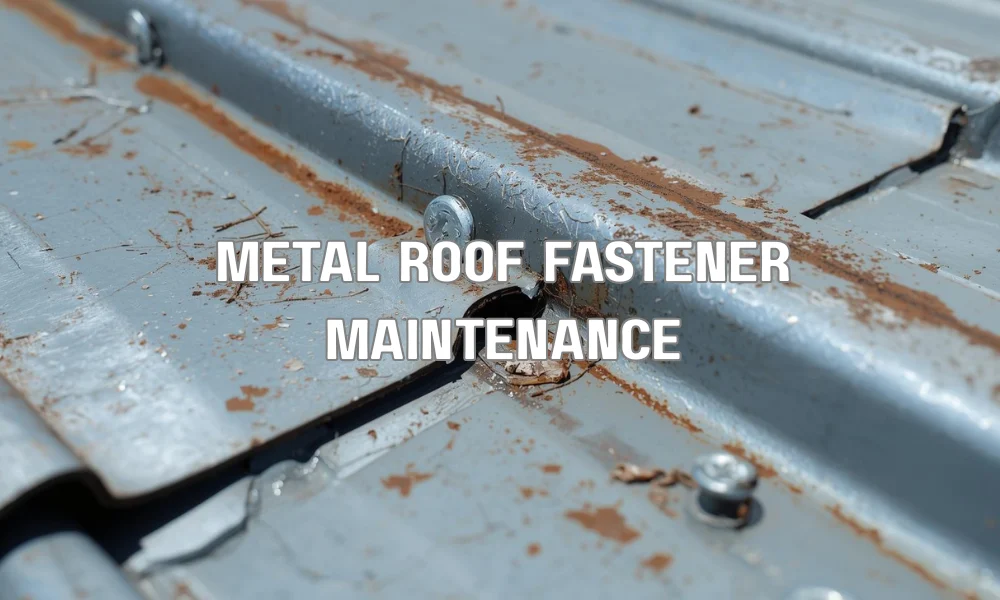
Critical Fact 2: Continuous high humidity in South Florida can lead to premature failure of unsealed fasteners, allowing water intrusion and creating galvanic corrosion between dissimilar metals if not properly maintained and inspected.
What should be done about loose fasteners or panels?
Loose fasteners should be tightened or, if stripped, replaced with oversized, self-sealing screws of the same material to prevent water entry and further panel movement. Always use fasteners with neoprene washers to create a watertight seal. Loose panels often indicate failing fasteners, damaged clips, or improper installation; inspect surrounding panels for similar issues and re-secure them using appropriate methods, potentially involving specialized clips or additional screws, ensuring all connections meet local wind load requirements.
When to Call the Professionals
When is professional inspection or repair necessary?
Professional inspection or repair becomes necessary when significant damage occurs, such as widespread corrosion, large dents, extensive panel separation, or persistent leaks that DIY attempts cannot resolve. It is also crucial to engage professionals for annual comprehensive inspections, especially before hurricane season, and for any work involving structural integrity, complex flashing, or when manufacturer warranties require certified installers for repairs. Early professional intervention can prevent minor issues from escalating into costly major problems.
What qualifications should a professional metal roofing contractor possess in South Florida?
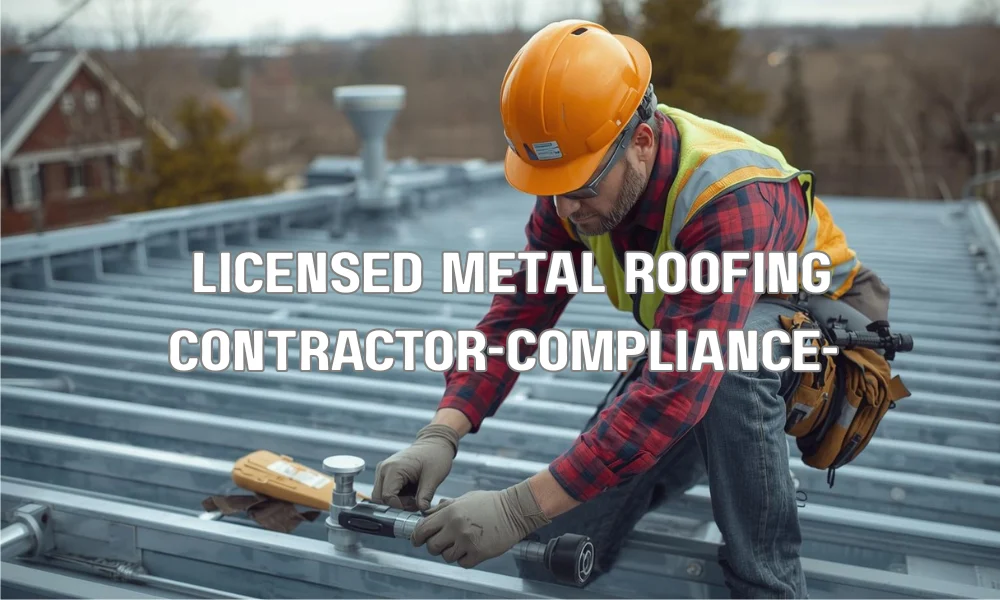
A professional metal roofing contractor in South Florida should be licensed and insured, possess extensive experience specifically with metal roofs in this challenging climate, and have a strong local reputation. They should be knowledgeable about local building codes, including hurricane resistance and wind mitigation requirements, offer manufacturer-specific warranties on materials and labor, and provide clear documentation of their work, including material specifications and installation processes. Look for contractors with certifications from leading metal roofing material manufacturers.
Critical Fact 3: Choosing the correct metal alloy (e.g., Galvalume or aluminum) and coating system for South Florida is not merely aesthetic; it directly impacts the roof’s lifespan, warranty validity, and resistance to environmental stressors like salt and UV degradation.
Frequently Asked Questions
How often should I check my metal roof for damage after a storm?
After any significant storm, especially a hurricane or tropical storm, conduct an immediate visual inspection of your metal roof from the ground. Look for loose panels, displaced flashing, dents, or signs of water intrusion in the attic. Even minor damage can worsen quickly, so prompt assessment is crucial.
Can I pressure wash my metal roof?
It is generally not recommended to pressure wash metal roofs with high pressure. High-pressure washing can damage the protective coating, force water into seams, and void warranties. Use a low-pressure wash with a mild, roof-safe cleaner and a soft brush instead, or consult a professional for specialized cleaning.
What are the common signs of mold or algae growth on a metal roof?
Common signs include dark streaks, green patches, or black spots on the roof surface. These growths often thrive in humid, shaded areas and can trap moisture, accelerating corrosion and degrading coatings. Prompt cleaning is essential to prevent long-term damage and maintain the roof’s aesthetic appeal.
Is DIY repair of small leaks advisable?
For very minor, easily identifiable leaks like a loose screw that needs tightening or a small pinhole, a DIY repair might be possible with the correct, manufacturer-approved sealants and fasteners. However, for any significant or hard-to-locate leaks, it is always best to consult a professional to prevent further damage and ensure proper, warranted repair.
How does proper metal roof maintenance affect my home insurance in South Florida?
Proper maintenance can positively affect your home insurance by demonstrating due diligence, potentially qualifying you for lower premiums or better coverage terms, especially related to hurricane mitigation. A well-maintained roof is less prone to storm damage, which insurers appreciate in hurricane-prone regions. Always check with your specific insurance provider.
How long can a well-maintained metal roof last in South Florida?
With proper installation and diligent maintenance, a high-quality metal roof in South Florida can last 40 to 70 years or even longer. The lifespan heavily depends on the metal type, coating system, and the consistency of inspections and cleaning to combat the harsh local environment’s unique challenges.
Are there specific tools I need for metal roof maintenance?
Essential tools include a soft-bristle brush, a garden hose with a spray nozzle, a mild, non-corrosive detergent, a safety ladder, and appropriate personal protective equipment (PPE) like non-slip shoes and gloves. For minor repairs, a caulking gun with approved sealant and a screwdriver with the correct bits are useful.
What is galvanic corrosion, and how can it be prevented?
Galvanic corrosion occurs when two dissimilar metals are in electrical contact in the presence of an electrolyte, like saltwater. It is prevented by using only compatible materials (fasteners, flashing, and panels of the same or compatible alloys), isolating dissimilar metals with non-conductive materials, and maintaining intact protective coatings to prevent electrical contact.