

Executive Summary
- Obtaining a roofing permit in Fort Lauderdale typically takes 2-4 weeks, though this timeline is subject to several variable factors.
- Timely approval significantly relies on submitting a complete and accurate application package, reducing review delays and resubmissions.
- Project complexity, type of roofing material, and current city department workload are primary determinants of permit processing duration.
- Utilizing the city’s online permitting portal can often streamline the submission process, potentially accelerating initial review stages.
- Proactive communication with the City of Fort Lauderdale’s Building Services Department is crucial for addressing any inquiries promptly.
- Engaging a licensed and experienced roofing contractor familiar with local codes can significantly mitigate common permit application pitfalls.
- Understanding the specific requirements for your type of roofing project prevents costly errors and ensures compliance with all local ordinances.
Navigating the permit process for a roofing project in Fort Lauderdale can seem daunting, but with proper preparation and understanding, it’s a manageable step towards ensuring your home or business is protected under a sound roof. The City of Fort Lauderdale’s Building Services Department is responsible for reviewing and approving all construction permits, including those for roofing, to ensure compliance with the Florida Building Code and local amendments. This comprehensive guide will break down the typical timelines, critical factors, and essential steps to help you secure your roofing permit efficiently.
Critical Fact 1: As of recent updates, Fort Lauderdale strongly encourages electronic submission of permit applications through its ePermits portal, which can significantly reduce the initial intake and processing time compared to manual submissions.
Understanding Fort Lauderdale’s Roofing Permit Process
What is the typical timeframe for a roofing permit in Fort Lauderdale?
The typical timeframe for a roofing permit in Fort Lauderdale generally ranges from two to four weeks from initial submission to approval, assuming the application is complete and meets all requirements. However, this is an average, and the actual duration can fluctuate based on specific project details, the current volume of applications the city is processing, and how quickly applicants respond to any requests for additional information or corrections.
The process usually involves an initial intake and completeness check, followed by a technical review by plan examiners for structural integrity, wind mitigation, and code compliance. If deficiencies are found, the application is returned for corrections, which restarts a portion of the review clock. Once all departmental reviews are satisfied, the permit is issued, allowing work to commence.
What factors influence the permit timeline?
Several critical factors influence the permit timeline for roofing projects in Fort Lauderdale. The complexity of the project is paramount; a simple like-for-like re-roofing often processes faster than a project involving structural changes, a new roof system installation, or work on a historically designated property. The completeness and accuracy of the application package are also major determinants; missing documents, incorrect forms, or inadequate plans will inevitably lead to delays as the application is sent back for revisions. Furthermore, the workload of the City’s Building Services Department fluctuates seasonally, with peak construction periods potentially extending review times. Finally, the type of roofing material, especially if it’s a newer or specialized product, might require additional review to ensure compliance with specific product approvals and installation guidelines.
Navigating the Application & Review Stages
How can I expedite the permit application process?
To expedite the permit application process, thorough preparation, meticulous documentation, and prompt engagement are key. Ensure all required forms are correctly filled out, plans are clear and detailed, and all supporting documents (like product approvals, contractor licenses, and notice of commencement) are included in the initial submission. Utilizing the City of Fort Lauderdale’s ePermits portal for digital submission can significantly reduce initial processing time and facilitate quicker communication. Responding immediately and comprehensively to any requests for additional information or corrections from plan reviewers prevents the application from languishing in review queues. Partnering with an experienced, licensed roofing contractor who is familiar with Fort Lauderdale’s specific permitting requirements and local codes is invaluable, as they can help prepare an accurate and complete submission from the outset.
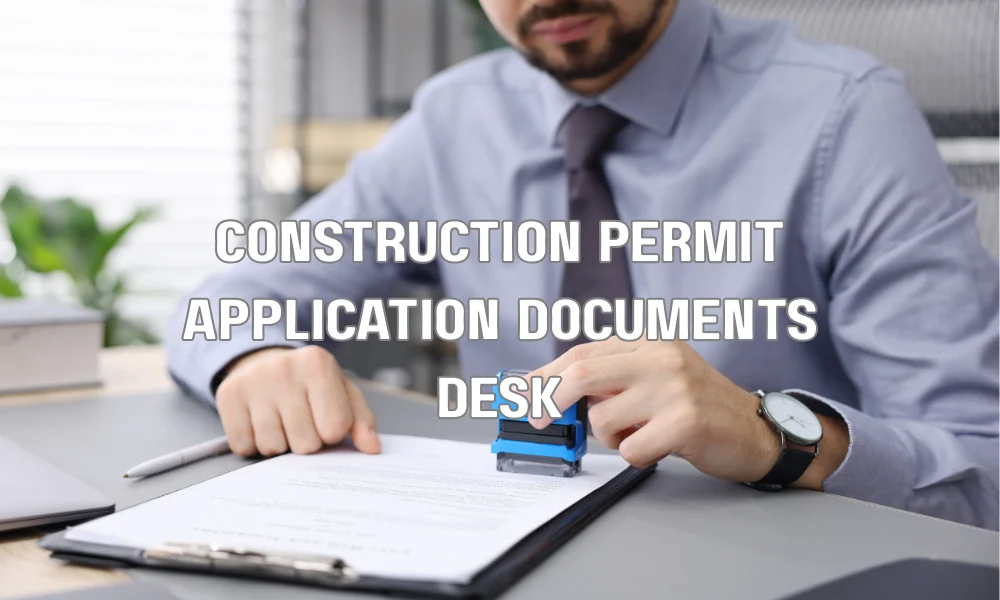
Critical Fact 2: Incomplete applications are the single biggest cause of permit delays. The City of Fort Lauderdale may reject applications outright or place them on hold until all necessary documentation is provided, adding weeks to the timeline.
For a clearer understanding of how different project types might affect your timeline and associated costs, refer to the table below, which outlines typical scenarios in Fort Lauderdale.
| Permit Type / Project Scope | Typical Review Time (Business Days) | Estimated City Fees (Base Range) | Key Requirements / Considerations |
|---|---|---|---|
| Residential Re-roof (Like-for-like) | 10-15 | $150 – $400 | Contractor license, Notice of Commencement, Wind Mitigation Affidavit |
| Residential Re-roof (Change of material) | 15-20 | $200 – $550 | Engineer’s certification, product approval, detailed plans |
| Commercial Re-roof (Standard) | 20-30 | $400 – $1,500+ | Sealed plans by Architect/Engineer, detailed product specs, fire rating |
| Roof Repair (Minor, Non-structural) | 5-10 | $75 – $200 | Description of work, material specs, limited scope (e.g., less than 2 squares) |
| Structural Roof Modifications | 25-40+ | $500 – $2,500+ | Comprehensive structural engineering plans, detailed architectural drawings |
Note: These are estimates and actual times/fees may vary based on specific project details, current fee schedules, and workload. Always consult the City of Fort Lauderdale’s official fee schedule for the most current information.
What are common reasons for permit delays or rejections?
Common reasons for permit delays or rejections in Fort Lauderdale primarily stem from issues with the application itself. Incomplete plans, such as missing details about roof pitch, drainage, or flashing, are frequent culprits. Submitting incorrect or outdated forms, or failing to include necessary attachments like product approvals or proof of insurance, also leads to holdups. Non-compliance with the Florida Building Code, particularly regarding wind uplift requirements or structural integrity, often results in significant revisions. Additionally, inadequate responses to reviewer comments, or failure to address all noted deficiencies in subsequent resubmissions, can prolong the review cycle indefinitely. Finally, an overloaded building department or a sudden influx of applications can also contribute to longer-than-expected processing times, highlighting the importance of early submission.
Post-Approval and Inspection Considerations
What happens after my roofing permit is approved?
After your roofing permit is approved, you will be notified, and the permit can typically be downloaded from the ePermits portal. This signifies that you can legally commence work on your roofing project. Before any construction begins, particularly for projects exceeding a certain cost threshold, a Notice of Commencement (NOC) must be filed with the Broward County Clerk of Courts and a certified copy must be posted at the job site. This protects property owners from potential liens. It is crucial to display the permit visibly at the construction site as well. Your contractor will then coordinate the start of work, ensuring all activities align with the approved plans and local regulations. Throughout the construction phase, various inspections will be required at different stages to ensure compliance with the approved permit and building codes.
How long do inspections typically take to schedule and complete?
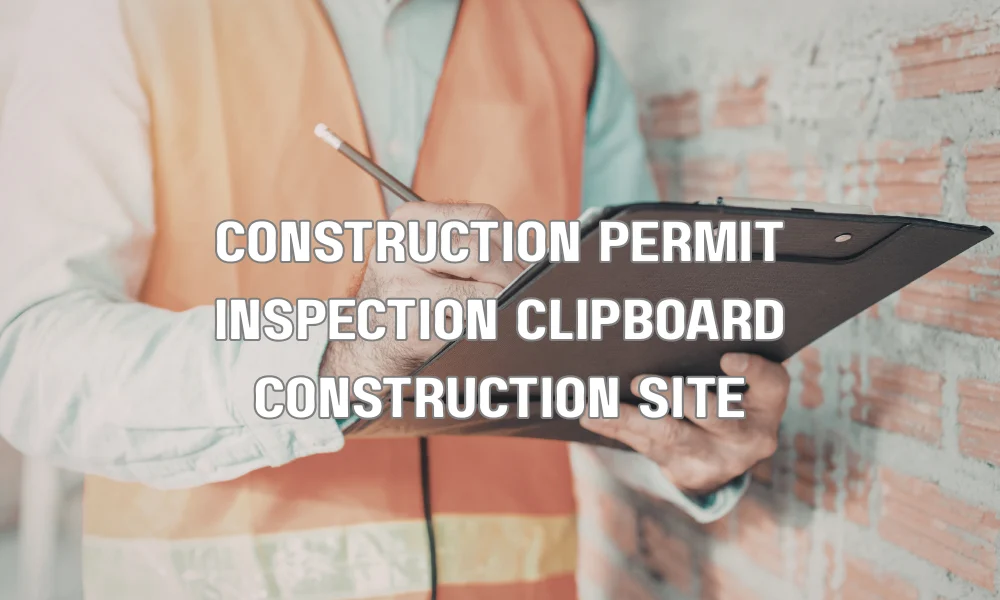
Once your roofing work has reached a required inspection stage, your contractor will typically request an inspection through the City of Fort Lauderdale’s ePermits system. Scheduling an inspection usually takes 1 to 3 business days, depending on the current demand and inspector availability. The actual inspection itself is generally quick, lasting anywhere from 15 to 30 minutes, as the inspector reviews the specific elements of the work for code compliance. It’s critical that the site is ready and accessible for the inspector when they arrive. If the inspection passes, work can proceed to the next stage. If deficiencies are found, a re-inspection will be required after corrections are made, adding further time to the overall project timeline. The final inspection, upon completion of all work, leads to the Certificate of Completion, signifying full compliance.
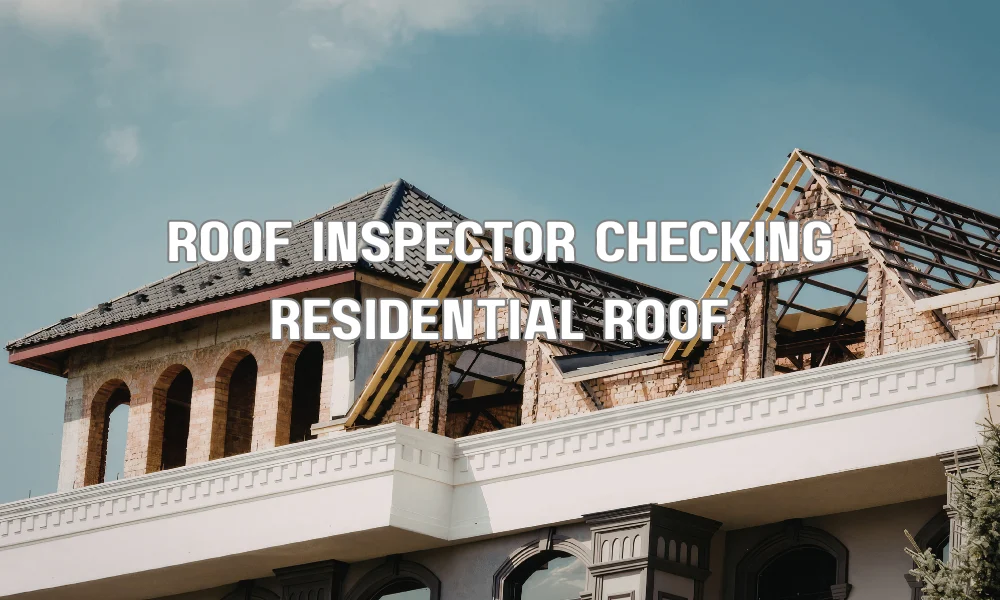
Critical Fact 3: The Florida Building Code, specifically the “High-Velocity Hurricane Zone” (HVHZ) provisions applicable to Fort Lauderdale, imposes stringent requirements for roofing systems, making thorough plan review and inspection critical for storm resilience.
Frequently Asked Questions
Do I always need a permit for roofing work in Fort Lauderdale?
Yes, almost all roofing work in Fort Lauderdale requires a permit. This includes re-roofing, new roof installations, significant repairs, or any changes to the existing roof system. Minor cosmetic repairs that do not involve structural elements or more than a small percentage of the roof area might be exempt, but it’s always best to check with the City’s Building Services Department to confirm.
Can a homeowner pull a roofing permit in Fort Lauderdale?
In Fort Lauderdale, a homeowner can pull a permit for roofing work on their own single-family residence, provided they are performing the work themselves and occupy the home. However, this is generally not recommended due to the complexity of building codes and the demanding nature of roofing work. Most homeowners opt to use a licensed contractor who pulls the permit on their behalf.
What documents are required for a roofing permit application?
Key documents typically include a completed permit application form, contractor’s license and insurance information, detailed plans or specifications of the proposed work, product approval sheets for roofing materials, and often a Notice of Commencement form. For larger projects, structural engineering drawings or wind mitigation affidavits may also be required.
What is a Notice of Commencement and when is it needed?
A Notice of Commencement (NOC) is a legal document filed with the Broward County Clerk of Courts. It is generally required for projects where the direct contract price is over $2,500 (or over $7,500 for HVAC repairs). The NOC officially identifies the property owner, contractor, lender, and describes the work, protecting against construction liens.
How much does a roofing permit cost in Fort Lauderdale?
The cost of a roofing permit in Fort Lauderdale varies depending on the project’s scope and estimated value. Fees are typically calculated based on a percentage of the job’s value or as a flat fee for simpler projects. Base fees can range from under $100 for minor repairs to several hundred dollars for full re-roofs. Always consult the city’s official fee schedule.
What happens if I start roofing work without a permit?
Starting roofing work without a required permit in Fort Lauderdale can lead to significant penalties, including stop-work orders, fines, and potentially having to remove all unpermitted work. This can be far more costly and time-consuming than obtaining the permit upfront. It can also complicate future property sales or insurance claims.
Are there specific wind mitigation requirements for roofs in Fort Lauderdale?
Yes, Fort Lauderdale is in a High-Velocity Hurricane Zone (HVHZ), meaning roofing projects must comply with stringent wind mitigation requirements outlined in the Florida Building Code. These include specific fasteners, sheathing attachment, and secondary water barriers designed to enhance the roof’s resistance to high winds.
How do I check the status of my roofing permit application?
You can check the status of your roofing permit application in Fort Lauderdale through the City’s ePermits portal. By entering your permit application number, you can view its current stage, see any outstanding requirements, and track its progress through the various review departments. This online system provides real-time updates and communication channels.
