
Executive Summary
- Optimal attic ventilation in Florida is crucial for mitigating extreme heat and humidity, directly impacting energy efficiency and structural integrity.
- Florida Building Code (FBC) mandates specific ventilation ratios, typically 1:300, ensuring adequate airflow to prevent moisture buildup and heat transfer.
- Proper ventilation prevents issues like mold growth, wood rot, and premature roofing material degradation, safeguarding property value and indoor air quality.
- Continuous soffit and ridge vent systems are highly recommended in Florida’s climate for balanced, uninterrupted airflow, adhering to FBC requirements.
- Sealed or conditioned attics offer an alternative strategy, but require specific FBC compliance for insulation, air sealing, and mechanical dehumidification.
- Regular inspections and maintenance are vital to ensure ventilation systems remain unobstructed and perform optimally, upholding code compliance.
- Understanding and implementing FBC ventilation codes is essential for passing inspections and securing long-term benefits in Florida’s challenging environment.
Understanding Florida’s Unique Ventilation Needs
Florida’s climate presents unique challenges for residential and commercial structures, particularly concerning attic spaces. The combination of intense solar radiation, high ambient temperatures, and pervasive humidity creates an environment where proper attic ventilation is not merely beneficial but a critical code requirement for safety, efficiency, and longevity.
Critical Fact 1: According to the Florida Building Code, attic ventilation systems are mandated to achieve a minimum net free ventilation area (NFVA) ratio of 1:300 of the insulated ceiling area, with balanced intake and exhaust.
Why is attic ventilation critical in Florida?
Attic ventilation is critical in Florida due to the state’s relentless heat and humidity, which can otherwise lead to severe problems within the roof structure and living spaces. Unventilated attics can reach extreme temperatures, often 30-60 degrees Fahrenheit hotter than the outside air, creating a significant heat load on the conditioned spaces below. This excess heat forces air conditioning systems to work harder, increasing energy consumption and utility bills. Furthermore, trapped moisture, driven by high humidity and potential leaks, can condense in a poorly ventilated attic, fostering mold growth, wood rot, and reducing the effectiveness of insulation, ultimately compromising the building’s structural integrity and indoor air quality.
What are the primary goals of effective attic ventilation?
The primary goals of effective attic ventilation in Florida are multifaceted, aiming to create a healthier, more efficient, and durable building envelope. Firstly, it facilitates the expulsion of superheated air from the attic, significantly reducing the heat gain transfer into the living space, thereby lowering cooling costs. Secondly, proper ventilation manages moisture by allowing humid air to escape, preventing condensation and mitigating the risk of mold, mildew, and structural damage like wood decay. Thirdly, it helps to extend the lifespan of roofing materials, as excessive heat can prematurely degrade shingles and underlayment. Finally, effective ventilation contributes to overall indoor air quality by preventing pollutants and allergens from becoming trapped and recirculating.
Key Code Requirements and Standards
The Florida Building Code (FBC), primarily referencing the International Residential Code (IRC) with Florida-specific amendments, provides strict guidelines for attic ventilation. Compliance with these codes is essential for obtaining permits, passing inspections, and ensuring the long-term performance of a building. These regulations are designed to address the specific climatic challenges encountered throughout the state.
What specific sections of the Florida Building Code address attic ventilation?
Attic ventilation requirements are primarily addressed under Section R806, “Roof Ventilation,” of the Florida Building Code, Residential Volume. This section outlines the general provisions for natural ventilation of enclosed attic and rafter spaces. It specifies the minimum net free ventilation area (NFVA), the balance between intake and exhaust, and considerations for unvented attics. Additionally, related sections on insulation (e.g., Chapter 11, Energy Efficiency) and roof assembly (Chapter 9) often intersect with ventilation strategies, especially in discussions about sealed attics and radiant barriers.
How is net free ventilation area (NFVA) calculated and applied?
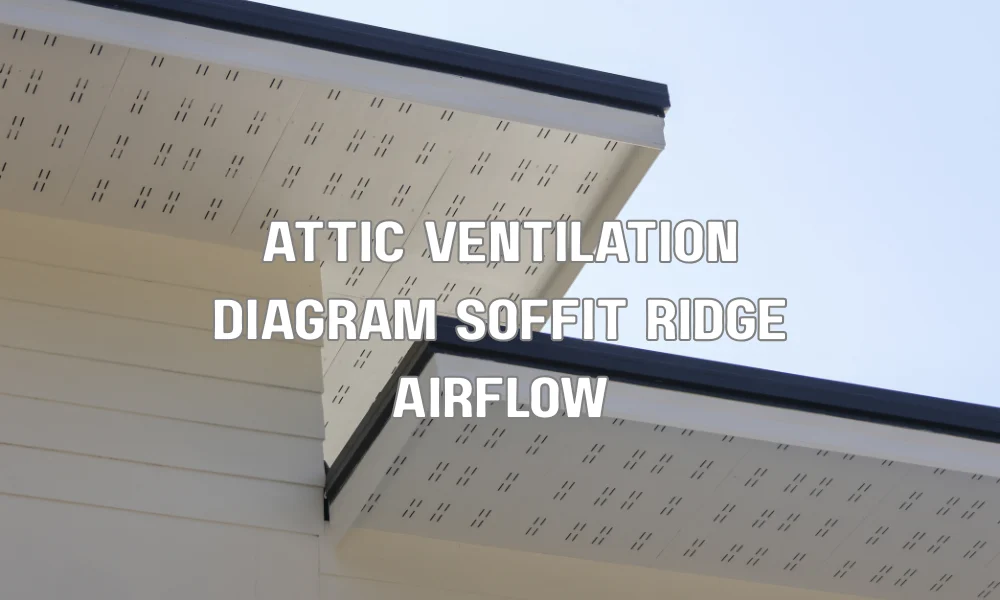
Net Free Ventilation Area (NFVA) refers to the unobstructed area through which air can pass into or out of an attic space. The Florida Building Code typically mandates a minimum NFVA ratio of 1:300 of the insulated ceiling area. This means for every 300 square feet of ceiling area, at least 1 square foot of NFVA is required. For example, a home with 1,500 square feet of ceiling area would need a minimum of 5 square feet (720 square inches) of NFVA. Crucially, the code also stipulates that this ventilation must be balanced, with approximately 50% located in the upper portion of the attic (exhaust) and 50% in the lower portion (intake), such as through continuous soffit and ridge vents, to promote effective airflow.
Common Ventilation Systems and Their Compliance
In Florida, several ventilation systems are commonly employed to meet code requirements, each with specific advantages and applications. Understanding these systems is crucial for selecting the most effective and compliant solution for any given structure.
What are the most common types of compliant attic ventilation systems?
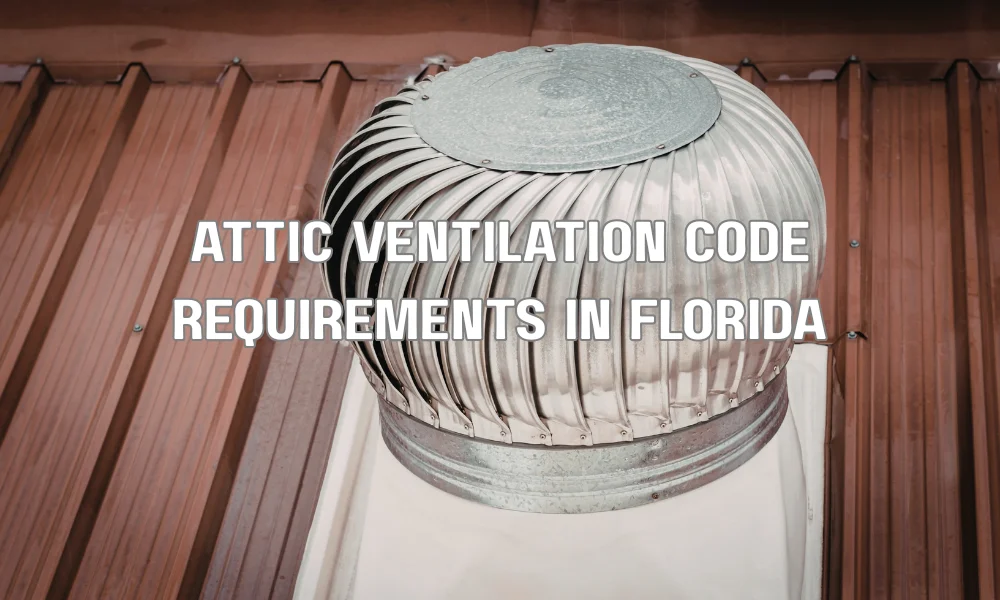
The most common and compliant attic ventilation systems in Florida rely on a balanced approach of intake and exhaust to create continuous airflow. Soffit vents, installed along the eaves, provide essential intake air, while ridge vents, running along the peak of the roof, serve as the primary exhaust. This combination creates a natural convection current, drawing cooler air in through the soffits and expelling hot, humid air through the ridge. Other compliant systems include gable vents, which can be used in conjunction with soffit vents (though less efficient than ridge vents for balanced flow), and passive or active roof vents, which are typically installed on the roof surface. Exhaust fans, either thermostatically or humidistatically controlled, can also supplement passive systems for increased airflow, particularly in larger or more complex attics.
How do sealed/conditioned attics alter ventilation requirements?
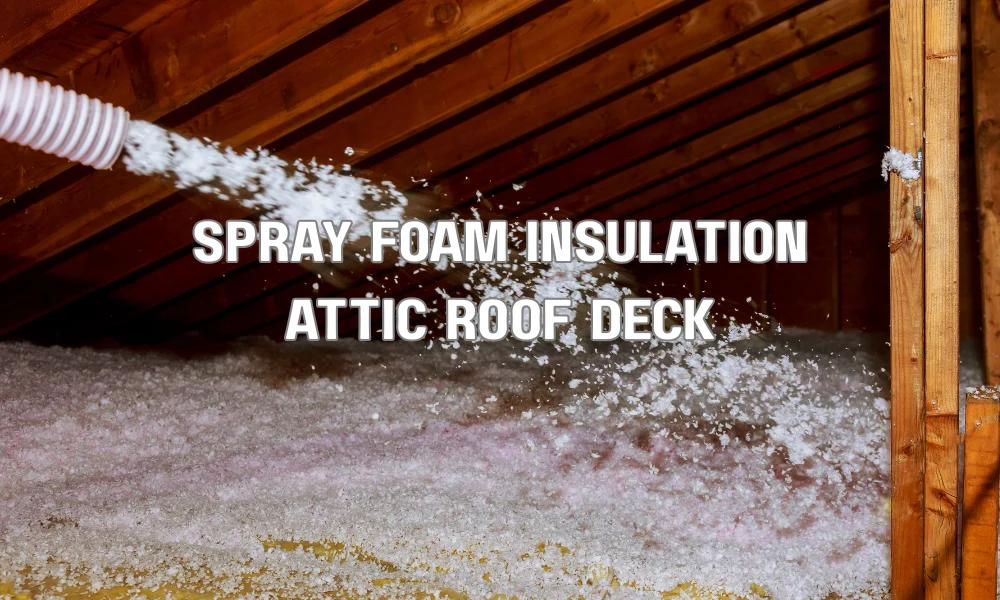
Sealed or conditioned attics represent an alternative approach where the attic space is brought within the conditioned envelope of the building, fundamentally altering traditional ventilation requirements. In this setup, the attic is treated as an extension of the living space, and thus, external ventilation to the outside is typically eliminated. The Florida Building Code allows for unvented attics under specific conditions, primarily requiring that the roof assembly (deck, rafters, and attic floor) be completely air-sealed and insulated with a continuous air barrier. This often involves spray foam insulation applied directly to the underside of the roof deck. When properly implemented, this system prevents heat and moisture intrusion from the outside and shifts the moisture control strategy to the HVAC system, which must be sized accordingly to handle the added volume. This approach can lead to improved energy performance and enhanced comfort but requires meticulous execution to ensure compliance and avoid potential moisture issues.
| Ventilation System Type | Primary Function | FBC Compliance Notes | Typical NFVA Contribution |
|---|---|---|---|
| Continuous Soffit Vents | Intake air; allows cool air into attic from eaves. | Essential for balanced systems (50% of total NFVA). Must be unobstructed. | Highly variable; often 9-18 sq. in. per linear foot. |
| Continuous Ridge Vents | Exhaust air; allows hot, humid air to escape at peak. | Essential for balanced systems (50% of total NFVA). Must be installed along entire ridge. | Highly variable; often 18-20 sq. in. per linear foot. |
| Gable Vents | Intake/Exhaust; exchanges air through side walls. | Can supplement soffit/ridge but less efficient for balanced flow alone. Not ideal for complex roofs. | Varies by size; e.g., 14×24″ can be 100-150 sq. in. |
| Roof Vents (Static/Pot Vents) | Exhaust; allows hot air to escape through roof surface. | Can be used, but require multiple units to achieve sufficient NFVA and balance. | Typically 50-70 sq. in. per unit. |
| Powered Attic Ventilators | Mechanical exhaust; actively pulls air out. | Must be thermostatically/humidistatically controlled. Requires adequate intake. Not a substitute for NFVA. | Measured in CFM (cubic feet per minute), not NFVA. |
Ensuring Compliance and Avoiding Pitfalls
Achieving and maintaining compliance with Florida’s attic ventilation codes requires diligent planning, proper installation, and ongoing vigilance. Many common mistakes can lead to code violations, diminished performance, and ultimately, costly issues for homeowners and builders.
Critical Fact 2: A common code violation in Florida is insufficient or blocked intake ventilation, often due to inadequate soffit vent installation or insulation blocking airflow from the soffits into the attic space.
What are common mistakes in Florida attic ventilation installations?
Common mistakes in Florida attic ventilation installations often stem from a lack of understanding of the balanced system concept and the specific climate challenges. One frequent error is neglecting to provide adequate intake ventilation, such as insufficient or blocked soffit vents, which prevents cooler air from entering the attic. Conversely, relying solely on exhaust vents without corresponding intake is ineffective. Another mistake is poor insulation baffles, allowing insulation to block airflow at the eaves, thus rendering soffit vents useless. Improper sizing of vents for the attic volume, mixing different ventilation types (e.g., combining gable vents with ridge vents), or installing powered ventilators without sufficient passive intake are also common pitfalls. Lastly, simply adding more vents without considering the balance of intake and exhaust will not solve underlying ventilation issues and may even worsen them.
How can homeowners and builders ensure code compliance?
Homeowners and builders can ensure code compliance by meticulously following the Florida Building Code’s requirements from the initial design phase through construction and beyond. For builders, this means carefully calculating the required Net Free Ventilation Area (NFVA) based on the ceiling footprint and ensuring a 50/50 balance between intake and exhaust. Selecting certified ventilation products that clearly state their NFVA ratings is essential. During installation, particular attention must be paid to unblocking soffit areas with baffles and ensuring continuous pathways for airflow. Homeowners should regularly inspect soffit vents for obstructions like paint, debris, or insect nests, and verify that roof vents are clear. Consulting with licensed roofing contractors or energy auditors who specialize in Florida building codes can provide expert guidance and ensure all components are correctly installed and functioning optimally to meet all local amendments and standards.
Long-Term Benefits of Proper Ventilation
Investing in and maintaining a compliant attic ventilation system in Florida yields significant long-term benefits that extend far beyond simply meeting code requirements. These advantages contribute to a healthier home environment, reduced operational costs, and extended structural lifespan.
How does proper ventilation impact energy efficiency and utility costs?
Proper attic ventilation profoundly impacts energy efficiency and utility costs by preventing the buildup of superheated air, which acts as a thermal blanket radiating heat into the living spaces below. By expelling this hot air, the attic temperature is significantly reduced, decreasing the heat load on the home’s cooling system. This allows air conditioners to run less frequently and more efficiently, leading to substantial reductions in electricity consumption, particularly during Florida’s extended cooling season. Over time, these savings accumulate, offering a significant return on the investment in a well-designed and maintained ventilation system, making the home more affordable to operate and more comfortable.
What role does ventilation play in protecting the roof structure and indoor air quality?
Ventilation plays a crucial role in protecting the roof structure by minimizing the detrimental effects of excessive heat and moisture. High attic temperatures can cause premature aging and cracking of roofing materials like shingles, leading to costly repairs or premature roof replacement. Moreover, by preventing moisture condensation, ventilation safeguards wooden trusses, sheathing, and rafters from rot, mildew, and structural degradation. Regarding indoor air quality, proper ventilation prevents the attic from becoming a breeding ground for mold and mildew, whose spores can infiltrate the living space through gaps and penetrations. By controlling moisture and preventing such growths, ventilation helps maintain a healthier indoor environment, reducing potential allergens and respiratory irritants for occupants.
Critical Fact 3: The Florida Building Code specifically permits the use of radiant barriers in conjunction with ventilation, which can further reduce heat transfer into the attic by reflecting radiant heat, enhancing energy efficiency.
Frequently Asked Questions
What is the minimum ventilation ratio required by the Florida Building Code?
The Florida Building Code typically requires a minimum net free ventilation area (NFVA) of 1:300 of the insulated ceiling area. This ratio ensures adequate airflow to manage heat and moisture effectively within the attic space.
Can I use a powered attic fan instead of passive vents?
Powered attic fans can supplement passive ventilation systems but are generally not a standalone solution for meeting code requirements for continuous airflow. They must be appropriately sized, thermostatically or humidistatically controlled, and supported by sufficient intake ventilation.
Do sealed attics require any ventilation?
No, sealed or unvented attics, when designed and constructed according to specific Florida Building Code provisions, do not require external ventilation. Instead, the attic space is air-sealed and insulated, becoming part of the conditioned envelope of the home.
What happens if my attic is not properly ventilated in Florida?
Improper attic ventilation in Florida can lead to increased cooling costs, premature degradation of roofing materials, mold and mildew growth, wood rot, and a reduction in the lifespan of insulation, all of which compromise the home’s integrity and air quality.
How do I calculate the Net Free Ventilation Area (NFVA) for my attic?
To calculate NFVA, divide your insulated ceiling area (in square feet) by 300. For example, a 1,800 sq ft ceiling requires 6 sq ft (864 sq inches) of NFVA, balanced between intake and exhaust.
Are both intake and exhaust vents necessary for code compliance?
Yes, the Florida Building Code mandates a balanced ventilation system, requiring approximately 50% of the total NFVA to be designated for intake (e.g., soffit vents) and 50% for exhaust (e.g., ridge vents) to promote proper airflow.
Can insulation block my attic vents?
Yes, insulation can easily block soffit vents if not properly managed. Insulation baffles or “vent chutes” must be installed to create an unobstructed channel for air to flow from the soffit vents into the attic space.
Does a radiant barrier count as ventilation?
No, a radiant barrier is an energy-saving material that reflects radiant heat, reducing heat gain into the attic. It does not provide airflow and therefore does not count towards the required net free ventilation area (NFVA) or ventilation strategy itself, though it complements ventilation efforts.
